
Reviewed · WALKING TOURS
Sapporo: The Indigenous Ainu People & Jozankei walking tour
The most unusual part of this day is the pairing of Ainu culture with Jozankei’s hot spring traditions. You begin with hands-on displays about Hokkaido’s Indigenous people, then spend the afternoon walking through a volcanic hot spring village before soaking in its mineral waters.
I like the chance to handle traditional Ainu craftwork instead of only viewing objects behind glass. I also like the clear rhythm of the day: culture in the morning, open-air sights in the afternoon, and a long onsen visit at the end. The main drawback is the length. At 570 minutes, with train and bus rides, this is a full day, and winter transport can include long waits.
Key points to know before booking
- Ainu culture comes first: Spend about 90 minutes at the Sapporo Ainu Culture Promotion Center, where traditional objects can be seen and touched.
- Scott leads the day: English-speaking guide Scott has been praised for his clear explanations, thoughtful manner, and easy conversation during transit.
- Jozankei takes most of the afternoon: You have about 4 hours and 15 minutes for sights, walking, free time, and the onsen.
- The route uses public transportation: Expect an 80-minute train ride, a one-hour bus ride, and a 75-minute return bus journey.
- The onsen visit lasts two hours: Hotel Shika no Yu provides a proper bathing experience, with a footbath option available.
- Winter changes the pace: Snowy Jozankei can be beautiful, but cold weather, uneven surfaces, and seasonal bus schedules require preparation.
Why this Sapporo day trip feels different
Many day trips from Sapporo chase scenery alone. This one gives you a cultural subject to think about before you reach the hot springs. The Ainu are the Indigenous people of Hokkaido, with their own traditions, art, lifestyle, and relationship with the northern environment.
That opening matters. You are not simply ticking off a museum, then wandering into a resort town. The day connects two parts of Hokkaido: the people who developed a distinct culture here and the volcanic hot spring country that shaped local life.
The tour costs $170 per person. That is not a budget outing, especially since lunch is not included. Still, the price covers the English-speaking guide, public transportation from Sapporo Station to the listed stops, and admission fees. If you prefer someone else to handle the route, explain the sights, and teach you how to use the bath properly, the cost can make sense.
You should not book this expecting a private car or a fast, polished sightseeing circuit. The group travels by train and bus, and one person specifically wished for private transportation. That tradeoff brings a more local feel, but it also means waiting, transfers, and less control over the schedule.
More Walking Tours in Sapporo:
- Sapporo Walking Tour
★ 4.9 · 17 reviews - Sapporo Highlights: Golden Route Morning Guided Walking Tour
★ 4.9 · 16 reviews - Kyoto Geisha Walking Tour: Gion District & Hidden Gems
★ 4.7 · 3,273 reviews
Meeting Scott at Sapporo Station
The meeting point is Myomu, the circular white stone structure near the south exits of Sapporo Station. After leaving the main JR gates, turn left and walk toward the south exits. Your guide wears a Snow Monkey Resorts tour tag, and you should arrive by 9 a.m.
This is an early start, but it helps fit a museum, several Jozankei sights, and a two-hour bath into one day. Sapporo Station is large, so allow extra time to find the south side if you are unfamiliar with it.
Scott is the guide associated with the strongest praise for this outing. His role matters most during the train and bus sections, when a day trip can otherwise feel like a series of disconnected rides. He explains the Ainu displays, talks about the local area, and keeps conversation moving during downtime.
The transport is part of the experience, but it is also the first practical warning. The initial train journey takes about 80 minutes. Later, the bus ride to Jozankei takes roughly an hour, followed by a 75-minute ride back to Sapporo. Winter schedules can create longer waits, so do not plan an important evening reservation too tightly after the tour.
The Sapporo Ainu Culture Promotion Center
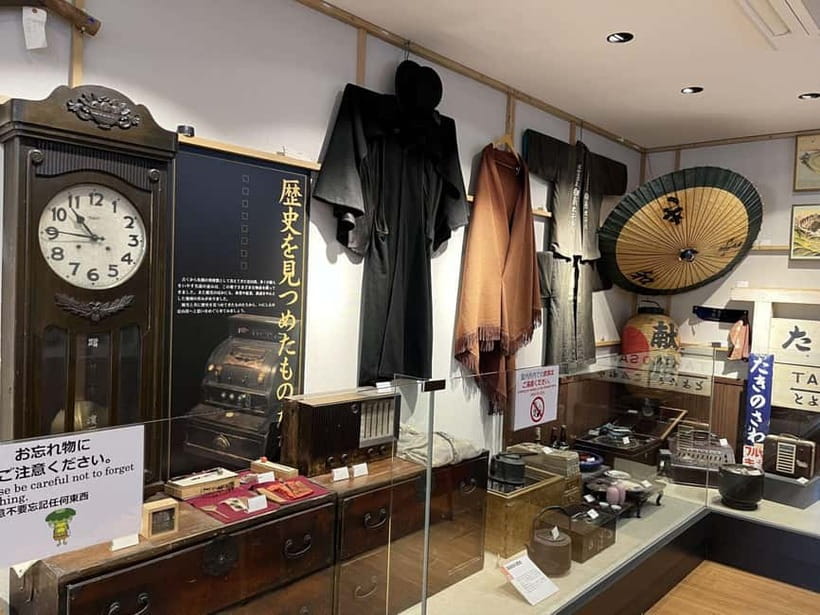
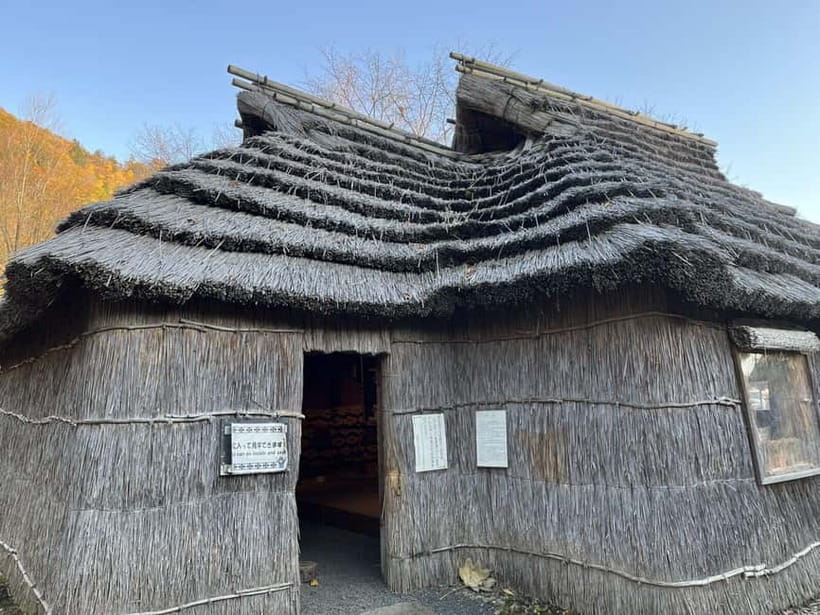
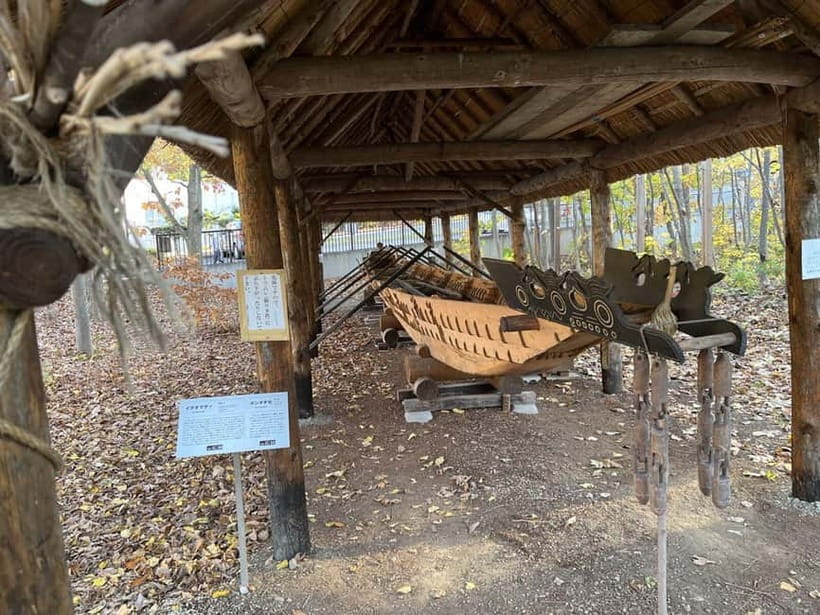
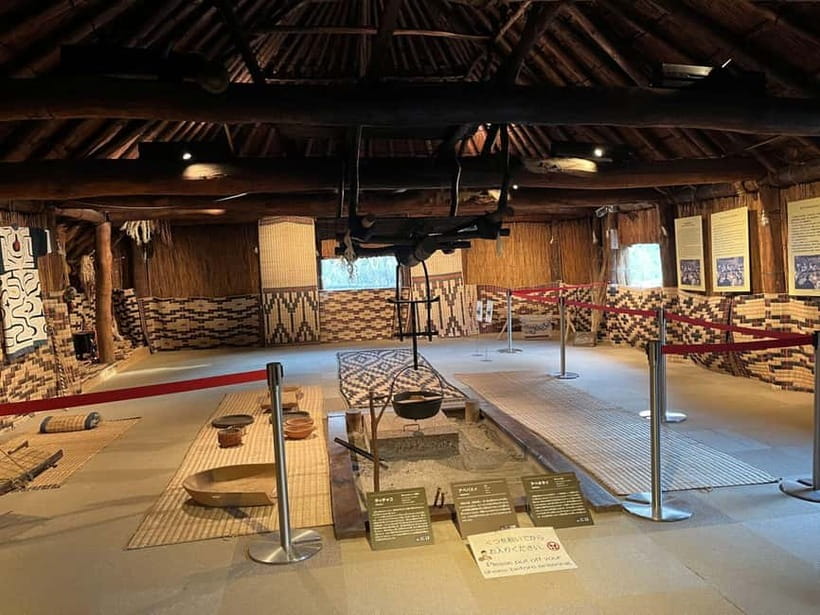
Your first main stop is the Sapporo Ainu Culture Promotion Center, where you spend about 90 minutes. The center focuses on the original inhabitants of Hokkaido and presents their lifestyle, history, and art through objects made by Ainu artisans.
The most useful feature is the chance to handle some traditional craftwork. That gives you a better sense of materials, texture, and construction than a display case alone. You can look closely at the work and learn how objects connect to daily life and cultural practice.
I would give this stop your full attention. The time is limited, and the center provides the intellectual foundation for the rest of the day. If you rush through it, the Jozankei portion may feel like a pleasant walk and bath with an unrelated museum attached.
Scott’s explanations are especially useful here. The Ainu story is not always covered in standard Japan itineraries, and a guide can help you understand what you are seeing rather than leaving you to decode labels. His approach has been described as clear, personable, and passionate about Hokkaido.
The center is also a good fit for travelers who prefer real objects and practical cultural details over a formal lecture. You do not need to be an art specialist. Come ready to ask questions and notice how Ainu traditions are expressed through craft.
The ride to Jozankei
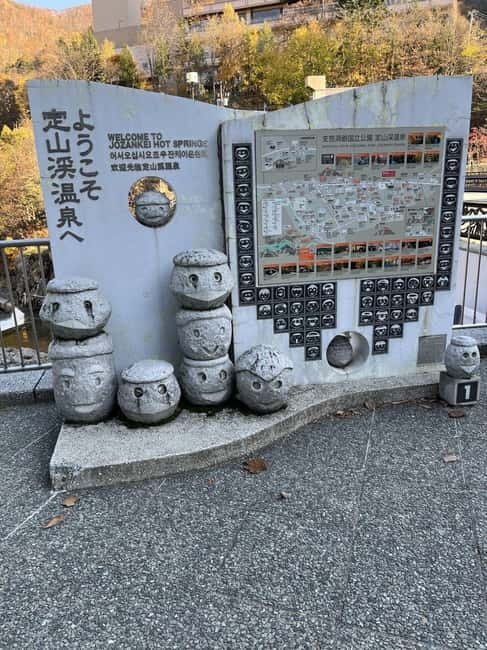
After the cultural center, you continue by bus toward Jozankei. The ride takes about an hour and shifts the mood from indoor learning to a small hot spring settlement surrounded by the volcanic country of Shikotsu-Toya National Park.
Jozankei’s setting comes from centuries of volcanic activity. The terrain, hot springs, and other natural features are not random decoration. They explain why this became a bathing destination and why the village has a character distinct from central Sapporo.
The bus ride is not glamorous, but it gives you time to watch Hokkaido pass by and discuss what you have seen. It also means you do not have to navigate the connection yourself. That is valuable if you are not comfortable reading Japanese transport information or working out a rural bus route.
The downside is simple: public transport takes time. A private vehicle would make the day more efficient, especially in winter. If you like independent travel and dislike waiting, this may feel slow. If you prefer a guide and do not mind a local route, the tradeoff is reasonable.
A few more Sapporo half-days worth comparing
- Sapporo Bar Hopping Food Tour
★ 5.0 · 232 reviews - Sapporo Private Tour with a Local – Highlights & Hidden Gems
★ 5.0 · 91 reviews - Sapporo: Sumo Show Experience with Japanese food & Photo
★ 4.9 · 81 reviews - Popular in SapporoExperience authentic hand-made soba at a real soba shop!
★ 5.0 · 77 reviews
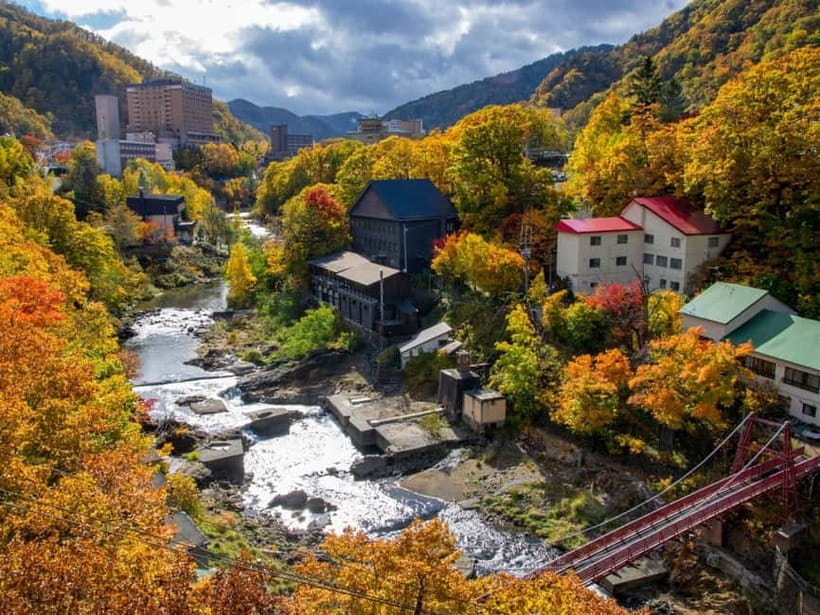
Walking Jozankei’s shrines, parks, and river views
You have about 4 hours and 15 minutes in Jozankei for sightseeing, walking, free time, and the bath. The exact pace depends on the group, transport timing, weather, and how long you spend at each sight.
The route includes Jozankei Shrine and Jozankei Temple. These stops add a quiet, local layer to the hot spring village. You are not only looking at bathhouses and resort facilities. You are also seeing places connected with the community’s spiritual life.
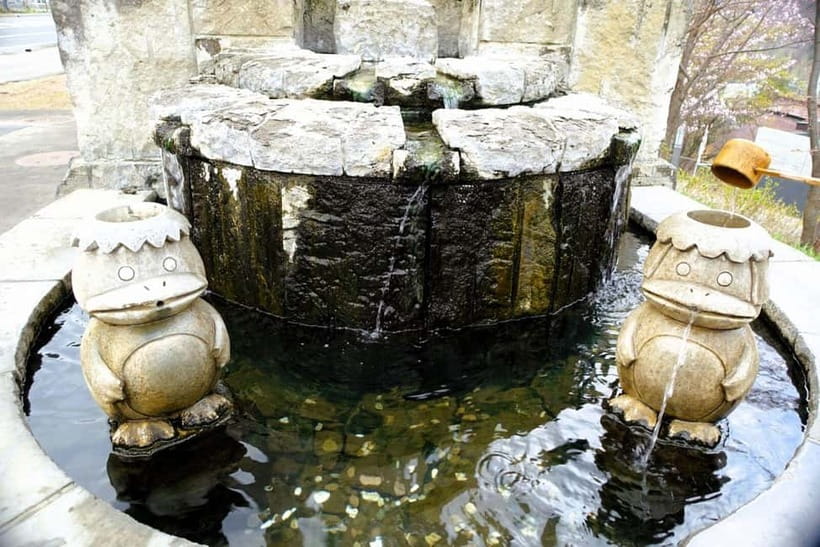
Gesen Park includes a footbath, giving you an early taste of Jozankei’s bathing culture. A footbath is a useful option if you want to warm up without changing into full bathing attire. It also breaks up the walking in a simple, low-key way.
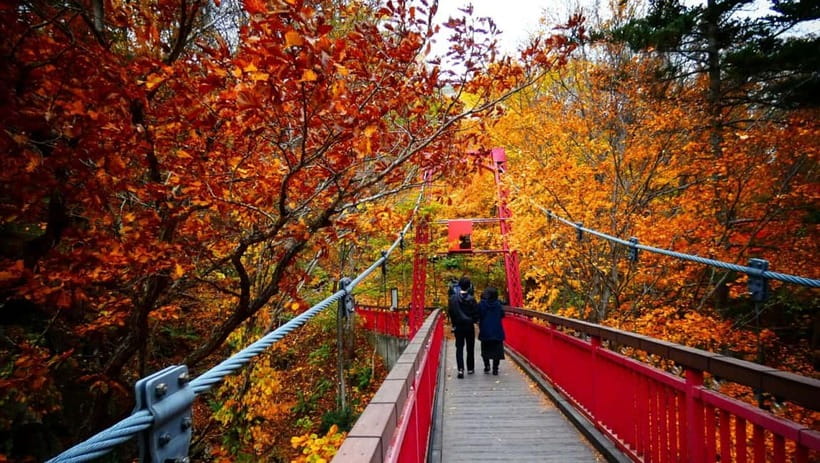
Futami Park takes you farther into the village’s natural setting. From there, the Futami Tsuribashi Suspension Bridge provides one of the memorable visual points of the afternoon. Crossing a suspension bridge adds a little movement and height to the walk, but it may not suit anyone uneasy with swaying bridges or uneven paths.
The walking is not described as a difficult hike, but you should still wear comfortable shoes. The route includes uneven surfaces, and winter conditions can make walking slower or less comfortable. Bring water, even though the day finishes with a bath. Cold weather can hide how much fluid you are losing, while a long walk and hot water both affect hydration.
The strongest seasonal case is winter. Snow gives Jozankei a completely different appearance and can make the village feel especially atmospheric. The cost is cold air, possible delays, and a greater need for warm clothing and steady footing. Spring and autumn may suit you better if you want milder temperatures and easier walking.
Finishing with two hours at Hotel Shika no Yu
The final major stop is Hotel Shika no Yu, where you receive a two-hour day-bath visit. This is not a quick dip squeezed between photo stops. It gives you enough time to understand the basic routine, wash properly, bathe, rest, and use the facilities at an unhurried pace.
Your guide explains bathing etiquette before you enter. That is helpful if this is your first Japanese onsen. You need to follow the rules, and you should expect to wash before entering the shared bath. The tour information also asks you to bring a towel and a change of clothes.
A footbath is available as an alternative or backup, but the main attraction is the full hot spring visit. The warm water is a fitting end after several hours of walking and public transport. It also lets you participate in an ordinary Japanese bathing custom rather than simply observing it from outside.
Be realistic about the onsen format. This is not a private bath experience, and the tour does not promise a private room or individual tub. You need to be comfortable following communal bathing etiquette.
For many people, the bath will be the day’s most relaxing part. For others, it may be the main source of hesitation. If you have never used an onsen, ask Scott about the routine and follow the instructions carefully. If you have back problems, this tour is not recommended. Wheelchair users should also choose another activity because the route and bathing arrangements are not suitable.
What the $170 price includes
At $170, this is a premium day trip rather than a cheap outing. The value depends on how much support you want.
Included in the price are:
- An English-speaking guide
- Transportation from Sapporo Station to the listed destinations
- Admission tickets for the attractions and sightseeing stops included in the day
- The listed bathing activity at Hotel Shika no Yu
Lunch is not included, and the tour does not provide accommodation. You should plan for food during the day, though no specific lunch stop or meal arrangement is given. Carrying water is also sensible.
The price is easier to justify if you are staying in Sapporo for a short time and want one organized day that combines culture, nature, and an onsen. It is less attractive if you are happy to arrange trains and buses yourself, or if you want a private vehicle.
The group experience can also affect the value. A small group makes it easier to hear the guide and ask questions, and the tour has been described as small enough for conversation with the rest of the group. Still, the supplied details do not promise a fixed maximum group size, so you should not book solely on the assumption that it will be private or nearly private.
Who should book this tour
I would recommend this day to you if you want more than Sapporo’s central sights. It suits visitors who are curious about Hokkaido’s Indigenous culture, enjoy guided walking, and want an onsen introduction without arranging every detail themselves.
It is particularly good for:
- First-time visitors to Hokkaido who want cultural context
- Anyone who has never used a Japanese hot spring
- People comfortable with trains, buses, walking, and a long day
- Visitors who enjoy a guide-led discussion rather than sightseeing alone
- Winter visitors willing to dress warmly and accept slower transport
I would be cautious if you need a short, flexible outing. The full schedule takes 9.5 hours, and the transport makes the day longer in feel than the walking time alone suggests. It is also not suitable for wheelchair users or people with back problems.
Bring comfortable shoes, water, a towel, warm layers in winter, and a change of clothes for the bath. A small bag that keeps those items easy to reach will make the day more comfortable.
Free cancellation is available up to 24 hours before departure, and you can reserve now while paying later. Those terms help if your Sapporo plans are still shifting, but they do not change the physical demands of the day.
Should you book the Ainu and Jozankei tour?
Book it if you want a well-rounded Hokkaido day with a clear story: learn about Ainu culture, see a hot spring village shaped by volcanic activity, walk across Futami Tsuribashi Bridge, and finish in warm water.
The best reasons to go are the hands-on Ainu center, Scott’s strong guiding, and the generous two-hour onsen visit. The main reasons to hesitate are the $170 price, no included lunch, public transportation, winter waits, and the long duration.
For a first visit to Hokkaido, I think the combination is worthwhile. You get culture that many short Sapporo visits miss, plus a practical introduction to Jozankei and Japanese bathing customs. Just book it as a full day, not a quick excursion, and prepare for the weather.
FAQ
Where does the tour meet in Sapporo?
Meet your guide at Myomu, the circular white stone structure near the south exits of Sapporo Station. After leaving the main JR gates, turn left and walk toward the south exits. Arrive by 9 a.m.
How long does the tour last?
The tour lasts 570 minutes, or 9.5 hours. The planned return is to Myomu at Sapporo Station.
What language is the tour conducted in?
The tour has a live English-speaking guide.
Who is the guide?
The guide associated with this experience is Scott. He leads the cultural explanations, walking portion, and bathing-etiquette briefing.
How do you travel between Sapporo and the sights?
The itinerary uses a train and buses. The first train ride takes about 80 minutes, the bus to Jozankei takes about one hour, and the return bus journey takes about 75 minutes.
Is lunch included?
No. Lunch is not included, so you should plan for your own food during the day.
What should you bring?
Bring comfortable shoes, water, a towel, and a change of clothes for the onsen. Prepare for uneven surfaces and cold conditions if you visit in winter.
Is the onsen suitable for first-time bathers?
Yes, the guide explains the bathing rules and etiquette you must follow. Hotel Shika no Yu provides a two-hour day-bath visit, and a footbath option is also available.
Is the tour suitable for wheelchair users or people with back problems?
No. The tour is not suitable for wheelchair users or people with back problems.
Just added around Sapporo
- Sapporo Walking Tour★ 4.9 · 17 reviews
- Sapporo TV Tower Admission Ticket★ 4.7 · 21 reviews
- Sapporo: Furano Flower Sea & Biei Blue Pond Tour w/ Pickup★ 4.0 · 40 reviews
- Sapporo: Private Customized Guided Tour★ 4.9 · 30 reviews
- Sapporo: Furano Lavender & Biei Blue Pond Tour with Lunch★ 4.6 · 13 reviews
- Sapporo Highlights: Golden Route Morning Guided Walking Tour★ 4.9 · 16 reviews
- Sapporo: Custom Highlights and Hidden Gems Tour with a Local★ 4.9 · 21 reviews
- Penguin Fun & Snowmobile : Sapporo Winter (Asahiyama Zoo)★ 4.8 · 14 reviews
Walking Tours, compared.

Kyoto Geisha Walking Tour: Gion District & Hidden Gems
Our verdict →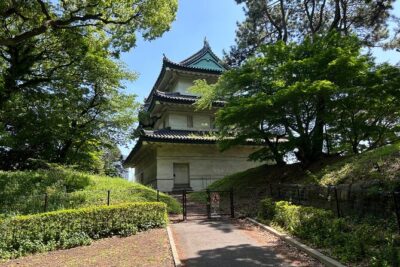
Imperial Palace and Shogun Historical Walking Tour
Our verdict →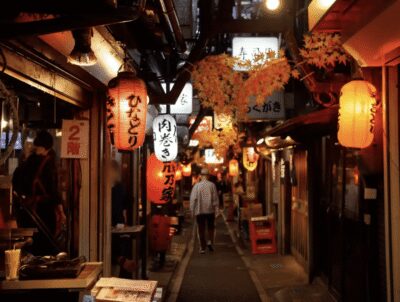
Shinjuku Local Bar and Izakaya Guided Walking Tour
Our verdict →

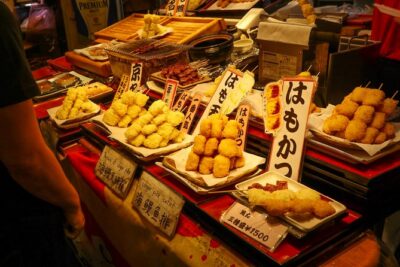
Nishiki Market Brunch Walking Tour (7 Tastings + Brunch)
Our verdict →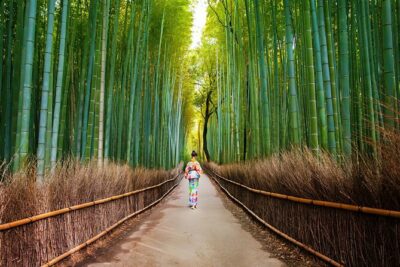
Kyoto Arashiyama Walking Tour: Bamboo, Monkeys, Gardens & Secrets
Our verdict →
Tokyo Castle & Imperial PalaceーShogun Walking Tour
Our verdict →Browse the lists this tour appears in