
Reviewed · SAKE TASTING
Osaka Sake Tasting with Takoyaki Cooking
Osaka’s two great pleasures, takoyaki and sake, come together in this friendly two-hour class near Namba. You cook your own octopus balls, try fillings such as wagyu beef and cheese, then sit down with a sake expert to compare several Japanese styles.
I like the small maximum of six people, which gives Momo time to answer questions and guide first-time cooks. I also like that Momo is both a sake sommelier and former brewer, so the tasting goes beyond simply passing glasses around.
The main consideration is the generous alcohol tasting. You should arrive hungry, but pace yourself too, especially if you plan to continue drinking in Osaka afterward.
Key Points Worth Knowing
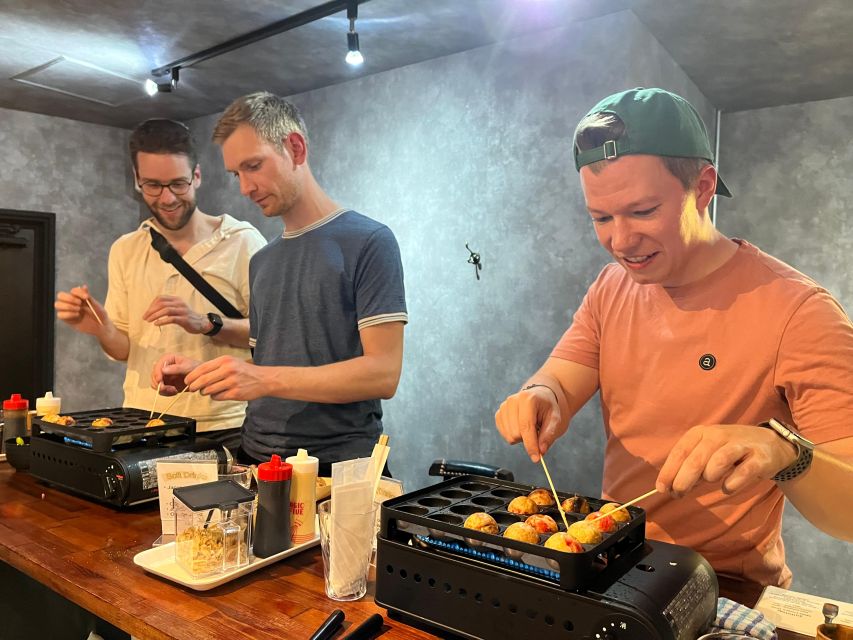
- Cook your own Osaka street food: Make personalized takoyaki with octopus, wagyu beef, cheese, kimchi, corn, and other fillings.
- Learn from Momo: Your English-speaking guide is a sake sommelier and former brewer.
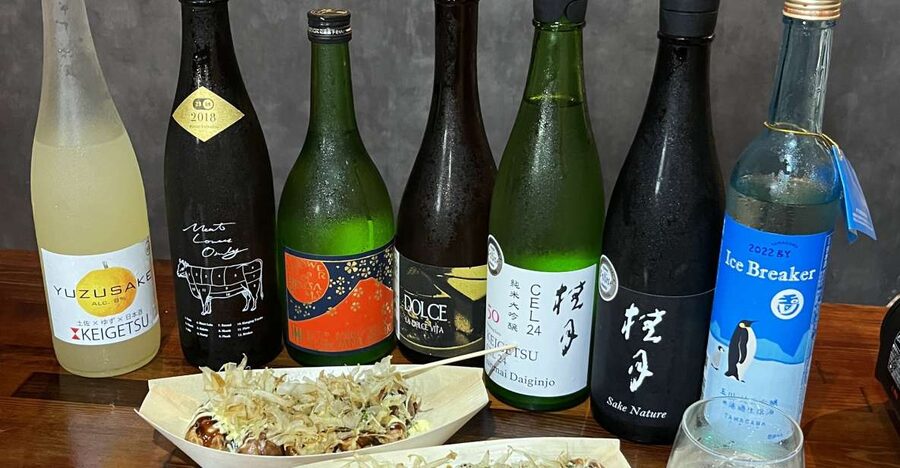
- Compare more than 10 sakes: Seasonal selections help you notice differences in sweetness, aroma, texture, and style.
- Small groups matter: The class accepts no more than six participants, with some sessions feeling almost private.
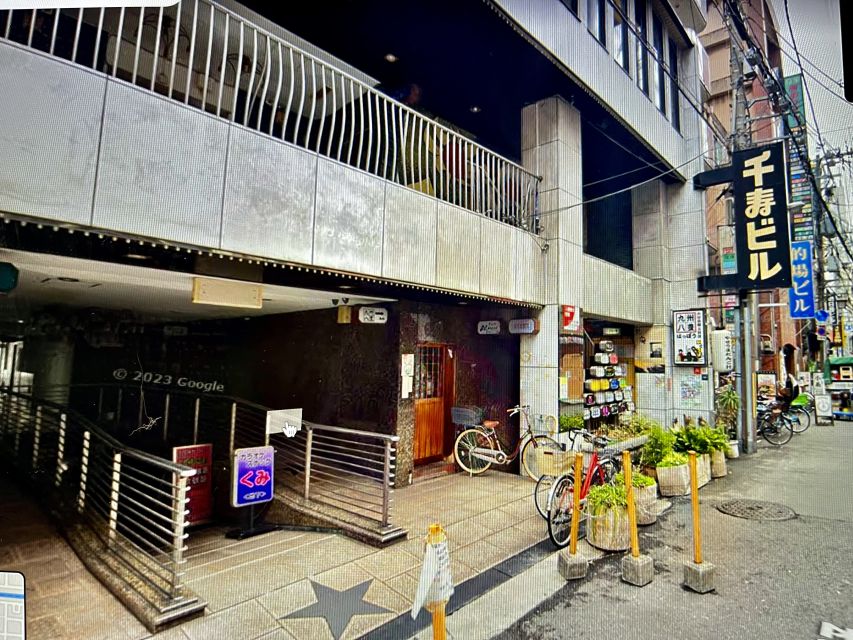
- Good Namba location: Meet at MOMO to SAKE, on the second floor of the building, with easy access from central Osaka.
- Useful beyond this evening: You leave with practical tips for ordering sake at bars and restaurants around Japan.
Why Takoyaki and Sake Make a Smart Osaka Pairing
Takoyaki is more than a snack to check off a food list. It is one of Osaka’s signature street foods, and making it yourself gives you a better feel for the care behind those quick, theatrical food-stall servings.
Here, the cooking is hands-on rather than a demonstration you simply watch. Momo gives instructions and shares her recipe, then you prepare the takoyaki yourself. That means your final batch may look a little uneven, but that is part of the fun.
The fillings make this more flexible than a standard octopus-only lesson. Along with octopus, you can use ingredients such as wagyu beef, cheese, kimchi, and corn. If you do not eat octopus, the class can adapt the food, and one family also received help accommodating a coeliac dietary need.
You should come hungry. The takoyaki is cooked first, then enjoyed with the sake tasting. The order makes sense: you have food in your stomach before drinking, and the meal gives you something to compare with the different sake styles.
More Cooking Classes in Osaka
- Osaka: Ramen and Gyoza Cooking Class in Dotonbori
★ 5.0 · 378 reviews - Osaka Cooking Class: Okonomiyaki &Japanese cuisines experience
★ 5.0 · 261 reviews - Ramen and Gyoza Cooking Class in Osaka
★ 5.0 · 202 reviews
Meeting Momo at MOMO to SAKE
The class takes place at MOMO to SAKE, on the second floor of the building. The location is in the Osaka Namba area, so it fits easily into a day spent around central Osaka.
The provided meeting details do not include a full street address, so check the exact directions and starting time when you book. That second-floor meeting point is worth noting, since you should not expect a large street-level cooking school with obvious signage.
Momo leads the experience in English and Japanese. Her English is described as clear and comfortable, which matters during a class involving brewing terms, flavor descriptions, and cooking instructions.
The small-group format is one of the strongest practical features. Six is the maximum, and some sessions have had only one couple or even one participant. A small group gives you more chances to ask about the sake you like, get help with your takoyaki, and talk about food and daily life in Japan.
The Takoyaki Session: A Little Cooking, a Lot of Laughs
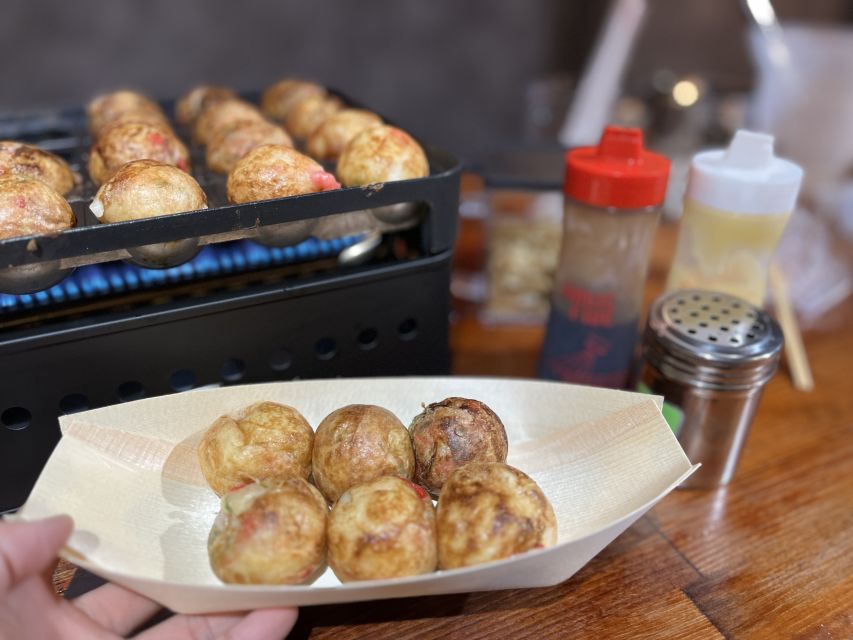
The cooking portion begins with instructions from Momo, followed by your own attempt at making takoyaki. This is not a polished cooking show where the guide does all the work. You take part, make choices, and eat the result.
That hands-on element suits people who enjoy learning by doing. You may already know takoyaki from Osaka food stalls, but the class helps you understand how much coordination goes into producing neat, evenly cooked balls.
The personalized fillings add a nice twist. Octopus is the classic choice, but wagyu beef and cheese create different flavors, while kimchi and corn let you make something less traditional. This also makes the class easier for mixed groups, since not everyone has to eat the same filling.
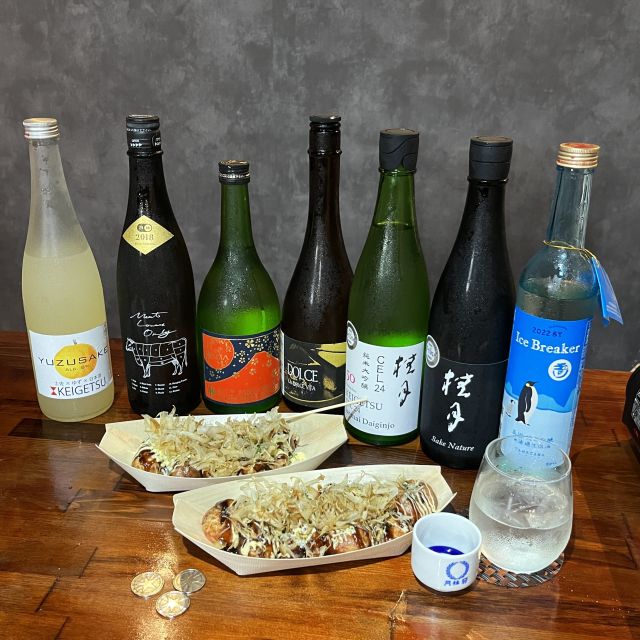
The final dish is served after cooking, alongside the sake. Several people who completed the class found the homemade takoyaki among the best they ate in Japan, but keep your expectations sensible: the appeal is not just the finished food. It is the process, the shared mistakes, and the satisfaction of eating what you made.
Families can also make this work. Children can have soft drinks while adults taste sake, and the cooking gives younger participants something active to do. The class is not presented as a children’s program, but the format can suit a family group when the adults are comfortable managing the alcohol portion.
Understanding Sake Without Getting Lost in the Labels
Sake can seem confusing in Japan. Bottles carry unfamiliar names, labels use terms you may not recognize, and two sakes that look similar can taste very different.
Momo breaks down the basics through the history, culture, and production process of sake. She is also a former brewer, so the brewing explanation connects naturally to the drink in your glass rather than feeling like a memorized lecture.
The class covers different types and flavor profiles, along with practical advice on choosing sake. You learn how to notice what you like instead of trying to remember a long list of technical words.
That is the lasting value of this part. After the class, you should have a better chance of ordering with confidence at a sake bar, restaurant, or shop. You may not become a specialist in two hours, but you can begin to describe your preferences and make a more informed choice.
Sake is often called Japanese rice wine, but it is brewed rather than made by fermenting fruit in the way wine is. The class uses the more precise term nihonshu at times, helping you understand the drink within Japanese food culture.
More Drinking Tours in Osaka
- Osaka Bar Hopping Night Walking Tour in Namba (3 bars, 6 tastes)
★ 5.0 · 958 reviews - Osaka: Namba Pub Bar Crawl with a Local Guide
★ 4.9 · 424 reviews - Osaka: Izakaya Bars Guided Walking Tour
★ 4.9 · 385 reviews - Osaka: Guided Pub Crawl
★ 4.4 · 331 reviews
Tasting More Than 10 Japanese Sakes
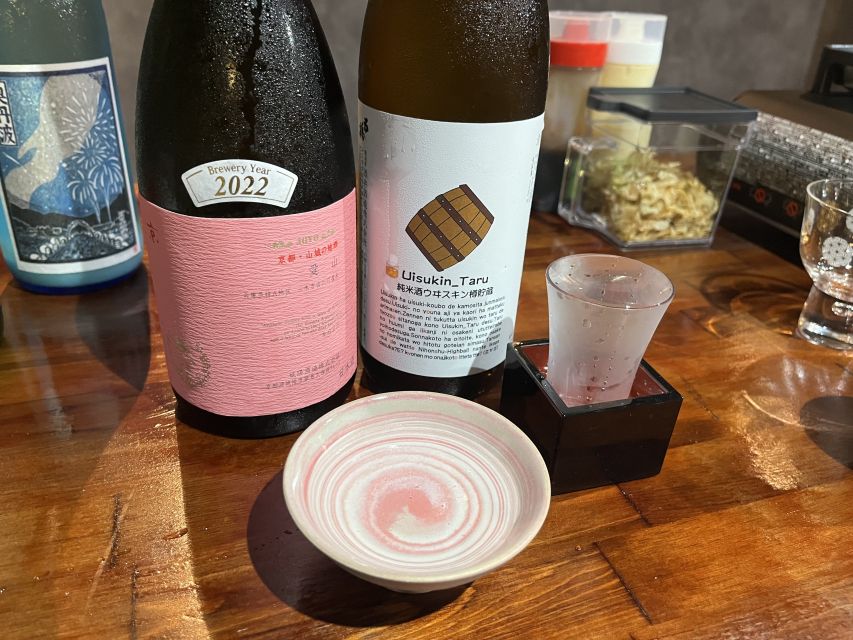
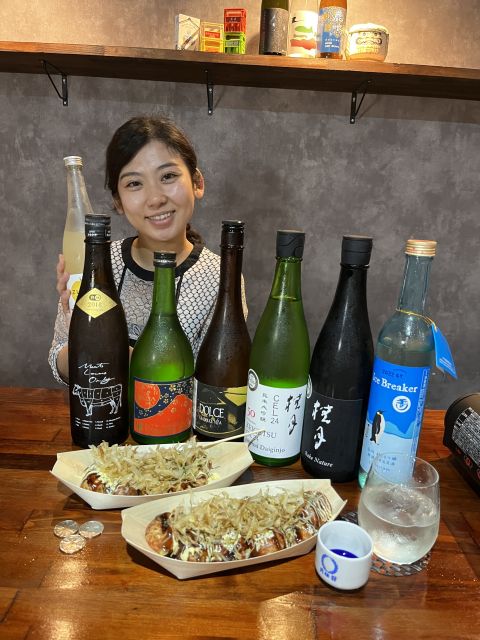
The available menu includes more than 10 types of Japanese sake, with seasonal choices selected by Momo. You do not simply receive an identical flight with no explanation. The tasting is guided, so you can ask about the style, expected flavors, and differences between pours.
Past sessions have included around seven or eight samples, but the exact number and selection can vary. The important point is that you get several generous tastes, not just one token sip.
Momo helps you pick a favorite from the seasonal menu. That personal guidance is especially useful if you already drink wine or spirits and want to understand how your palate relates to sake. You can identify the characteristics you prefer, then use that knowledge during the rest of your Japan trip.
The tasting is also social. The group cooks first, shares the food, and then compares reactions to the sake. You might prefer a light, fragrant style while another participant chooses something fuller or sweeter. There is no need to treat the tasting like a test.
Do remember that the pours can be generous. The activity costs $70 per person, and much of the value comes from the amount of sake and food included, but that also means the alcohol can add up quickly. Drink water along the way and do not schedule a demanding activity immediately afterward.
What the $70 Price Really Covers
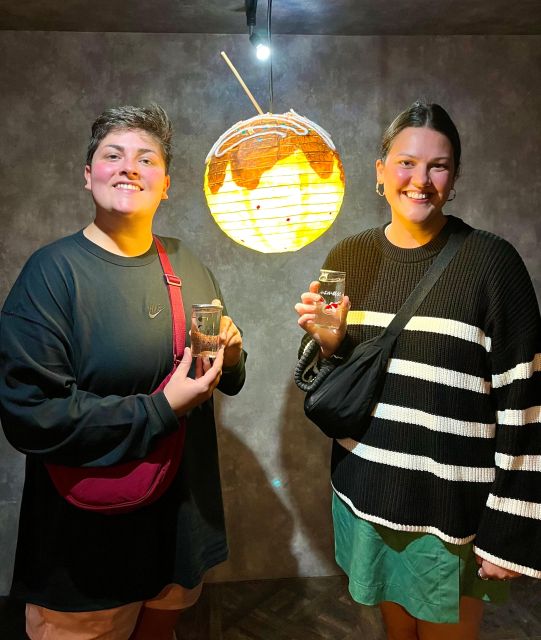
At $70 per person, this is not the cheapest way to eat takoyaki or sample sake in Osaka. You can buy both more cheaply at casual food spots, and you should not book this class if your only aim is a quick snack.
The price makes more sense when you count the full package: two hours, all cooking ingredients, instruction, a broad sake selection, soft drinks, and an English-speaking specialist. You are paying for the setting, the teaching, the food, and the chance to compare sake with someone who can explain what you are tasting.
The group limit improves the value. With no more than six participants, the session is personal enough for questions and adjustments. If your group is small, you may receive near-private attention without paying a private-tour rate.
I would see this as a good value for someone who wants a practical introduction to sake. It is less compelling for someone who does not drink alcohol, though the cooking portion and soft drinks still provide part of the experience.
The booking terms are also useful for flexible itineraries. You can reserve now and pay later, and cancellation is free up to 24 hours in advance for a full refund. Check availability carefully because the two-hour class has set starting times.
Who Will Enjoy This Class Most
This suits first-time visitors who want an activity tied closely to Osaka food culture. It is also a good choice for people who plan to visit sake bars later in Japan and want basic tasting vocabulary before they go.
Couples and small friend groups should find the format comfortable. The class encourages conversation, and the limited group size keeps it from feeling like a large workshop.
It also works for mixed-interest groups. One person may be excited about sake, while another cares more about cooking. The two parts balance each other, and the takoyaki fillings can be adjusted for different tastes.
Families can consider it too, especially when children are happy with soft drinks and hands-on cooking. Ask about dietary needs before booking, even though the class has adapted food for specific requirements in the past.
I would be more cautious if you dislike group cooking, cannot eat the available ingredients, or want a quiet, formal tasting. This is designed to be friendly and interactive, with conversation and a little kitchen chaos.
How to Get the Most From Your Two Hours
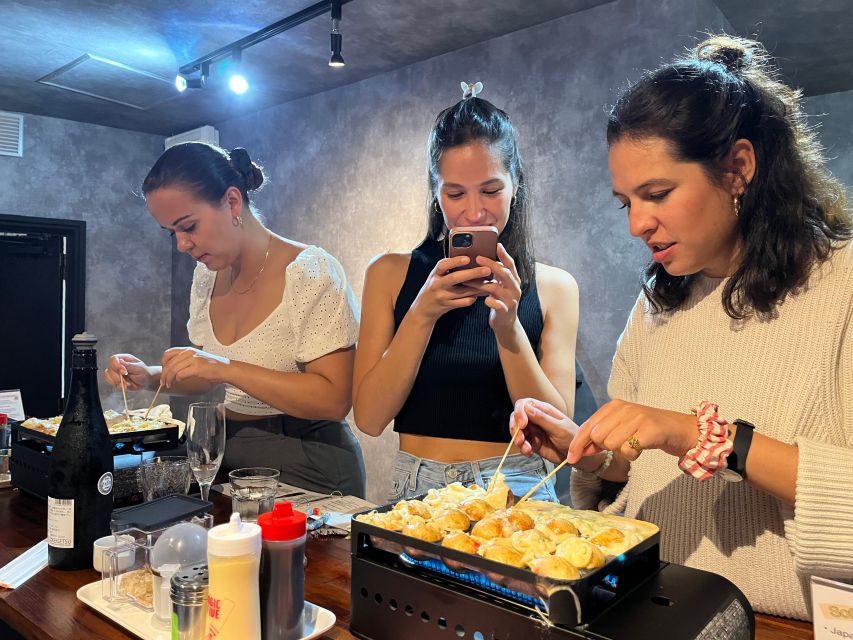
Arrive hungry, but not so hungry that you rush the cooking. The point is to enjoy the preparation as much as the meal.
If you are new to sake, tell Momo what drinks you normally like. Sweet, dry, light, full-bodied, floral, and savory preferences can help her guide your choices.
Ask questions as you go. This is a good setting to ask how to order sake, how to read a label, or how different styles fit with Japanese food.
Take note of the sake you prefer. The seasonal menu can change, so remembering a flavor profile may be more useful than trying to memorize every bottle name.
Finally, plan your evening sensibly. Since the sake tasting follows the food and can include several generous pours, make this your main evening activity or leave plenty of time before another booking.
Should You Book Osaka Sake Tasting with Takoyaki Cooking?
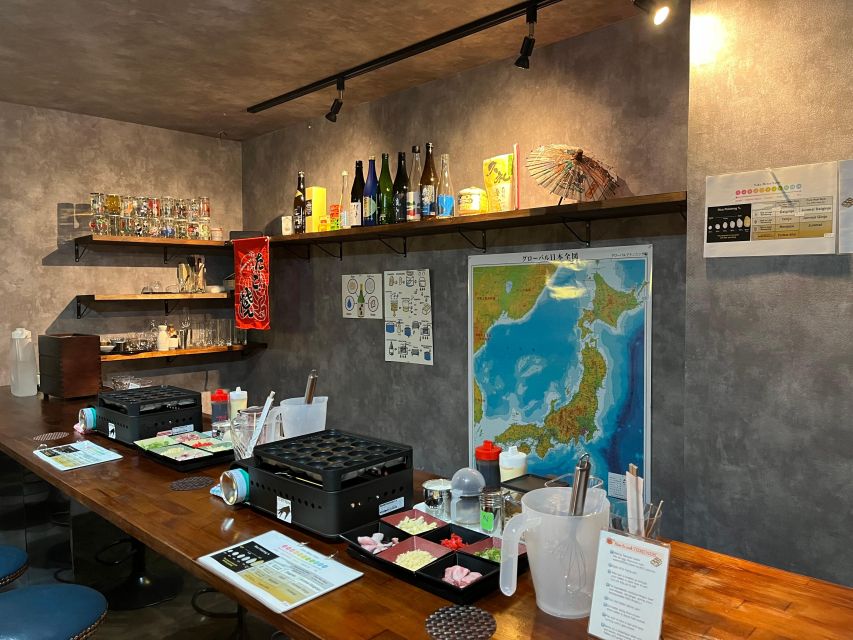
Book it if you want more than a restaurant meal and like the idea of learning a skill while tasting Japanese drinks. Momo’s combination of sake training, brewing experience, English instruction, and warm hosting gives the class a clear purpose.
The best reason to choose it is the balance. You get active cooking, a proper introduction to sake, seasonal choices, and a small group near Namba. You also leave with advice that can help you order more confidently during the rest of your Japan trip.
Skip it if you do not drink and have little interest in sake, or if you prefer to eat takoyaki without taking part in the cooking. For everyone else, especially couples, small groups, and curious food lovers, the $70 price is reasonable for two hours of food, drink, instruction, and local context.
FAQ
How long does the Osaka Sake Tasting with Takoyaki Cooking last?
The experience lasts two hours. Starting times vary, so check availability when choosing your date.
Where does the activity meet?
The meeting point is MOMO to SAKE, located on the second floor of the building in the Osaka Namba area.
How many people can join the class?
The group is limited to six participants. Some sessions may be smaller, depending on bookings.
Who leads the sake tasting?
Momo leads the class. She is an English-speaking sake sommelier and former brewer, and she also speaks Japanese.
How many types of sake are available?
More than 10 types of Japanese sake are available, including seasonal selections chosen by the sake expert. The number you taste may vary by session.
Is food included?
Yes. All cooking ingredients are included, along with instructions for making takoyaki. You eat your handmade takoyaki after cooking.
What takoyaki fillings are available?
The experience includes octopus and additional ingredients such as wagyu beef and cheese. Other fillings mentioned include kimchi and corn.
Are soft drinks included?
Yes. Soft drinks are included alongside the Japanese sake selection.
Can I cancel or pay later?
You can cancel up to 24 hours in advance for a full refund. The reserve-now, pay-later option lets you book without paying on the day of reservation.
More Food & Drink in Osaka
- Osaka: Shinsekai Food Tour with 13-15 Dishes at 5 Eateries
★ 4.8 · 2,204 reviews - Osaka Food Tour: 13 Dishes at 5 Local Eateries
★ 5.0 · 2,149 reviews - Hungry Osaka Street Food Tour:15 Tastings & 3 Drinks with a Local
★ 5.0 · 1,727 reviews - Hungry Osaka Street Food Tour: 15 Dishes & 3 Drinks
★ 4.9 · 694 reviews
More Sake Tastings in Osaka
- Osaka: Cooking Class & Sake Tasting with Local Market Visit
★ 4.8 · 31 reviews - 3.5h Osaka Night guided Local Bar Hopping, Sake & Karaoke
★ 5.0 · 27 reviews - Kyoto Night Foodie Tour in Gion (9+ dishes + 6 Sake tastings)
★ 5.0 · 1,762 reviews - 1-Day Snow Monkeys, Zenko-ji Temple & Sake in Nagano
★ 5.0 · 1,020 reviews
Just added around Osaka
- Exclusive Sushi Making Experience with a Master Chef – Osaka Area★ 5.0 · 25 reviews
- Private Home-Style Cooking Class in Osaka with Local Mom Yoshiko★ 5.0 · 46 reviews
- Hidden Osaka – Yukaku Red Light Tour & Culinary Adventure★ 4.8 · 96 reviews
- Osaka: Walking Tour and Top Highlights★ 4.8 · 104 reviews
- Osaka: Private Ceramic Painting Workshop★ 5.0 · 13 reviews
- Pickleball in Osaka, Kobe & Kyoto with Locals!★ 4.7 · 80 reviews
- Eat Like a Local in Osaka – Private Custom Street Food Tour★ 4.3 · 33 reviews
- Osaka:SUMO BEATS SHOWCASE: Taiko Drum and Wagyu burger!★ 4.2 · 37 reviews
Sake Tasting, compared.
Kyoto Night Foodie Tour in Gion (9+ dishes + 6 Sake tastings)
Our verdict →
1-Day Snow Monkeys, Zenko-ji Temple & Sake in Nagano
Our verdict →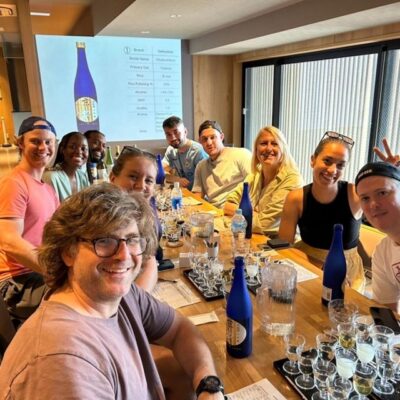
Insider Sake Brewery Tour with Sake and Food Pairing
Our verdict →
Sake Tasting Masterclass in Shinjuku (8+ Varieties with a Pro)
Our verdict →
Browse the lists this tour appears in