
Reviewed · TEA CEREMONY EXPERIENCES
Nara:5 Type of Tea Tasting & Mindful Tea Ceremony
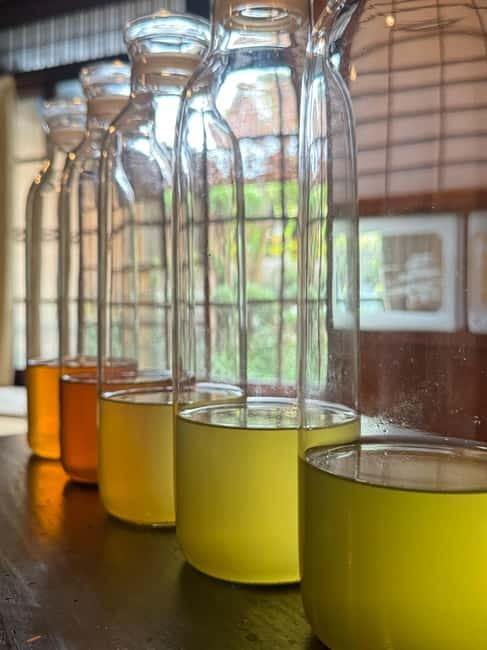
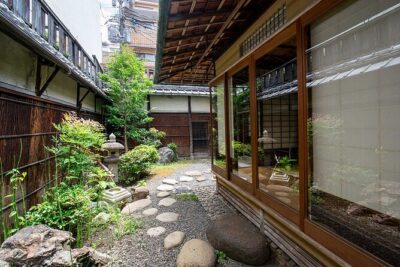
The best part of this Nara experience is its setting: a roughly 120-year-old wooden Japanese house with a small garden, not a staged hall built for a quick photo. You begin with five teas from Nara Prefecture, then choose a favorite for a careful pot-brewed serving before learning how to whisk matcha.
I like the small private group, which gives you real time with the tea master, and I like the mix of tasting and hands-on practice. You are not only watching a ceremony. You are learning how the tools work, trying the movements yourself, and enjoying two kinds of seasonal wagashi.
The main consideration is the pace. This is a quiet cultural session, not a rapid sightseeing stop. You need to reach the house on foot, sit still on the floor for an extended period, and allow the ceremony to unfold without rushing.
Key points at a glance
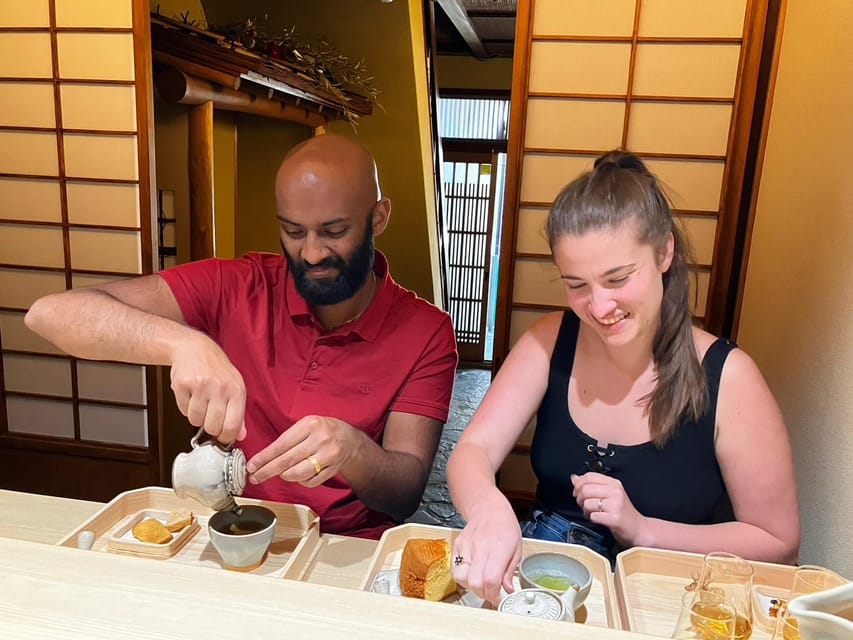
- Five Nara teas in one sitting: Compare matcha, roasted teas, and other Japanese varieties before choosing a favorite.
- A historic wooden tea room: The gathering takes place in a traditional house roughly 120 to 125 years old, overlooking a small garden.
- Personal matcha instruction: You whisk your own tea and receive one-on-one guidance from the tea master.
- Two seasonal Japanese sweets: Wagashi are served with the tea, giving you a classic sweet and bitter pairing.
- A private, English-language session: The experience is limited to a private group and is conducted in English.
- A calm cultural break: At 90 minutes, it gives you time to slow down between Nara’s temples and other sights.
Five teas before the ceremony
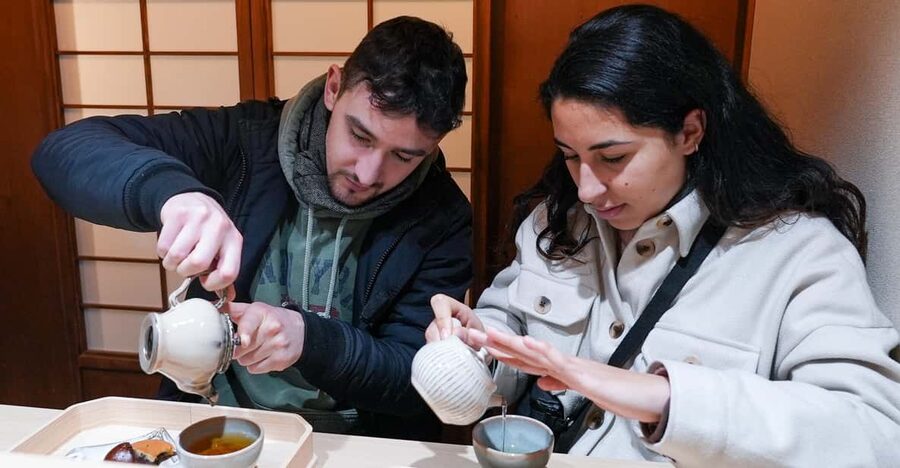
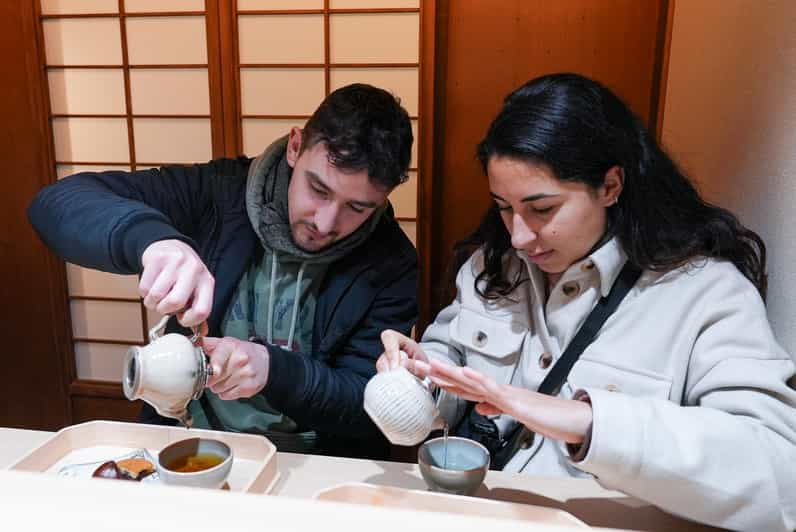
This experience starts as a tasting session, which is a smart choice for anyone who knows only matcha by name. Japanese tea is not one single flavor. You may encounter the grassy aroma of matcha, mellow roasted teas, and other styles with their own levels of sweetness, bitterness, fragrance, and body.
The tea master selects five teas sourced in Nara Prefecture. That local focus matters. Instead of treating tea as a generic Japanese souvenir, the session connects what you drink with the prefecture you are visiting.
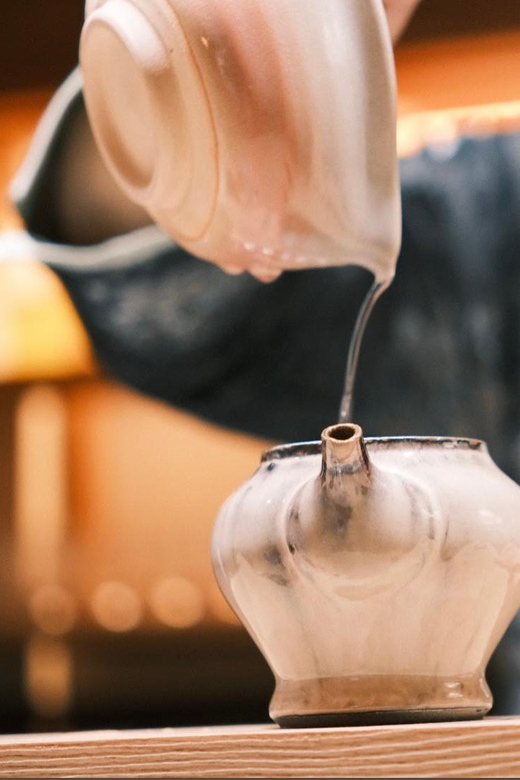
You taste the five varieties side by side, then choose the one you prefer. Your selection is prepared again in a special pot-brewed serving, with the master adjusting each pour to bring out its flavor. That second serving is useful because it lets you judge a tea more carefully after your first taste.
I would pay attention to how each tea changes as it cools. Notice the smell before drinking, then compare the first sip with the finish. You do not need a trained palate. The point is to discover what you actually enjoy, whether that turns out to be matcha, a roasted tea, or something softer and less familiar.
One visitor who normally prefers coffee found the tea delicious, which tells you something useful about the format. You are not required to arrive as a tea enthusiast. The tasting is designed to introduce you to different styles in a friendly way.
More Tea Ceremony Experiences in Nara:
- World Heritage Kyoto & Nara Uji Authentic Matcha Experience
★ 5.0 · 1,573 reviews - Kyoto: Nara & Traditional Matcha Experience Bus Tour
★ 4.9 · 185 reviews - Nara:Authentic Tea Ceremony(Max 5 ppl) -Master Matcha Making
★ 5.0 · 119 reviews
A quiet room in an old Japanese house
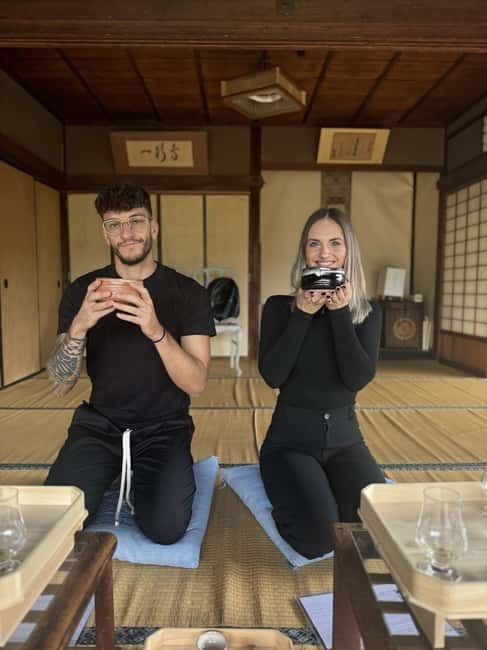
The tea room is in a renovated traditional Japanese house, described as roughly 120 to 125 years old. It overlooks a small garden, and that setting does much of the work. You get a sense of domestic Japanese architecture and hospitality rather than entering a large commercial venue.
The house is one of the experience’s strongest features, but it also sets the tone. This is a place for lowered voices, careful movements, and time spent noticing small details. You may lose track of time, which is pleasant if you have built a flexible day in Nara.
The host Mike has been singled out for his warmth, humor, and personal approach. He also shares practical tips about places to visit in Japan, so you can ask questions beyond tea. This can be especially helpful early in your trip, when you are still working out how to spend your days.
The house also has a connection to the tools themselves. One session included an explanation of the craft of making bamboo tea whisks. That detail gives the ceremony more weight. The whisk is not just an accessory you use for a few minutes. It is a handmade object with its own skill and tradition behind it.
A small group makes this setting work. The experience is private, and the host has welcomed groups of only four people. That means you can ask questions without competing with a crowd, and the tea master can watch how you handle the bowl and whisk.
Learning what the tea ceremony means
After the tasting, the experience shifts from flavor to custom. The tea master explains the history, etiquette, symbols, and tools used in Japanese tea ceremony. You learn why the objects matter and how the sequence of actions creates a calm, ordered moment.
This part is not simply a performance for you to watch. The instruction is personal, and the host guides you through the process in English. If you have seen a tea ceremony before but did not understand what was happening, this explanation should make the gestures easier to read.
The ceremony has a formal side, but the atmosphere is described as friendly rather than stiff. That balance is important. You receive cultural context without needing to know Japanese etiquette in advance.
You should expect deliberate movements. The tea bowl, scoop, whisk, and other tools are handled with care. The order of actions matters, but the point is not to test your memory. Listen to the explanation, follow the guidance, and let the pace remain slow.
The experience works particularly well for people who enjoy learning through objects and actions. You are not just hearing about tea ceremony. You see the tools, learn their purpose, and take part in the process.
Whisking your own matcha
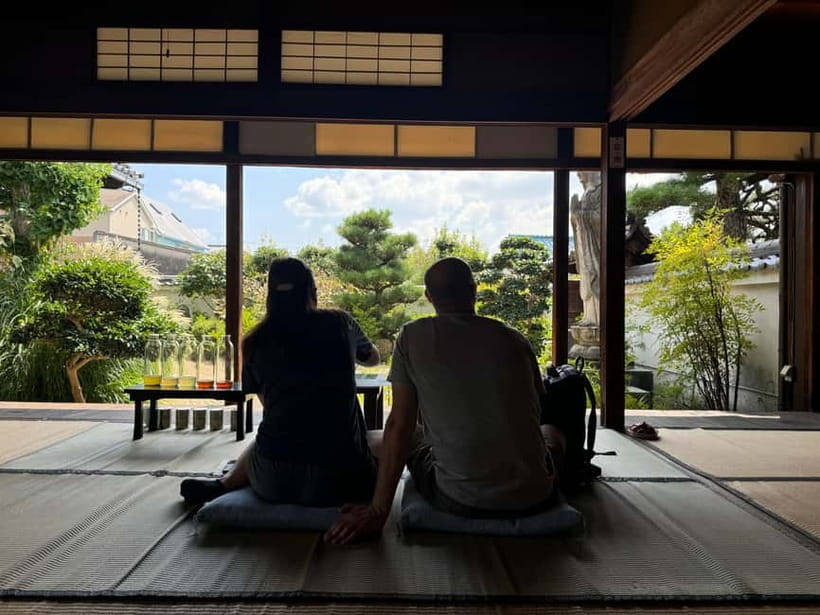
The hands-on matcha lesson is the part that turns the session from a demonstration into an activity. Under the tea master’s direction, you prepare and whisk your own matcha, with personal feedback on your technique.
Matcha has a distinct character. It is aromatic, vivid in color, and often more concentrated than visitors expect. Whisking changes the texture, so the way you move the bamboo whisk matters. The tea master can correct your method and help you produce a smoother cup.
This is also where the small group pays off. In a busy class, you might copy the person next to you and hope for the best. Here, the instructor can focus on your movements and answer questions as you work.
There is a pleasant sense of ceremony in serving the cup you have just prepared. You are not aiming for perfection. The value is in understanding the physical work behind a familiar Japanese drink and noticing how preparation affects the final taste.
One family even had a son serve his mother as part of the experience. That kind of personal participation is possible because the gathering is intimate and guided rather than choreographed for a large audience.
More Food & Drink in Nara:
- Tokyo: Shinjuku Food Tour (13 Dishes at 4 Local Eateries)
★ 5.0 · 6,603 reviews - Tokyo Tsukiji Fish Market Food and Culture Walking Tour
★ 5.0 · 3,184 reviews - Osaka: Shinsekai Food Tour with 13-15 Dishes at 5 Eateries
★ 4.8 · 2,204 reviews - Osaka Food Tour: 13 Dishes at 5 Local Eateries
★ 5.0 · 2,149 reviews
Wagashi with the tea
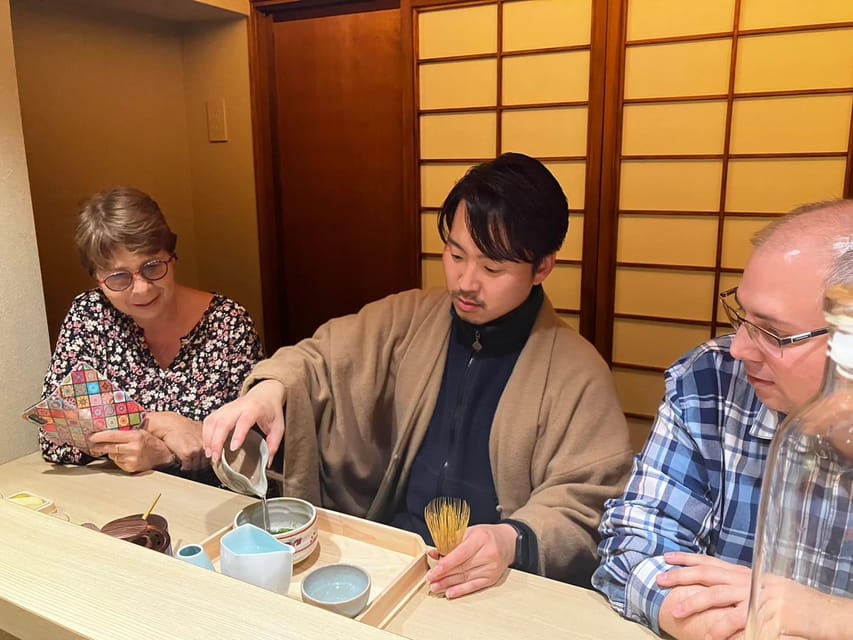
The experience includes two kinds of traditional Japanese sweets, including seasonal wagashi. These sweets are more than a small dessert added at the end. Their delicate sweetness is meant to work with the flavor of tea, especially the bitterness of matcha.
Wagashi can also reflect the season through shape, color, or ingredients. The exact sweets are not specified in advance, so you should treat this as part of the day’s changing character rather than expect a particular item.
Take a bite before the tea, then another after it. The contrast helps you understand why sweets are part of the ceremony. The sugar prepares your palate for the tea’s sharper notes, while the tea keeps the sweetness from becoming heavy.
The tasting may also include sake in some sessions, according to one family’s account, but sake is not listed among the included items. Do not book this expecting a sake tasting. The confirmed inclusions are five Japanese teas and two kinds of Japanese sweets.
How long the 90 minutes feels
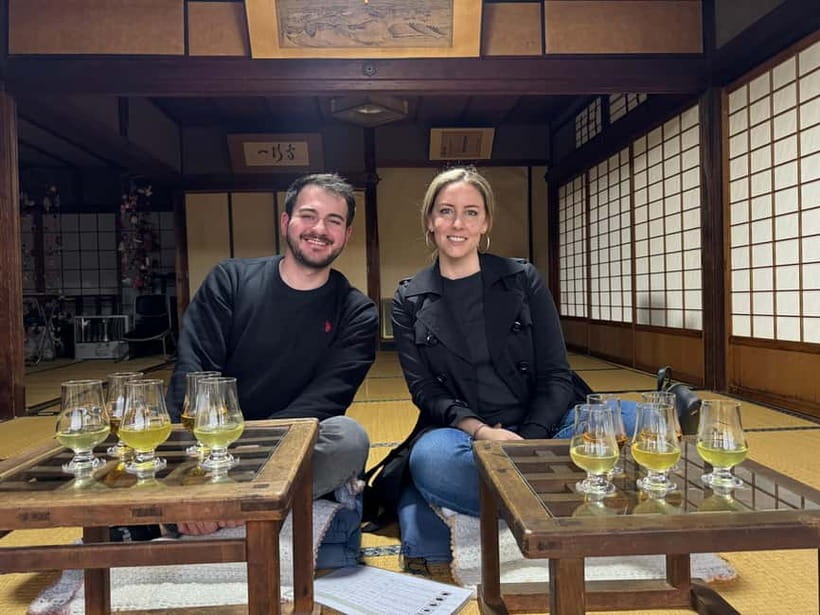
The listed duration is 90 minutes. That is enough time for a proper tasting, explanation, matcha practice, and sweets without taking up an entire day of sightseeing.
Still, the session is intentionally unhurried. One account advises allowing about two hours for walking to the house, sitting on the floor, and letting the ceremony take its course. The formal duration is 90 minutes, but you should not schedule a temple visit immediately afterward with no breathing room.
This is especially important in Nara, where you may already be covering a lot of ground on foot. Build in time to arrive calmly and to leave without checking your watch during the final tea.
You also need to be comfortable sitting on the floor for an extended period. The experience is listed as wheelchair accessible, but the traditional tea-room format may still involve floor seating. If that could be difficult for you, ask about the seating arrangement before booking.
The activity is not suitable for children under 12. Pregnant women are also listed as unsuitable participants. These restrictions are clear, so plan a different activity for younger children or anyone who should avoid this format.
Is $61 a fair price?
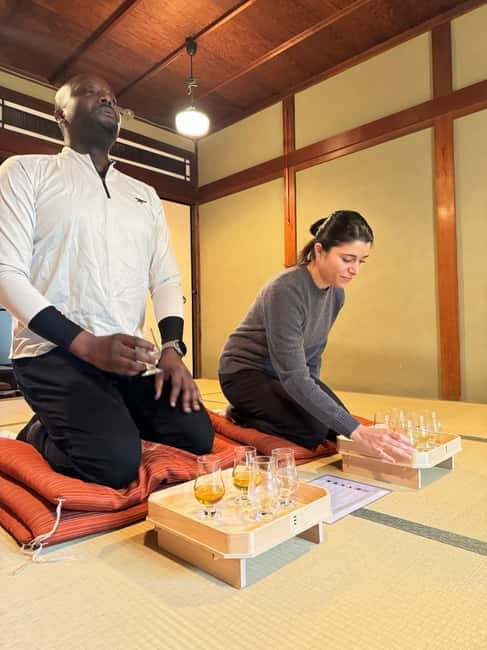
At $61 per person, this is not the cheapest way to drink tea in Japan. You could buy a cup of tea and a sweet for much less. The value here comes from the private instruction, the five-tea comparison, the historic home, and the cultural explanation.
You are paying for about 90 minutes of direct access to a tea master, not just for the beverages. The tasting gives you a chance to identify a tea you like, while the ceremony explains why preparation, tools, and etiquette matter.
I think the price makes the most sense if you would otherwise book a large group cultural demonstration. Here, the private format gives you room to ask questions and practice the matcha technique. It also makes the experience suitable for a family or small party that wants to share one focused activity.
The value is weaker if you dislike quiet, formal settings or only want a quick taste of matcha. You may also find it less appealing if sitting on the floor is uncomfortable. This is a specialist cultural experience, not a general sightseeing tour.
Who will enjoy this most
I would choose this for tea drinkers, curious first-time visitors to Japan, and anyone who wants a slower cultural activity in Nara. It also suits people who like meeting local hosts and asking for practical advice about the area.
You do not need prior knowledge. The English-language instruction is designed to take you through the process, and the private format should make it easy to ask basic questions.
The experience can work well for families with teenagers. A teenager described the ceremony as a highlight of the trip, and the chance to prepare or serve tea gives younger participants a clear role. Children under 12 cannot join, however.
It is less suitable for anyone who wants a lively group outing, a fast schedule, or a theatrical show. The appeal is quiet concentration, personal instruction, and a genuine household setting.
Planning your visit
Set aside enough time to reach the house on foot. The exact meeting details are not included here, so check the booking information carefully before setting out.
Wear something comfortable for sitting still. The traditional setting may call for calm, careful movements, and you will want to keep your attention on the tea rather than on an awkward position.
The activity is conducted in English and offered as a private group. Starting times vary, so check availability for the date you want.
You can cancel up to 24 hours in advance for a full refund, and the reserve-now, pay-later option lets you keep your plans flexible. Those terms are helpful if your Nara schedule depends on weather or changes to a larger Japan itinerary.
The experience has a rating of 5 from 28 reviews, with especially strong praise for the calm atmosphere, friendly hosting, old wooden house, garden view, tea instruction, and personal ceremony. The most useful practical point is not the perfect score, though. It is the repeated impression that this is quiet, authentic, and unhurried.
Should you book the Kurabi tea experience?
Book it if you want more than a cup of tea and you are willing to slow down. The five-tea tasting gives you variety, the matcha practice gives you something to do, and the ceremony provides cultural context in a small traditional house.
I would make room for it during a Nara visit if you enjoy local crafts, Japanese food customs, and conversations with hosts such as Mike. It is particularly good for a small private party, tea beginner, or teenager who wants a hands-on cultural activity.
Skip it if you need a short stop between major sights, cannot sit on the floor comfortably, or prefer a large, theatrical presentation. For everyone else, $61 buys a thoughtful and personal encounter with Japanese tea, not just a pretty bowl of matcha.
FAQ
How long does the tea experience last?
The scheduled duration is 90 minutes. The session is calm and unhurried, so allow extra time around it rather than planning a tight connection with another activity.
How many types of tea will I taste?
You will taste five kinds of Japanese tea selected by the tea master and sourced in Nara Prefecture.
Can I choose a favorite tea?
Yes. After tasting the five varieties, you choose your favorite, and it is prepared in a special pot-brewed serving.
Will I make my own matcha?
Yes. The tea master guides you as you whisk your own matcha and provides personalized feedback.
Are Japanese sweets included?
Yes. The experience includes two kinds of Japanese sweets, including seasonal wagashi.
Is the activity conducted in English?
Yes. The instructor language is English.
Who cannot take part?
The experience is not suitable for children under 12 or pregnant women. It is listed as wheelchair accessible, but you should check the seating arrangement if sitting on the floor may be difficult.
Just added around Nara
- Private Kyoto Tour by Car with Optional Nara or Osaka Add-Ons★ 5.0 · 36 reviews
- Kyoto, Osaka, Nara Private Tour by Car English Driver Guide★ 4.0 · 63 reviews
- Nara Todaiji Kasuga Taisha Private Full Day Tour From Kyoto★ 5.0 · 13 reviews
- From Kyoto: Nara History Guided Half Day Bus Tour with lunch★ 5.0 · 23 reviews
- Nara 8hr Private Tour – Kyoto DEP. with Licensed Guide★ 5.0 · 115 reviews
- Arashiyama & Nara Highlights: One-Day Private Tour Adventure★ 5.0 · 16 reviews
- Kyoto Private Car Tour – Full Day with Local Guide & Nara Option★ 5.0 · 169 reviews
- Kyoto & Nara Private Tour from Osaka Kyoto Hotel Pick-up★ 4.5 · 32 reviews
Tea Ceremony Experiences, compared.

Tea Ceremony in a Traditional Tea House in Kiyomizu
Our verdict →
World Heritage Kyoto & Nara Uji Authentic Matcha Experience
Our verdict →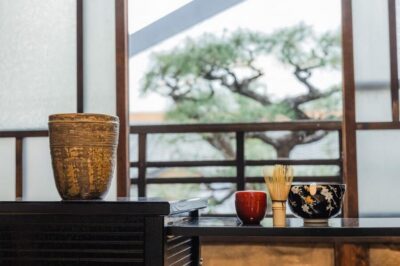

Arashiyama Bamboo Forest, Monkeys, Matcha & Temple Tour
Our verdict →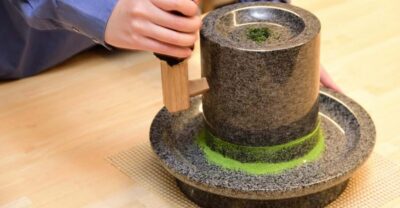
Browse the lists this tour appears in