
Reviewed · MUSEUMS
Nagoya: Toyota Commemorative Museum Guided Tour
Toyota’s story begins with a loom, not a car. At Nagoya’s Toyota Commemorative Museum, you watch the G-type automatic loom and other historic machines operate, then follow the company into pressing, welding, assembly, and vehicle production. It is a useful reminder that Toyota’s famous production culture grew from textile engineering.
I like the working demonstrations, which turn old machinery into something you can hear and understand. I also like the clear local connection: Toyota’s rise is tied closely to Nagoya and Aichi, not just to a distant corporate headquarters. The main drawback is time. The 90-minute tour gives you the essentials, but the 3-hour version is better if you want to see the machines properly and ask questions.
Key points
- See the G-type automatic loom in operation, the machine linked to Sakichi Toyoda’s first major industrial success.
- Trace Toyota’s move from textiles to automobiles through live machinery and historical displays.
- View the Toyoda Model AA, Toyota’s first passenger car, along with other important vehicles.
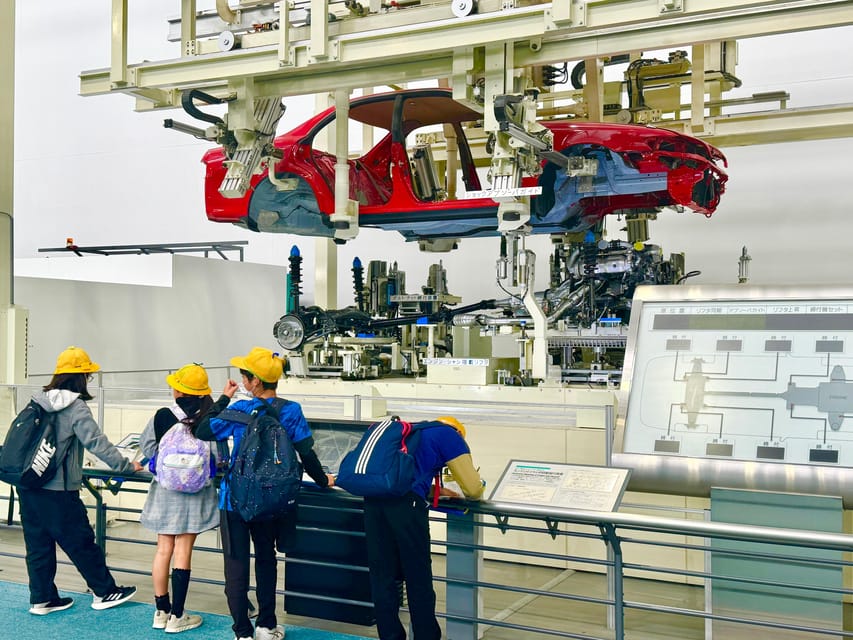
- Watch car production processes including pressing, welding, and assembly.
- Learn from an English-speaking guide, with private and small-group formats available.
- Visit a preserved red-brick factory, an atmospheric setting for the museum’s industrial story.
Start with the loom, not the automobile
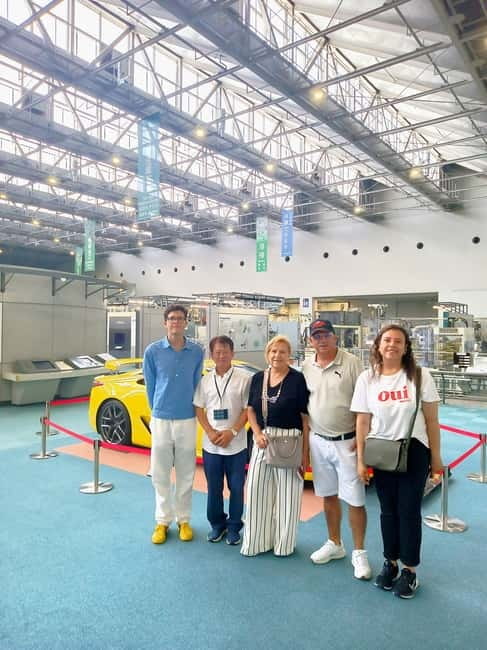
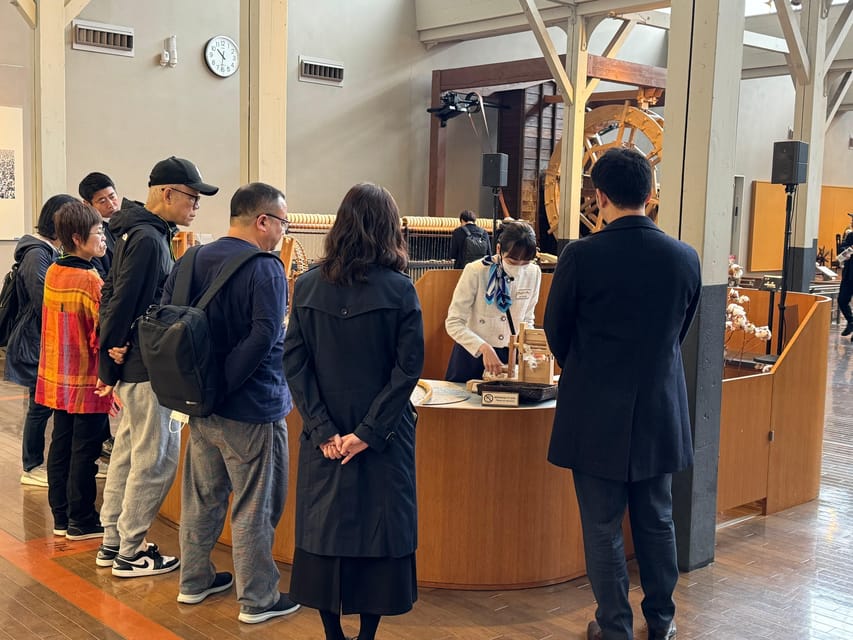
The best way to understand Toyota is to begin before Toyota made cars. The museum’s Textile Machinery Pavilion explains how Sakichi Toyoda’s inventions improved textile production, and the G-type automatic loom is the star of this first section.
You do not simply look at a silent machine behind glass. Historic looms operate during the tour, with skilled staff explaining how they work and why they mattered. The movement, noise, and speed make the technology easier to grasp than a wall of dates ever could.
The loom also gives the tour a useful human scale. Toyota did not begin as a worldwide car company. It grew from a Japanese textile business that solved practical problems in manufacturing. Sakichi Toyoda’s automatic loom stopped when a thread broke, reducing waste and helping operators work more efficiently. The museum uses this early machinery to show the roots of ideas that later shaped Toyota’s industrial methods.
I find this section especially valuable if you are not a car enthusiast. You can appreciate invention, labor, and industrial change without knowing much about engines. If you have children with you, the moving machinery should also hold attention better than static displays, though the tour is still built around explanation rather than entertainment alone.
More Museum Tours in Nagoya:
- Seki: Samurai Knife Making Experience at the Knife Museum
★ 5.0 · 61 reviews - Tokyo: teamLab Planets TOKYO Digital Art Museum Entry Ticket
★ 4.6 · 9,779 reviews - Osaka Castle: Museum and Tower Entry Ticket
★ 4.5 · 2,380 reviews
The red-brick factory sets the mood
The museum occupies a beautifully preserved red-brick factory building. That setting matters. You are not walking through a modern corporate showroom designed to make every surface gleam. The building gives the museum a sense of place and connects the exhibits to Nagoya’s industrial past.
As you move through the museum, the factory structure helps the story feel grounded. Machines, tools, vehicles, and production displays sit inside a building that once had a working industrial purpose. I like that connection because Toyota’s development is presented as a process of making things, not just as a parade of successful products.
The atmosphere is also one reason to choose this museum over a standard automobile display. Cars receive plenty of attention, but the museum explains the people, machinery, and production methods behind them. You come away with a better understanding of how a company changes direction while keeping some of its original engineering habits.
Follow Toyota into car production
The second major section is the Automotive Pavilion. Here, the story shifts from thread and fabric to steel, engines, bodywork, and full vehicles. The transition is the central point of the museum: Toyota applied industrial experience from textiles to a new field and gradually became a major automobile manufacturer.
You will see displays covering pressing, welding, and assembly. These are not treated as vague steps in a factory tour. Operational machinery and demonstrations show how separate parts become a finished automobile. Skilled operators bring equipment to life and explain how key components were developed and made.
The pressing displays help you understand how flat sheets of metal become shaped body panels. Welding shows how those pieces are joined. Assembly brings the process closer to the finished car. The sequence is easy to follow, and it gives you a practical sense of the precision required before a vehicle ever reaches a road.
I appreciate the order of the presentation. Instead of showing a polished vehicle without context, the museum lets you see the industrial work behind it. You learn why production requires repeatable processes, careful timing, and machinery built for accuracy. That makes the museum useful for engineers and manufacturing fans, but it also works for anyone curious about how familiar objects are produced.
Meet the Toyoda Model AA

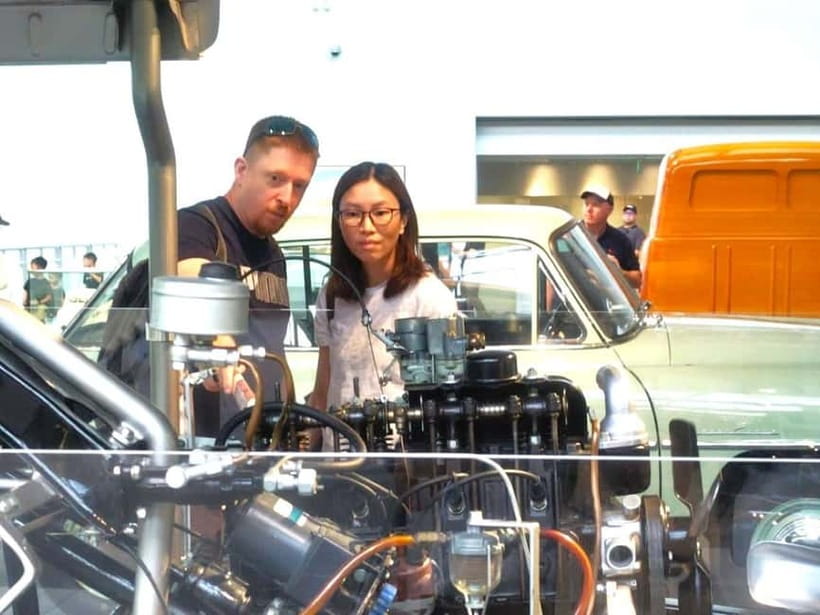
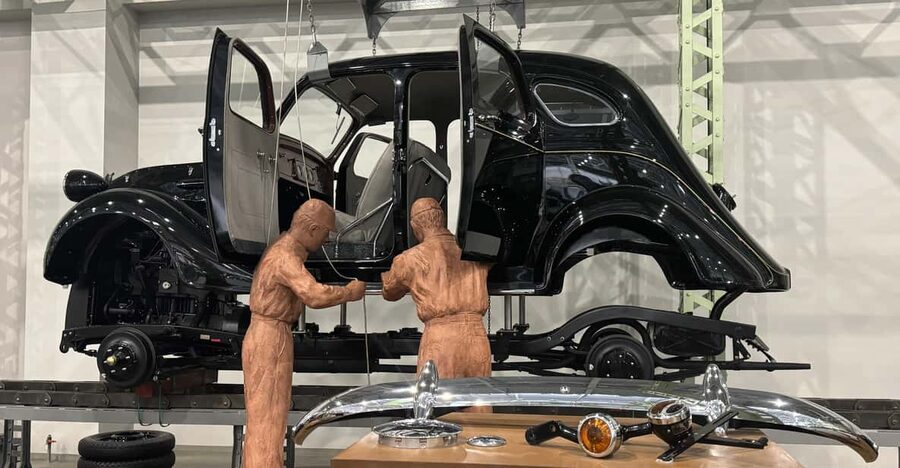
The Toyoda Model AA is one of the key objects in the Automotive Pavilion. It represents Toyota’s first passenger car and marks the point when the company’s automobile ambitions became visible in finished form.
Seeing the Model AA after the textile machinery gives it more meaning. The car is not an isolated artifact. It is the result of a company learning a new industry, adapting its tools, and building on earlier experience. You can look at the vehicle as a historic design, but you can also read it as evidence of a major business shift.
The museum includes other important vehicles and milestones as well. The exact amount of time you have for each depends on the tour option and your pace. The 90-minute route is enough to understand the company’s basic progression, but the longer three-hour option gives you more room to stop at vehicles, watch demonstrations, and listen to explanations.
If cars are your main reason for visiting, choose the longer course if the schedule allows. The museum is not simply a room of famous models, so rushing through it can leave you with less than you expected. The strongest experience comes from linking the vehicles to the machinery and production methods around them.
A few more Nagoya half-days worth comparing
- Ghibli Park 1-Day Bus Tour from Nagoya
★ 4.5 · 277 reviews - Hiking the Historic Nakasendo Trail [1 Day Tour from Nagoya]
★ 5.0 · 104 reviews - Nagoya Highlight Tour guided by a friendly local
★ 5.0 · 86 reviews - Nagoya: Japanese Traditional Sweets making and Tea Ceremony
★ 4.9 · 76 reviews
Why a guide adds real value
You can visit the museum without a guide, but an English-speaking guide changes the way the displays connect. Toyota’s history covers textile machinery, industrial invention, automobile production, local economics, and environmental technology. Without help, it is possible to see many impressive objects without understanding the larger sequence.
The guide explains what you are watching as the machines operate. That is important because factory equipment can look confusing at first. A demonstration becomes far more useful when you know what the machine is doing, what problem it solved, and how it fits into Toyota’s development.
The tour is available as a private or small-group experience. That format may suit you if you want to ask questions or keep a steady pace. It also avoids the feeling of being lost in a large crowd, though group size and exact arrangements depend on the booking option you choose.
Kono has received particular praise for explaining Toyota’s importance to Nagoya, Aichi Prefecture, and Japan. That local context is worth seeking from your guide. Toyota is not only an international car brand here. Its growth has shaped the region’s identity and economy, and the museum helps connect the company’s inventions to that wider setting.
The guide’s role is explanatory rather than theatrical. If you want a fast, self-directed museum visit, the 90-minute format may be enough. If you enjoy asking why a machine was designed a certain way or how one manufacturing step led to another, the longer guided option offers better value.
How much time should you allow?
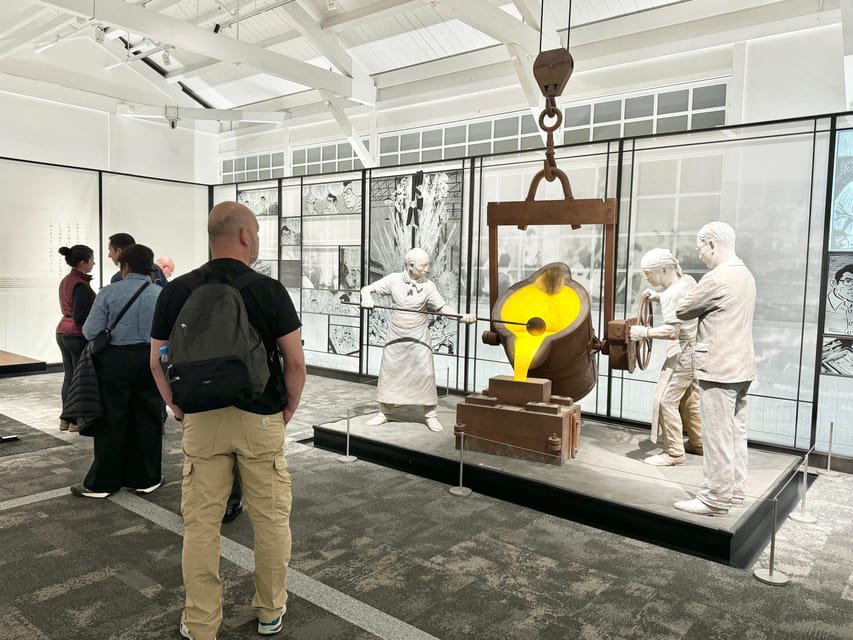
There are two practical choices: a 90-minute guided course and a three-hour in-depth course. Plan at least the full stated time. The museum contains enough machinery and historical material that a quick arrival just before the start will not give you much breathing room.
Choose 90 minutes if:
- You have limited time in Nagoya.
- You want the main story from loom to automobile.
- You prefer a focused introduction before exploring other parts of the city.
- You are interested in both pavilions but do not need extended discussion.
Choose three hours if:
- Toyota, engineering, or manufacturing is a main interest.
- You want time for working demonstrations and detailed explanations.
- You plan to study the vehicles and production stages closely.
- You are comfortable spending a substantial part of your day indoors.
The longer course costs more in time, not just money. That is worth considering in Nagoya, where you may also want time for food, shopping, castles, or other museums. Still, the three-hour option is the better match for serious industrial history enthusiasts.
Is the $77 price fair?
At about $77 per person, this is not a casual, low-cost museum stop. The value depends on how much you want from the visit. Admission to the museum and access to both the Textile Machinery Pavilion and Automotive Pavilion are included, but food, drinks, and transportation are not.
For a person who only wants to see Toyota cars, the price may feel high. A self-guided museum visit could make more sense if your interest is limited to vehicle design. This experience earns its price through the guide, the live demonstrations, and the connected story from textile machinery to automobile production.
The private or small-group format also matters. You are paying for a more directed visit rather than simply entering a building and wandering. If you enjoy technical explanations, the price is easier to justify. If you prefer to skim displays at your own speed, the guided format may feel more structured than you need.
I would especially consider the tour for a couple, family, or small group sharing an interest in Japanese industry. The local context and English explanations make the museum easier to understand, and the guide can help you notice details you might otherwise pass by.
Getting there and meeting the guide
You meet next to the ticket counter inside the Toyota Commemorative Museum of Industry and Technology. Look for a guide holding a yellow sign with the DeepExperience logo.
Transportation to and from the museum is not included, so you need to arrange your own route to the building. Allow enough time to arrive inside the museum before the scheduled start. The meeting point is not at a Toyota facility elsewhere in the region.
This detail is important because Nagoya has several Toyota-related attractions. This tour is for the Toyota Commemorative Museum of Industry and Technology in Nagoya city. It is not a visit to the Toyota Kaikan Museum in Toyota City or the Toyota Automobile Museum in Nagakute City.
Check the opening schedule before booking. The museum is closed on Mondays, or on the following day when Monday is a national holiday. Photography is allowed, but flash photography is prohibited in certain areas. Bring comfortable shoes, water, and a camera if you want to record the displays.
Toyota’s future: hybrids and hydrogen
The museum does not stop with Toyota’s early machinery or first cars. The story continues into hybrid and hydrogen fuel cell vehicles, giving you a sense of how the company has responded to environmental concerns and changing technology.
These displays are useful because they prevent the museum from becoming only a look backward. Toyota’s identity is tied to manufacturing discipline, but the company has also had to address fuel use, emissions, and new energy systems. The museum presents that continuing shift as part of the same long process of technical problem-solving.
Do not expect this section to turn the visit into a full environmental policy course. Its role is to show another stage in Toyota’s development. You can connect the early effort to reduce waste in textile production with later attempts to improve vehicle efficiency, while keeping in mind that the museum’s main focus is industrial and technological history.
Who will enjoy this museum most?
I would recommend the experience to anyone interested in Japanese industry, automobile history, engineering, or the growth of Nagoya. It also suits visitors who want a clear story rather than a collection of disconnected objects.
Families can find plenty to watch because the machines operate, but the content is still fairly technical. Younger children may enjoy the movement without following every explanation. Older children and teenagers who like cars, machines, or inventions should get more from the visit.
The tour may also appeal to business and manufacturing professionals. Toyota’s shift from textile machinery to automobile production offers a useful case study in adaptation, process design, and industrial growth.
It is less suitable if you have mobility limitations. The experience is not recommended for people with mobility impairments or wheelchair users. Since the tour involves moving through two pavilions and standing near operating machinery, comfortable shoes are sensible for everyone.
Small details that improve the visit
Bring a camera, but be ready to turn off the flash in restricted areas. Photographs can help you remember the machines and vehicles, though the demonstrations are best understood while you watch and listen.
Leave room for souvenirs. The museum shop carries items connected to Toyota’s history and technology, including products suited to enthusiasts and collectors. These are more distinctive than ordinary brand merchandise because they relate to the company’s industrial story.
Keep your schedule flexible if possible. The experience offers free cancellation up to 24 hours in advance for a full refund, and you can reserve now and pay later. Those policies are useful if your Nagoya plans are still shifting, but the museum’s Monday closure still needs to guide your planning.
Should you book the Toyota museum tour?
Book it if you want more than a quick look at Toyota cars. The strongest parts are the working looms, the step-by-step production displays, the Toyoda Model AA, and the explanation of how a textile company became a global automobile force.
Choose the 90-minute course for a focused introduction. Choose three hours if the company’s technology and manufacturing story genuinely interest you. At $77, it is best viewed as a guided industrial-history experience, not simply museum admission.
I would skip it if you have no interest in machinery, production, or Toyota’s place in Nagoya. But if you want to understand the company behind the badge, this is one of the more useful ways to do it. Start with the loom, pay attention to the operators, and let the cars arrive as the result of the story rather than its only subject.
FAQ
Where does the Toyota museum tour take place?
It takes place at the Toyota Commemorative Museum of Industry and Technology in Nagoya city, on Honshu.
Is this the Toyota Kaikan Museum?
No. This experience is not a visit to the Toyota Kaikan Museum in Toyota City or the Toyota Automobile Museum in Nagakute City.
Where is the meeting point?
Meet next to the ticket counter inside the Toyota Commemorative Museum of Industry and Technology. The guide will hold a yellow sign with the DeepExperience logo.
How long does the tour last?
You can choose a 90-minute guided course or a three-hour in-depth course. Check availability for starting times and select the longer option if you want more time with the demonstrations and displays.
What language is the tour conducted in?
The live tour guide service is provided in English.
Is admission included?
Yes. Admission to the Toyota Commemorative Museum of Industry and Technology and access to both the Textile Machinery Pavilion and Automotive Pavilion are included. Food, drinks, and transportation are not included.
Is the museum open every day?
The museum is closed on Mondays. When Monday is a national holiday, it is closed on the following day instead. Photography is allowed, but flash photography is prohibited in certain areas.
Just added around Nagoya
- Kimono Rental and Tea Ceremony Experience in Inuyama★ 5.0 · 15 reviews
- Gifu Samurai Sword Town;Japanese Damascus Knife Making Experience★ 5.0 · 27 reviews
- Magome & Tsumago Nakasendo Full-Day Private Trip with Government-Licensed Guide★ 5.0 · 20 reviews
- Knife Making Experience in Samurai Sword Town★ 5.0 · 29 reviews
- Nagoya Private Custom Tour with Local Guide★ 5.0 · 15 reviews
- Nagoya: Traditional Japanese Sweets-Making Workshop★ 4.6 · 14 reviews
- Nagoya: Customized Private Tour★ 4.6 · 15 reviews
- From Nagoya: Inuyama Castle, Ena Gorge, Magome, Tsumago Tour★ 4.4 · 18 reviews
Museums, compared.

teamLab Planets TOKYO Digital Art Museum Entry Ticket
Our verdict →
Kamigata Ukiyoe Museum:Ukiyo-e Woodblock Printing Experience
Our verdict →
Mt. Fuji, Owakudani, Hakone Shrine, & Open-Air Museum
Our verdict →Browse the lists this tour appears in