
Reviewed · RAMEN & NOODLE TOURS
Popular in SapporoExperience authentic hand-made soba at a real soba shop!
You do not just watch a chef make soba here. You mix the buckwheat flour, work the dough, stretch it thin, and cut it with a real kitchen knife before sitting down to eat what you made. That direct connection between craft and meal is the best reason to book this private soba-making experience.
I especially like the clear, visual teaching style and the chance to work inside a real soba restaurant rather than a staged tourist kitchen. Chef Taku is patient with beginners and children, and the fresh noodles can be paired with tempura or duck soup for an extra charge. The main drawback is timing: the hands-on work lasts about 30 minutes, but the full visit takes roughly 1 hour and 15 minutes, and arriving late can mean losing the booking.
Key points at a glance
- Make every part of the noodles: Mix buckwheat flour, knead and stretch the dough, then cut it yourself.
- Learn in a working restaurant: The shop has operated in Sapporo for more than 10 years and uses the tools and flour used for its normal soba service.
- Chef-led and private: Only your group takes part, with patient guidance from an active soba chef.
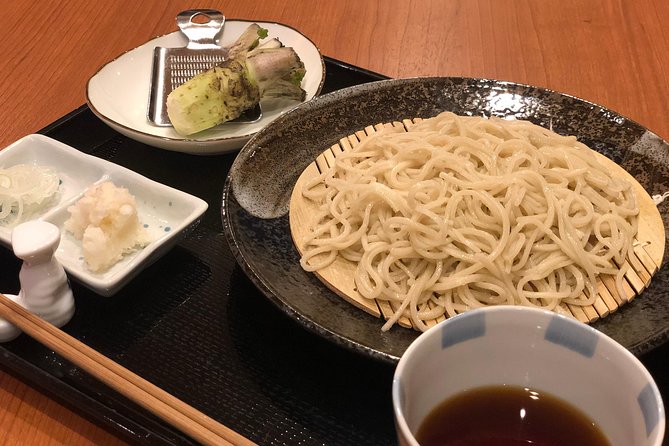
- Eat what you make: Your noodles are cooked and served after the practical session, with tempura and duck soup available at extra cost.
- Easy subway access: The shop is about a 3 to 5 minute walk from Miyazawa Station on Sapporo’s Tozai Line.
- Best for hands-on learners: English explanations are concise and backed by visual demonstrations, not long lectures.
Why making soba changes the meal
Soba looks simple on the plate, but the process is not. Buckwheat dough behaves differently from wheat dough, and getting the right texture depends on mixing, pressure, stretching, and careful cutting. Even a short session gives you a better sense of why handmade soba is treated as a craft in Japan.
The class follows the full basic process. You start by mixing buckwheat flour and water. Then you knead the mixture, stretch the dough into a broad sheet, and cut it into narrow strands with a kitchen knife. Finally, the shop cooks your noodles so you can eat them immediately.
That last step matters. You are not taking home a souvenir or tasting a sample prepared in advance. You sit down with the soba produced by your own hands. The noodles may not look perfectly uniform, but that is part of the fun, and the meal gives the activity a clear purpose.
Hokkaido is Japan’s leading soba-producing region. Its cold climate, clean water, and mineral-rich soil support buckwheat farming, and local soba is valued for its flavor and firm bite. This experience gives you a practical introduction to that food tradition without asking you to spend half a day in a formal cooking school.
More Ramen Tours in Sapporo:
- Mondo’s most popular plan! Experience making soba noodles and the king of Japanese cuisine, tempura, in Sapporo!
★ 5.0 · 71 reviews - Ramen Cooking Class at Ramen Factory in Kyoto
★ 5.0 · 1,937 reviews - Eat and Drink Like a Local: Tokyo Ueno Food Tour-Taverns&Ramen
★ 5.0 · 957 reviews
Inside the Sapporo soba shop
The setting is a real handmade soba restaurant in Sapporo, not a classroom built only for tourists. The shop has been operating for more than 10 years, and the person teaching you is an active soba chef. That gives the session a useful sense of place. You are learning in the same kind of environment where soba is prepared and served during regular business.
Chef Taku’s teaching style is a good fit if you prefer doing to listening. The English explanation is kept simple, and visual demonstrations fill in the gaps. You do not need advanced cooking skills or a detailed understanding of Japanese cuisine to follow the steps.
The instruction is careful without turning the activity into a performance. You are allowed to make small mistakes, then correct them with help. That approach works particularly well for families. Children can take part, although very young children under two years old may only visit and are not charged.
The experience is private, so only your own group participates. That makes it easier to work at a comfortable pace and ask for help. It also suits couples, families, and small groups that want a shared activity rather than a public demonstration.
The four stages of making soba
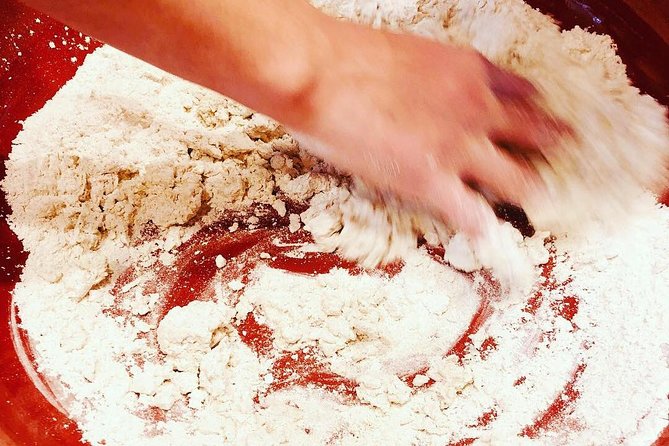
1. Mixing buckwheat flour
The first task is combining buckwheat flour and water. This sounds easy, but the texture changes quickly, so the chef guides you through the process rather than leaving you to guess.
You get a feel for the flour at this stage. Soba dough needs care, and the early mixing affects everything that follows. The visual demonstrations are useful here because the right consistency can be easier to understand by sight and touch than through an English explanation.
A few more Sapporo half-days worth comparing
- Sapporo Bar Hopping Food Tour
★ 5.0 · 232 reviews - Sapporo Private Tour with a Local – Highlights & Hidden Gems
★ 5.0 · 91 reviews - Sapporo: Sumo Show Experience with Japanese food & Photo
★ 4.9 · 81 reviews - 【Private Car】Asahiyama Zoo, Blue Pond, Shirahige Falls, Ningle Terrace (from Sapporo)
★ 5.0 · 60 reviews
2. Stretching the dough
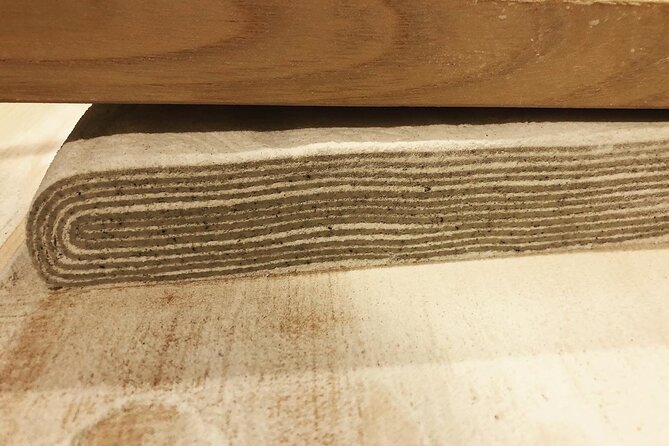
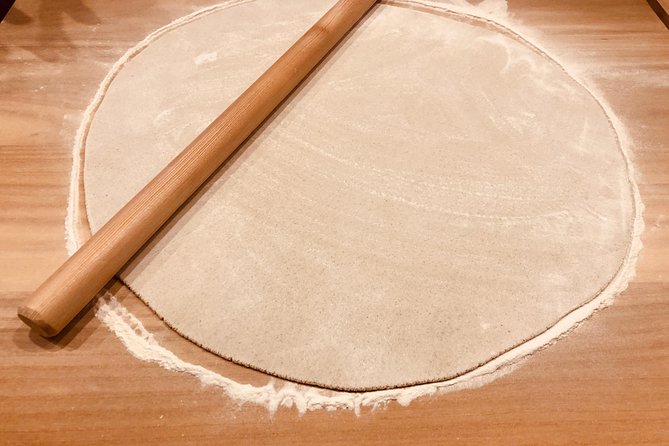
Once the dough is ready, you stretch it into a thin sheet. This is where the activity feels most like traditional noodle making. The sheet needs to be even enough to produce noodles with a consistent texture.
You will receive direct advice from the chef, but you still do the work yourself. That balance is important. The point is not to watch a professional make perfect noodles while you stand aside. The point is to understand the movements and try them with guidance.
3. Cutting the noodles
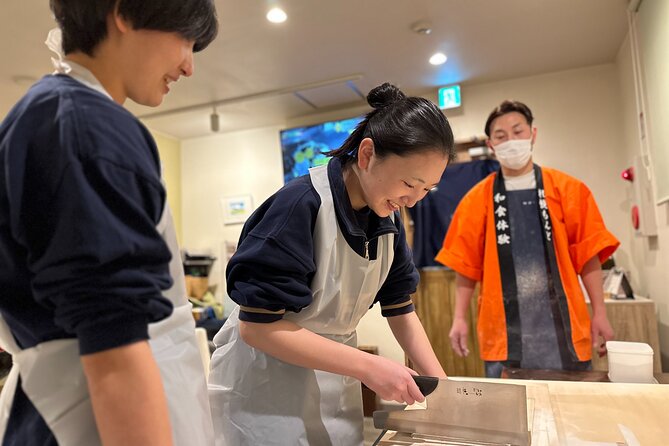
Next comes the knife work. You cut the stretched dough into small strands using a kitchen knife and the same type of utensils used in the restaurant.
This is likely to be the most satisfying part for people who enjoy practical crafts. It is also the stage where homemade noodles may look less tidy than restaurant soba. That is not a problem. The chef helps you keep the cuts manageable, and the final noodles are cooked for your meal.
Use care and follow the chef’s instructions closely. The presence of a kitchen knife means this is a real food-preparation activity, not a pretend exercise. Children can participate, but they should be guided closely by the adults and chef.
4. Eating your handmade soba
After the practical work, the restaurant cooks your noodles and serves them for tasting. The making portion lasts about 30 minutes, while the total visit takes around 1 hour and 15 minutes, including the meal.
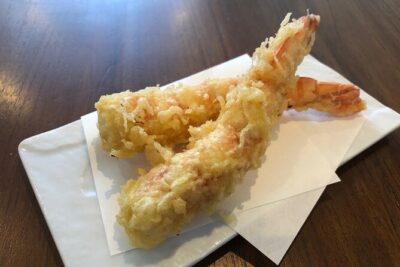
You can add tempura at extra cost, and several people particularly enjoyed vegetable and shrimp tempura, kakiage, or duck soup with their noodles. These additions are not included in the stated activity price, so ask about the cost if you want a fuller restaurant meal.
The noodles are the real reward. Freshly made soba has a firm texture, and eating it right after preparing it gives you a sharper appreciation for the skill involved. You also leave with a better idea of how much work sits behind an ordinary bowl of noodles.
English instruction without a long lecture
This is not designed as an academic food-history course. You may hear useful stories about soba and Japanese food culture, but the teaching focuses on the physical process.
That makes the activity a good match for you if you want to learn by watching and trying. The explanations are in English, supported by demonstrations, and kept practical. You do not need to follow a long series of spoken instructions before touching the dough.
One possible limitation is that the cultural explanation may feel brief if you want a detailed personal story from the chef or a longer discussion of soba traditions. The main focus is making and eating the noodles. A short historical introduction is included, but this is primarily a hands-on food experience.
Is the price of $72.67 fair?
At $72.67 per person, this is not the cheapest bowl of soba you can buy in Sapporo. You are paying for instruction, private participation, ingredients, restaurant time, and the chance to make the meal rather than simply order it.
I think the price makes more sense for a small group or family than for someone who only wants lunch. The activity turns a familiar Japanese dish into a shared memory, and the private format means you are not squeezed into a large public class. Group discounts may also be available, which is worth checking if you are booking for several people.
The value depends on what you want from your time in Sapporo. If you are collecting food photos or looking for the quickest meal, choose a restaurant. If you want to understand Japanese food through your hands, this offers more than a standard lunch.
The optional tempura and duck soup can add to the final bill. I would treat those as extras rather than assume they are included in the booking price.
Getting there from Miyazawa Station
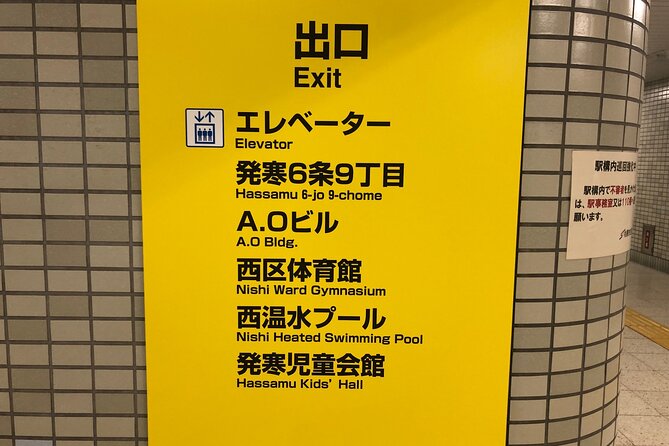
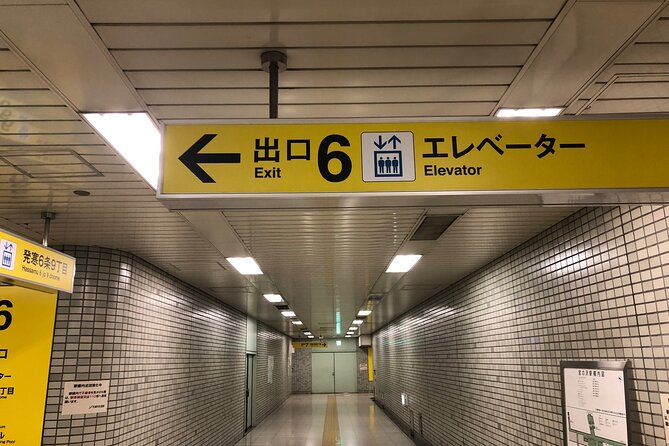
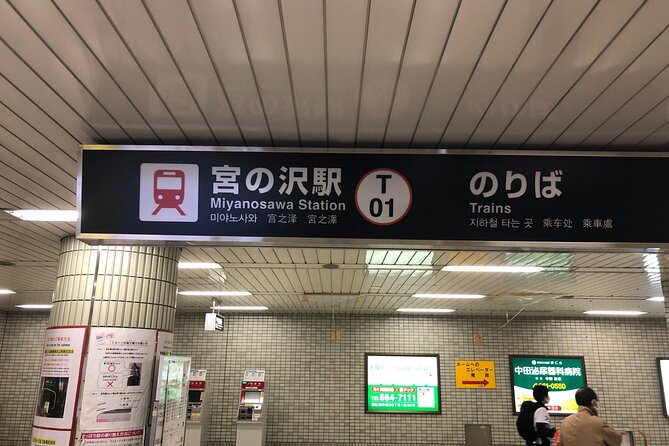
The meeting point is at 9-chōme-17-28 Hassamu 6 Jō, Nishi Ward, Sapporo. The shop is roughly a 3 to 5 minute walk from Miyazawa Station on the Tozai subway line.
It is also within walking distance of Sapporo Shiroi Koibito Park, so you can pair the two activities if your schedule allows. Build in enough time to find the shop and arrive before the start time. Transportation planning matters here, since arriving late can inconvenience another scheduled group and may result in the booking being treated as a no-show.
Four parking spaces are available in front of the shop. That is useful if you have a rental car, but space is limited, so do not assume parking will be available at any busy moment.
The experience ends back at the meeting point. You do not need to bring special equipment or prepare ingredients in advance.
Timing, restaurant hours, and group size
The advertised duration is about one hour, while the detailed timing puts the full visit at approximately 1 hour and 15 minutes. Plan around the longer figure, especially if you have a train, park admission, or another timed activity afterward.
The restaurant operates as a normal handmade soba shop during lunch hours. That means the team may not be able to answer same-day questions once service is underway. It also means the activity takes place in a genuine restaurant setting, with the practical limits that come with it.
The activity is private, and group discounts are offered. Larger groups and travel agencies should contact the provider directly. The meeting point and start time should be checked carefully before you leave, particularly because one poor experience involved an incorrect address and a missed activity. Confirming the current details is a sensible step.
Free cancellation is available if you cancel at least 24 hours before the local start time. Cancellations or changes within 24 hours are not refunded, and a minimum number of participants is required for the experience to operate. If the provider cancels because that minimum is not met, you are offered another date or experience, or a full refund.
Who should book this experience?
I would choose this for families, couples, food-focused visitors, and small groups who want an activity that feels distinctly Japanese without requiring a full day. Children can participate, and the chef’s patient approach is helpful for first-time cooks.
It is also a good choice if you are staying near western Sapporo or planning to visit Shiroi Koibito Park. The subway access is simple, and the short duration leaves room for other plans.
You may want something else if you want a polished cooking-school lesson, extensive English lectures, or a long demonstration by a master chef. The emphasis here is practical work. You will be making noodles, not sitting through a detailed seminar.
The private format also makes this more comfortable for people who dislike large group classes. You can focus on your own dough, ask questions, and eat together afterward without sharing the session with strangers.
My take on the soba-making experience
I like this experience because it connects three things that are often separated on a trip: Japanese food, local craft, and an ordinary working restaurant. You see the ingredients, handle the dough, use the tools, and then eat the result.
The strongest part is the patient instruction. Chef Taku’s practical approach works for beginners, and the visual demonstrations reduce the pressure of following English directions. The meal afterward is not an afterthought. It is the payoff.
Keep your expectations realistic. This is a short introduction, not professional training. The active making takes about 30 minutes, and extras such as tempura cost more. Arrive early, allow 1 hour and 15 minutes, and confirm the location before setting out.
Book it if you want a memorable food activity with real hands-on work and a private setting. Skip it if all you need is a quick, inexpensive lunch. For families and small groups, the chance to eat noodles made together is worth more than the price of the meal alone.
FAQ
Where does the soba-making experience take place?
It takes place at 9-chōme-17-28 Hassamu 6 Jō, Nishi Ward, Sapporo, Hokkaido 063-0826, Japan. The activity begins and ends at the same location.
How far is the shop from Miyazawa Station?
The shop is about a 3 to 5 minute walk from Miyazawa Station on Sapporo’s Tozai subway line.
How long does the experience last?
The hands-on soba-making portion takes about 30 minutes. Including the tasting, plan on approximately 1 hour and 15 minutes in total.
What steps will I learn?
You will mix buckwheat flour, knead and stretch the dough, cut the noodles with a kitchen knife, and eat the soba you made.
Is the experience private?
Yes. Only your own group participates in the activity.
Is English instruction available?
Yes. English explanations are provided with visual demonstrations. The teaching focuses on practical instructions rather than long lectures.
Can children participate?
Yes. Beginners and children can take part with guidance from the chef. Children under two years old are free but may only visit.
Is parking available?
Yes. Four parking spaces are available in front of the shop.
What is the cancellation policy?
You can cancel for a full refund up to 24 hours before the local start time. Cancellations or changes made less than 24 hours before the start are not refunded.
Just added around Sapporo
- Sapporo Walking Tour★ 4.9 · 17 reviews
- Sapporo TV Tower Admission Ticket★ 4.7 · 21 reviews
- Sapporo: The Indigenous Ainu People & Jozankei walking tour★ 4.9 · 25 reviews
- Sapporo: Furano Flower Sea & Biei Blue Pond Tour w/ Pickup★ 4.0 · 40 reviews
- Sapporo: Private Customized Guided Tour★ 4.9 · 30 reviews
- Sapporo: Furano Lavender & Biei Blue Pond Tour with Lunch★ 4.6 · 13 reviews
- Sapporo Highlights: Golden Route Morning Guided Walking Tour★ 4.9 · 16 reviews
- Sapporo: Custom Highlights and Hidden Gems Tour with a Local★ 4.9 · 21 reviews
Ramen & Noodle Tours, compared.
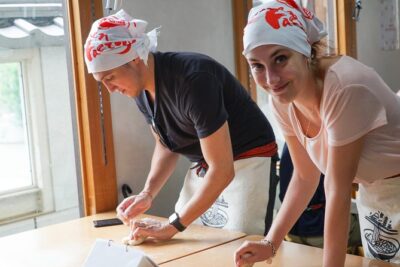
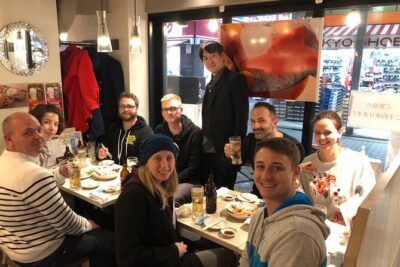
Eat and Drink Like a Local: Tokyo Ueno Food Tour-Taverns&Ramen
Our verdict →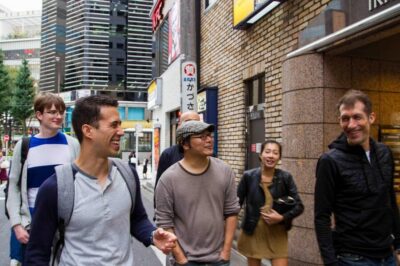
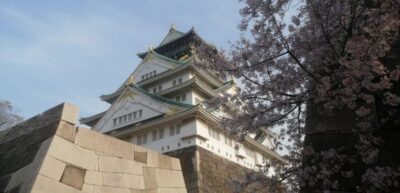
Five Must-See Highlights Walking Tour & Ramen Lunch
Our verdict →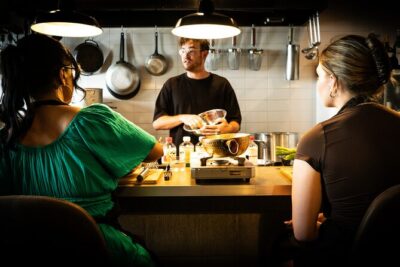
Professional Ramen & Gyoza with Ramen Chef in a restaurant!
Our verdict →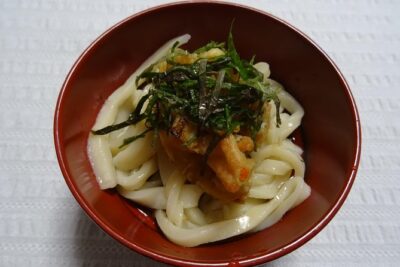
Mondo’s most popular plan! Experience making soba noodles and the king of Japanese cuisine, tempura, in Sapporo!
Our verdict →
Browse the lists this tour appears in