
Reviewed · RAMEN & NOODLE TOURS
Mondo’s most popular plan! Experience making soba noodles and the king of Japanese cuisine, tempura, in Sapporo!
Making soba by hand turns a simple lunch into a practical lesson in Japanese food culture. At Mondo, Taku guides you through mixing buckwheat flour, stretching the dough, and cutting noodles, then you eat your own work with tempura prepared by the restaurant.
I like the hands-on noodle work and the small, personal setting with Taku and his partner. I also like that you learn how Japanese people eat soba, including the final sip of soba-yu. The main point to clarify is that you make the soba, but the staff prepare the tempura. A few people expected to cook both.
Key points at a glance
- Make noodles from scratch: Mix buckwheat flour, stretch the dough, and cut it by hand.
- Eat your own soba: Your noodles are cooked for you and served with cold or warm sauce.
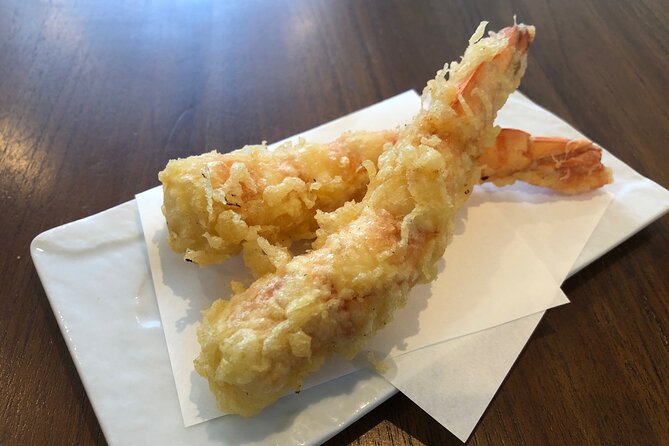
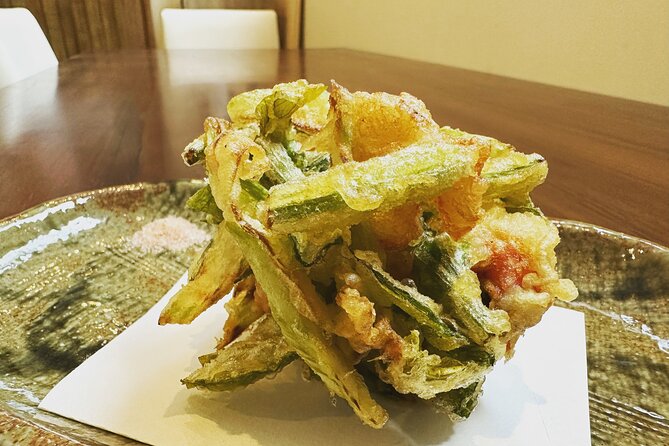
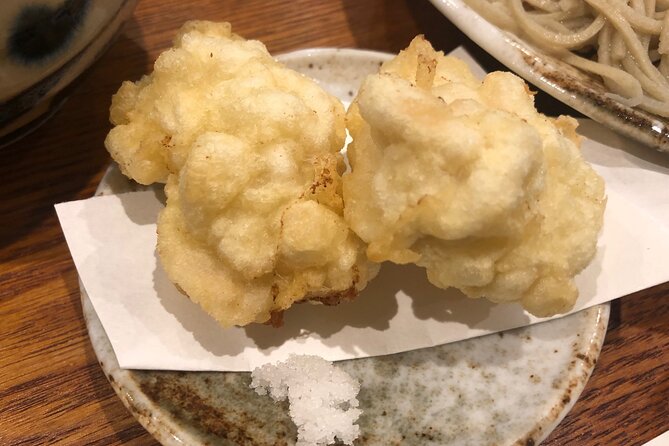
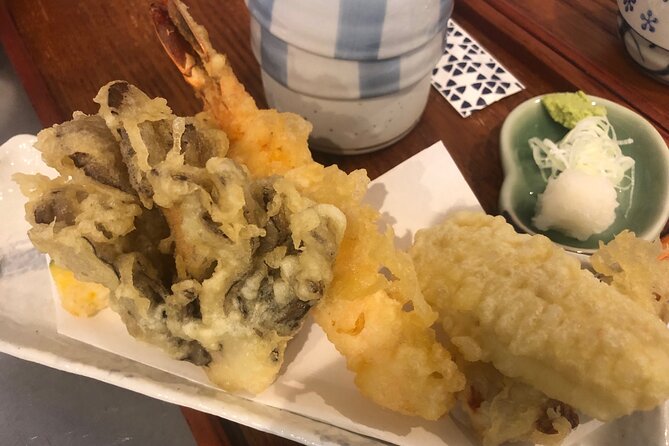
- Tempura is included: Expect artisan-made tempura, with ingredients such as shrimp, vegetables, or scallops.
- English instruction: Taku leads the activity in English, but questions must be sent by email rather than handled by phone.
- Easy subway access: Mondo is about a five-minute walk from Miyanosawa Station on the Tozai Line.
- Good for families: Children can take part, and children under two are free.
A Sapporo food lesson with flour, water, and a sharp knife
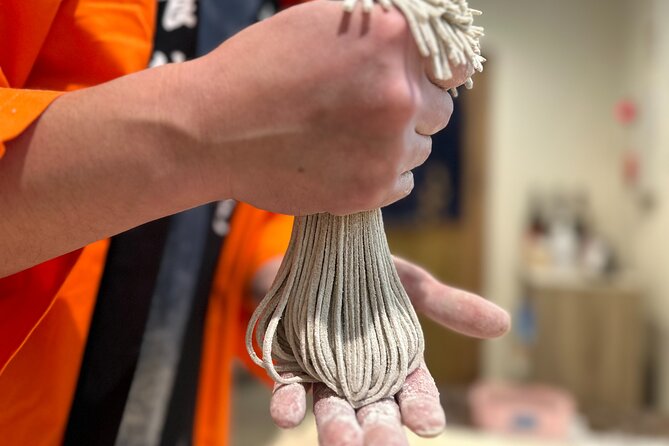
Soba making is a fine choice when you want more from Sapporo than a restaurant meal. You do not just receive a bowl of noodles. You handle the ingredients, see how the dough changes, and try the traditional cutting method yourself.
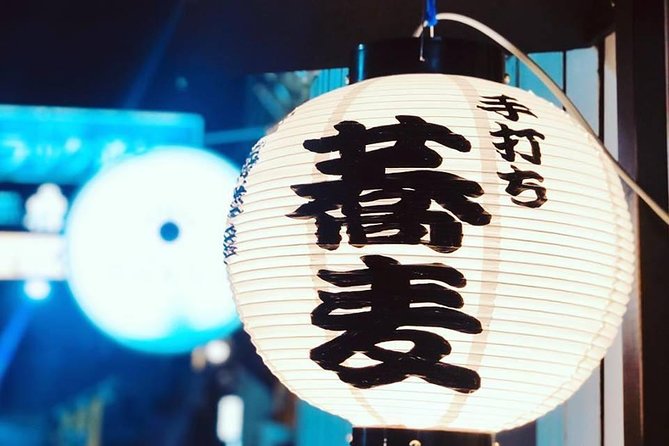
The activity takes place at Mondo, a handmade soba restaurant in western Sapporo. It is not a large cooking school with a long menu of stations. The setting is a working noodle shop, and that gives the session a direct, local feel. You get a look at the sort of small restaurant where soba is made and served as part of everyday Japanese life.
The session is offered after the restaurant’s lunch service. The listed price is $85.79 per person, which is not cheap for an activity lasting about an hour to an hour and 15 minutes. Still, the price covers instruction, your handmade noodles, tempura, sauces, and soba-yu. I see the best value here in the personal teaching and the meal at the end, not in the amount of food alone.
The activity has a 4.8 out of 5 rating from 71 reviews, with 96 percent recommending it. That high score fits the main strengths: friendly instruction, a clean setting, tasty tempura, and the satisfaction of eating noodles you cut yourself. You should book it for the cultural lesson and the memory, not simply as a way to get an inexpensive lunch.
More Ramen Tours in Sapporo:
- Popular in SapporoExperience authentic hand-made soba at a real soba shop!
★ 5.0 · 77 reviews - Ramen Cooking Class at Ramen Factory in Kyoto
★ 5.0 · 1,937 reviews - Eat and Drink Like a Local: Tokyo Ueno Food Tour-Taverns&Ramen
★ 5.0 · 957 reviews
Finding Mondo near Miyanosawa Station
Mondo is at 9-chōme-17-28 Hassamu 6 Jō, in Sapporo’s Nishi Ward. From Miyanosawa Station on the Sapporo Subway Tozai Line, the shop is about a five-minute walk.
That short walk is useful, but the restaurant can be a little hard to spot. Give yourself enough time to locate the entrance, especially if you are unfamiliar with residential parts of Sapporo. The activity starts at a fixed time, and arriving late can disrupt the group. If you cannot arrive before the start time, the booking is treated as a no-show.
If you drive, four parking spaces are available in front of the shop. For most visitors staying in central Sapporo, the subway is the simpler choice. The meeting point and end point are the same, so you will not need to arrange a second pickup.
The activity is private, meaning only your group takes part. That is a real advantage for families or friends who want to ask questions and work at their own pace. The experience is also held for two or more people, so solo visitors cannot book it as a one-person activity.
Mixing buckwheat flour at the start
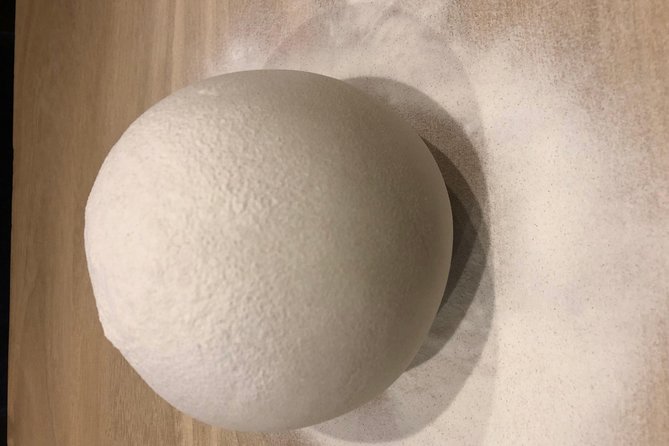
The first stage is mixing buckwheat flour. This sounds easy until you see how much care is needed to turn flour and water into dough that will hold together.
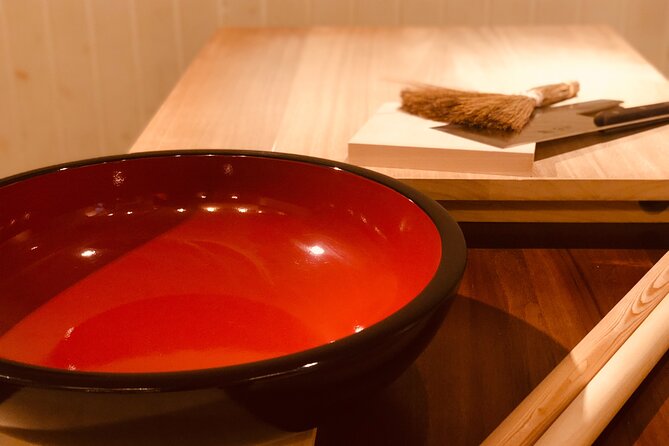
You begin by combining the ingredients, then work the mixture until it becomes suitable for stretching. The instructor explains each step in English and keeps the process accessible, including for children. You do not need cooking experience or special equipment, and nothing needs to be brought from home.
This is the part where the activity feels most like a real skill lesson. Soba is not simply wheat pasta with a Japanese name. Buckwheat behaves differently, and the dough requires careful handling. Making it yourself gives you a better sense of why handmade soba takes practice.
The session is designed to be friendly rather than formal. Taku is described as patient, humorous, and clear in his teaching. That matters when a group has different ages or different levels of confidence in the kitchen. A ten-year-old can take part, and younger children can enjoy the mixing and shaping with help.
Stretching and cutting the noodles
After mixing, you stretch the soba dough. This is one of the most satisfying parts of the activity because you can see the rough mixture become a sheet of dough.
The next step is cutting. You use the traditional method to slice the sheet into noodles. This calls for attention and a steady hand. The noodles may not all come out perfectly even, and that is part of the fun. You are learning a craft, not operating a machine.
The actual noodle-making portion takes about 30 minutes. That is short enough for children to stay engaged, but long enough to give you a proper turn at each stage. If you have never made soba, you will likely appreciate the direct instruction. The process is simple to describe, but the texture and cutting technique are easier to understand when someone shows you in person.
One practical point deserves emphasis: the activity teaches you to make soba, not to make tempura. The restaurant prepares the tempura in its own kitchen. If you want a class covering two cooking techniques, this is not that. If you want to make noodles and then sit down to a Japanese meal, the format works well.
A few more Sapporo half-days worth comparing
- Sapporo Bar Hopping Food Tour
★ 5.0 · 232 reviews - Sapporo Private Tour with a Local – Highlights & Hidden Gems
★ 5.0 · 91 reviews - Sapporo: Sumo Show Experience with Japanese food & Photo
★ 4.9 · 81 reviews - 【Private Car】Asahiyama Zoo, Blue Pond, Shirahige Falls, Ningle Terrace (from Sapporo)
★ 5.0 · 60 reviews
Eating your noodles with tempura
Once the soba is cut, the restaurant cooks it for you. You then eat the noodles you made with tempura prepared by a Japanese food craftsman.
The tempura may include shrimp, eggplant, seasonal vegetables, local ingredients, or scallops. The exact selection can vary, so do not book expecting one fixed plate. The pairing makes sense: soba is earthy and chewy, while tempura adds a crisp texture and savory flavor.
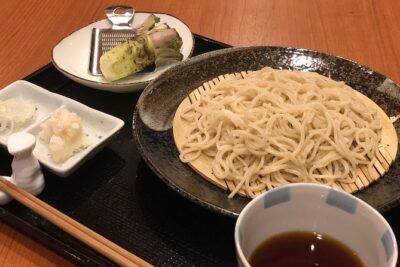
You receive two types of soba sauce, one cold and one warm. This gives you a chance to try the noodles in different styles. The staff also explain how Japanese people traditionally eat soba, so the meal is not just a reward at the end. It is part of the cultural lesson.
The food has received especially strong praise. The tempura is often described as delicious, and the fresh ingredients have been a highlight. The handmade noodles can be uneven, of course, but that makes the meal more personal. You are tasting the result of your own work, not a perfect restaurant product made entirely by someone else.
At the end, you finish with soba-yu. This is the cooking water from the noodles, traditionally served after eating soba. You can add it to the remaining sauce and drink it. It is a small custom, but it gives the meal a proper Japanese ending and helps you understand how soba is commonly enjoyed.
Why Hokkaido is a natural place for soba
Hokkaido is Japan’s leading soba-producing region. Its climate and soil support buckwheat farming, and areas such as Tokachi and Furano are known for high-quality soba.
That local connection gives the activity more meaning than a generic cooking class. You are working with a food closely tied to Hokkaido’s agricultural identity. The noodles are savory and chewy, and soba is used in many local dishes with seasonal ingredients.
Soba also has a long place in Japanese food culture. It has been made and eaten in Japan since the Edo period, beginning around the 1600s. You do not need a long lecture on food history to appreciate that tradition. Handling the flour, cutting the noodles, and learning the table customs makes the connection clear in a practical way.
The tempura adds another classic Japanese element. Soba and tempura are commonly served together, and the combination gives you two different textures in one meal. You get a traditional pairing while also trying something you made yourself.
How personal is the teaching?
The small-group format is one of Mondo’s strongest features. You are not standing at the back of a large class, trying to see a demonstration over someone’s shoulder. Your group works directly with the instructor.
Taku and his partner create a warm atmosphere, and the teaching is intended to be in English. The tone is informal and encouraging, which works well for families and first-time cooks. You can expect help with the basic movements rather than a highly technical professional lesson.
Communication before the activity requires a little care. The staff can conduct the experience in English, but they cannot provide English support by phone. Send questions by email through VIRTOR before arrival. That is also the right way to ask about group bookings or special dietary needs.
Halal and vegan arrangements can be accommodated if you contact the shop in advance. This is important because the standard meal includes tempura and may contain seafood. One party chose not to join because a vegan option was not arranged, so do not assume dietary changes can be made at the last minute.
Service animals are allowed, and the shop is near public transportation. The information provided does not specify every physical feature of the restaurant, so contact the provider if you need details beyond those points.
Who will get the most from the $85.79 price?
At $85.79 per person, this is best viewed as a private cultural activity with a meal, not as a budget food stop. The value improves if you care about personal instruction, want to try a traditional Japanese craft, and would otherwise pay for both a meal and a separate activity.
Families may find the price worthwhile because children can take part instead of simply waiting while adults cook. The process is active, short, and easy to understand. Children under two are free, which helps families with very young children, though the activity is held for groups of at least two participants.
Small groups of friends also fit the format well. The private booking means you can share the work, compare your noodles, and enjoy the meal together without strangers at the same table. The atmosphere can feel more like being welcomed into a small local shop than attending a polished tourist production.
This is less suitable if you want to learn tempura technique, receive a long food-history talk, or spend several hours cooking. One dissatisfied customer felt the activity offered only dough preparation and cutting, without enough instruction on Japanese cooking methods. That criticism points to the main limitation: the session is focused and brief.
The activity is also not ideal if you need a flexible start time. Late arrival is not accepted, and changes or cancellations made within 24 hours are not refunded. Cancel at least 24 hours before the local start time for a full refund.
My advice before you book
Wear something comfortable for kitchen work, though you do not need to bring supplies or prepare anything in advance. Plan your route carefully, and aim to reach the area early enough to find the shop without rushing.
If you have food allergies or follow a halal or vegan diet, write ahead through VIRTOR. Ask what can be arranged for your date rather than assuming the standard tempura plate will suit you.
I would choose this activity for a family, a couple, or a small group of friends who want a hands-on taste of Hokkaido. It is especially useful on a Sapporo trip when the weather makes outdoor sightseeing less appealing, though the supplied information does not promise any particular indoor schedule beyond the stated activity time.
Should you book Mondo’s soba-making experience?
Book it if you want to make noodles from buckwheat flour, learn everyday soba customs, and eat a traditional meal in a small Sapporo restaurant. The instruction, friendly atmosphere, handmade food, and tempura are the strongest reasons to go.
Skip it if your main goal is to make tempura yourself, receive an extensive culinary lecture, or find the lowest-cost meal in Sapporo. For the right person, the $85.79 fee buys a memorable food lesson and a meal with a clear Hokkaido connection. Just arrive on time and understand exactly what you will cook: the soba is yours, while the tempura is prepared for you.
FAQ
How long does the soba-making activity take?
The noodle-making portion takes about 30 minutes. With the meal and explanations included, the full activity takes about one hour and 15 minutes.
Where does the activity begin?
It begins at 9-chōme-17-28 Hassamu 6 Jō, Nishi Ward, Sapporo, Hokkaido 063-0826, Japan.
How do I reach Mondo by public transportation?
Mondo is about a five-minute walk from Miyanosawa Station on the Sapporo Subway Tozai Line.
Is the activity conducted in English?
Yes. The experience is conducted in English. The shop cannot provide English assistance by phone, so send questions by email through VIRTOR.
Do I make the tempura as well as the soba?
No. You mix, stretch, and cut the soba noodles. The restaurant prepares the tempura, which is served with your noodles.
Can children take part?
Yes. Small children can enjoy the soba-making process, and children under two years old are free.
Can halal or vegan food be arranged?
Halal, vegan, and similar dietary arrangements may be possible if you contact the shop in advance.
What is the cancellation policy?
You receive a full refund if you cancel at least 24 hours before the local start time. Cancellations or changes made within 24 hours are not refunded or accepted.
Just added around Sapporo
- Sapporo Walking Tour★ 4.9 · 17 reviews
- Sapporo TV Tower Admission Ticket★ 4.7 · 21 reviews
- Sapporo: The Indigenous Ainu People & Jozankei walking tour★ 4.9 · 25 reviews
- Sapporo: Furano Flower Sea & Biei Blue Pond Tour w/ Pickup★ 4.0 · 40 reviews
- Sapporo: Private Customized Guided Tour★ 4.9 · 30 reviews
- Sapporo: Furano Lavender & Biei Blue Pond Tour with Lunch★ 4.6 · 13 reviews
- Sapporo Highlights: Golden Route Morning Guided Walking Tour★ 4.9 · 16 reviews
- Sapporo: Custom Highlights and Hidden Gems Tour with a Local★ 4.9 · 21 reviews
Ramen & Noodle Tours, compared.
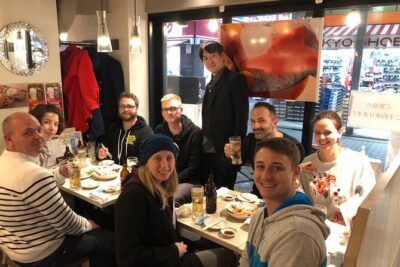
Eat and Drink Like a Local: Tokyo Ueno Food Tour-Taverns&Ramen
Our verdict →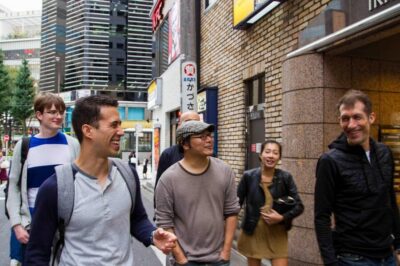
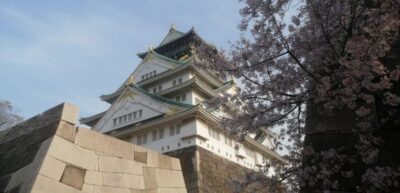
Five Must-See Highlights Walking Tour & Ramen Lunch
Our verdict →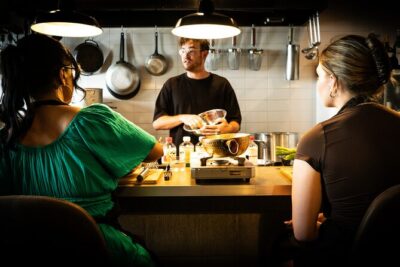
Professional Ramen & Gyoza with Ramen Chef in a restaurant!
Our verdict →
Popular in SapporoExperience authentic hand-made soba at a real soba shop!
Our verdict →
Browse the lists this tour appears in