
Reviewed · NIKKO TOURS
Nikko Full-Day Private Tour with Government-Licensed Guide
Nikko packs sacred shrines, mountain scenery, waterfalls, and quiet walking paths into one very full day. This private tour gives you a guide such as Yumi, Yoshii, Yoko, or Ichiro and lets you shape the route around your interests, rather than follow a busload of strangers. The best feature is the flexibility. You can focus on temples, nature, photography, or a mix of all three.
I like the chance to pair Toshogu Shrine with Kegon Falls and Lake Chuzenji, then switch to a quieter spot such as Kanmangafuchi Abyss or Tamozawa Imperial Villa. I also like the practical help with Nikko’s buses and timing, which matters when traffic or a late train eats into a six-hour day.
The main drawback is that this is not an all-inclusive excursion. You make your own way to Nikko, meet your guide on foot, pay for buses or taxis, and cover admission fees and lunch. You also need to arrive with a rough idea of what you want, since the open format can feel like too much choice.
Key points at a glance
- Meet at Nikko Station: You travel to Nikko independently, then begin on foot with your licensed guide.
- Choose three or four sights: The route can mix UNESCO-listed shrines, waterfalls, lakes, gardens, and short walks.
- Six hours goes quickly: Toshogu, Kegon Falls, and Lake Chuzenji make a strong day, but the mountain area requires careful timing.
- Public transport is part of the day: Bring cash for buses, taxis, entrance fees, and personal costs.
- Private means personal attention: Only your group joins, making it easier to ask questions, adjust the pace, or change the plan.
- Guide quality is central: Yumi, Yoshii, Yoko, Ichiro, Hit, and other guides are praised for planning, history, transport help, and family-friendly explanations.
Why a private guide helps in Nikko
Nikko is easy to admire but harder to organize than it first appears. The shrine district is close to the station, while Kegon Falls, Lake Chuzenji, Senjogahara, and Akechidaira sit farther into the mountains. Buses connect the main areas, but a late train, crowded road, or missed departure can shrink your sightseeing time fast.
That is where this tour earns its keep. Your guide can help decide if a mountain excursion fits the day, then adjust the route if weather or traffic changes. Yumi has helped groups recover from a 45-minute train delay, while other guides have arranged taxis in heavy rain or offered practical advice for the following day.
You are not locked into a fixed script. Before the tour, you can discuss your interests and ask for a plan. On the day, you might concentrate on Tokugawa history, choose nature walks, collect temple stamps, or build a balanced route for children and adults.
The flexibility is valuable, but it also puts some responsibility on you. One guest found it stressful to be asked repeatedly where to go, and that is a fair concern. Ask your guide to suggest a clear route before you arrive. A simple request such as Please recommend the best three-site plan for our interests and the season should make the day feel more guided.
More Full-Day Tours in Nikko:
- From Tokyo: Nikko World Heritage Site Private Full-Day Trip
★ 4.9 · 243 reviews - From Tokyo: Nikko World Heritage Sight Full Day Private Tour
★ 4.9 · 127 reviews - Nikko – Beautiful Full-Day Personal and Private Tour
★ 4.9 · 119 reviews
Toshogu Shrine and the heart of Nikko
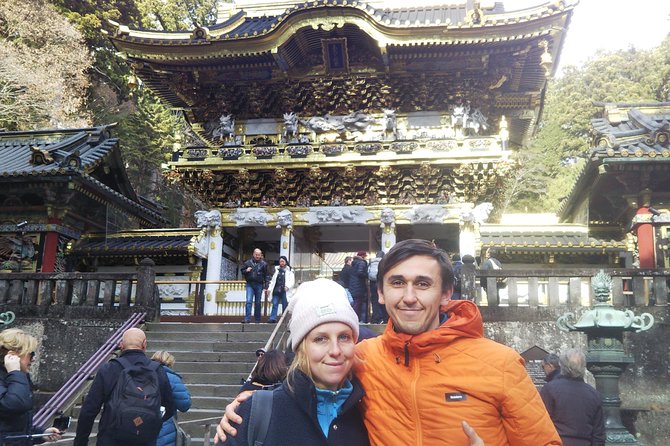
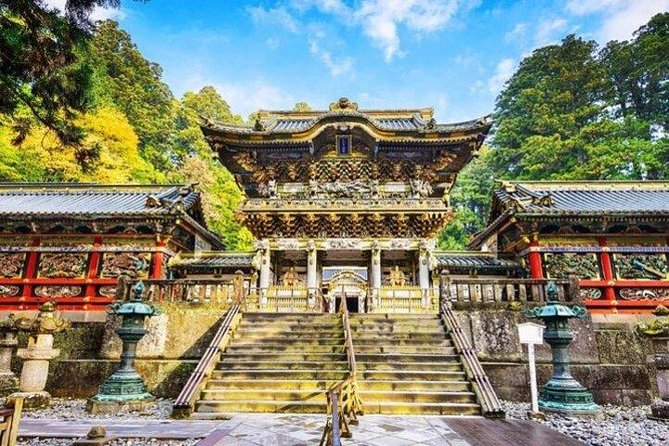
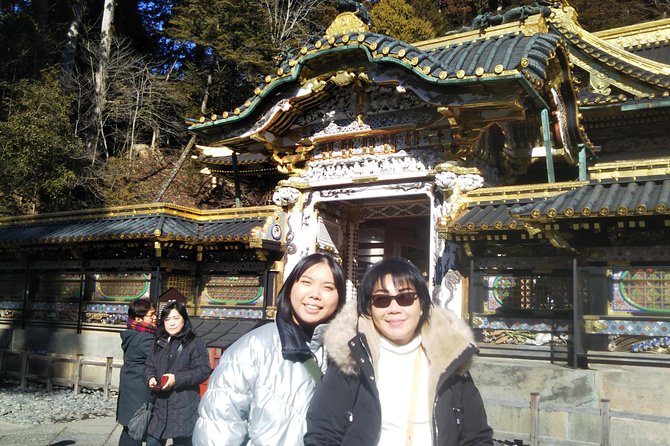
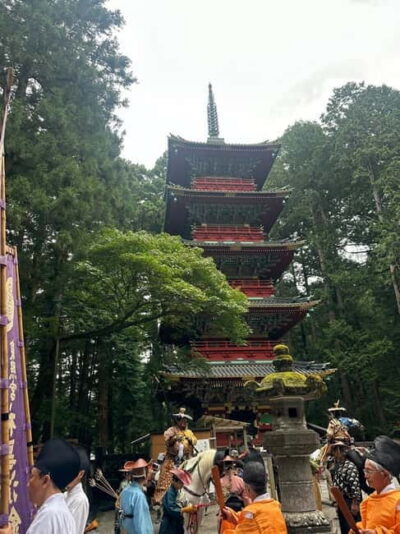
Toshogu Shrine is the essential cultural stop. It is the mausoleum of Tokugawa Ieyasu, founder of the shogunate that ruled Japan for more than two centuries. The complex is famous for its ornate gates, carvings, and layered religious setting, and it gives you the clearest sense of why Nikko became such an important sacred center.
Allowing only 30 minutes at Toshogu is enough for an introduction, but not enough for a slow visit. Admission is extra, and the ticket cost is not included in the tour price. If shrine architecture and Japanese history are your main interests, ask your guide to give Toshogu more time and reduce the number of other stops.
Nearby, Futarasan Shrine offers a calmer contrast. Founded in 782, it is much older than Toshogu and is tied to the mountains and natural forces around Nikko. Rinnoji Temple adds the Buddhist side of the district. Its Sanbutsudo hall and connection to Shodo Shonin, the monk credited with bringing Buddhism to Nikko, help explain how the area developed as both a religious and political center.
Taiyuin, the mausoleum of Tokugawa Iemitsu, has a similar layout to Toshogu but often feels like a different kind of visit. It is lavish, yet the setting can feel quieter. Rinnoji and Taiyuin both require admission fees, so a shrine-focused day can add to your costs.
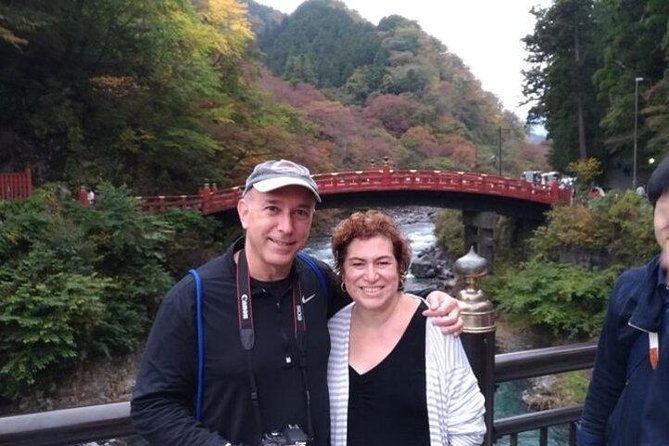
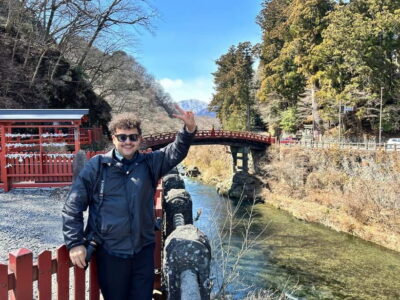
Shinkyo Bridge is a quick but worthwhile stop near the entrance to the shrine area. Its red form over the river makes a fine photograph, and the bridge provides a useful visual marker between central Nikko and the religious district. It is free to view from the surrounding area.
Kegon Falls and Lake Chuzenji
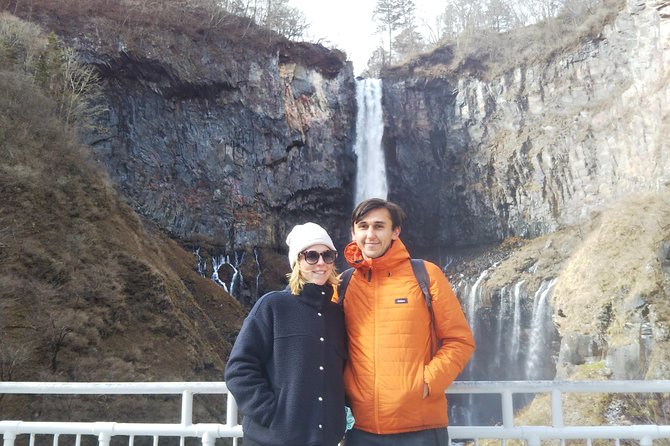
If you want Nikko’s most dramatic natural scenery, head uphill to Kegon Falls and Lake Chuzenji. Kegon Falls drops 97 meters from the lake toward the valley below, making a short stop feel worthwhile even when time is tight. The waterfall viewpoint has an admission charge, and the lift to the lower viewing area costs extra.
The listed timing is only 15 minutes at Kegon Falls. That works for a quick look and photographs, but you will not have time for a leisurely visit. Ask in advance how much time your route allows, especially if the waterfall is a top priority.
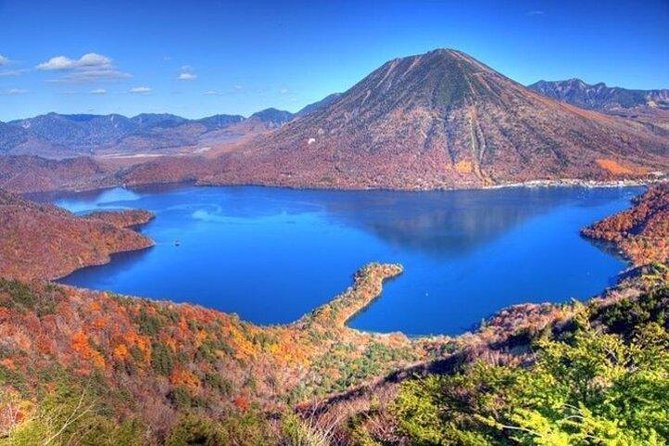
Lake Chuzenji is the broad mountain setting that feeds the falls. Its shoreline and surrounding peaks give the day a strong change of pace after the carved gates and crowded shrine lanes. The area also has a foreign resort history dating from the late nineteenth and early twentieth centuries, with former villas connected to French, British, and other overseas residents.
You can combine the lake and waterfall efficiently, but the trip depends on road and bus conditions. A private car is not included. Some groups arrange a separate driver, while others use public buses or taxis. One useful warning from past planning is that buses can become a poor choice on busy weekends, with long waits and traffic. A weekday visit gives you a better chance of keeping the schedule intact.
Senjogahara, Akechidaira, and Kirifuri Waterfall
Nature lovers have several alternatives to the main lake route. Senjogahara is a highland field with a name linked to a legend about a battle between the gods of Mount Nantai and Mount Akagi. The stop listed for the tour is brief, so think of it as a scenic pause rather than a full hike.
Akechidaira offers wide mountain views near the top of the Irohazaka road. The ropeway to the observation area costs extra, and the short stop may not leave enough time for a long wait or extended viewing. Still, it can be a strong choice on a clear day.
Kirifuri Waterfall sits northeast of the main temple district and drops 75 meters in two stages. It is a good substitute if your group wants a waterfall without committing to the longer trip to Lake Chuzenji. Like Kegon Falls, the listed stop is short and admission is not included.
These nature choices show why you should not try to visit everything. A six-hour tour can comfortably cover three or four major sites, not all fourteen options. Pick one main theme, then add a second layer. For example:
- Toshogu, Futarasan, and Rinnoji for culture
- Toshogu, Kegon Falls, and Lake Chuzenji for a first visit
- Kanmangafuchi Abyss, Tamozawa Villa, and the shrine district for a quieter mix
- Kegon Falls, Lake Chuzenji, and Senjogahara for mountain scenery
A few more Nikko half-days worth comparing
- Nikko: Kegon Falls, Lake Chuzenji & Toshogu Temple
★ 4.6 · 1,577 reviews - Tokyo: Nikko Toshogu Shrine and Kegon Waterfall Tour
★ 4.5 · 1,266 reviews - Nikko: Edo Wonderland Edomura Cultural Theme Park Ticket
★ 4.3 · 205 reviews - Tokyo: Nikko World Heritage Private Day Trip Hotel Pick-up
★ 4.8 · 145 reviews
Quieter Nikko: Kanmangafuchi and Tamozawa Villa
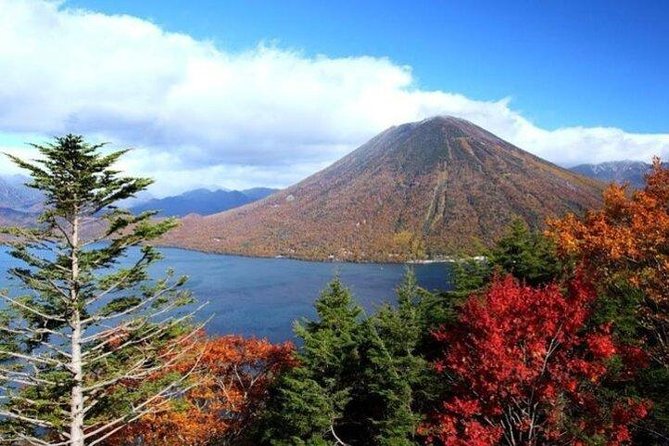
Kanmangafuchi Abyss is one of the better choices if you want to step away from the main shrine crowds. The gorge was formed by an eruption of Mount Nantai and follows a short riverside path. The walk is only a few hundred meters, but it changes the mood of the day. It is free, and the thirty-minute stop gives you enough time to walk, photograph the river, and enjoy a quieter corner of central Nikko.
Tamozawa Imperial Villa gives you a different view of Japan’s past. The 106-room building combines Edo-era design with early modern Meiji architecture. It was built in Nikko in 1899 using parts of a residence connected with the imperial family.
The villa requires an admission fee, but it is a strong pick for visitors who prefer rooms, woodwork, gardens, and social history to ornate shrine carvings. It also works well when your group needs a slower indoor stop. Ask your guide to check how it fits with opening hours and transport timing.
Nikko Botanical Garden offers another change of pace. It is operated by the University of Tokyo and focuses on plant research and mountain flora. The garden is not the first choice for a short first visit, but it can suit repeat visitors or anyone who wants a quieter, greener stop.
The Kanaya Hotel History House is a compact historical visit connected with the predecessor of the famous Kanaya Hotel. At 15 minutes, it works as an add-on rather than the main point of the day.
How the six-hour schedule really works
The tour lasts about six hours, and that sounds generous until you count walking, bus waits, admission lines, photographs, and lunch. The stated stop times range from 15 to 30 minutes, which confirms that the experience is built around highlights rather than long visits at every site.
A shrine and town route is the easiest to manage on foot. A mountain route is more ambitious. Kegon Falls and Lake Chuzenji sit away from central Nikko, so adding them to Toshogu requires transport and careful timing. If you want both the religious complex and the lake area, tell your guide before the day begins.
Your guide can also help with the small details that make a busy day less tiring. Yumi has helped visitors with goshuin, the stamps collected at temples and shrines. Guides have brought towels for a foot bath, suggested hiking routes for the next day, helped arrange lunch, and adjusted explanations for teenagers.
The experience is officially a walking tour, but that does not mean you walk everywhere. Public buses or taxis may be needed, and the cost falls to you. Bring cash. One practical estimate from a past visit suggested carrying at least 10,000 yen for buses and entrance fees, though your own route and group size will decide the final amount.
The guides and the value of the private format
The guide can make or break this experience. Yumi is repeatedly praised for early communication, route planning, transport timing, and connecting with families. Yoshii is a strong choice for visitors who want detailed explanations of Japanese history and help getting from Tokyo to Nikko. Yoko is noted for pre-trip planning, lunch help, and family-friendly support.
Other guides bring different strengths. Ichiro prepares detailed routes and explains the major sights. Hit Suzuki tells stories that make the sites easier to remember. Taka has helped groups find taxis in bad weather, while Mia has guided visitors through the bus system and introduced them to a traditional Nikko-style lunch.
You cannot request a particular guide with certainty based on the information provided, so treat these names as examples of the guide pool rather than a promise. You can still explain what matters to you: history, nature, children, photography, food, walking, or temple stamps.
At $155.86 per person, the price is not cheap for a six-hour outing, especially since transportation, admissions, lunch, and other personal costs are separate. For one or two people, that can feel high. For a family or small group, the private format spreads the guide cost across the party and becomes easier to justify.
The value is not in admission savings. It is in time, route planning, translation, cultural context, and fewer wrong turns. If you are confident with Japanese transport and happy to read signs on your own, you may prefer an independent day. If Nikko is your only chance to visit the area, the guide can help you fit more into a complicated day.
Who should book this Nikko tour?
I would choose this experience if you want both the shrine district and mountain scenery, or if you are making a day trip from Tokyo and do not want to spend your limited time sorting out buses. It is also a good fit for families, older adults who want help with pacing, first-time visitors, and anyone eager to ask questions about Japanese customs.
It suits curious visitors who want a human guide rather than a recorded explanation. The private setting makes it easy to stop for photos, ask about a carving, change the pace, or skip a site that does not interest you.
I would think twice if you want a fixed sightseeing package with all transport and admission included. I would also avoid leaving every decision until the morning. Send your interests ahead of time and ask for a recommended three or four-stop plan.
Free cancellation is available up to 24 hours before the start time. Changes or cancellations inside that window are not accepted for a refund.
Should you book it?
Book this tour if time and transport are your main worries. Nikko rewards planning, and a good guide can connect its shrines, waterfalls, and mountain roads in a way that is hard to manage on a first visit.
Choose it with a clear request, a cash budget, and realistic expectations. The strongest plan is usually three or four meaningful stops, not a race through every possible sight. For a first Nikko visit, I would start with Toshogu, one nearby religious site, and either Kegon Falls with Lake Chuzenji or a quieter choice such as Kanmangafuchi Abyss.
FAQ
Where does the tour begin?
You meet your licensed English-speaking guide on foot within the designated area of Nikko, generally at Nikko Station.
How long does the tour last?
The tour lasts approximately six hours.
Is the tour private?
Yes. Only your group participates, and multiple tour groups cannot be combined.
How many attractions can I choose?
The tour includes a customizable route covering three or four sites from the available options.
Are transportation costs included?
No. Public transportation, taxis, and private transportation are not included. Bring cash for the transport you use.
Are admission fees included?
No. Entrance fees are generally extra. The guide’s admission is covered only for sights listed under the tour’s included attractions.
Can I visit Kegon Falls and Lake Chuzenji?
Yes, both are among the possible stops. The route is subject to timing, transport conditions, and your selection of other sights.
Is lunch included?
No. Lunch and other personal expenses are not included.
Can I cancel for a full refund?
Yes, if you cancel at least 24 hours before the experience start time. Cancellations or changes made less than 24 hours before the start time are not refunded or accepted.
Just added around Nikko
- Tokyo: Nikko Private Day Tour With Guide★ 4.9 · 18 reviews
- Tokyo: Nikko Day Tour Shrines, Lake Chūzenji & Kegon Falls★ 4.9 · 26 reviews
- Tokyo: Nikko Day Tour with English Driver and Flexible …★ 4.8 · 22 reviews
- Nikko: Private Walking Tour with Local Guide★ 4.8 · 35 reviews
- Nikko Private Custom Tour with Local Guide★ 5.0 · 16 reviews
- From Tokyo: Nikko Customize private Tour With English Driver★ 4.9 · 13 reviews
- From Tokyo: Guided Day Trip to Nikko World Heritage Sites★ 4.8 · 51 reviews
- Nikko Private Day Tour from Tokyo with English-Speaking Driver★ 4.5 · 41 reviews
Nikko Tours, compared.
Nikko: Kegon Falls, Lake Chuzenji & Toshogu Temple
Our verdict →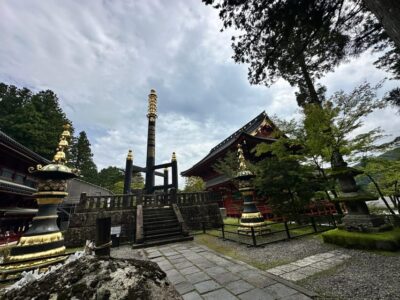
Nikko: Edo Wonderland Edomura Cultural Theme Park Ticket
Our verdict →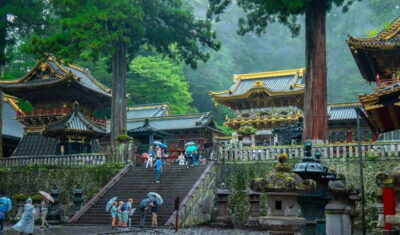
Browse the lists this tour appears in