
Reviewed · KOBE TOURS
Kobe 4hr Private Tour with Government-Licensed Guide
Kobe is at its best when you mix its mountain-and-sea setting with the small stories a local guide can add. In four hours, you can focus on two or three places, perhaps ride toward the Nunobiki Herb Garden, taste sake in Nada, or walk from Kitano to Chinatown and the waterfront.
I like the private format for its freedom and the guide’s help with local trains, ropeways, and restaurant choices. Guides such as Yama, Norio, Mizuho, Hiro, and Akira have built tours around individual interests, from Kobe beef and sake to shrines and cherry blossoms. The main caution is that transportation and entrance fees are extra, and distant choices such as Mt. Rokko and Akashi Kaikyo Bridge will use much of your four hours.
Key points at a glance
- Choose two or three sights: You shape the tour around food, scenery, culture, shopping, or Kobe’s port history.
- Meet a government-licensed English-speaking guide: Guide quality is generally a major strength, though English fluency can vary.
- Use local transport when needed: Trains, buses, taxis, and the Shin-Kobe Ropeway are not included in the price.
- Pair the city with a clear theme: Nada sake museums, Kitano’s foreign residences, Chinatown, and the earthquake memorial each offer a different Kobe.
- Expect a walking tour: Comfortable shoes matter, and some routes include hills or stairs.
- Pay $108.99 per person for personal attention: The value is strongest for couples, families, and small groups who want help making the most of limited time.
A private Kobe tour built around your interests
The best feature here is not the number of possible stops. It is the ability to pick a sensible pair or trio and spend your time where you care most.
You might choose Kitano and Chinatown for a compact introduction to Kobe’s international past and present. You might pair the Port of Kobe Earthquake Memorial Park with Harborland for a look at the city’s difficult past and polished waterfront. Or you could head toward Nada, where several sake museums explain how Kobe became Japan’s leading sake-producing district.
The guide is licensed by the Japanese government, which matters when you want more than directions and photo stops. A good guide can explain shrine customs, the effects of the 1995 earthquake, the role of Kobe’s foreign merchants, or why Nada became a center of sake production.
You do not join a large group, and only your party participates. That makes it easier to stop for questions, adjust the pace, or change the balance between sightseeing and food. The tour offers morning and afternoon starts, a useful choice if you arrive by ship, train, or a busy international travel schedule.
The experience is advertised at $108.99 per person. That is not a bargain walking tour, especially since transport, admissions, lunch, and personal purchases are separate. Still, the price can make sense if you have only half a day and want a local person to handle the route, explain what you are seeing, and help you use Kobe’s public transportation.
A few more Kobe half-days worth comparing
- KOBE Sake Tasting Tour at Breweries (tasting fee included)
★ 5.0 · 154 reviews - Kobe Highlights & Hidden Gems: Private & Custom Tour with a Guide
★ 4.5 · 70 reviews - Kobe: Guided Sake Breweries Tour with Tastings
★ 5.0 · 55 reviews
Choosing two or three places without wasting time
The long list of possible sights requires a little planning. You cannot sensibly see Mt. Rokko, a Nada brewery, Chinatown, and Akashi Kaikyo Bridge in four hours, especially if you rely on trains, taxis, or ropeways.
Before the tour, decide what kind of Kobe you want:
- Scenery: Mt. Rokko or the Shin-Kobe Ropeway and Nunobiki Herb Garden
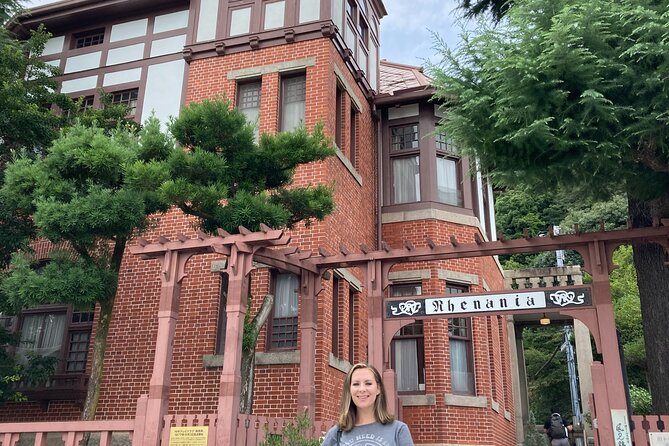
- Old Kobe: Kitano Ijinkan-gai and its former foreign residences
- Food and drink: A Nada sake museum, Chinatown, or a Kobe beef restaurant recommendation
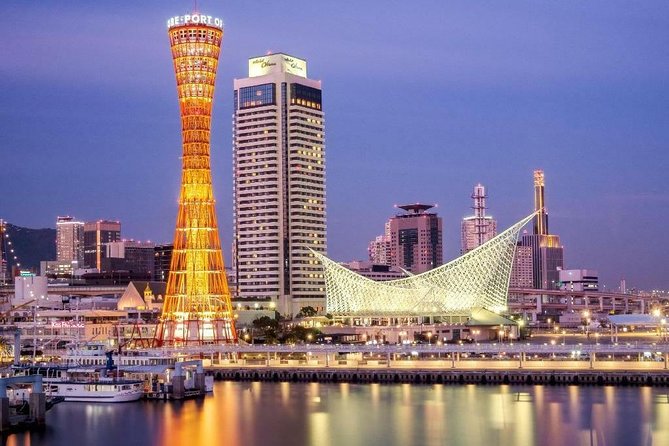
- Modern waterfront Kobe: Harborland and the port area
- Earthquake history: Port of Kobe Earthquake Memorial Park
- A major engineering sight: Akashi Kaikyo Bridge, if you accept the travel time
Ask your guide to build the route around geography. A compact city route will give you more walking and conversation. A long-distance route may offer one memorable sight, but less time for everything else.
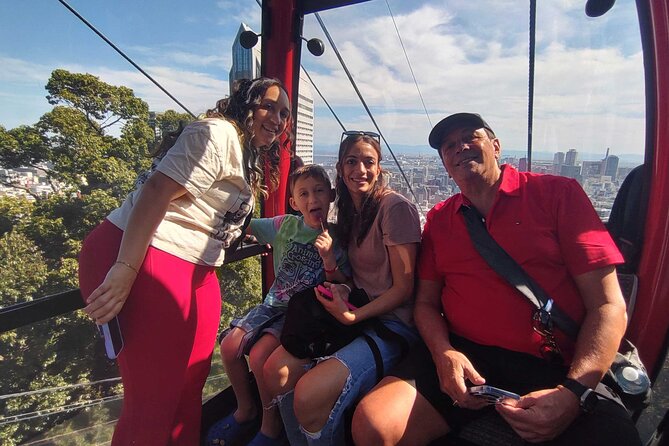
Mt. Rokko and the Shin-Kobe Ropeway
Mt. Rokko rises to 931 meters and forms the green mountain backdrop behind Kobe. From higher viewpoints, you can look down toward the heavily built-up Hanshin area and understand Kobe’s unusual shape, with mountains close behind the city and the port in front.
The Shin-Kobe Ropeway leaves from near Shin-Kobe Station, making it an easy scenic option for visitors arriving by shinkansen. The ride leads toward the Nunobiki Herb Garden, which has been a favorite part of several private tours. The gardens are particularly appealing in autumn, when foliage adds color, and there is also a fragrance room where you can sample different scents.
This choice works well if you want a break from city streets and enjoy gardens, views, and a smooth cable-car ride. You should allow extra time for the ropeway and remember that its fee is not included.
Weather matters. One tour reached the herb garden on a foggy day, so the city view was limited even though the flowers remained attractive. If the mountains are your priority, ask about conditions before committing your short tour to the heights.
The wording around the ropeway can also cause confusion. It is a cable-car style ride, not a ski lift. Either way, you will be moving up the mountain rather than climbing the full route on foot.
Kitano, Chinatown, and Kobe’s international character
Kitano Ijinkan-gai sits at the foot of the Rokko range. After Kobe opened its port to foreign trade in the second half of the 19th century, foreign merchants and diplomats settled in this hillside district. Their former residences give the area a character unlike the port and shopping districts below.
Kitano is a good choice if you want architecture and social history in a relatively compact area. The hills and stairs give it atmosphere, but they also make it less suitable for anyone who wants a flat stroll. Wear shoes with a firm sole, and tell your guide if your group needs a slower pace.
Nankinmachi, Kobe’s compact Chinatown, offers a completely different mood. It developed around Chinese merchants who settled near the port, and today it is a central part of the city’s food scene and Chinese community in the Kansai region. It pairs naturally with Kitano or Harborland, though you may prefer to leave time for eating rather than rushing through.
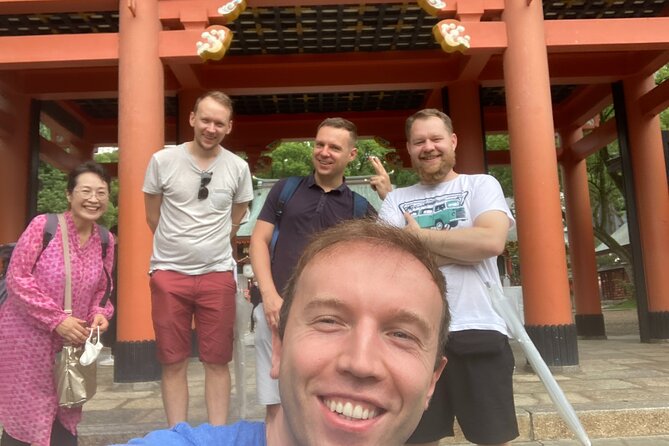
Several guides have helped visitors combine shrines, Chinatown, and a Kobe beef meal. Mizuho, for example, arranged a Kobe beef restaurant reservation after showing a group the Hakutsuru Sake Brewery Museum, Ikuta Shrine, and Nankinmachi. A guide cannot include lunch in the tour price, but local advice can be useful when you want to make a special meal fit a tight schedule.
More Private-Only Departures in Kobe:
- Next-Generation Local Guide: Private Kobe Tour
★ 5.0 · 39 reviews - Shore excursion: Full Day Private Kyoto Tour From Osaka/Kobe Port
★ 4.5 · 36 reviews - Kobe: Private Tour – Excursion to Osaka / Kyoto possible
★ 4.7 · 27 reviews - Private Shore Excursion Kobe Port – Best of Kobe with a local
★ 5.0 · 19 reviews
Harborland and the port’s difficult memory
Kobe Harborland stretches between JR Kobe Station and the waterfront. Shops, cafes, restaurants, and entertainment make it an easy place to end a tour, especially if you want a relaxed meal or time near the water.
Harborland is polished and commercial, so it will not give you the same old-city feel as Kitano or the same food focus as Nada. Its value is convenience and atmosphere. It works well after a more serious historical stop, or as a final place to continue your own exploring once the four-hour tour ends.
The Port of Kobe Earthquake Memorial Park offers a more sobering experience. On January 17, 1995, the Great Hanshin Awaji Earthquake struck at 5:46 in the morning. More than 5,000 people died, and tens of thousands of homes were destroyed.
A guide can give this stop context that is easy to miss when walking through a modern, rebuilt city. It also helps balance Kobe’s image as a food and shopping destination with an understanding of the disaster that shaped local life. If your group wants a light sightseeing morning, this may feel heavy. If you want to understand Kobe, it is one of the most worthwhile choices.
Nada’s sake museums, from Hakutsuru to Shushinkan
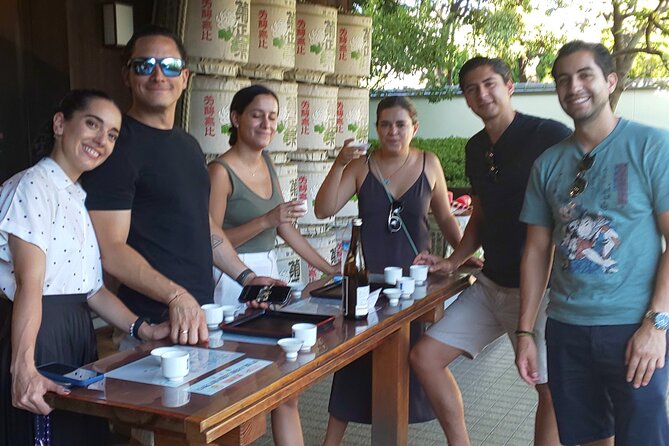
Kobe’s Nada district is Japan’s top sake-producing area. Its success comes from suitable rice, good water, favorable weather, and a location near the port. Several small museums let you see the tools, wooden containers, machines, and methods used in traditional brewing.
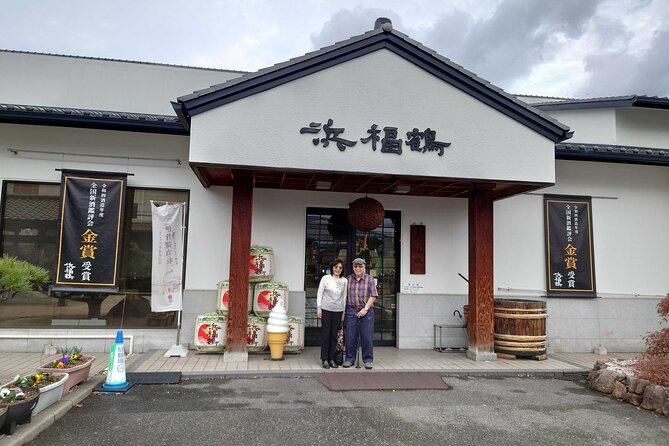
The Hakutsuru Sake Brewery Museum is often the most practical first choice. It explains how sake is made and may include tastings of premium sake. If you enjoy Japanese food and drink, this stop gives your guide plenty to explain, and it can be paired with Chinatown or a Kobe beef meal.
Sawanotsuru Sake Museum focuses on the brewing heritage of Nada. It opened in 1978, was destroyed in the 1995 earthquake, and was later rebuilt. That connection makes it useful if you want to link Kobe’s food traditions with the city’s disaster and recovery.
Sakuramasamune Kinenkan Sakuraen has a small exhibition area with older brewing tools and simple machines, plus a video presentation. Hamafukutsuru Ginjo Brewery explains the production of ginjo sake through diagrams and written displays, with a focus on its award-winning high-grade style.
Kiku-Masamune Shuzo Kinenkan occupies a wooden-and-plaster building, with traditional tools and machinery shown under atmospheric lighting and accompanied by traditional music. Kobe Shushinkan adds a larger shop, a restaurant serving Japanese food with sake, and a free guided warehouse tour held once daily.
Do not try to visit every brewery in four hours. Select one or two, depending on opening times and your interest. One guide received an apology after a group found some breweries closed, so confirm the day’s operating schedule before building your plan around sake.
Akashi Kaikyo Bridge: impressive, but not a quick add-on

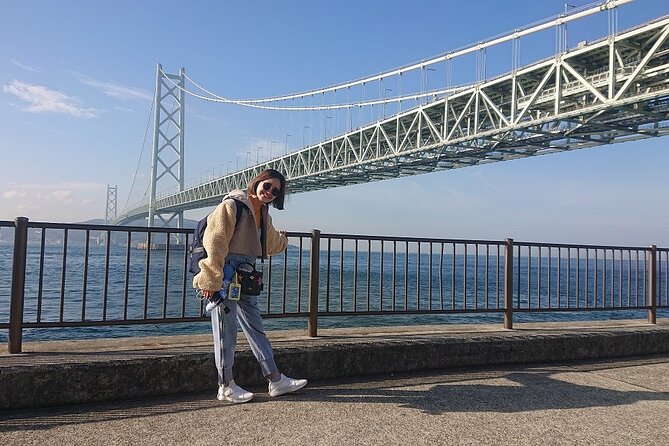
The Akashi Kaikyo Bridge stretches almost four kilometers across the Akashi Strait between Kobe and Awaji Island. Opened in 1998, it is the world’s longest suspension bridge.
This is a strong choice if you care about engineering, huge structures, and broad views. It is not a sensible extra stop after a full city tour. Its distance from central Kobe means the bridge can consume much of your four-hour window, particularly when public transportation or taxis are involved.
If you choose it, make it the main event and ask the guide to plan the rest around it. Pairing the bridge with a nearby or route-friendly stop is more practical than trying to squeeze in Chinatown, Kitano, and Nada as well.
What the guides add to the experience
The guide quality appears to be the tour’s biggest strength, but you should understand that the experience can vary by person.
Yama is repeatedly associated with strong English, humor, local knowledge, and energetic walking. He has helped visitors find Kobe beef restaurants and explain temples, homes, and local sights. He is also known for walking briskly, so tell him early if you prefer an easier pace.
Norio has been praised for careful planning, punctual communication, and help finding the correct train back to Osaka. He has combined Hakutsuru, ramen, and the Nunobiki Herb Garden in one day, and he has also handled longer routes involving Akashi Kaikyo Bridge. One less positive experience involved difficult English and confusion at one stop, so communication may not be equally smooth with every guide.
Mizuho has helped groups use trains and met visitors at the port terminal. Hiro has guided families through trains and buses and suggested restaurants. Akira has taken visitors to Shukugawa for cherry blossoms, a less famous spot that can be beautiful in season.
These examples show why you should send your interests in advance. State your walking ability, food priorities, preferred pace, and must-see sights. The more specific you are, the easier it is for the guide to shape a useful four hours.
Walking, transport, and the real cost
This is a walking tour with an on-foot meeting in a designated Kobe area. Pickup is offered in the sense that the guide meets your group, but there is no private vehicle included.
You pay separately for trains, buses, taxis, ropeways, entrance fees, food, and personal purchases. Guide entry fees are covered only for sights included among the stated tour options, so ask exactly what will be paid before the day begins.
The walking can be moderate but is not always flat. Kitano has hills and stairs, and station transfers may add distance. Some guides walk quickly, particularly when trying to fit several stops into four hours. Comfortable shoes and a realistic two or three-stop plan will improve the day.
The tour is suitable for most people, and service animals are allowed. Since it is private, your group can request a slower pace, but you should communicate that need clearly before starting.
Who should book this Kobe experience?
I would consider this tour for a couple arriving in Kobe with only half a day, a family that wants help with trains, or anyone who prefers conversation over a fixed bus route. It is also useful for first-time visitors who want a local introduction before exploring alone.
It is a good match if you want to combine a personal interest with Kobe’s main sights: sake and food, gardens and views, shrines and customs, or the earthquake and port.
I would think twice if you want a cheap walking tour, a fully guided private vehicle, or a guaranteed single guide. The price is harder to justify for a solo visitor, and distant choices can make four hours feel rushed. A group discount may improve the value for several people traveling together, but transportation and entry costs still remain.
FAQ
How long is the Kobe private tour?
The tour lasts approximately four hours, with morning and afternoon start times available.
How many sights can I choose?
The tour includes a customizable plan built around two or three sites from the available Kobe attractions.
Is transportation included?
No. Transportation fees, including public transportation, taxis, and the Shin-Kobe Ropeway, are not included. There is no private vehicle.
Where do I meet the guide?
You meet the guide on foot within the designated area of Kobe. The tour is described as a walking experience.
Is the tour private?
Yes. Only your group participates, and multiple tour groups cannot be combined.
Can I cancel for a full refund?
Yes. You can cancel at least 24 hours before the local start time for a full refund. Changes or cancellations made less than 24 hours before the start time are not accepted for a refund.
Should you book it?
Book this tour if personal planning and local help matter more to you than a low price. The strongest version is a focused route: Kitano and Chinatown, a Nada sake museum and lunch advice, or the Shin-Kobe Ropeway with one nearby cultural stop.
Do not book it expecting to cover all 13 possible attractions. Kobe is spread between mountain, city, port, and bridge, and four hours passes quickly. Send your guide a short wish list, ask for a route that fits the geography, and confirm transport costs and opening times. Done that way, this private tour can turn a short Kobe visit into a well-paced introduction rather than a hurried checklist.
Just added around Kobe
- Exploring Nada Sake Breweries Kobe Private Tour with Government-Licensed Guide★ 5.0 · 17 reviews
- Cruise Stop-Over: Private Custom Day trip to Kyoto from Kobe Port★ 4.5 · 12 reviews
- Kobe : Private Custom Tour (Excursion to Osaka / Kyoto possible)★ 4.5 · 12 reviews
- KOBE, SHIOYA, a quaint fishing town walking tour★ 5.0 · 19 reviews
- Private Shore Excursion Kobe Port – Best of Kobe with a local★ 5.0 · 19 reviews
- Kobe Half Day Tour – Private & Personalized with a Local Guide★ 4.5 · 18 reviews
- Kyoto Full Day Tour from Kobe with Licensed Guide and Vehicle★ 4.5 · 19 reviews
- Kobe: 3-Hour Sake Breweries Tour with Special Tasting★ 4.4 · 25 reviews
Kobe Tours, compared.
KOBE Sake Tasting Tour at Breweries (tasting fee included)
Our verdict →
Kobe Highlights & Hidden Gems: Private & Custom Tour with a Guide
Our verdict →
Nijigen No Mori:Naruto & Boruto Theme Park Entry Ticket
Our verdict →
Shore excursion: Full Day Private Kyoto Tour From Osaka/Kobe Port
Our verdict →
4-Hour Multicultural Kobe Walking Tour with Genuine Kobe Beef
Our verdict →
Browse the lists this tour appears in