
Reviewed · KANAZAWA TOURS
Kanazawa 6hr Private Tour with Government Licensed Guide
Kanazawa rewards a guide who can connect its gardens, samurai streets, teahouses, food, and Buddhist culture. This private six-hour walking tour lets you choose three or four sights instead of rushing through the entire city. Guides such as Yoshi, Yumiko, Keiko, Tomoko, and Shoten have tailored visits around architecture, crafts, food, and Japanese history.
I like the one-to-one attention and the chance to ask practical questions as you go. I also like that the guide can point you toward less obvious places, explain geisha customs, help with local buses, or suggest a small restaurant. The main catch is simple: this is a walking tour, not a private-car tour, and admission fees, transport, and lunch cost extra.
Key points to know before booking
- Choose only three or four sights: The long list of possible stops is a menu, not a promise to visit every location.
- Kenrokuen gives you Kanazawa’s classic view: Pair it with Kanazawa Castle or Seisonkaku Villa for a strong introduction to the city’s ruling family.
- Your guide can shape the day around you: Past tours have focused on local handicrafts, architecture, food, geisha culture, and public-bus travel.
- It is a true walking experience: Meet your guide on foot within the designated Kanazawa area. There is no private vehicle.
- Budget for extras: Entrance tickets, bus or other transport fares, lunch, and personal purchases are not included.
- Best for first-time visitors: The tour is especially useful if you want context, local orientation, and help deciding what to see afterward.
Why a private guide works well in Kanazawa
Kanazawa is compact enough to explore on foot, yet its attractions are spread across several distinct areas. A garden visit feels different from a samurai neighborhood, and a food market tells a different story from a contemporary art museum. Without local guidance, you can see the buildings and still miss how they fit together.
A private guide gives you room to slow down or change direction. If you care about traditional crafts, you can give more time to the old districts. If food matters most, Omicho Market can become a priority. If you have already seen famous gardens elsewhere in Japan, you can put more time into museums, shrines, or the preserved samurai quarter.
The six-hour length is useful because it allows a proper half-day rather than a quick orientation walk. Still, the tour includes only three or four selected sites. The eleven locations listed as possible stops are options, not an itinerary you can complete in one day. That distinction matters when you compare this experience with a fixed sightseeing route.
The strongest part of the experience is the conversation. Guides have helped with bus tickets, explained Japanese customs, suggested places to visit later, and introduced local food. Yoshi, in particular, was praised for making public-bus travel part of the local experience, while Shoten contacted his group before arrival to ask about interests in handicrafts and architecture.
A few more Kanazawa half-days worth comparing
- Kanazawa: Kenrokuen Tea Ceremony Experience
★ 4.8 · 1,139 reviews - Kanazawa Half Day Tour (Private Guide)
★ 5.0 · 361 reviews - Kanazawa Full Day Tour (Private Guide)
★ 5.0 · 323 reviews
Kenrokuen Garden, Kanazawa’s essential first stop
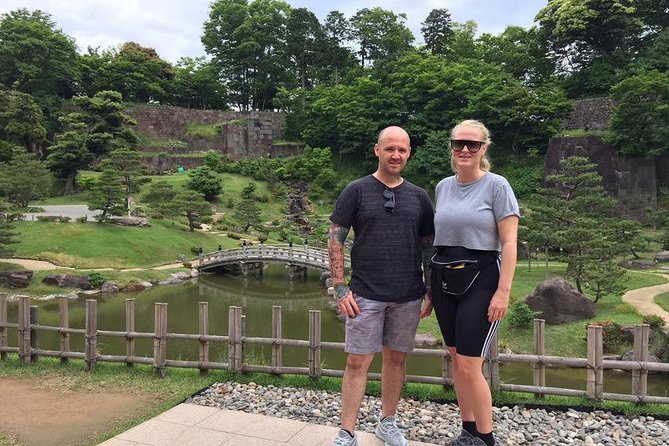
Kenrokuen is the obvious choice for a first visit. It is counted among Japan’s three most beautiful gardens, alongside Kairakuen in Mito and Korakuen in Okayama. Its broad grounds, carefully arranged views, water features, trees, and seasonal details give your guide plenty to explain.
I would put Kenrokuen high on your list if you want a quick sense of Kanazawa’s taste and power. The garden was connected to the Maeda family, the local rulers who made Kanazawa prosperous during the Edo period. A guide can help you notice how the garden was planned for changing views rather than treated as a simple park.
Allow about an hour here. That is enough for a useful introduction, though not enough if you want to inspect every corner at a leisurely pace. The entrance ticket is not included, and the grounds involve walking, so comfortable shoes are sensible.
Kenrokuen works particularly well with Kanazawa Castle or Seisonkaku Villa. These pairings turn a pretty garden into a clearer picture of the people who commissioned and used it.
Kanazawa Castle and Seisonkaku Villa
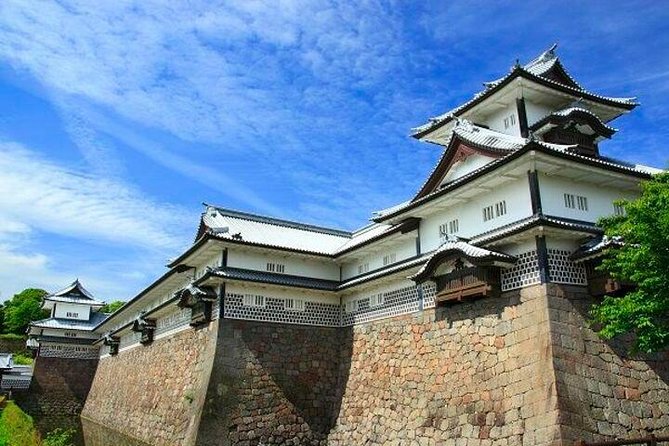
Kanazawa Castle was the seat of the Maeda Clan from 1583 until the end of the Edo period. The Maeda domain ranked just below the Tokugawa possessions in power, so the castle helps explain why Kanazawa developed such refined arts, architecture, gardens, and food traditions.
The castle area is a strong choice if you want political and military context. It also sits naturally near Kenrokuen, making the two sites an efficient pair. The castle visit requires an entrance fee, and a guide’s admission is covered only for sights included under the tour’s stated arrangements, so confirm the details when planning your selections.
Seisonkaku Villa offers a more intimate look at the Maeda family. A Maeda lord built it in the final years of the Edo period for his mother, and it is one of Japan’s finest remaining samurai residences. The villa is a better pick than the castle if you prefer domestic spaces, design, and family life over public power.
You can see why a private guide helps here. A quick visit can blur castle buildings, gardens, villas, and samurai homes together. A good explanation gives each place a separate role.
Higashi Chaya District and Kanazawa’s geisha culture
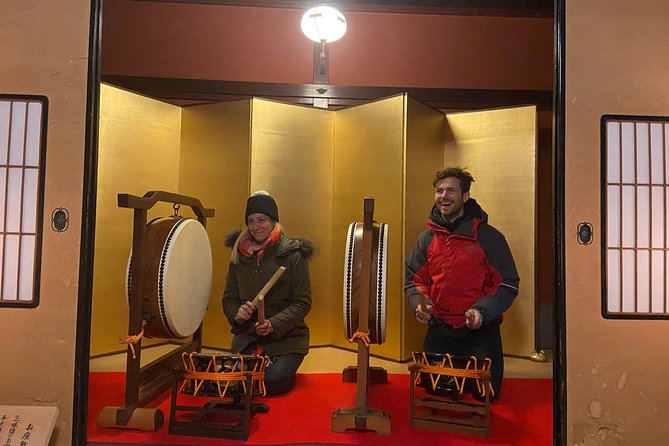
The Higashi Chaya District is one of Kanazawa’s best-known old entertainment areas. A chaya was an exclusive restaurant where geisha entertained guests with music, dance, and conversation. The district’s preserved streets and wooden buildings offer a clear sense of how formal entertainment worked during the Edo period.
This is not simply a photo stop. Ask your guide about the difference between a teahouse district and an ordinary restaurant, and about the role of geisha performance in Kanazawa culture. Past guides have explained geisha customs and even arranged opportunities to watch a performance, but the supplied tour details do not promise a performance, so treat that as a possible suggestion rather than an included feature.
Higashi Chaya is free to walk through, but individual buildings or museums may charge admission. The area can also tempt you into buying crafts, sweets, or souvenirs, so allow room in your budget if you like traditional goods.
I would choose Higashi Chaya if you want atmosphere and cultural explanation. It is less suitable if you dislike browsing or prefer a packed schedule of major monuments.
More Private-Only Departures in Kanazawa:
- Kanazawa: Private Walking Tour with a Local
★ 4.8 · 141 reviews - Kanazawa Private Tour with a Local – Highlights & Hidden Gems
★ 5.0 · 116 reviews - Kanazawa Private/Group Walking Tour: Local & Major Highlight
★ 4.8 · 113 reviews - Kanazawa 4hr Private Tour with Government Licensed Guide
★ 5.0 · 89 reviews
Nagamachi Samurai District
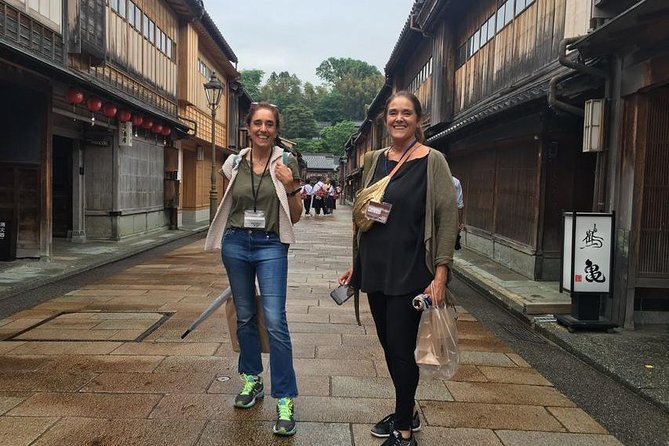
Nagamachi was the samurai district at the foot of Kanazawa Castle. Samurai and their families lived here, and the area retains a historic street pattern and surviving residences. It offers a different experience from the grand scale of the castle.
The appeal is the setting. You walk through an old residential quarter rather than viewing a single display. Walls, lanes, and houses help you picture how rank and neighborhood life shaped the city. Your guide can explain the samurai class in practical terms and connect the district to Kanazawa’s ruling family.
There is no separate admission fee for simply visiting the district. Some individual homes or museums may charge, and those fees are not included. Nagamachi is a good choice for you if you like architecture, social history, and quieter streets.
Pairing Nagamachi with the castle makes sense, but doing both along with several far-flung museums could make the day feel hurried. Let the guide help set a realistic route.
Omicho Market and a useful food stop
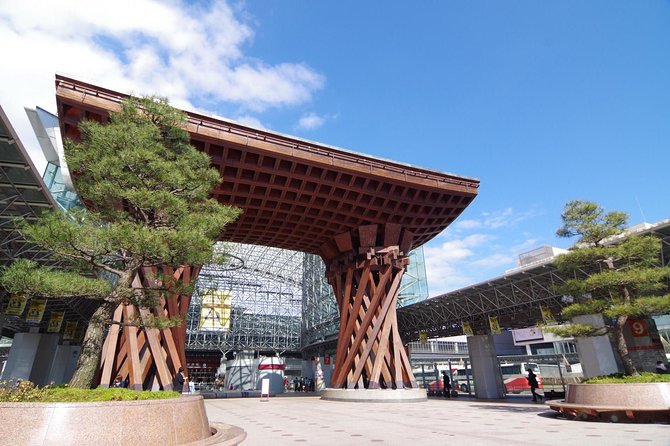
Omicho Market has served as Kanazawa’s main fresh-food market since the Edo period. Its covered streets contain about 200 shops and stalls selling seafood, produce, and other local food. It is one of the easiest places to connect the city’s culture with what people actually eat.
I especially like the market as a midday option. One guide introduced a group to a Japanese lunch at the fish market, and another shared an oden meal. Those details matter because a guide can help you understand what you are looking at rather than simply pointing out attractive food.
Lunch is not included, so you pay directly for anything you eat. The market is also free to enter, but purchases add up quickly. If you want a relaxed meal, tell your guide early, since trying to fit a full lunch between several formal attractions may shorten your time elsewhere.
Choose Omicho Market if food is one of your main reasons for visiting Kanazawa. It is less useful for you if you want a purely historical route with no shopping or meal stop.
The D.T. Suzuki Museum and the 21st Century Museum
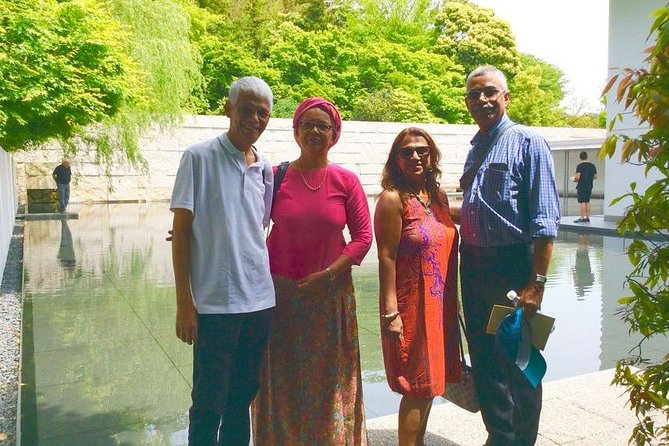
The D.T. Suzuki Museum is a small museum dedicated to Suzuki Daisetz Teitaro, a Buddhist philosopher who lived from 1870 to 1966. The museum focuses on his life and ideas, with a calm setting suited to reflection.
This is a good selection for you if you want something quieter and more focused than a major sightseeing stop. It can also add intellectual context to a day otherwise filled with castles, gardens, and old streets. Admission is extra.
The 21st Century Museum of Contemporary Art opened in 2004 and sits just a short distance from Kenrokuen. It displays work by acclaimed contemporary artists and gives the day a modern counterpoint to Kanazawa’s older districts.
The museum is a sensible choice for art lovers, but it may not suit a group with mixed interests. Since the tour covers only three or four sites, choosing a contemporary museum means giving up time at another attraction. Entrance charges are not included, and the guide can explain the city around the museum, but the museum’s own exhibits remain the main reason to enter.
Myoryuji, the so-called Ninja Temple
Myoryuji Temple is commonly called Ninjadera, or Ninja Temple. Despite the nickname, it is not actually associated with ninja. The temple was built by the Maeda lords, and its unusual design includes defensive features and deceptive spaces that make it one of Kanazawa’s more memorable visits.
The name creates a useful warning: do not book this as a literal ninja attraction. Go for the temple’s architecture and the stories surrounding its design. A guide can put the building into the context of the Maeda family and the security concerns of the Edo period.
Admission is not included. The temple may also be a less flexible stop than an open district because visits can depend on the site’s own visiting arrangements. Confirm the practical details before making it the centerpiece of your day.
I would choose Myoryuji if you enjoy unusual buildings and puzzle-like architecture. If your group prefers gardens, food, or broad city views, another stop may offer more.
Nishi Chaya and Oyama Shrine
Kanazawa has three well-preserved chaya districts, and the Nishi Chaya area gives you a second look at the city’s geisha culture. It is an alternative to Higashi Chaya, not necessarily an additional must-see. Choosing both may make sense if traditional entertainment districts are your main interest, but it leaves less time for the castle, market, or museums.
Oyama Shrine is dedicated to Maeda Toshiie, the first lord of the powerful local Maeda Clan. His successor, Maeda Toshinaga, built the shrine in 1599 on Mount Utats. It offers a religious and civic angle on the family that shaped Kanazawa.
The shrine is a useful choice for you if you want a shorter, atmospheric stop with a direct link to local history. Admission is not listed as included, though the shrine itself is among the more straightforward places to add to a walking route.
What the six hours really include
The advertised price is $155.22 per person. That is a fair value for a private six-hour service if you use the guide’s time well, especially when several people share the cost or a group discount applies. You are paying for planning, explanation, local orientation, and the ability to shape the route, not for a vehicle or a bundle of admission tickets.
The tour includes a licensed local English-speaking guide and a custom route covering three or four selected sites. It does not include transportation, entrance fees, lunch, or personal expenses. You cannot combine separate tour groups, and no private vehicle is provided.
Pickup means meeting the guide on foot within the designated Kanazawa area. One past visit began at a cruise terminal after a small meeting-time mix-up, so confirm the meeting point and start time carefully if you arrive by ship. The experience is near public transportation, and most people can take part, but expect a full walking day.
The free cancellation policy allows a full refund if you cancel at least 24 hours before the start time. Changes or cancellations inside that window are not accepted for a refund.
Who should book this Kanazawa tour
I would recommend it to a first-time visitor who wants help making sense of Kanazawa quickly. It is also a strong choice for families or small private groups with different interests, since the guide can balance gardens, food, art, architecture, and old neighborhoods.
It suits you particularly well if you want to ask questions as they arise. Past guides have helped with bus tickets, explained Japanese culture and local history, suggested later stops, and adjusted the pace for groups. Yumiko was praised for conversational English and patience, while Keiko made a hot day easier by keeping her group comfortable and engaged.
You may want another option if you need a private car, cannot walk for six hours, or want every major sight covered in one fixed route. You should also compare the total cost after adding admissions, transport, and lunch.
Should you book it?
Book this tour if you value a flexible route and a real conversation with a local guide more than a low-cost checklist. Select three or four places that match your interests before arrival, then leave some room for the guide’s suggestions.
For the broadest first visit, I would consider Kenrokuen, Kanazawa Castle, Omicho Market, and either Higashi Chaya or Nagamachi. For art and ideas, swap in the D.T. Suzuki Museum or the 21st Century Museum. For architecture and old customs, choose Myoryuji, Seisonkaku Villa, or one of the chaya districts.
At $155.22 per person, the value depends on your group size and how much use you make of the guide. If you want context, local advice, and a route built around your interests, it is a practical way to get oriented in Kanazawa.
FAQ
How long is the Kanazawa private tour?
The tour lasts approximately six hours.
How many sights can I visit?
The tour includes a customized selection of three or four sites from the possible attractions.
Is transportation included?
No. Transportation fees are not included, and the tour does not provide a private vehicle. You meet the guide on foot within the designated Kanazawa area.
Are entrance fees included?
Entrance fees are generally not included. The tour notes that the guide’s entry fees are covered only for sights listed under the stated tour arrangements.
Is lunch included?
No. Lunch and other personal expenses are separate.
Can I cancel for a full refund?
Yes, if you cancel at least 24 hours before the experience start time. Cancellations or changes made less than 24 hours before the start time are not accepted for a refund.
Just added around Kanazawa
- Kanazawa: Sushi & Japanese Cooking Class at a Historic School★ 5.0 · 66 reviews
- Taste of Kanazawa (Food tasting in Omicho Market & Higashi Chaya)★ 5.0 · 58 reviews
- Kanazawa private half day/Photoshoot by professional photographer★ 5.0 · 38 reviews
- Kanazawa private 1 day/Photoshoot by professional photographer★ 5.0 · 33 reviews
- Photoshoot session by professional photographer in Kanazawa★ 5.0 · 42 reviews
- Private Ring Craft Experience in Kanazawa★ 5.0 · 22 reviews
- Omicho Market & Kanazawa Ramen Tasting Tour★ 5.0 · 15 reviews
- True Kanazawa: Private Walking tour with a Local guide★ 5.0 · 66 reviews
Kanazawa Tours, compared.

Browse the lists this tour appears in