
Reviewed · CRUISES & BOAT TOURS
Dazaifu and Yanagawa Canal Cruise Private Guide Day Tour by Train
Yanagawa gives this day its special character: you glide through old waterways in a low Donko boat while the boatman sings traditional songs. Then you visit Dazaifu Tenmangu, Kyushu’s best-known shrine for students and anyone seeking success in learning. The mix of water, rail travel, food, and faith feels more varied than a standard shrine tour.
I like that the guide handles the train journey and local timing, and I like the personal scale of the tour. Guides such as Naoko, Mayumi, Shinobu, Yoko, and Kate have been praised for being organized, friendly, and clear. The main consideration is pace: you will walk, transfer by train, and spend about eight hours on the move, with lunch and private transportation not included.
Key points to know before booking
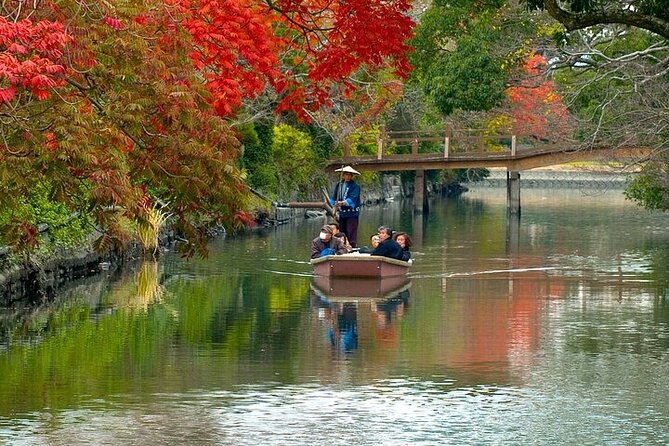
- Yanagawa’s one-hour boat ride takes you through a former castle town by traditional Donko boat, often with a singing boatman.
- Dazaifu Tenmangu honors Sugawara Michizane, the deity linked with education and learning.
- Your guide travels with you by train, making the day easier if you are not familiar with Fukuoka’s rail system.
- Lunch is separate, but Yanagawa is known for local meals including steamed eel and katsudon.
- The tour is private for your group, although the train and canal boat are public local experiences.
- Sagemon decorations return from February 11, 2026, when Yanagawa’s 52-day Hina Matsuri celebration begins.
Why this Fukuoka day trip works so well
Many day trips from Fukuoka ask you to choose between a shrine, a town, or a scenic ride. This one gives you all three. You begin in Tenjin, board a train with your guide, spend the first major part of the day in Yanagawa, and later visit Dazaifu Tenmangu.
That variety is the real value. The boat ride is quiet and slow. The shrine brings a more formal religious setting. The train shows you how easily people move around northern Kyushu. You are not sealed inside a tour bus all day, and the public transport element adds a useful slice of ordinary Japanese life.
The tour costs $166.57 per person and lasts about eight hours. That is not the cheapest way to visit these places, especially because lunch is extra and there is no private vehicle. Still, the price includes round-trip train tickets, the canal cruise, an English-speaking guide, and Umegae-mochi. For a private group that wants help with routes, timing, cultural context, and ordering the day, the cost can make sense.
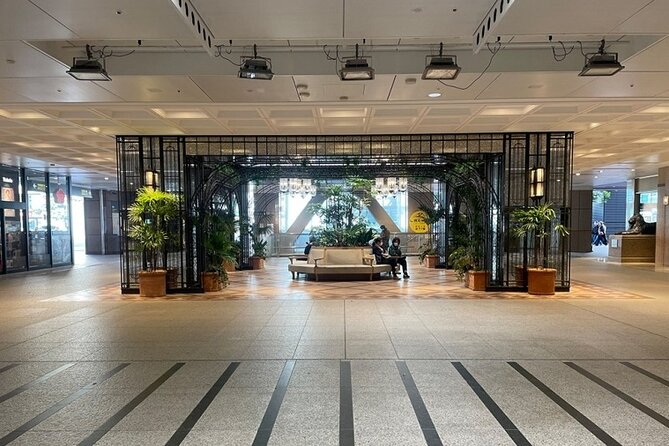
You meet at 9:30 am at the Fukuoka Mitsukoshi Lion Plaza in Tenjin and return to that same meeting point. This central start is useful if you are staying around Tenjin, but you should allow time to reach the meeting place before the start. Confirmation is sent within 48 hours of booking, subject to availability.
More Boat Tours in Fukuoka:
- Mt Fuji & Hakone Cruise, Drum Show Bullet Train 1 Day from Tokyo
★ 4.0 · 7,413 reviews - Tokyo Mt Fuji 5th St & Hakone Cruise Bus Tour w/Bullet Train
★ 4.4 · 5,024 reviews - Tokyo: Mt. Fuji 5th Station & Hakone Cruise 1-Day Bus Tour
★ 4.2 · 2,381 reviews
Riding the train from Tenjin to Yanagawa
The train ride is not just a transfer. It is part of the appeal. Your guide takes care of the round-trip tickets and helps you follow the route, which matters if you are still finding your feet with Japanese stations and train signs.
The trip to Yanagawa takes about an hour according to the tour details. That gives you time to settle into the day and see the built-up center of Fukuoka give way to smaller communities. You are not traveling in a private car, so the journey has a local feel and normal public transport limits. Crowded trains, station walking, and fixed departure times are part of the bargain.
A strong point here is the guide’s role. Several guides have been praised for keeping the day on schedule and knowing exactly where to go. Kate has been described as especially organized, arriving with name tags, flip books, and plenty of background material. Shinobu was noted for making the train journey feel relaxed through careful attention to the schedule.
That support is most useful for families, first-time visitors to Japan, and anyone who wants to focus on the view instead of checking route maps. It also means you are not left to find the canal boarding point on your own.
Drifting through Yanagawa on a Donko boat
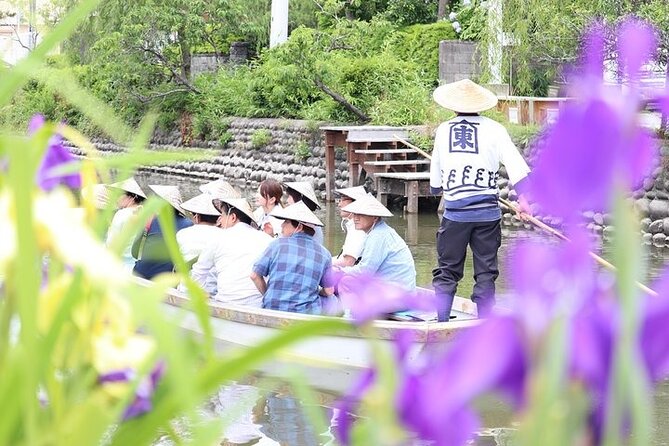
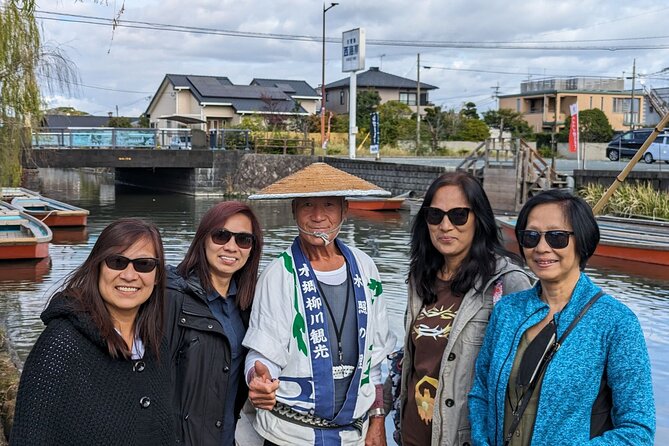
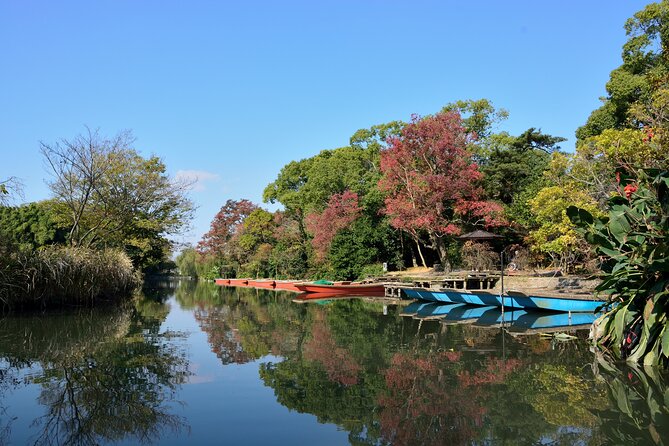
Yanagawa is often called the Venice of Japan, though the comparison should be taken lightly. You will not see grand European buildings or broad city canals. What you get instead is a smaller water town shaped by its old moat system, with narrow waterways, trees, walls, bridges, and low views that are hard to find from the street.
The canal cruise lasts about 60 minutes. You sit in a traditional Donko boat and move at an unhurried pace. This is the restful center of the day. The boat gives you time to watch the town pass without trying to photograph every detail or keep up with a guide walking ahead.
One especially memorable touch is the boatman’s singing. The experience can include traditional songs as the boat moves through the canals. That sound, combined with the slow boat and water-level view, gives the ride a local character that a quick photo stop cannot provide.
The boat ride is included in the tour price, and admission is listed as included for the Yanagawa stop. Because the tour is private for your group, your guide can help explain what you are seeing and keep the experience personal, though the boat ride itself is a local shared activity rather than a private charter.
You should not expect a high-energy attraction. The pleasure is in the quiet pace. If you want constant commentary, dramatic sights, or a packed schedule, the hour may feel slow. I think that is precisely why it works well beside Dazaifu. The two stops have different moods.
Walking Yanagawa’s moat and choosing lunch
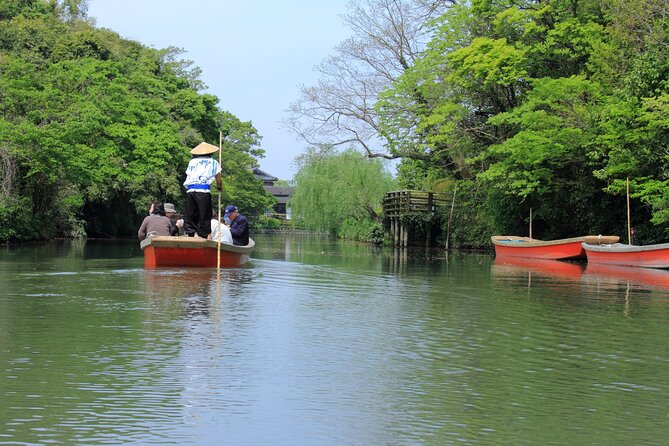
After the cruise, you have about an hour to stroll around the moat area and take in Yanagawa on foot. This time matters because the boat only shows you the town from water level. On foot, you can notice details along the banks, pause for photos, and get a better sense of the old castle-town layout.
The itinerary also allows time for lunch in Yanagawa, but the meal is not included. That gives you freedom, but it also means you should budget separately. One meal specifically mentioned from the experience is steamed eel, while katsudon is another option. Your guide can help with recommendations when asked, which is useful if you want to try a local specialty rather than make a quick choice near the station.
Do not treat the lunch break as a minor detail. Yanagawa is known for its food, and a meal here helps turn the stop into more than a boat excursion. At the same time, the tour price is easier to judge if you remember that you are paying for lunch yourself.
The Yanagawa portion takes about four hours in total, including the cruise, walking time, and lunch. That is a generous block, but it is not excessive once you include the rail journey and the need to reach the boarding area. You will have space to eat without turning the meal into a race.
More Train Trips in Fukuoka:
- Mt Fuji and Hakone 1-Day Bus Tour Return by Bullet Train
★ 5.0 · 26,383 reviews - From Tokyo: Mt. Fuji & Hakone Tour w/ Return by Bullet Train
★ 4.2 · 1,278 reviews - From Tokyo 1-Day Kyoto English-guided Tour by Bullet Train
★ 4.0 · 376 reviews - Mt. Fuji and Hakone Day Trip From Tokyo with Bullet Train Option
★ 4.0 · 368 reviews
Yanagawa’s Sagemon season in 2026
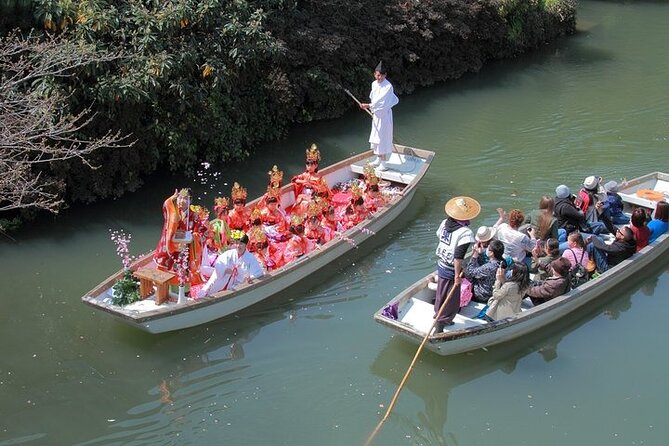
If you visit from February 11, 2026, during the Yanagawa Hina Matsuri Sagemon Meguri, the town takes on a festive seasonal look. The event lasts 52 days and features handmade Sagemon decorations, auspicious fabric crafts, and colorful Yanagawa balls.
The decorations are linked with wishes for girls’ healthy growth, happiness, and good fortune. They are traditionally displayed during the Hina Matsuri season, and their handmade quality gives the town a more intimate feel than a large commercial festival.
This seasonal detail may be a deciding factor for some visitors. If your dates fit, the decorations add another reason to spend time walking after the cruise. If you are visiting outside the festival period, the canal ride and town remain the main attractions, so the tour does not depend on the event.
Visiting Dazaifu Tenmangu, Kyushu’s shrine of learning
Dazaifu Tenmangu is dedicated to Sugawara Michizane, a scholar and politician from Japan’s Heian period. His reputation for learning led to his association with Tenjin, the Shinto deity of education. That is why students and families visit the shrine to pray for academic success.
The shrine is one of the most important Tenmangu shrines in Japan, alongside Kyoto’s Kitano Tenmangu. The grounds are known for their long history, traditional religious setting, and thousands of plum trees. The tour description places the guided visit at about one hour, with no separate admission charge.
Your guide helps turn the shrine from a quick photo stop into a place you can understand. The significance of the grounds, the connection to learning, and the stories tied to Michizane are easier to grasp with someone explaining them as you walk.
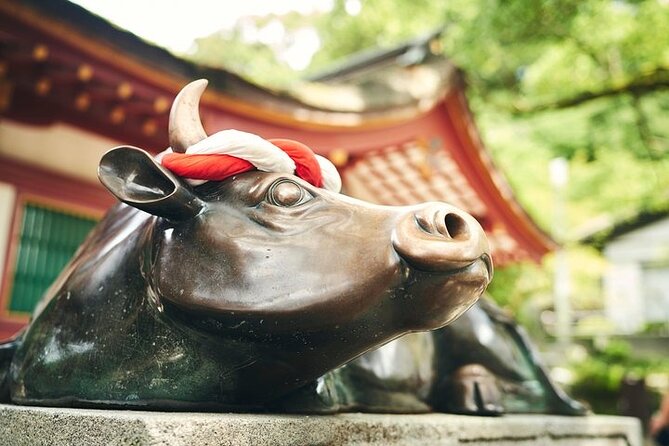
There are also unusual guardian figures and shrine objects to notice. One family described seeing a golden calf and a unicorn together as shrine guardians, an unexpected detail that made the visit memorable. You should not assume every object has the same meaning as a standard temple statue, so this is a good place to ask your guide questions.
The famous plum trees are an important part of the shrine’s identity. If you visit during the right season, they may add color and fragrance to the grounds, but the exact appearance depends on timing. The shrine remains worthwhile outside blossom season because of its religious importance and architecture.
The small extras: Umegae-mochi and guide support
Umegae-mochi is included with the tour. This is a rice cake filled with sweet bean paste and is closely associated with Dazaifu. It gives you a simple taste of the area without requiring another food stop or a complicated order.
The included treat is modest, but it fits the day well. After the canal cruise and shrine visit, a local sweet offers a quick introduction to a regional favorite. If you have a strong preference for food or dietary needs, remember that the tour details only identify the rice cake and its filling, so you may want to ask about suitability when booking.
The guide is the strongest practical feature of the experience. Names associated with past departures include Naoko, Mayumi, Shinobu, Yoko, Kate, May, and 世利 San. You are not guaranteed a particular guide unless the operator confirms one, but the range of feedback points to a team that can explain Japanese culture, manage trains, and adjust help to your questions.
Naoko has been praised for being punctual, friendly, and clear about where to go. Mayumi has been described as easy to talk with and helpful in explaining Japanese culture and history. Yoko was noted for explaining both the boat ride and the shrine in a way that made the day easy to follow.
That personal help matters more here than it would on a simple entrance-ticket tour. The day involves trains, a canal boarding point, a meal break, and two major destinations. You are paying partly for the coordination.
How demanding is the eight-hour schedule?
The tour requires a strong level of physical fitness. That does not mean a strenuous hike, but you should expect walking around stations, Yanagawa’s moat area, shrine grounds, and transfer points. You also need to manage a full day that begins at 9:30 am and ends back at the Tenjin meeting point.
The tour is near public transportation, which makes it practical but not effortless. There is no private transportation included. The guide accompanies you on the public train, so you gain local experience but lose the comfort of being driven from door to door.
I would choose this tour if you like active sightseeing with periods of rest. The canal ride provides a break from walking, while the train ride breaks up the day. I would think twice if you need frequent sitting, have difficulty with station transfers, or prefer a vehicle-based tour.
Because the activity is private, only your group participates in the guided portion. That is a real advantage for families, couples, and small groups with different interests. You can ask for more explanation at Dazaifu, spend more time around Yanagawa, or request food suggestions without trying to fit into a large group.
Is $166.57 a fair price?
At $166.57 per person, this tour costs more than arranging a basic train trip and visiting the two places independently. The comparison is not quite even, though. You also receive round-trip train tickets, the canal cruise, an English-speaking guide, and Umegae-mochi.
The price is strongest for a private group that values convenience and explanation. If two or more people are sharing the same guide, group discounts may improve the value. The tour also removes much of the uncertainty from a day that uses several rail and local transport steps.
You still need to pay for lunch, and there is no private vehicle. If you are comfortable navigating Japanese trains and researching both destinations in advance, you may prefer an independent day. If you want a guide who can explain the shrine, help with the train, and make lunch easier, the added cost is more understandable.
The tour is booked an average of 38 days ahead, so popular dates may fill early. Free cancellation is available up to 24 hours before the start time. Changes or cancellations inside that window are not accepted for a refund.
Who should book this day tour?
I would recommend it to you if you want two very different sides of the Fukuoka area in one day. Yanagawa gives you water, food, and a slower rural-town mood. Dazaifu gives you an important shrine, religious stories, and a strong link with Japanese education.
It suits first-time visitors who want help with trains and cultural context. It also suits families, as the boat offers a calm change of pace and the shrine gives children unusual sights to notice. Food-focused visitors may enjoy the chance to try steamed eel in Yanagawa, though lunch remains your own expense.
I would skip it if you want a completely independent day, dislike fixed schedules, or do not want to walk through stations and shrine grounds. I would also avoid booking it simply for Dazaifu, since a separate visit may be enough if the shrine is your only priority.
Should you book it?
Book this tour if you want a well-organized, private-guided day that combines a traditional boat ride, local train travel, Yanagawa food, and one of Kyushu’s most important shrines. The canal cruise and the guide support are the main reasons to choose it.
Before paying, check your group’s fitness level, budget for lunch, and confirm that an eight-hour public-transport day suits you. If it does, this is a thoughtful way to see two destinations that feel quite different from central Fukuoka.
FAQ
Where does the tour start?
The tour starts at 9:30 am at Fukuoka Mitsukoshi Lion Plaza, 2-chōme-1-1 Tenjin, Chuo Ward, Fukuoka.
Where does the tour end?
The activity ends back at the same meeting point in Tenjin.
How long does the experience last?
The tour lasts approximately eight hours.
Is this a private tour?
Yes. Only your group participates in the private tour activity.
Are train tickets included?
Yes. Round-trip train tickets are included.
Is lunch included?
No. Lunch is not included, so you pay for your own meal in Yanagawa.
Is the Yanagawa canal cruise included?
Yes. The 60-minute Yanagawa canal cruise is included.
What food item is included?
Umegae-mochi, a rice cake with sweet bean paste inside, is included.
Can I cancel for a full refund?
Yes, if you cancel at least 24 hours before the experience start time. Cancellations made less than 24 hours before the start time are not refunded.
Just added around Fukuoka
- Fukuoka Sumo Tournament November 2025 with a Sumo Expert Guide★ 5.0 · 21 reviews
- Fukuoka Group/Private Tour by Local Professionals!★ 5.0 · 15 reviews
- Hakata Old Town Walking Tour Tracing the True History of Fukuoka★ 5.0 · 17 reviews
- Colors of Japan, Fukuoka Nokonoshima Island Park & Wagyu BBQ★ 5.0 · 15 reviews
- Bike Tour in Fukuoka City【Bike is Life】Fukuoka ” Hakata ” Ride★ 4.5 · 18 reviews
- Fukuoka Private Tour: Heart and Tradition of Hakata★ 5.0 · 19 reviews
- Fukuoka’s Sacred Path: Temples, History & Culture★ 5.0 · 17 reviews
- In Fukuoka! Guide to an izakaya only 100% locals know/Bar Hopping★ 5.0 · 43 reviews
Cruises & Boat Tours, compared.
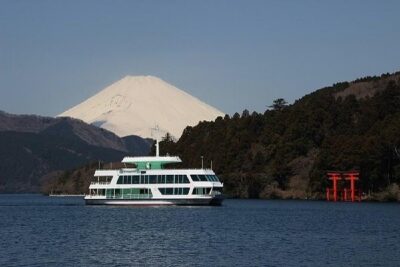
Mt Fuji & Hakone Cruise, Drum Show Bullet Train 1 Day from Tokyo
Our verdict →
Meiji Shrine, Asakusa, Skytree Bus Tour and Cruise
Our verdict →
Dotonbori District River Cruise with Drink Discount
Our verdict →
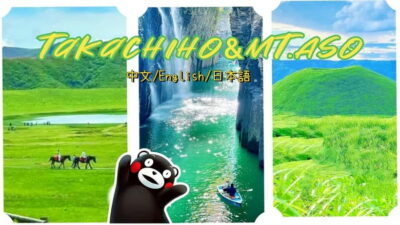
Mt. Aso & Takachiho Gorge Tour with Optional Boat Ride
Our verdict →
Osaka/Kyoto: Amanohashidate & Miyama Tour with Boat & Lunch
Our verdict →
Browse the lists this tour appears in