
Reviewed · PRIVATE CAR WITH DRIVER
Private Car Tour to Mt. Fuji Lake Kawaguchiko or Hakone
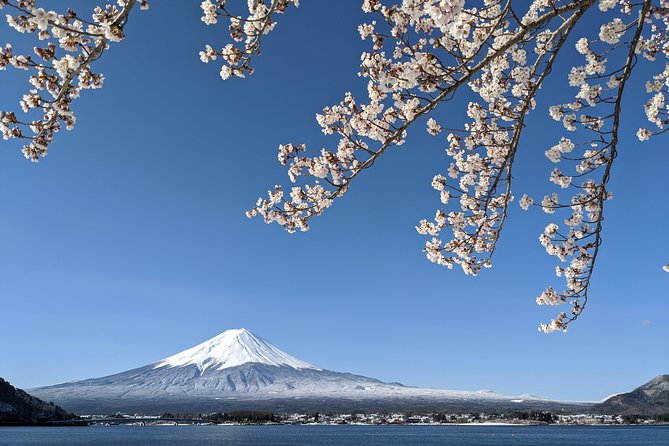
The best thing about this private Mt. Fuji tour is that you do not have to squeeze your day into a fixed route. You can focus on grand views, old shrines, lakeside walks, caves, museums, sake, seasonal flowers, or Hakone’s volcanic sights. Your guide and driver can adjust the plan as weather, traffic, and your energy level change.
I like the hotel pickup and the comfortable private van, especially for families or groups sharing the cost. I also like the local guiding: people such as Ken, Tomomi, Bob, Taiji, and Hiro have been praised for clear English, thoughtful planning, and small acts of care, including arranging meals or helping with family needs. The main drawback is the price, and cloudy weather can hide Fuji even after you have driven a long way.
Key points to know before booking
- Choose four to six stops: The long list of possible sights is a menu, not a promise to visit everything.
- Private transport saves hassle: Hotel pickup, a private air-conditioned minivan, and a driver make this easier than juggling trains and buses.
- Fuji views are never guaranteed: Clouds can cover the mountain, and the tour does not offer a refund simply because the summit is hidden.
- The route can be cultural or outdoorsy: Pick shrines and museums, caves and forests, ropeways and cruises, or a mix.
- The price works best for a group: At full capacity, $1,286.89 works out to about $161 per person before admissions, food, and gratuity.
- Traffic can reshape the day: The return to Tokyo may take much longer than expected, especially on holidays or busy weekends.
Why a private Fuji day can be worth the cost
This is not a standard bus excursion with a guide calling out the next stop. It is a private day for your own group, with a suggested route built around your interests. The tour runs about 10 to 11 hours and includes pickup and drop-off at your hotel or accommodation in Tokyo.
The price is $1,286.89 per group of up to eight. That sounds steep for two people, where the cost is roughly $643 each. For eight people, it is about $161 each, before entrance fees, lunch, tolls for the Fuji Subaru Line, and gratuity. A family or group of friends can get much better value than a couple.
You also pay for time. Reaching the Fuji area by public transport is possible, but the attractions are spread across several lakes and mountain towns. A private vehicle lets you move between them without working out bus connections or carrying shopping bags between stations. The guide can also switch the order of stops when clouds gather around Fuji.
The group size is limited to your party, and professional guides are available in English, French, Spanish, Chinese, and Korean. The exact guide depends on assignment, but names that appear in the operating team include Ken, Tomomi, Bob, Taiji, Hiroko, and Reiko. Guides have been especially praised for advance communication, practical suggestions, and keeping the day comfortable for children and older adults.
More Private Car Days in Mount Fuji:
- Tokyo Private Sightseeing Tour by Car- English speaking chauffeur
★ 5.0 · 1,004 reviews - Tokyo Private Tour by Vehicle with English-Speaking Chauffeur
★ 5.0 · 504 reviews - Kyoto Private Car Tour – Full Day with Local Guide & Nara Option
★ 5.0 · 169 reviews
Start with the classic Fuji view at Arakura
Many people want one photograph above all others: Mt. Fuji rising behind the five-story Chureito Pagoda. The view comes from Arakurayama Sengen Park, reached through the Arakura Fuji Sengen Shrine area.
The shrine honors a fire goddess and forms part of the religious tradition around Fuji. The pagoda viewpoint is beautiful, but it requires stairs and may be crowded. You should allow time for the walk rather than treating it as a quick roadside photo stop. The stated visit can range from 30 to 60 minutes, though the photo stop itself may be shorter.
This is one of the strongest opening choices on a clear morning. If Fuji is visible, your guide may sensibly put this stop early in the day before clouds build. If the mountain is hidden, the shrine and pagoda still provide a worthwhile cultural stop, but the famous composition will not be there.
Add context at the Fuji World Heritage Center
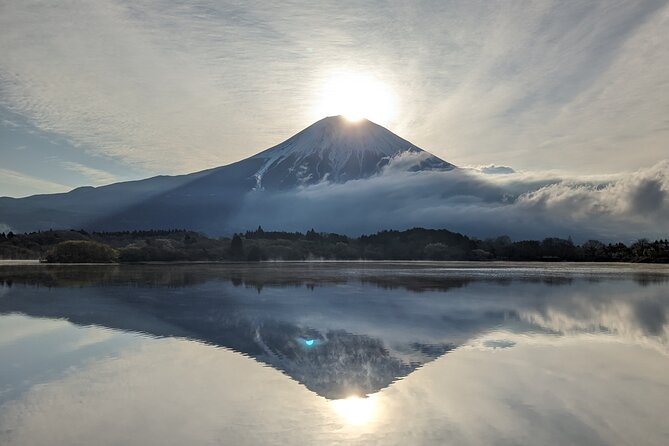
The Fuji World Heritage Center uses video and visual displays to explain the mountain, its rituals, and its place in local culture. Plan 20 to 60 minutes here.
This stop helps turn Fuji from a pretty shape into a sacred and cultural landmark. It is a good choice for you if you want more than photographs, and it gives families a useful indoor break if the weather turns wet. The visit may feel less essential if your priority is outdoor scenery and you have only a few hours.
The guide can help connect the center to the shrines and pilgrimage traditions you see later. That human context is one reason a private guide adds more than a driver alone.
Spend your main lake time at Kawaguchiko
Lake Kawaguchiko is the most visited of the Fuji Five Lakes and usually provides the broadest choice of viewpoints, restaurants, shops, and seasonal attractions. The shoreline changes character through the year, with flowers, autumn colors, and clear winter views all offering different reasons to stop.
At Fuji Oishi Hana Terrace, you can browse regional crafts and souvenirs and try ice cream or sorbet made with local fruit. Oishi Park is known for flowers across the seasons, especially lavender. These are easygoing stops, useful when your group wants scenery without a demanding hike.
For a higher view, take the Mt. Fuji Panoramic Ropeway from the lakeshore to 1,075 meters in about three minutes. From above, you can look over Lake Kawaguchi and Fuji Yoshida city, with Fuji visible on a clear day. Allow 30 to 90 minutes, since queues can change the timing. The ropeway is not included, so pay separately.
The Kawaguchiko Music Forest Museum offers a different mood, with European-style gardens and old automatic musical instruments. It suits music lovers and anyone wanting a quieter indoor attraction. It is also an admission-charge stop, so I would choose it only if the collection interests you.
The Itchiku Kubota Art Museum is another strong choice. It displays rare kimono art in distinctive buildings created by the artist Itchiku Kubota, with a shop carrying original souvenirs. The visit can take 30 to 90 minutes, making it a serious cultural stop rather than a quick photo break.
A few more Mount Fuji half-days worth comparing
- Mt Fuji and Hakone 1-Day Bus Tour Return by Bullet Train
★ 5.0 · 26,383 reviews - Mt Fuji & Hakone Cruise, Drum Show Bullet Train 1 Day from Tokyo
★ 4.0 · 7,413 reviews - Tokyo Mt Fuji 5th St & Hakone Cruise Bus Tour w/Bullet Train
★ 4.4 · 5,024 reviews - From Tokyo: Mount Fuji Full-Day Sightseeing Trip
★ 4.5 · 4,970 reviews
See shrines, ponds, and old village life
Kitaguchi Hongu Fuji Sengen Shrine is one of the principal shrines on the northern side of Fuji. It is tied to the old route for climbing the mountain and forms part of the Fujisan Cultural Site. Choose it for tall trees, quiet worship spaces, and a closer look at Fuji’s religious traditions.
Oshino Hakkai offers a more lively village stop. Eight ponds are fed by snowmelt from Fuji, and the area has food stalls and shopping. It can be busy, but it is a good place to sample local snacks and see how water from the mountain shapes the region.
Saiko Iyashi no Sato Nenba recreates an old village with thatched-roof houses and views toward Fuji. Local crafts and artists give the visit more substance than a simple photo stop. You can arrange kimono or samurai armor rental in advance, which could be fun for families, though admission is not included.
The village, shrine, and ponds make a good cultural trio. I would not attempt all of them alongside every lake, cave, museum, and ropeway. Pick the stops that fit your group instead of collecting destinations like stamps.
Decide carefully about the Fuji Fifth Station
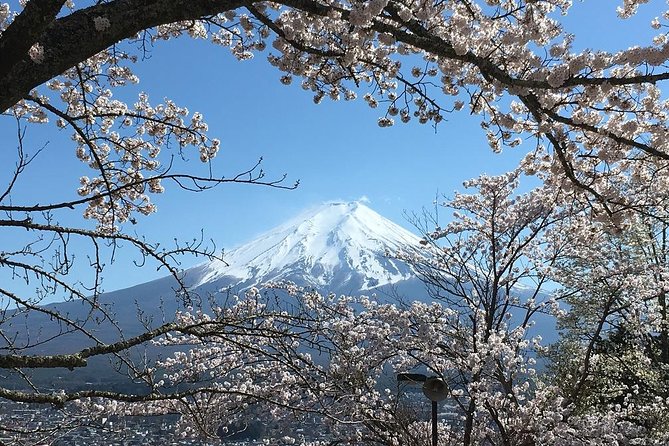
The Fifth Station sits about 2,300 meters up Fuji and is the highest point on the mountain reachable by car. On a clear day, it gives you a close look at the upper slopes and a strong sense of the mountain’s scale.
The toll fee of 2,100 yen is paid separately. Access is closed from July to mid-September during the main climbing season and may also close in winter. The trip usually takes about two hours, so it is not a small add-on.
I would choose the Fifth Station only if the mountain is reasonably visible and your group values being high on Fuji. If clouds are already covering the upper slopes, the extra drive may not repay the time. Your guide can help judge that on the day, but the tour does not guarantee a summit view.
Explore Aokigahara with care
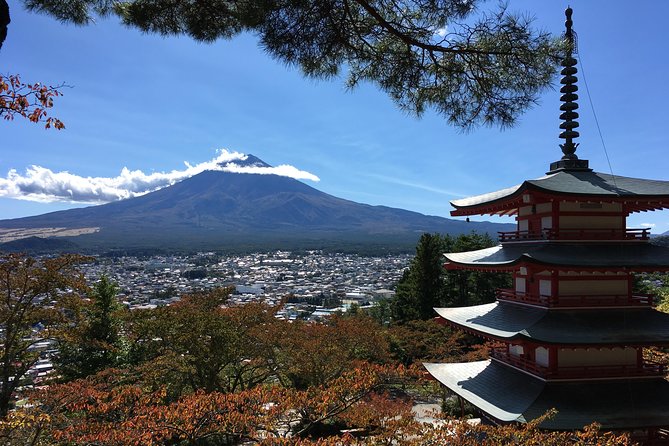
Aokigahara Jukai is the broad forest associated with the lava flows of Fuji. The area offers several caves, each with a different feel.
Narusawa Ice Cave and Fugaku Wind Cave are compact volcanic caves with visits of about 15 to 30 minutes. The Saiko Bat Cave is larger and takes about 20 to 45 minutes. These are active, uneven places rather than polished museums, so wear sensible shoes and expect some climbing or confined spaces.
The forest also offers a possible 30-minute hike. You should tell the guide if you want walking time, since adding a hike can mean dropping another stop. I like this part of the tour for the geology and quiet, but it is not the best use of time for someone who wants only classic Fuji photographs.
Choose Hakone for volcanoes, water, and art
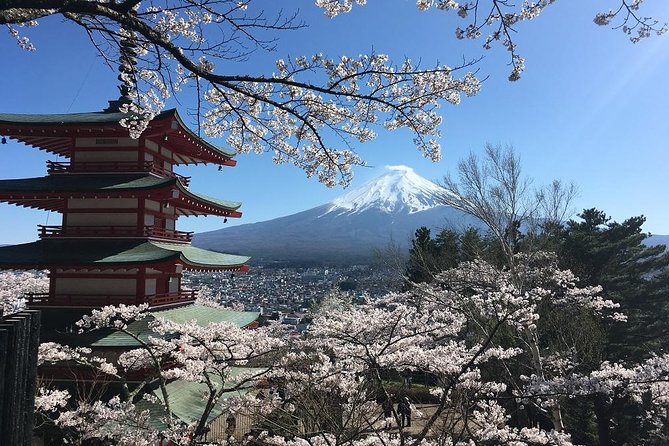
Hakone is a different day from Kawaguchiko, though both are centered on mountain scenery. Its main sights cluster around Lake Ashi, Owakudani, the ropeway, shrines, museums, and old road history.
The Hakone Ropeway reaches about 1,350 meters and provides the best aerial views in the Hakone area. The ride takes roughly 45 to 90 minutes when queues and transfers are included. On a clear day, you may see Fuji, but visibility remains weather dependent.
At Owakudani, you can see volcanic activity and try the famous black eggs. Local tradition says eating one adds seven years to your life. I would treat that as a bit of fun, while appreciating the sulfurous volcanic setting. The ropeway and Owakudani work well together, but weather or operating conditions may change the schedule.
Lake Ashi is the center of Hakone’s water scenery. A sightseeing cruise takes you across the caldera lake, with the famous pirate-style vessel as one option and a regular cruise ship for a less theatrical ride. The trip takes about 30 minutes, and the fare is extra.
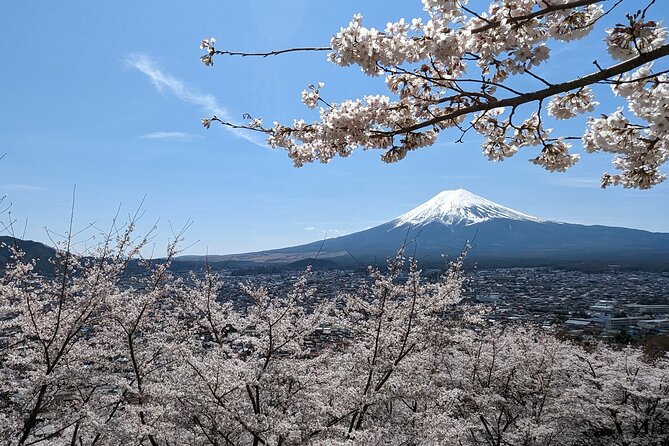
Hakone Shrine is known for its lakeside torii gate and dates back about 1,260 years. The approach and photo area can be busy, and the shrine is best paired with a little patience. Onshi Hakone Park, a former Imperial garden, offers a calmer walk and possible views of Fuji, cherry blossoms in spring, and red maple leaves in autumn.
Add history or art in Hakone
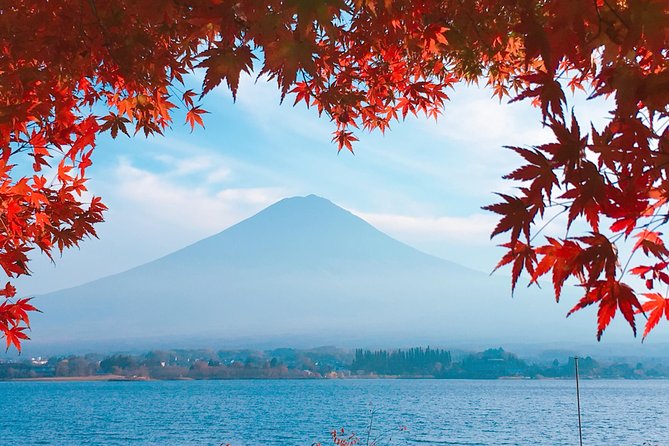
The Hakone Open-Air Museum fills an outdoor setting with Japanese and Western sculpture. It works well for mixed-age groups because you can walk at your own pace, and photographs are permitted. Allow 45 to 90 minutes, with admission extra.
Hakone Sekisho and its museum explain the old checkpoint system and daily life during the Edo period. This is a compact history stop, useful if you want context for the old road through Hakone.
Odawara Castle offers samurai and ninja displays and is the nearest castle to Tokyo. It takes 30 to 90 minutes and has an extra admission fee. You can also consider the Mishima Skywalk, Japan’s longest pedestrian suspension bridge, though the view depends strongly on clear weather.
Other options include the Pola Museum of Art near Atami, a Venetian-style glass museum, Japanese and Oriental art museums, and a small museum devoted to samurai weapons. These choices are best for repeat visits or groups with a clear museum interest. Trying to combine them with the ropeway, cruise, shrine, and Owakudani would make the day too rushed.
Build the day around four to six stops
The list of possible sights is unusually long, but that does not mean you can visit them all in 10 or 11 hours. The practical plan is four to six major stops, with your guide helping choose the best mix.
For a first Fuji day, I would consider Arakura Sengen Shrine and Chureito Pagoda, Lake Kawaguchiko, Oishi Park, Oshino Hakkai, and either a cave or the Fifth Station. Add the ropeway only if the queue and weather make sense.
For Hakone, a good outline is the ropeway, Owakudani, Lake Ashi cruise, Hakone Shrine, and either the Open-Air Museum or Odawara Castle. That is enough to feel the area without turning the day into a race.
Your guide can also arrange seasonal activities such as fruit picking in Yamanashi, strawberry picking, winery visits, skiing, moss phlox at Fuji Motosu Resort, or the Yamanakako amphibious KABA bus. Reservations are needed for some activities, so raise the idea before the tour date.
Prepare for weather, traffic, and extra costs
Fuji can disappear behind clouds at any time. The tour may change its schedule or cancel activities because of weather or traffic, but a poor view alone does not guarantee a refund. Winter often offers clearer views, while each season brings different flowers and colors.
Traffic is the other major uncertainty. The drive back to Tokyo can take close to four hours on a holiday or busy weekend. Start early if possible, keep the final part of the day flexible, and avoid booking a tight evening commitment.
Included are hotel pickup and drop-off, round-trip private transport, your guide, and one bottle of water per person. Lunch, drinks, attraction tickets, the Fuji Fifth Station toll, and gratuity are extra. A gratuity of 5 to 20 percent is suggested.
The tour allows service animals, and most people can participate. Vegetarian food can be arranged if you provide the request when booking. Hot springs have strict rules: swimsuits, towels, and clothing are not allowed in the baths, men’s and women’s areas are separate, and tattoos or body paint are prohibited at the facility.
Who should book this private Fuji tour?
I would book it for a family, multigenerational group, or party of friends that wants comfort and control. It is especially useful when some people want museums, others want shrines, and younger members need a flexible pace. The private van also helps if stairs, transfers, or long waits on public transport would make the day tiring.
I would hesitate if you are traveling alone or as a couple on a tight budget. A regular train and bus plan costs less, though it requires more planning and gives you less freedom. I would also hesitate if seeing Fuji is your only goal, since no guide can control clouds.
Final verdict: book it for flexibility, not certainty
This is a strong choice when you value a private vehicle, local guidance, and the ability to shape one long day around your group. The most praised qualities are practical ones: guides communicate before the tour, drivers arrive on time, routes change sensibly, and the team pays attention to children, older adults, food, and photo opportunities.
Book it with four to six clear priorities, not a wish list of every stop. If you share the cost among six to eight people, the value is much better. If you can accept a hidden Fuji, a possible traffic jam, and extra admission fees, this tour can turn a complicated day outside Tokyo into a comfortable and personal one.
FAQ
How long does the private tour last?
The tour lasts approximately 10 to 11 hours, including transportation from Tokyo and the return trip.
How many people can join the tour?
The private tour is for your group only and accepts up to eight people.
Can I choose between Mt. Fuji, Lake Kawaguchiko, and Hakone?
Yes. The experience offers Mt. Fuji and Lake Kawaguchiko routes, and Hakone is also available. You should select around four to six sites with guidance from the operator.
Is the Fuji Fifth Station included?
No. Access to the Fifth Station requires a separate 2,100 yen toll paid on the spot. Access is closed from July to mid-September and may also be closed in winter.
Are entrance fees and lunch included?
No. Food, drinks, lunch, museums, hot springs, ropeways, cruises, caves, and other admission charges are extra. One bottled water per person is included.
What happens if the weather hides Mt. Fuji?
The schedule may change or be canceled because of weather or traffic. However, the tour will not be refunded simply because some sights, including Fuji, are not fully visible. If the operator cancels because of poor weather, you can receive a different date or a full refund.
Just added around Mount Fuji
- Ramen Cooking Class at Lake Kawaguchiko (Short Course)★ 5.0 · 42 reviews
- Private Fuji Full-day Car Tour with Hotel Pickup -Local Guide★ 5.0 · 12 reviews
- Sushi Cooking Class at Sushi Factory -KIWAMI- Mt.Fuji★ 5.0 · 23 reviews
- Private Local Hiking to enjoy the nature and culture of Mt.Fuji★ 5.0 · 22 reviews
- Cute & Fun E-Car tour following guide around Lake Kawaguchiko★ 5.0 · 54 reviews
- Ramen Cooking Class at Ramen Factory in Mt.Fuji★ 5.0 · 101 reviews
- Fujisan Sushi Making Lesson★ 5.0 · 16 reviews
- Early Morning Kayaking With Views of Mt Fuji at Lake Kawaguchiko★ 5.0 · 69 reviews
Private Car with Driver, compared.
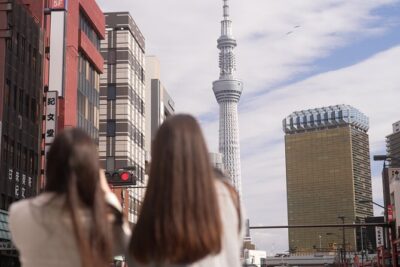
Tokyo Private Sightseeing Tour by Car- English speaking chauffeur
Our verdict →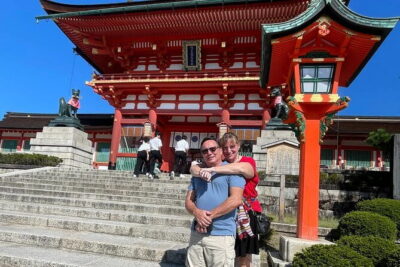
Kyoto Private Car Tour – Full Day with Local Guide & Nara Option
Our verdict →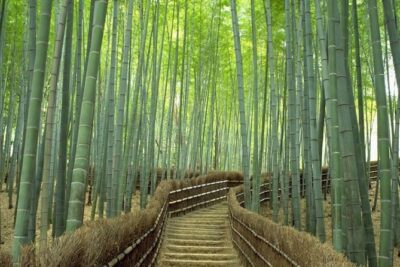
Kyoto Day Trip using Private Car with English Driver (up to 5)
Our verdict →
【Private Car】Asahiyama Zoo, Blue Pond, Shirahige Falls, Ningle Terrace (from Sapporo)
Our verdict →
Tokyo VIP Guided Private Car Tour with Optional Airport Transfer
Our verdict →
Private Car Tour to see Highlights of Kamakura, Enoshima, Yokohama from Tokyo
Our verdict →
Private car tour Let’s uncover secrets of majestic Kyoto history
Our verdict →
Browse the lists this tour appears in