
Reviewed · HAKONE TOURS
Hakone 6 hour Private Tour with Government-Licensed Guide
Hakone is easiest to enjoy when someone else handles the puzzle of buses, trains, ropeways, boat schedules, and mountain weather. This private six-hour tour lets you choose three or four sights, from Lake Ashi and Hakone Shrine to Owakudani and the Open-Air Museum. I especially like the flexible plan and the chance to travel with guides such as Hiro, Yumi, Kate, or Yoshii, who are praised for clear explanations and smart route planning.
I also like that the day can shift when wind closes the ropeway or clouds hide Mount Fuji. The main drawback is just as important: this is not a private-car tour. You meet on foot, use public transportation, walk a lot, and pay transportation, most entrance fees, lunch, and personal costs separately.
Key points to know before booking
- Choose your own four-stop day: Pair nature, art, temples, shopping, or local food instead of following one fixed route.
- Expect public transportation: Buses, trains, boats, cable cars, and the ropeway may all be part of the day.
- Weather matters: High winds can close the ropeway and Lake Ashi boats, so flexibility is essential.
- The guide adds practical value: Guides help with crowded buses, timing, tickets, luggage questions, and route changes.
- Budget beyond the tour price: The $175.76 per-person charge excludes transport, most admissions, lunch, and the Hakone Freepass.
- Plan for a full walking day: The pace can be brisk, and Hakone’s hills and transfers require energy.
Why a private Hakone day can be worth the price
At $175.76 per person, this is not the cheapest way to see Hakone. You are paying for a six-hour private service with a licensed English-speaking guide, not a bus seat and a fixed commentary track.
The value depends on your group. For a couple or family that wants help fitting several sights together, the cost can make sense. Hakone’s transport system is pleasant when it works, but the route takes planning. A single day may involve the Hakone Tozan Railway, cable car, ropeway, bus, and Lake Ashi boat, with crowds and changing departure times along the way.
A guide can save time and reduce the mental load. Hiro, Hideaki, Yoshii, Yumi, Kumiko, and other guides have been praised for arranging efficient routes, explaining local customs, helping with transport cards, and changing plans when conditions turned bad. One guide even helped a couple sort out luggage shipping and later offered advice for their onward trip to Kyoto.
Still, do the math before booking. Add the price of buses or trains, ropeway or boat rides, museum admissions, lunch, and any snacks. The Hakone Freepass is not included. Guide admission is covered only at certain sights listed in the tour details, so ask in advance which tickets you will need to buy.
A few more Hakone half-days worth comparing
- Custom Private Tour in Hakone with a Certified Local Guide
★ 5.0 · 91 reviews - Hakone 8 hour Private Tour with Government-Licensed Guide
★ 5.0 · 63 reviews - Private Tour – Hakone Day Trip! A Tour to Explore All Must-Sees!
★ 5.0 · 58 reviews
Building your four-stop itinerary
You can choose three or four places from a long menu of Hakone sights. That sounds simple, but four stops in six hours requires sensible choices.
A nature-heavy day might combine Lake Ashi, Hakone Shrine, the ropeway, and Owakudani. An art-focused plan could use the Open-Air Museum, POLA Museum of Art, Okada Museum of Art, and Gora Park. You might also mix one museum with the lake, shrine, and a volcanic valley.
I suggest telling the guide your priorities before the day begins. You do not need to design every minute yourself, but it helps to say if you care most about Mount Fuji views, Japanese art, temples, volcanic scenery, local crafts, or food. Guides are used to shaping the day around those interests.
One three-star experience points to a useful warning. A guide asked the visitor to suggest preferred places before the tour, which felt like too much planning for a paid guided day. The agency responded that guides ask about interests so they can personalize the route. Both points can be true. Send a short wish list, then expect the guide to turn it into a workable schedule.
Lake Ashi and Hakone Shrine
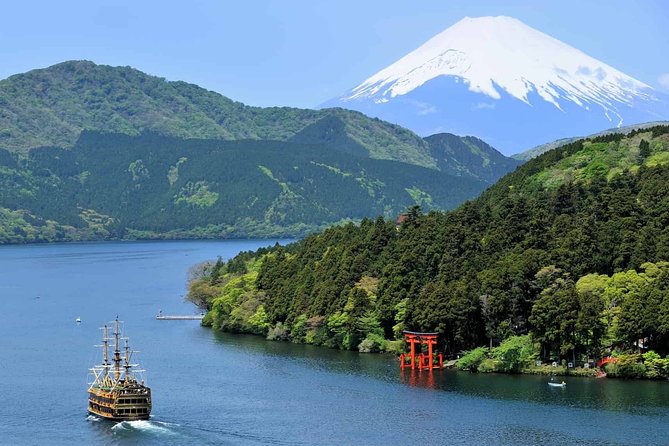
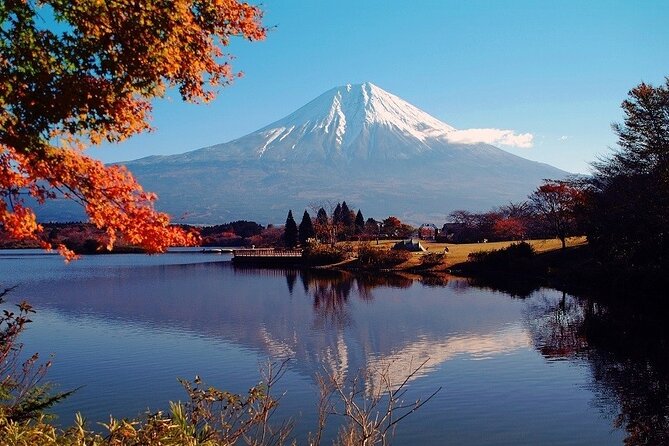
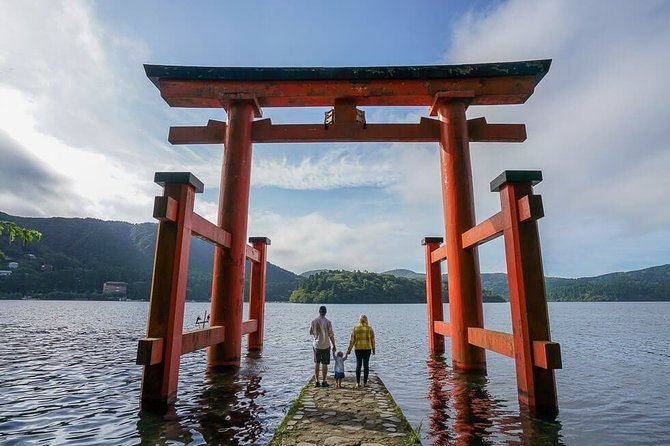
Lake Ashi, also called Ashinoko, is Hakone’s signature view. The lake fills the old caldera of Mount Hakone, and on a clear day Mount Fuji may appear beyond the water. The setting gives you the classic Hakone photograph, especially around the shrine’s red torii gate at the lakeshore.
The suggested stop lasts about 30 minutes, which is enough for a look and a few photographs but not a leisurely lakeside outing. If a boat ride matters to you, say so early. The pirate-style sightseeing boats are part of the popular Hakone route, but the boat fare is extra and high winds can stop service.
Hakone Shrine sits among tall trees and has more than 12 centuries of religious tradition. Its buildings have burned and been rebuilt over time, but the wooded approach keeps a calm, old-Japan feel even when the lakefront is busy.
Allow about 20 minutes for the shrine in the basic plan. That is a quick visit, so you may want to make it one of your main priorities rather than treating it as an afterthought. The approach includes steps, and the area can be crowded. A guide can explain the shrine’s role and customs while helping you move through the site at a reasonable pace.
Riding the Hakone Ropeway to Owakudani
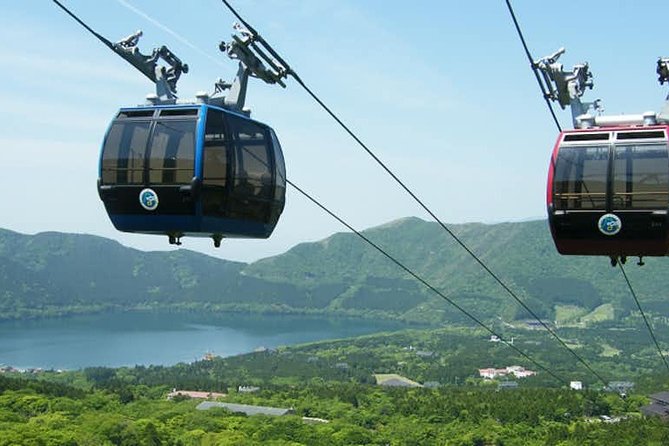
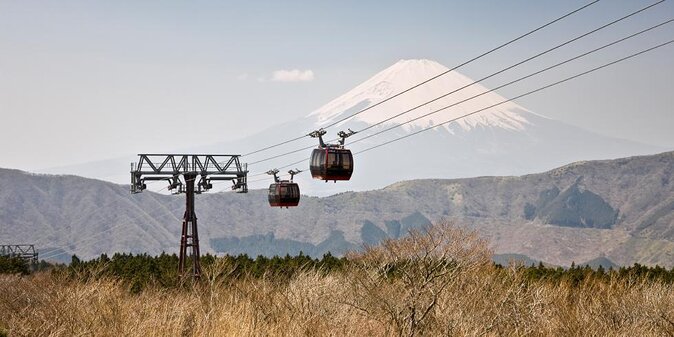
The Hakone Ropeway is one of the region’s best rides. It connects Sounzan with Togendai and forms part of the famous Hakone Round Course. From the cabins, you look across steep mountain country toward Owakudani’s volcanic vents.
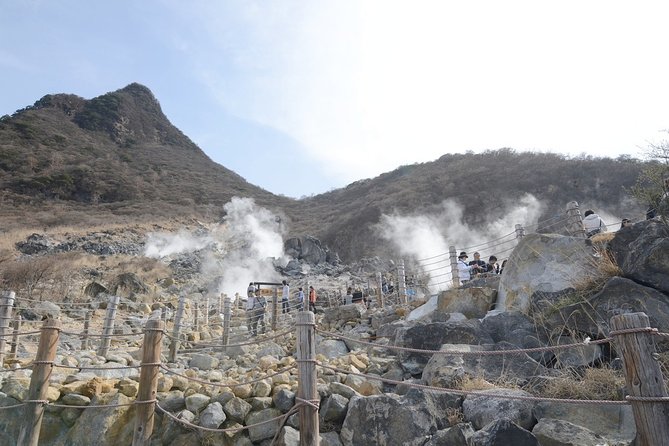
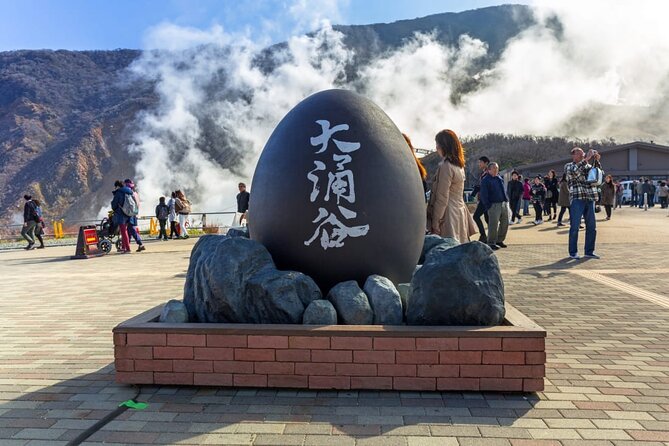
Owakudani is an active volcanic area that supplies heat to local hot springs. At the main viewing area, you can see steam rising from the ground and try the well-known black boiled eggs. The eggs are a simple local treat, but they make the stop more memorable, especially for families.
The listed stop time is about 20 minutes for the ropeway and another 20 minutes for Owakudani. That is tight if lines are long or you want time for food. Ropeway admission is extra, and operation depends on wind and volcanic conditions.
Weather is not a minor detail here. Strong wind has closed both the ropeway and the Lake Ashi boats, forcing guides to switch to buses, nearby sights, lunch, tea houses, or the Sengokuhara area. Good guides have moved quickly when closures threatened to strand people on the mountain. That practical help may be the strongest reason to book this tour instead of attempting the full loop alone.
The Owakudani Nature Research Trail is a different experience. It takes you into an active volcanic area for a closer look at geothermal activity. Advance reservation is required, the entrance fee is 800 yen, and the suggested visit lasts about 40 minutes. If this trail interests you, confirm availability before booking rather than assuming it is included in a regular Owakudani stop.
More Private-Only Departures in Hakone:
- Private Hakone Half-day Car Tour with Hotel Pickup – Local Guide
★ 5.0 · 48 reviews - Hakone Full-Day Private Tour(Tokyo DEP.) with Government-Licensed Guide
★ 4.5 · 19 reviews - From Tokyo: Hakone Full Day Customizable Private Tour
★ 5.0 · 15 reviews - Tokyo 6hr Private Tour with Government-Licensed Guide
★ 5.0 · 3,902 reviews
The Hakone Open-Air Museum
The Hakone Open-Air Museum is a natural choice for an art-and-scenery day. Japan’s first open-air art museum places sculpture around a large site of about 70,000 square meters, creating a clear connection between artwork and the mountain setting.
The standard stop is listed as 20 minutes, which is not enough for a serious museum visit. You can see a few main areas, but anyone interested in Picasso or modern sculpture should ask for more time. Several successful days have included the museum as a key stop, and guides have adjusted plans to protect that visit when rain or crowds threatened the schedule.
The museum works well for mixed groups because it is not only a quiet gallery. You can see art, walk outside, and keep the day moving. The admission fee is extra, so check the current ticket cost when planning your budget.
POLA, Okada, and Hakone art museums
Hakone has an unusually strong group of art museums, and you should choose carefully rather than trying to collect them all in one afternoon.
The POLA Museum of Art opened in 2002 to display the private collection of the POLA cosmetics company’s late owner. It suits you if you want a polished museum visit paired with forest scenery.
The Okada Museum of Art, opened in 2013, covers works from antiquity to the modern period. It is a broader choice for anyone interested in Japanese and Asian art across several eras.
The Hakone Museum of Art in Gora dates from 1952 and is connected with the founder of the MOA Museum of Art in Atami. Its position in Gora makes it easier to pair with Gora Park or other nearby stops.
The suggested time for each museum is only about 20 minutes, and admissions are not included. That makes these entries useful as planning options, not promises of a full museum experience. If art is your main interest, choose one museum and give it the time it deserves.
Sengokuhara, Choanji Temple, and wetland plants
Sengokuhara is known for its slope of pampas grass, at its best in autumn. The stop is about 20 minutes and costs extra if an admission charge applies. It is a seasonal choice, so the view will change greatly with the time of year.
Choanji Temple offers a quieter alternative to the better-known shrine. This Soto Zen temple was established in 1356 in Sengokuhara, at the base of a hill. Its atmosphere suits you if you want a smaller religious site with fewer grand gestures and more quiet corners.
The suggested visit lasts 30 minutes and admission is free. Pairing it with Sengokuhara makes geographic sense, but ask the guide how the bus timing works before committing to both.
Hakone Shisseikaen, or the Hakone Botanical Garden of Wetlands, preserves highland wetland plants inside Fuji Hakone Izu National Park. The basic stop is only 10 minutes, so it is best for a quick seasonal look rather than a full garden visit. Admission is extra.
Gora Park and smaller museums
Gora Park is a western-style garden on the steep slope above Gora Station. It offers a place to slow down between museums and transport connections, with views across the surrounding hills. The planned visit is only 10 minutes, and admission is not included.
The Hakone Venetian Glass Museum uses Italian-style buildings, a museum, shops, and a strolling garden beside a canal-like pond. Large glass works in the garden make it different from a standard indoor collection. Give it more than the suggested 20 minutes if glass art or shopping interests you.
The Dollhouse Museum is a small, unusual option. It displays dollhouses from around the world, including examples said to be more than 200 years old, with exhibits changing during the year. The suggested 30-minute stop makes sense here, but check what is showing before selecting it.
The Narukawa Art Museum near Lake Ashi focuses on nihonga, or Japanese-style painting. It is a good choice if you want Japanese art rather than outdoor sculpture or European glass. The basic visit lasts 30 minutes and admission is extra.
What the guide adds to the day
The best part of this tour is not simply having someone explain a shrine. It is having a person manage a complicated day in real time.
Guides such as Hiro have helped visitors find good seats on boats and ropeways, introduced them to yosegi-zaiku woodcraft, and used waiting time for stories about Japanese culture, history, and kanji characters. Yumi has adjusted plans during strong winds. Hideaki has helped with transit cards and protected the route when bad weather threatened to close transport.
Kate, also called Kumiko, has been praised for careful timing and clear English. Yoshii has been singled out for building a schedule around personal interests without making the day feel rushed. Toshi has helped arrange a suitable vegetarian lunch. These details matter because food needs, weather, and transport delays can quickly change a Hakone plan.
Guide quality can vary, as it can with any service using several guides. One poor experience involved a late arrival and weak local planning. If punctuality or a specific interest matters, confirm the meeting point, preferred sights, and start time in writing.
Walking, transport, and the pace
This is a walking tour with a guide, not a vehicle tour. Pickup means meeting on foot within the designated Hakone area. You should expect buses, trains, boats, cable cars, ropeways, and plenty of walking, depending on your choices.
A six-hour day can feel full. One experience was described as fast-paced, with heavy use of crowded public transportation. That is a fair warning. Hakone’s hills, steps, station changes, and lines can be tiring, especially when you are trying to fit four major stops into one morning-to-afternoon block.
You can ask for a relaxed plan. One successful itinerary focused on a slower rhythm while still covering the main sights. The private format gives you more control than a group tour, but it does not remove the distances between places.
Most people can participate, and service animals are allowed. Still, you should tell the agency about mobility limits before booking. The supplied information describes a walking day, not a fully accessible route.
Who should book this Hakone tour?
I would choose this experience if you have one day in Hakone and want help making the most of it without joining a large group. It suits first-time visitors, families, couples, art fans, and anyone uneasy about managing Japanese buses and mountain transport.
It is especially useful if you want to combine sights that do not naturally fit into a simple walk. A guide can help connect Lake Ashi, the shrine, Owakudani, and a museum while watching the clock.
I would skip it if you prefer a slow, independent day, already understand the Hakone Round Course, or want a private car. You may spend nearly as much on a self-guided day only if you choose several paid attractions, but you will have more freedom to linger.
The score attached to this experience is 4.9 from 218 ratings, with 97 percent recommending it. That is a strong record, but the practical warnings remain: public transport can be crowded, the pace can be brisk, and weather can remove the ropeway or boat from your plan.
The final call on a six-hour private day
Book this tour if route planning and local help matter more to you than having a fixed sightseeing package. Send your guide a short list of priorities, ask which admissions and transport passes make sense, and leave room for weather changes.
For the best balance, choose one major nature route, one cultural site, and one museum or garden. Do not try to force every Hakone highlight into six hours. With a flexible guide and realistic expectations, this can turn a complicated mountain day into a clear, personal introduction to Hakone.
Free cancellation is available up to 24 hours before the start time. Changes or cancellations inside that window are not accepted for a refund.
FAQ
How long is the Hakone private tour?
The tour lasts approximately six hours.
How many places can I visit?
You can customize the day around three or four sites from the available Hakone attractions.
Is hotel pickup included?
The experience includes meeting the licensed guide on foot within a designated Hakone area. It does not include a private vehicle.
Is transportation included in the price?
No. Transportation fees are separate. You may need to pay for buses, trains, ropeways, boats, or other local transport.
Are entrance fees included?
Most entrance fees are not included. Guide entry fees are covered only for sights specified in the tour details.
Is the Hakone Freepass included?
No. The Hakone Freepass is not included.
Can bad weather change the itinerary?
Yes. Strong wind or other conditions can close the ropeway and Lake Ashi boats. The guide may replace those activities with buses, museums, temples, lunch, or other available sights.
Is the Owakudani Nature Research Trail included?
The trail requires advance reservation and an entrance fee of 800 yen. You should confirm availability and arrangements before booking.
Just added around Hakone
- Hike Japan Heritage Hakone Hachiri (Half Day)★ 5.0 · 18 reviews
- Easygoing Nature Walk in Hakone Tour★ 5.0 · 15 reviews
- Hakone Adventure: Explore Nature’s Beauty and Tranquility★ 4.2 · 14 reviews
- From Tokyo: Hakone Full Day Customizable Private Tour★ 5.0 · 15 reviews
- Kowakien Yunessun Hot Springs Entry Ticket★ 4.2 · 23 reviews
- Hakone Full-Day Private Tour(Tokyo DEP.) with Government-Licensed Guide★ 4.5 · 19 reviews
- Hakone Hachiri: Old Tokaido Highway Hiking Tour★ 4.9 · 22 reviews
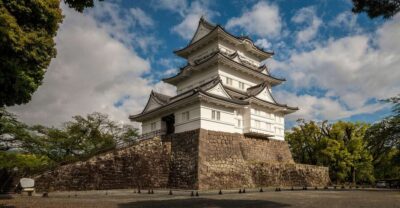
- Odawara: Odawara Castle Tenshukaku Entrance Ticket★ 4.2 · 30 reviews
Hakone Tours, compared.
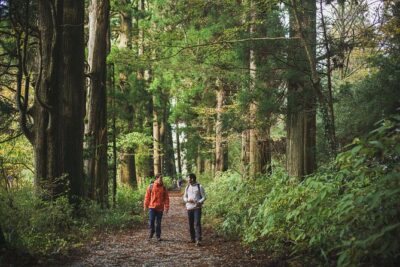
Custom Private Tour in Hakone with a Certified Local Guide
Our verdict →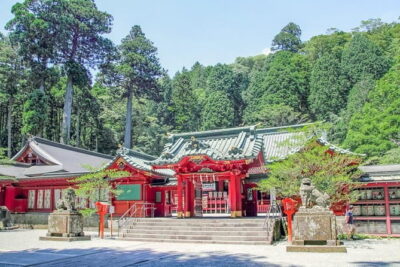
Private Tour – Hakone Day Trip! A Tour to Explore All Must-Sees!
Our verdict →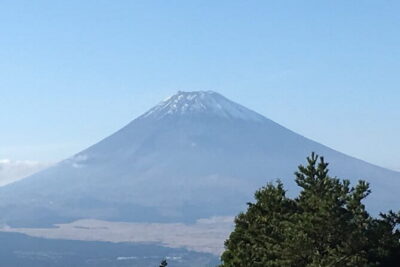
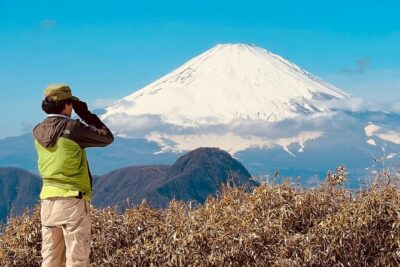
Traverse Outer Rim of Hakone Caldera and Enjoy Onsen Hiking Tour
Our verdict →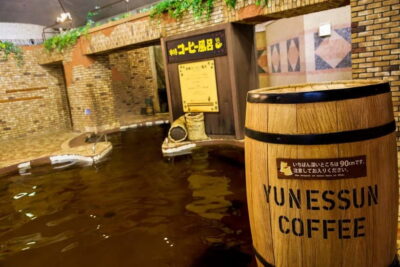
Browse the lists this tour appears in