
Reviewed · MOUNT FUJI TOURS
Hidden Fuji drive tour with a Local English speaking guide
The best part of this private Fuji tour is its freedom from the standard sightseeing loop. Instead of staying near the busiest Kawaguchiko viewpoints, Yuki takes you along quiet lake roads, to old shrines, into Aokigahara Forest, and toward small local places that are hard to connect by bus. The local route and the private car give you a more relaxed look at the Fuji area.
I especially like the chance to eat thick, chewy Yoshida udon at a local restaurant, and the stop at Kawaguchi Asama Shrine, where seven ancient trees add a strong sense of place. The main drawback is that the tour depends on good weather, and the optional Mount Fuji 5th Station visit costs an additional ¥2,800 per booking.
Key points at a glance
- A private car for up to five people: The $396.31 price is charged per group, so it can be good value for families or friends traveling together.
- A local guide named Yuki: Yuki drives, explains the area in English, and can shape the day around scenery, history, food, and weather.
- Quiet Fuji Five Lakes scenery: You visit Saiko and Lake Shoji, two calmer places with fine views of Mount Fuji.
- Aokigahara with cultural context: The forest grows over old lava flows and includes a lava cave linked to Fuji worship.
- A real local lunch option: Yoshida udon is a signature Fujiyoshida dish, with firm, unusually thick noodles.
- Weather matters: The 5th Station visit is optional, and poor conditions can lead to a new date or a full refund.
A quieter way to see Mount Fuji
This six-hour drive is aimed at people already staying in the Kawaguchiko area or arriving there independently. It is not a transfer from Tokyo, and it is not designed as a quick first look at Fuji from one famous photo stop.
That distinction matters. The Fuji area is spread out, and public transport does not make every lake, shrine, forest road, and viewpoint easy to combine in one day. With Yuki driving, you can cover more ground without spending your time studying bus timetables.
The tour is private, so your group of up to five people has the vehicle to itself. That gives you room to pause for photographs, listen to explanations, and adjust the pace within the available time. The route is also better suited to families and small groups than to solo visitors looking for the cheapest possible way around.
You should think of the experience as a scenic and cultural circuit, not a guaranteed Fuji summit day. Clear weather may bring dramatic mountain views. Clouds may shift the focus toward shrines, forests, food, and the lakes themselves.
A few more Fujikawaguchiko machi half-days worth comparing
- Mt Fuji Area Private Guided Tours in English-Nature up close, quiet, personal
★ 5.0 · 288 reviews - Explore Mt. Fuji Ice Cave in Aokigahara Forest
★ 5.0 · 243 reviews - Private guided hidden gems tour by local English speaking driver
★ 5.0 · 142 reviews
Kawaguchiko begins with local viewpoints
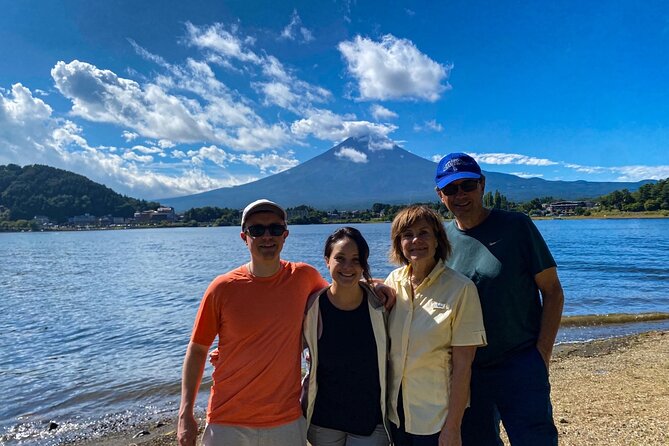
The first stop is Lake Kawaguchiko, where Yuki shows you parts of the lakeshore beyond the most familiar tourist areas. You have about 10 minutes here, so this is mainly a chance to get your bearings and take in the relationship between lake and mountain.
The short stop may not satisfy you if you want a long lakeside walk. Its value is practical: you begin with a Fuji view, then move on to places that offer a different side of the region. If Mount Fuji is hidden by clouds, the lake still gives the day a clear sense of place.
Because conditions change quickly around Fuji, do not judge the whole tour by the first view. A private drive allows the day to keep moving instead of leaving you tied to one lookout.
Kawaguchi Asama Shrine and its ancient trees
Kawaguchi Asama Shrine is one of the most worthwhile cultural stops. It was built about 1,200 years ago as a place to pray for the mountain goddess and for protection from Fuji’s eruptions.
You have around 30 minutes here. The shrine is away from the main tourist area, which helps preserve a calmer atmosphere. Seven ancient trees are a major feature, giving the grounds a sense of age that a quick photo stop cannot provide.
I like this part of the route because it connects the mountain to local belief. Mount Fuji is not only a scenic backdrop. It has long shaped religious practice, seasonal traditions, and the identity of nearby communities.
The stop is free, but you should wear shoes suitable for walking around shrine grounds. The tour description does not promise an extended guided ceremony or a formal shrine activity, so expect a visit with explanation and time to look around rather than a structured cultural class.
Saiko offers a slower lake view
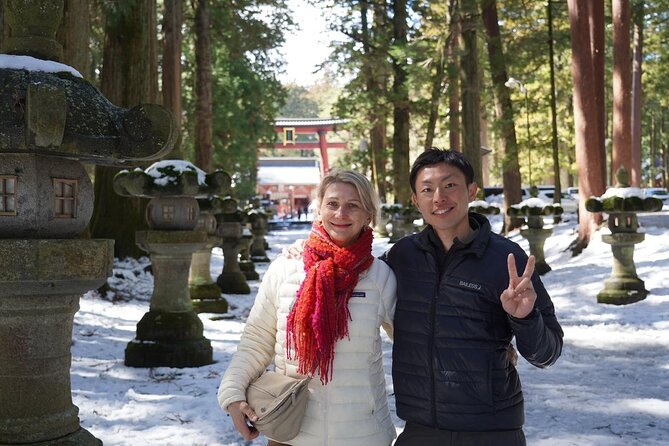
Lake Saiko is known for its deep blue water and quiet setting. The tour allows about 20 minutes here, with an emphasis on enjoying the view without disturbing local anglers.
This is a good example of the tour’s gentler pace. You are not being rushed through a long list of major attractions. Instead, you get a short pause beside a lake that feels less crowded than central Kawaguchiko.
The stop may be brief, especially if you want a walk along the shore. Still, the combination of clear water, Fuji views, and local fishing activity gives Saiko a different character from the more developed areas around Kawaguchiko.
If your main goal is a perfect, unobstructed Fuji photograph, weather remains the deciding factor. If the mountain disappears, the lake and the quiet setting still make the stop worthwhile.
More Guided Tours in Fujikawaguchiko machi:
- Mt. Fuji Five Lakes Area Private Tour with Licensed Guide(Kawaguchiko area Dep)
★ 5.0 · 55 reviews - Cute & Fun E-Car tour following guide around Lake Kawaguchiko
★ 5.0 · 54 reviews - Mt Fuji Area: In-depth Guided Adventure in English or French
★ 5.0 · 27 reviews - Private Fuji Half-day Car Tour with Hotel Pickup and Local Guide
★ 5.0 · 20 reviews
Walking through Aokigahara’s lava forest
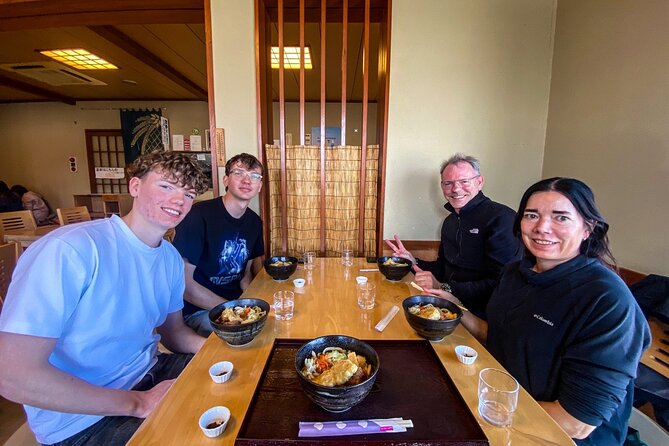
The Aokigahara Forest stop lasts about an hour, making it the most substantial nature visit on the route. The forest formed over lava fields created by Mount Fuji’s eruptions. That volcanic foundation explains the unusual terrain and the way the trees grow across the ground.
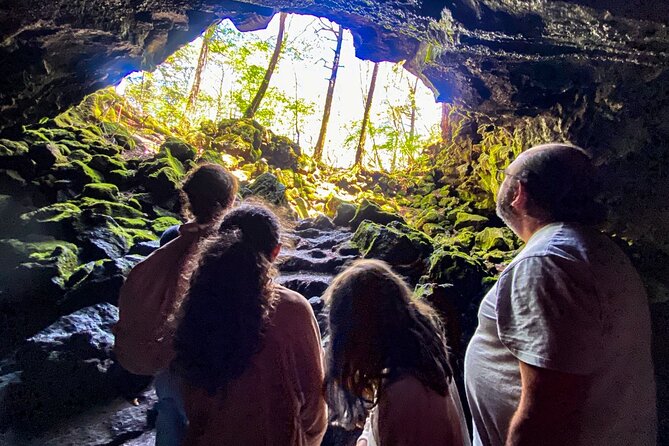
Yuki also takes you to a lava cave connected with the history of Fuji worship. This adds an important cultural layer to what could otherwise be just a forest walk. You get a clearer idea of how volcanic activity, religion, and local geography are tied together.
I appreciate that the forest is presented through both nature and history. You are not simply told to walk among trees. You can learn why the forest exists and how the mountain has shaped the area over time.
The practical point is to expect uneven ground. The provided details do not specify the exact trail length, footwear requirements, or cave access conditions, so comfortable walking shoes are a sensible choice. If you have limited mobility, ask about the walking portion before booking.
Lake Shoji and a quieter Fuji view
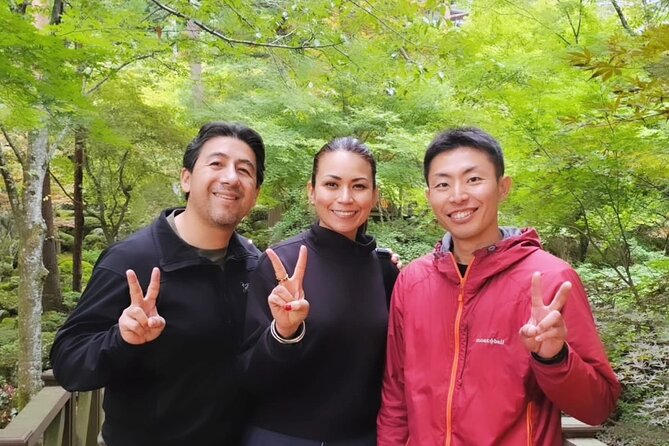
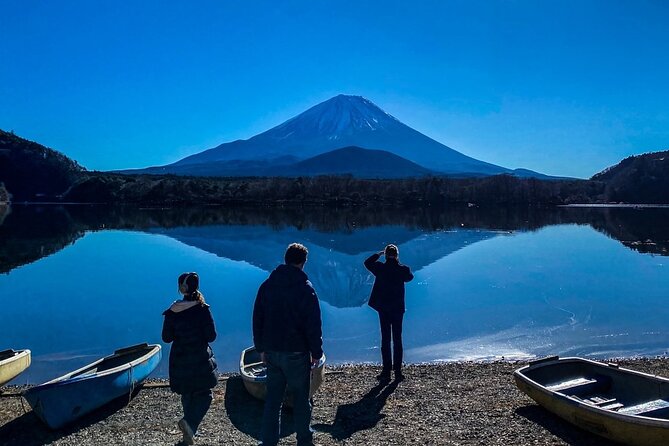
Lake Shoji is the smallest of the Fuji Five Lakes. Its smaller scale is part of its appeal. The water is peaceful, the surroundings are quiet, and Yuki takes you to a less obvious viewing place near the lake.
You have about 30 minutes here. That should be enough for photographs and a short look around, though not for a long shore walk. This stop works well after Aokigahara because it brings you back into open space and gives you another view of the mountain.
I would pay attention to the changing mood of the lakes. Kawaguchiko is the best-known name, Saiko feels more secluded, and Shoji is smaller and calmer. Seeing several lakes in one day helps you understand that the Fuji area is not one single viewpoint.
Again, clouds can change the experience. Even without a clear mountain, Lake Shoji offers a quiet pause away from the busiest routes.
Yoshida udon gives the day local flavor
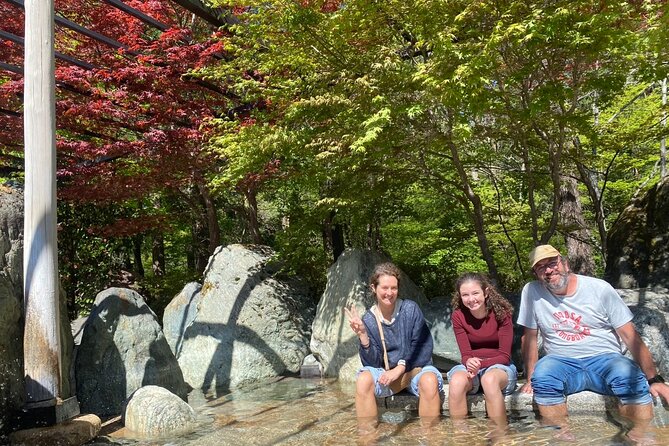
The food stop at Menkyo-kaiden lasts about 45 minutes and centers on Yoshida udon, a signature dish from Fujiyoshida. The noodles are thicker than standard udon and have a firm, chewy texture.
Lunch is not included, but it usually costs ¥1,000 to ¥2,000 per person. That is a modest extra cost for the chance to eat a local specialty rather than relying on a familiar chain or a meal chosen at random.
A local noodle meal also makes the itinerary feel connected to Fujiyoshida itself. You are not just passing through the area for mountain photographs. You are trying one of its best-known everyday foods.
The precise restaurant choice and menu are not guaranteed in the tour details, so anyone with strict dietary needs should check ahead. For most people, this is an easy and worthwhile addition to the day.
The 5th Station is a weather-dependent bonus
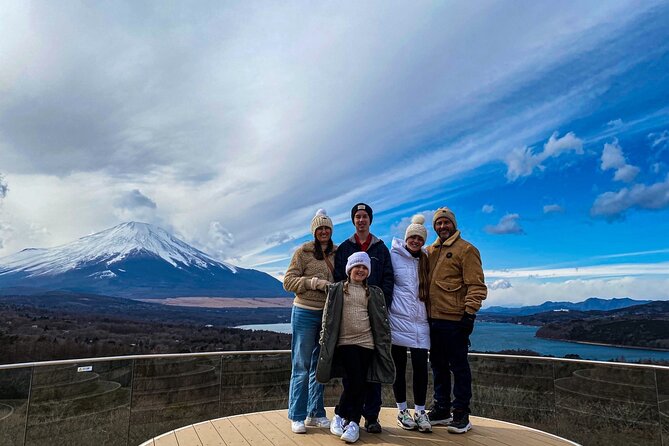
The Mount Fuji 5th Station is an optional stop. If weather and road conditions are suitable, you may approach it and take a short hike at high elevation. The listed time is about one hour, and the entrance cost is ¥2,800 per booking.
This can be the most dramatic part of the day when the upper mountain is clear. You may get broad views and a closer sense of Fuji’s scale than you can from the lakes.
But you should not book this tour only for the 5th Station. It is explicitly dependent on weather, and the tour has plenty to offer if the mountain road is not possible. Clouds, poor visibility, or other conditions may keep the route lower.
The extra fee also changes the value calculation. At $396.31 per group, the basic tour already includes the vehicle, parking, and guide. Add the 5th Station charge only if the conditions make the visit worthwhile.
Kaneyamaen’s Japanese garden closes the route
The final listed stop is Fujisan Onsen Hotel Kaneyamaen, a historic and upscale hotel in Fujiyoshida. Its Japanese-style garden is open to the public, and the tour allows about 30 minutes to enjoy it.
This is a pleasant way to finish because the garden brings seasonal detail into the day. Cherry blossoms are one example mentioned, though the appearance of any season depends on your travel dates.
The stop also gives you something different from the lakes and forest. You move from volcanic scenery and mountain worship to carefully maintained Japanese garden design. That variety is one reason the private route works better than a simple loop of Fuji photo spots.
The available information does not say that an onsen visit is included. The stop is for the garden, so do not assume you will use the hotel baths unless Yuki confirms it separately.
What the $396.31 group price really means
The price is $396.31 per group of up to five people. That is not a budget choice for one person, but the calculation changes when shared by a family or small group.
Split five ways, the base price is about $79 per person before lunch and any 5th Station fee. For four people, it is roughly $99 each. That covers a private air-conditioned vehicle, parking fees, and an English-speaking local guide for about six hours.
I see the strongest value in the transport. Fuji Five Lakes attractions are spread out, and a private car lets you connect Kawaguchiko, Asama Shrine, Saiko, Aokigahara, Shoji, Fujiyoshida, and possibly the 5th Station in one outing.
A solo visitor or couple may find the total harder to justify. A group of friends or a family can get much better value, especially if you care about seeing quieter places that are less convenient by public transport.
Who will enjoy this Fuji day most
I would choose this tour if you want:
- A private day with your own group
- More than the famous Kawaguchiko viewpoints
- A balance of scenery, history, food, and local culture
- An English-speaking guide who can explain what you are seeing
- A comfortable way to cover several Fuji Five Lakes locations
- A flexible route shaped by weather and local conditions
I would look elsewhere if you want a long hike, a formal food tour, a guaranteed 5th Station visit, or a low-cost public transportation outing. The pace includes many stops, so you will sample each place rather than spend half a day at one lake or shrine.
Most people can participate, but the Aokigahara section includes forest walking, and the optional 5th Station may involve a short hike. Ask about the walking demands if anyone in your group has mobility concerns.
Timing, pickup, and weather advice
The start time is 9:00 a.m., and the tour lasts about six hours. Pickup is offered, but this experience is only for people already staying in or independently reaching the Kawaguchiko area. It is not a Tokyo pickup excursion.
The listed stops add up to more than six hours if every option is included, so you should treat the schedule as approximate. The 5th Station is optional, and actual stop lengths may change with road conditions, weather, and your group’s interests.
The experience requires good weather. If poor conditions force cancellation, you can choose another date or receive a full refund. For your own plans, keep some flexibility around this day and avoid booking a tight connection immediately afterward.
Free cancellation is available up to 24 hours before the start time. Changes or cancellations inside that window are not accepted for a refund.
Should you book the Hidden Fuji drive?
Book it if you want a private, local-led day that reaches beyond the standard Fuji viewpoints. Yuki’s route combines quiet lakes, an old shrine, volcanic forest, local udon, and a Japanese garden, with the option of going higher toward the 5th Station when conditions allow.
The tour makes the most sense for three to five people who are already based in Kawaguchiko. You will pay more than you would for buses, but you gain time, comfort, and access to a wider range of places.
Skip it if your only goal is a guaranteed clear view from the 5th Station or a long stay at one attraction. For everyone else, this is a strong choice for seeing Mount Fuji through its lakes, forests, food, and local traditions rather than through one crowded lookout.
FAQ
Where does the Hidden Fuji drive tour begin?
The tour starts at 9:00 a.m. and is intended for people already staying in or independently arriving at the Kawaguchiko area. Pickup is offered in that area.
How long does the tour last?
The tour lasts approximately six hours. The schedule is approximate, and the optional Mount Fuji 5th Station stop depends on weather.
How many people can join the private tour?
Up to five people can participate in one group. Only your group takes part in the private activity.
Is lunch included?
No. Lunch is an optional expense and usually costs ¥1,000 to ¥2,000 per person. The food stop features Yoshida udon, a local dish with thick, firm noodles.
Does the tour include the Mount Fuji 5th Station?
The 5th Station is an optional stop. You may visit it if weather conditions are good, and the entrance fee is ¥2,800 per booking.
What happens if the weather is poor?
If the tour is canceled because of poor weather, you will be offered a different date or a full refund. You can also cancel for a full refund up to 24 hours before the start time.
Just added around Fujikawaguchiko machi
- Ramen Cooking Class at Lake Kawaguchiko (Short Course)★ 5.0 · 42 reviews
- Sushi Cooking Class at Sushi Factory -KIWAMI- Mt.Fuji★ 5.0 · 23 reviews
- Private Local Hiking to enjoy the nature and culture of Mt.Fuji★ 5.0 · 22 reviews
- Cute & Fun E-Car tour following guide around Lake Kawaguchiko★ 5.0 · 54 reviews
- Fujisan Sushi Making Lesson★ 5.0 · 16 reviews
- Early Morning Kayaking With Views of Mt Fuji at Lake Kawaguchiko★ 5.0 · 69 reviews
- Ramen Cooking Class at Ramen Factory in Mt.Fuji★ 5.0 · 101 reviews
- Mt Fuji Area: In-depth Guided Adventure in English or French★ 5.0 · 27 reviews
Mount Fuji Tours, compared.
Mt Fuji and Hakone 1-Day Bus Tour Return by Bullet Train
Our verdict →
Mt.Fuji,Kawaguchiko Oishi Park,Arakurayama Sengen Park
Our verdict →
Mt. Fuji, Kamakura, Big Buddha, & Lake Ashi Day Trip
Our verdict →
Mt. Fuji Heritage Tour: Traditional Villages, Lakes & Shrine
Our verdict →
Browse the lists this tour appears in