
Reviewed · NAGOYA TOURS
Nagoya Full-day Private Custom Tour with National Licensed Guide
Nagoya makes its best case when you choose the city that interests you. This private six-hour tour lets you pair Nagoya Castle with Atsuta Shrine, or trade both for Toyota technology, Japanese gardens, Osu shopping, and local food. I like the freedom to pick only three or four places, and I like having a licensed guide such as Hisato, Toshie, Lily, or Ryo explain the city in clear English.
The guide also helps with trains, buses, restaurant choices, and timing, which matters in a city spread across several districts. The catch is that this is a walking and public-transport tour, not a chauffeur-driven outing. At $155.22 per person, the value depends on your group size and how much help you want with Nagoya’s transit system.
Key points to know before booking
- Choose only three or four sights: The long list is a menu, not a promise to visit all 15 places in six hours.
- Meet on foot: Pickup is offered within a designated area of Nagoya, but no private vehicle is included.
- Public transportation is part of the experience: Guides can help you use trains and buses, but fares are extra.
- Strong guide flexibility: Hisato, Toshie, Lily, Ryo, Sammy, Matt, and others have adjusted routes, substituted closed museums, and helped with restaurant choices.
- Admission costs add up: Nagoya Castle, MIRAI TOWER, museums, gardens, and Sky Promenade generally charge separately.
- Good for cruise-port calls: Several guides have handled tight port schedules, but you should allow plenty of time to return to your ship.
A custom Nagoya day, not a checklist
The tour lasts about six hours, despite its full-day label. That is enough time for three or four well-chosen stops, a meal, and the travel between them. It is not enough time to properly visit every castle, museum, shrine, garden, and shopping district on the suggested list.
That distinction is important. You are not buying a fixed sightseeing circuit. You are hiring a guide to shape Nagoya around your interests. Tell the operator what matters to you before the day begins. A family might choose Nagoya Castle, Osu Shopping Street, and the Science Museum. A history-minded couple might choose Atsuta Shrine, the castle, and the Tokugawa Art Museum. A technology fan could make the Toyota Commemorative Museum the anchor.
Your guide can also adjust the day. When the Toyota museum was closed, Yoko substituted a samurai museum. Other guides have added small local sights when time allowed, suggested lunch, helped reserve restaurants, and handled coin lockers and train timing. That flexibility is the main reason to choose this tour over a standard group outing.
More Custom Private Tours in Nagoya:
- Nagoya Half-day Private Custom Tour with National Licensed Guide
★ 5.0 · 40 reviews - Nagoya Private Custom Tour with Local Guide
★ 5.0 · 15 reviews - Nagoya: Customized Private Tour
★ 4.6 · 15 reviews
Starting with Nagoya Castle
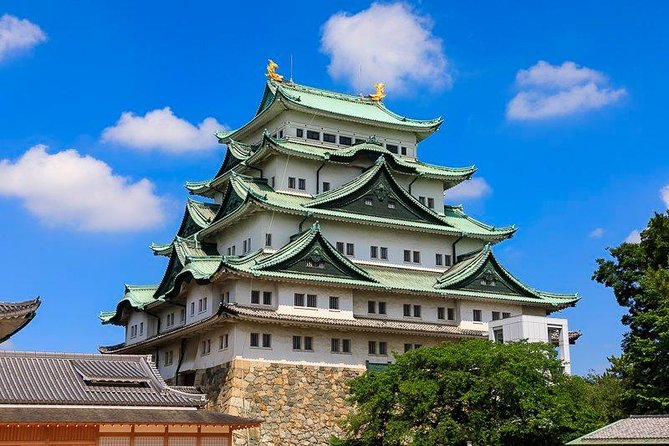
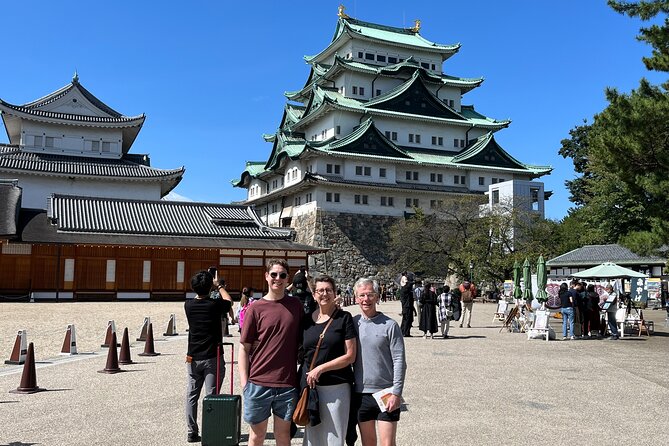
Nagoya Castle is the natural first choice for many visitors. The roofline is marked by golden shachihoko, mythical creatures with tiger heads and carp bodies. The castle also connects Nagoya to Tokugawa Ieyasu, the first shogun, giving your guide plenty of useful context about the city’s place in Japan’s political story.
The suggested visit is only 30 minutes, so you should clarify what you want to see. A quick exterior visit and explanation can work within that window. If you want a slower look at the grounds or the Honmaru Palace, the castle may need more time and another stop may have to go.
One guide noted that a long line prevented a group from seeing Honmaru Palace. That is a useful warning: popular sights can eat into a tightly planned day. Your guide can help you make the choice, but no guide can remove lines or extend the clock.
Admission is not included. If the castle is your priority, say so when planning the tour rather than treating it as a quick add-on.
Atsuta Shrine and the city’s wooded pause
Atsuta Jingu offers a different mood. Founded in the eighth century, the shrine occupies a large wooded area inside metropolitan Nagoya. The contrast is part of its appeal: city streets give way to broad paths, trees, shrine buildings, and the steady movement of people making visits.
The standard stop is listed at 30 minutes, with no admission fee. That makes it a useful choice when you want a major cultural site without adding another ticket to the budget.
A guide can explain shrine customs, point out details you might otherwise pass, and help you understand what you are seeing without turning the visit into a lecture. The shrine also pairs well with a food-focused day. Several guides have helped groups try Nagoya specialties, including fried pork, eel, sushi, and udon.
Museums for science, Toyota, and Japanese design
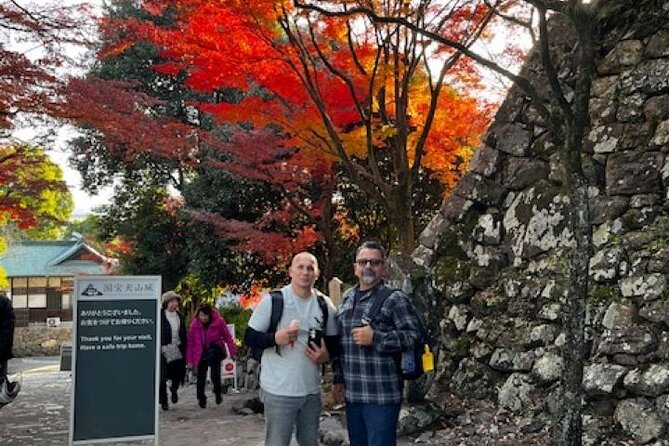
Nagoya suits visitors who prefer working machines and ideas to formal monuments. The Nagoya City Science Museum is known for its large planetarium, with exhibits that present the universe in an accessible way. The suggested visit is 30 minutes, though families may want longer.
The Toyota Commemorative Museum of Industry and Technology is another major draw. Its displays trace industrial development and Toyota’s beginnings, making it more than a car showroom. One guide, Matt, was a former Toyota employee and could add personal knowledge about the company and factory culture. A short 20-minute stop may give you an introduction, but serious technology fans should ask if more time is possible.
The Noritake no Mori complex introduces the city’s ceramics tradition. Noritake began in 1904 and became a respected tableware name. The visit is listed at 20 minutes, making it a reasonable choice for design-minded visitors who want something different from castles and shrines.
The Nagoya City Art Museum occupies a building designed by Kisho Kurokawa, constructed between 1983 and 1987. The suggested stop is only 15 minutes, so I would choose it for the architecture or a specific exhibition rather than expect a full museum visit.
The Nagoya Sword Museum, also in the Sakae district, displays Japanese swords, including National Treasures and Important Cultural Properties. Its listed visit is just 10 minutes. That is enough for a brief introduction, not a leisurely examination of a large collection.
More Full-Day Tours in Nagoya:
- Magome & Tsumago Nakasendo Full-Day Private Trip with Government-Licensed Guide
★ 5.0 · 20 reviews - From Tokyo: Mount Fuji Full-Day Sightseeing Trip
★ 4.5 · 4,970 reviews - Mount Fuji Full-Day Private Tour from Tokyo (Customizable)
★ 4.9 · 1,470 reviews - Hiroshima / Miyajima Full-day Private Tour with Government Licensed Guide
★ 5.0 · 1,298 reviews
Tokugawa art, gardens, and old merchant streets
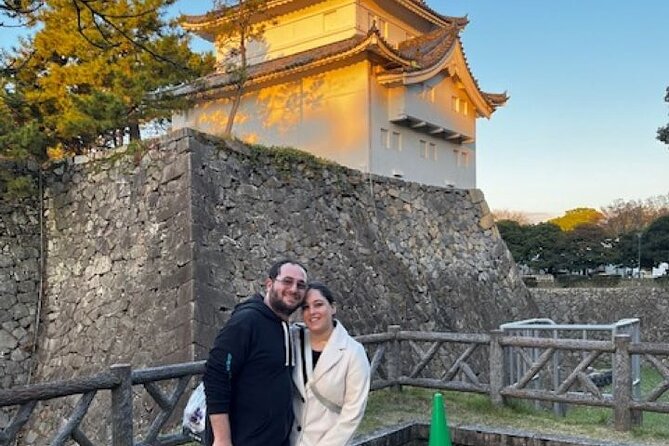
The Tokugawa Art Museum holds more than 12,000 objects from the Tokugawa family collection. Its subject matter makes it a strong choice for visitors interested in samurai life, art, and the culture of the ruling class during the Edo period.
The nearby Tokugawa Garden gives you an outdoor counterpoint. This traditional garden is arranged around a central pond and follows the style favored in major daimyo gardens. The listed visit is 10 minutes, which is very short for a garden. If you want photographs and a calm walk, ask your guide to protect more time here.
Shikemichi is a merchant district on the west bank of the Horikawa River. It was created in 1610, when the town of Kiyosu moved to Nagoya. The free 20-minute visit gives you a taste of older town planning and merchant life, with less emphasis on grand monuments.
Wakamiya Hachimansha Shrine is another free stop. Its enshrined figures include Emperor Nintoku, Emperor Ojin, and Takeuchinosukune. It can fit into a history-focused walking route, especially if you want a smaller religious site rather than another major attraction.
Osu, local food, and the city at street level
Osu Shopping Street is one of the most useful choices for a first visit. Its arcades grew after the war and include electronics, second-hand clothing, food, and general shopping. The area once served as Nagoya’s main entertainment quarter, and it still offers more everyday street life than a polished museum district.
The suggested visit is 20 minutes, but you may want longer if shopping or food is central to your day. Tell your guide what you eat and what you avoid. Toshie adapted food and activity choices for adults and teenagers, while Lily took a group to a local sushi restaurant. Other guides arranged udon, fried pork, and recommendations for eel.
Food is not included, so budget separately for lunch. The guide can help you find a suitable place, but you pay for your meal. This is one of the tour’s best chances to make Nagoya feel like a real city rather than a string of postcard stops.
Views from MIRAI TOWER and Sky Promenade
The Chubu Electric MIRAI TOWER is a central Nagoya landmark. Formerly known as Nagoya TV Tower, it offers a straightforward way to get a sense of the city from above. The suggested stop is 30 minutes, and admission costs extra.
Sky Promenade sits in Midland Square, a 47-floor building rising 247 meters. The observation area is listed at 20 minutes. Choose it for a high view of Nagoya, especially if your group values photographs and orientation more than another museum.
You do not need both viewpoints. Pick one and use the saved time for a shrine, shopping street, or meal. Entrance fees for either viewpoint are not included.
Shirotori Garden for a quieter finish
Shirotori Garden covers about 3.7 hectares and presents a traditional Japanese garden with changing scenery linked to tidal-flow themes. The free-feeling quiet of a garden can make a useful break from stations, city streets, and indoor museums, though admission is listed as not included.
The suggested stop is 20 minutes. That is enough to walk through a small section and take in the design, but not enough for a slow garden visit. If you want a peaceful hour, build the day around it rather than adding it at the end.
Using trains and buses with a guide
Transportation is one of the most practical parts of this experience. You pay your own fares, and there is no private car. The guide meets you on foot within the designated Nagoya area, then helps you navigate public transportation between sights.
That can save time and reduce stress, especially if you are unfamiliar with Japanese ticket machines or station layouts. Sammy helped groups use local transit and find shopping areas. Yoshii built a precise route for a cruise-port visit, including train and bus travel, then used a taxi back to the station after the castle. Matt helped with coin lockers and train timing.
Bring cash for transit and food, as one guide specifically advised. Your guide may help you buy tickets, but transportation remains an extra expense. Comfortable shoes matter too. This is a walking tour, and six hours of stations, streets, stairs, and museum floors can wear you down in hot weather or rain.
What $155.22 per person really buys
The listed price is $155.22 per person, with group discounts available. You are paying for a private licensed English-speaking guide, not a vehicle or a bundle of entrance tickets.
For a larger group, the price can compare well with separate private guiding arrangements, especially if you want help with several districts in one day. For one or two people, it is a more serious expense. The value rises when your group wants tailored explanations, help with transit, a local lunch recommendation, or a carefully timed cruise-port visit.
Add admission to the castle, museums, gardens, towers, and Sky Promenade. Add train, bus, or taxi fares, plus lunch and personal purchases. Ask for a realistic route before you book so you do not pay for a long list of attractions that cannot fit into six hours.
Who should book this private tour
I would choose this tour if you have specific interests and want help connecting them. It fits families, multigenerational groups, first-time visitors uneasy about public transportation, and cruise passengers with a limited day in port.
It is also useful for visitors who want a guide who can explain Japanese history without forcing every stop into a fixed script. Guides such as Ryo, Hiroshi, Roy, Maki, Tomoko, and Mieko have handled history, shrine visits, food, train travel, and tight schedules.
I would think twice if you want a relaxed, vehicle-based tour or a long visit at each museum. The six-hour limit, walking format, extra admission fees, and public transit require some planning. Rain and extreme heat can also affect the experience, so keep the route realistic and leave room for breaks.
Final call: book it for flexibility, not volume
Book this tour if you want three or four meaningful Nagoya stops with a guide who can explain the city and help you move around it. Give priority to the places you care about, and treat the long attraction list as inspiration rather than a schedule.
For a cruise stop, confirm the meeting point and return plan carefully. For a food-focused day, ask for local specialties such as sushi, udon, eel, or fried pork. For a history day, combine the castle, Atsuta Shrine, and Tokugawa Art Museum.
The cancellation terms are forgiving up to 24 hours before the start time, with a full refund. After that, changes and refunds are not accepted. Book ahead if your dates are fixed, since the experience is often reserved well in advance, but do not skip the planning conversation that makes this tour worthwhile.
FAQ
How long does the Nagoya private tour last?
The tour lasts approximately six hours.
Is this a private tour?
Yes. Only your group participates, and you cannot combine multiple tour groups.
How many attractions can I visit?
The tour includes a customizable selection of three or four sites from the available choices. The full list of attractions is not intended to be completed in one six-hour visit.
Is transportation included?
No. Transportation fees are extra, and the tour does not include a private vehicle. You meet the guide on foot within the designated area and generally use public transportation between sites.
Does the tour include entrance tickets?
No. Entrance fees are generally extra. The guide’s entry fees are covered only for sights listed under the tour’s What to Expect information.
Is lunch included?
No. Lunch and other personal expenses are not included. Your guide may recommend or help arrange a local restaurant.
Can I be picked up at my accommodation?
Pickup is offered on foot within the designated area of Nagoya. A private vehicle pickup is not included.
Is the tour suitable for a cruise-port visit?
It can work for a cruise-port visit, and guides have handled port meetings and tight return schedules. You should provide your ship timing in advance and allow enough time to return before departure.
Can I cancel for a full refund?
Yes, if you cancel at least 24 hours before the experience start time. Cancellations or changes made less than 24 hours before the start time are not accepted for a refund.
Just added around Nagoya
- Kimono Rental and Tea Ceremony Experience in Inuyama★ 5.0 · 15 reviews
- Gifu Samurai Sword Town;Japanese Damascus Knife Making Experience★ 5.0 · 27 reviews
- Magome & Tsumago Nakasendo Full-Day Private Trip with Government-Licensed Guide★ 5.0 · 20 reviews
- Knife Making Experience in Samurai Sword Town★ 5.0 · 29 reviews
- Nagoya: Toyota Commemorative Museum Guided Tour★ 4.7 · 22 reviews
- Nagoya Private Custom Tour with Local Guide★ 5.0 · 15 reviews
- Nagoya: Traditional Japanese Sweets-Making Workshop★ 4.6 · 14 reviews
- Nagoya: Customized Private Tour★ 4.6 · 15 reviews
Nagoya Tours, compared.

Hiking the Historic Nakasendo Trail [1 Day Tour from Nagoya]
Our verdict →
Magome-juku, Tsumago-juku & Ena-kyo 1d Bus Tour from Nagoya
Our verdict →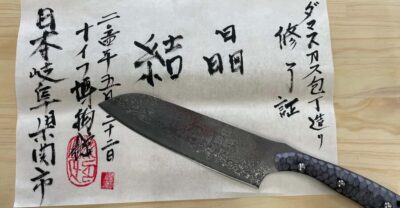
Seki: Samurai Knife Making Experience at the Knife Museum
Our verdict →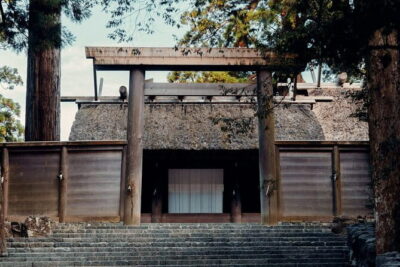
Ise’s Sacred Shrines and Captivating Coastlines – From Nagoya
Our verdict →
Browse the lists this tour appears in