
Reviewed · CABLE CAR TRIPS IN MOUNT FUJI
Tokyo: Mt. Fuji Tour, Hakone Ropeway, Owakudani, Lake Ashi
Mt. Fuji is the headline, but the clever part of this 10-hour day trip is the two-sided view of the mountain. You begin around Hakone and Lake Ashi, then cross to Lake Yamanaka and Oshino Hakkai, seeing both volcanic valleys and quiet spring-fed ponds in one long day. I like the Hakone Ropeway and the chance to combine it with a lake cruise, and I like that the bus removes a string of transfers from a complicated day outside Tokyo.
The main catch is timing. A busy road, long queues, or a slow group can shorten your time at the stops, and lunch may come late. Mt. Fuji visibility is never guaranteed, so you need to value the wider Hakone experience, not just one perfect mountain photograph.
Key points to know before you book
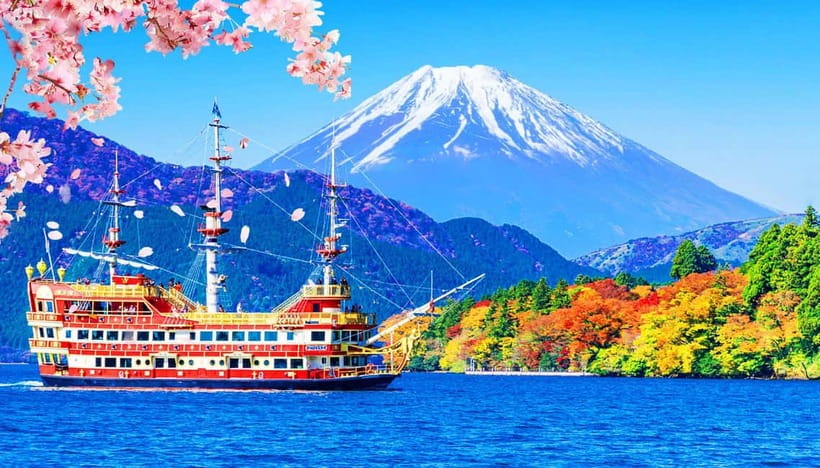
- Two distinct Fuji areas in one day: Hakone and Lake Ashi come first, followed by Lake Yamanaka and Oshino Hakkai.
- The pirate ship costs extra: The cruise is optional and is about 1,700 yen per person.
- Owakudani is an active geothermal area: Expect sulphuric smells, steaming ground, volcanic scenery, and the famous black eggs.
- Lunch is not included: Bring snacks and water, since the first meal break may be late.
- The guides keep a large group moving: Guides including Jack, Kousei, Sato, Tom, and Wanting are praised for clear directions, photography help, and friendly energy.
- Weather controls the Fuji payoff: The mountain may be hidden by cloud, and the ropeway can close for bad weather or maintenance.
What this $54 Tokyo day trip is really offering
At $54, this is an efficient way to cover a wide area that would be awkward to arrange independently in one day. Your fare includes an air-conditioned vehicle, driver, guide, parking, pickup and drop-off at a designated Tokyo point, and the Hakone Ropeway. That is good value if you want a broad first look at Fuji country without working out several rail, bus, boat, and ropeway connections.
The price does not include food or the Hakone Pirate Ship. The optional cruise adds about 1,700 yen, so keep that in your budget if you want the full lake experience. You can also skip the ship and travel by vehicle to the ropeway station.
This is a shared, multilingual tour with guides working in English, Chinese, Japanese, and Korean options. The group format keeps costs down, but it also means you follow a fixed schedule. You are not choosing how long to linger at every shrine, pond, or photo stop.
Most departures meet at Tokyo Station or Shinjuku Station, with the exact point depending on the booking option. The supplied meeting details arrive the evening before, and staff wear yellow vests at the meeting point. Arrive at least 15 minutes early. Tokyo meeting areas can be crowded with several groups, so do not treat the station as a place to wander in at the last second.
More Cable Car Trips in Mount Fuji
- Tokyo: Hakone Fuji Day Tour w/ Cruise, Cable Car, Volcano
★ 4.2 · 724 reviews - Tokyo: Mt. Fuji 5th Station, Kawaguchiko Tour w/ Cable Car
★ 4.5 · 570 reviews - Mt. Fuji Tours with Kawaguchi Lake Ropeway View English Speaking
★ 4.5 · 519 reviews
Hakone Shrine and the red gate on Lake Ashi
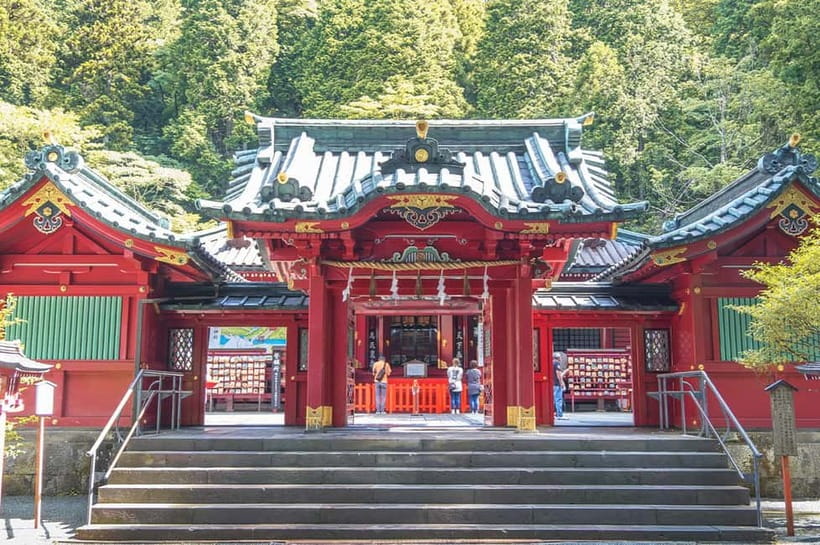
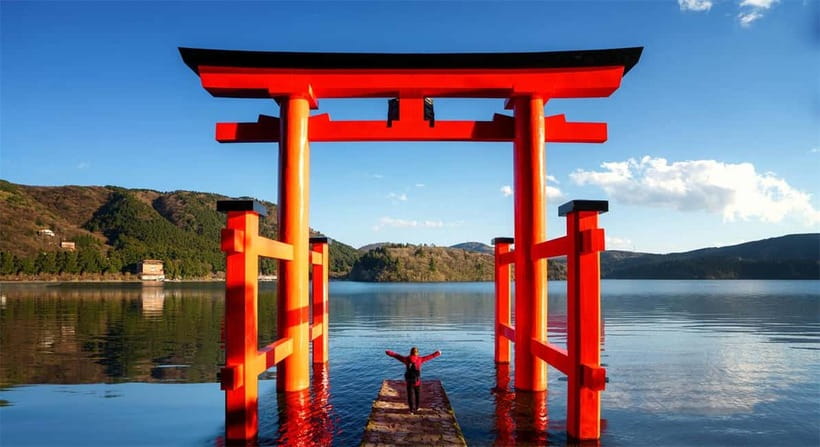
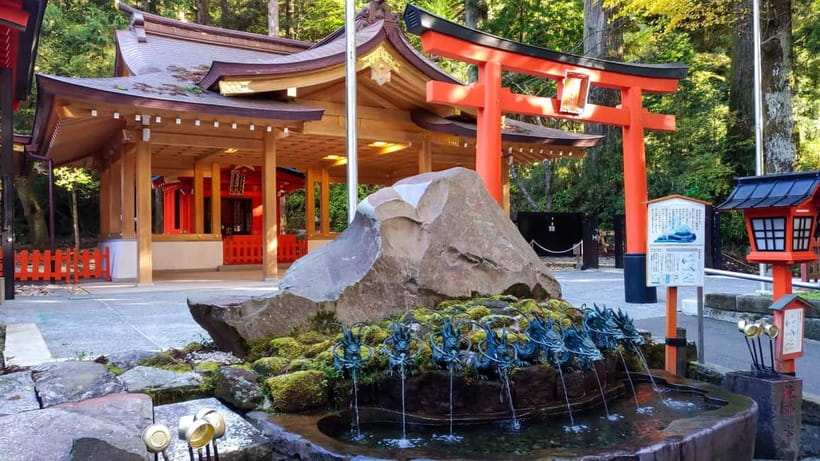
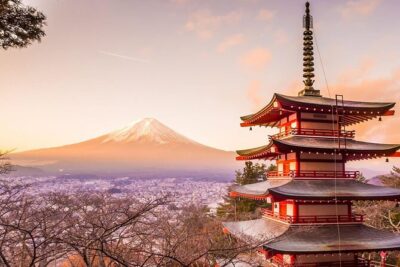
The first major stop is Hakone Shrine, founded in 757, in a wooded setting beside Lake Ashi. The famous Heiwa no Torii, a red gate standing at the water’s edge, is the photograph most people have in mind. From here, you get the classic pairing of red shrine architecture, lake water, and wooded hills.
You have about 20 minutes at the shrine and another short visit around the Torii area. That is enough to see the main sight and take photographs, but not enough for a slow religious-site visit. A queue can form for the best Torii photograph, so move with purpose and keep an eye on the meeting time.
The gate is scheduled to be closed from December 28 through February 10, 2026. If your visit falls within that period, confirm the current arrangement before booking, since this affects one of the trip’s key photo stops.
I like this opening because it gives the day a calm start before the machinery of the ropeway and the crowds at Owakudani. Just remember that the lake view is not the same as a guaranteed Fuji view. Cloud can cover the mountain even when the shrine and lake are perfectly visible.
Choosing the Lake Ashi pirate ship
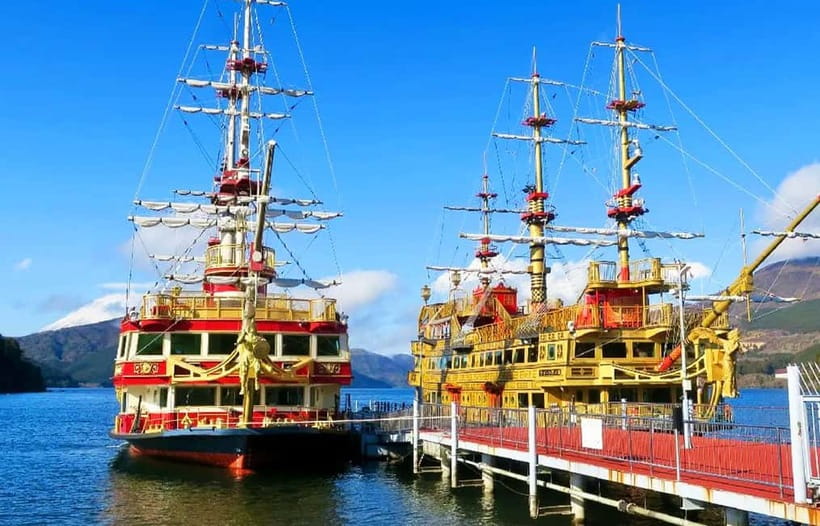
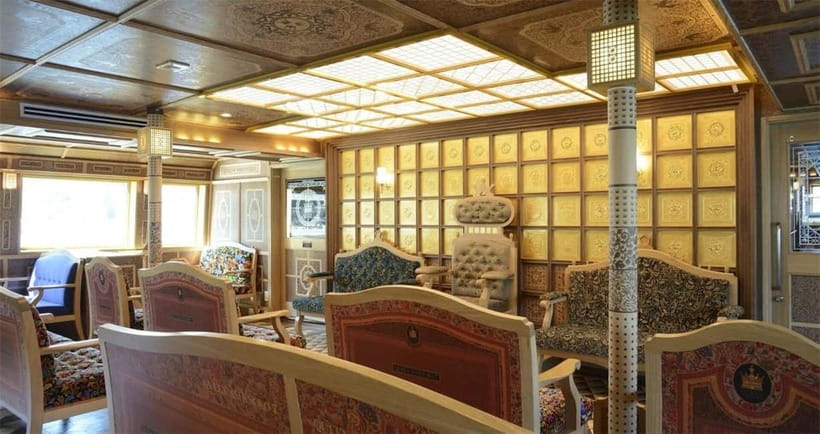
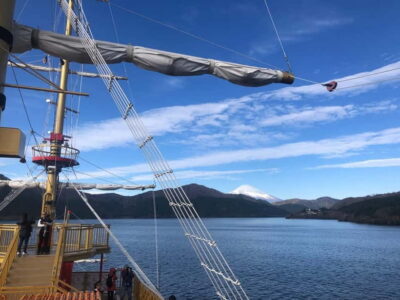
The Hakone Sightseeing Cruise takes about 25 minutes and uses themed ships such as Royal II, Victory, and Queen Ashinoko. The vessels are designed like pirate ships, which gives the crossing a playful tourist touch. From the water, you can photograph the Torii gate and the surrounding lake from a different angle.
The cruise is optional and self-paid. If you choose it, the extra fare is about 1,700 yen. It is worth considering if you enjoy being on the water or want a broad lake view without walking between several viewpoints.
The tradeoff is weather. On a cloudy or rainy day, the cruise may provide a pleasant boat ride but little Fuji scenery. One visitor also reported poor visibility during the boat trip and felt the cruise should have been canceled. That is a useful reminder: the boat fare is not a guarantee of views, and the weather can make this extra cost feel less attractive.
If the queue is long or the schedule is under pressure, the group may go by vehicle to Togendai Ropeway Station instead. This is one reason the itinerary can change during the day.
The Hakone Ropeway and steaming Owakudani
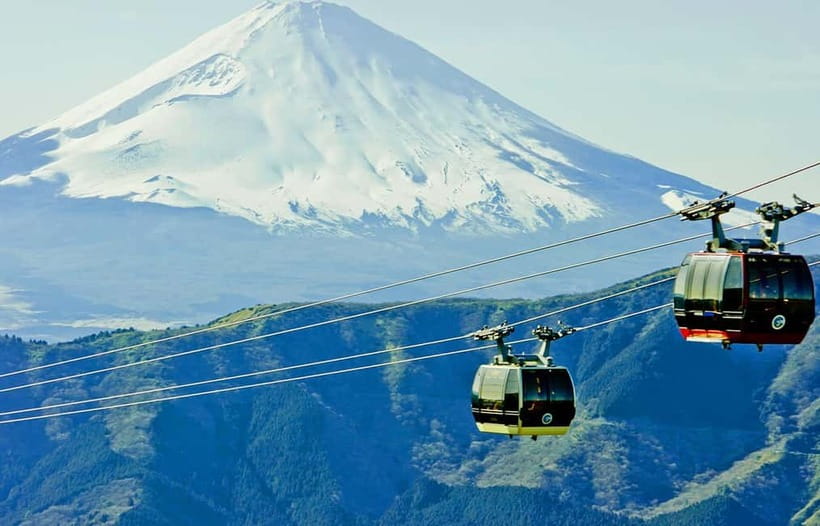
The Ropeway ride is one of the strongest parts of the outing. The included cable car takes about 30 minutes and gives you broad views over Lake Ashi and the volcanic Hakone area. On a clear day, this is where the mountain, lake, and rugged volcanic ground can come together in one sweeping view.
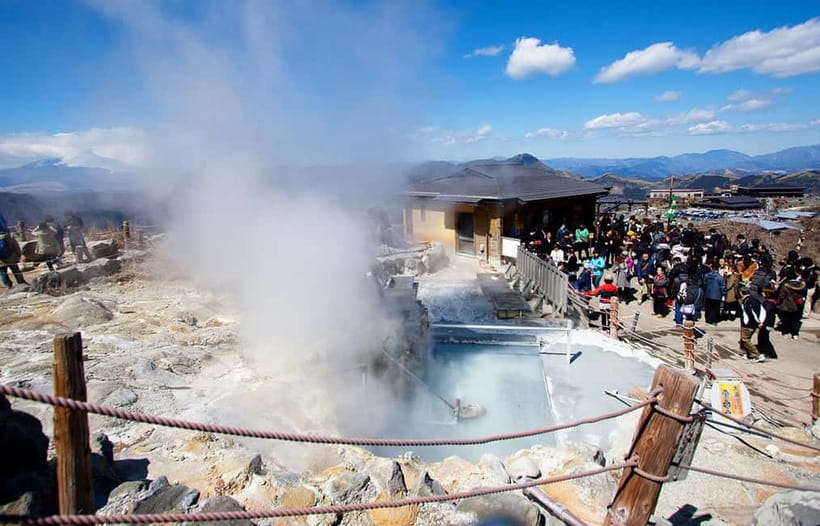
Owakudani was formed during a major eruption of Mount Hakone about 4,000 years ago. Today, it is a geothermal valley with steam, sulphuric odors, and signs of underground heat. The setting feels very different from the shrine and lake, which helps the day avoid becoming a string of similar viewpoints.
The local snack is the black egg, boiled in volcanic spring water. It is a simple food, but it is tied closely to the place and makes a fun stop. You will also find time to look around, take photographs, and hear the guide explain the area.
The Ropeway can close because of bad weather or maintenance. If that happens, the advertised information says you can contact the operator about a 1,000 yen per person ticket refund. Ask your guide what portion of the route remains possible, since the rest of the schedule can also be adjusted.
This stop is not ideal for everyone. The tour specifically lists respiratory issues as a concern, and the strong volcanic smell may be uncomfortable. People with mobility impairments may also find the overall day difficult because it involves several short walks, boarding points, and quick transitions.
Same trip, a completely different kind of day:
- Mt Fuji and Hakone 1-Day Bus Tour Return by Bullet Train
★ 5.0 · 26,383 reviews - Mt Fuji & Hakone Cruise, Drum Show Bullet Train 1 Day from Tokyo
★ 4.0 · 7,413 reviews - Tokyo Mt Fuji 5th St & Hakone Cruise Bus Tour w/Bullet Train
★ 4.4 · 5,024 reviews - From Tokyo: Mount Fuji Full-Day Sightseeing Trip
★ 4.5 · 4,970 reviews
Lake Yamanaka and the Swan Lake Shore
After Hakone, the route heads toward Lake Yamanaka, one of the Fuji Five Lakes. At the Swan Lake Shore, you have about 20 minutes for photographs and free time. Swans are a local feature here, and the intended picture places them in front of Mt. Fuji.
This is a short, weather-dependent photo stop. If Fuji is hidden, you can still see the lake and birds, but the background loses much of the drama. Feeding or approaching wildlife should be treated carefully, and you should follow the guide’s instructions.
Several strong days on this tour came down to clear winter weather. People who had a cloudless view found Fuji striking, while poor visibility changed the feel of the entire outing. Winter can offer crisp air, but it can also be cold, so wear layers and bring weather-appropriate clothing.
Lunch, snacks, and the late meal problem
Lunch is not included, and the timing deserves serious attention. The planned restaurant break lasts about 40 minutes, but the meal can come late in the day. One reported schedule did not reach lunch until after 2:15 p.m., while another person specifically wished the stop had come sooner.
Eat breakfast before meeting the bus. Bring snacks and water, especially if you do not function well on a long morning without food. Food is not allowed on the vehicle, so finish breakfast before boarding and wait for the designated break to eat.
The restaurant stop can be useful because it gives you a proper break after the morning’s attractions. But it is not a flexible food tour. You may be guided to a suggested restaurant, and you should not assume that the meal is covered by the $54 price.
There is a practical balance here. Bringing a sandwich or snack protects you from hunger, while buying lunch locally gives you a chance to try something connected to the area. Keep both time and cash ready.
Oshino Hakkai and the final Fuji view
Oshino Hakkai is a village-like scenic area built around eight clear ponds fed by Mt. Fuji’s snowmelt. The water reflects the mountain when conditions cooperate, and the ponds offer a different kind of Fuji photograph from the open views at Lake Yamanaka.
The stop lasts about 40 minutes, though delays elsewhere can reduce that time. It is a good place to walk, take close photographs of the clear water, and see a more traditional-looking rural setting after the volcanic attractions.
Do not count on a long, quiet visit. Oshino Hakkai is a popular stop, and the entire day runs on a shared schedule. One person reported having only five minutes at the final stop after other participants fell behind. That is not a reason to avoid the tour, but it is a reason to return promptly whenever your guide gives a meeting time.
The bus ride, group pace, and guide support
The drive takes roughly two hours each way, before traffic changes the calculation. Tokyo traffic, weather, queues, and peak-season crowds can push the day beyond the normal 10-hour estimate. Do not book an evening activity that requires a precise arrival time.
The bus is air-conditioned, but comfort can vary. One person found the seating uncomfortable and raised a concern about being placed beside a passenger who used too much personal space. Solo passengers should be aware that seating may not feel fully private or tailored to individual preferences.
The strongest part of the service is guide management. Jack is repeatedly praised for clear explanations, energy, and careful timing. Kousei is noted for patience, photography help, and keeping a large group together. Sato, Tom, Wanting, Andrew, and others are also praised for friendly assistance and clear instructions.
English ability can vary by guide and by day. Most feedback describes the guides as easy to understand, but one person found communication difficult. The best way to help yourself is to listen closely to meeting instructions, save the guide’s phone details if provided, and return to the bus early rather than testing the schedule.
What to bring for this long day
Wear comfortable shoes. You will move through shrine grounds, lakeside areas, a volcanic valley, and a pond district, with repeated boarding and walking.
Bring:
- Water and snacks
- A camera or phone with spare battery power
- Warm or rain-ready layers
- Cash for food and the optional cruise
- Comfortable shoes
Smoking is not allowed in the vehicle, and food cannot be eaten on the bus. The guide may adjust or cancel stops because of weather, traffic, maintenance, or working-hour limits for the driver. Japanese drivers are limited to 10 working hours per day, so unexpected delays can affect the route.
Free cancellation is available up to 24 hours before departure, and the reserve-now, pay-later option can help if your Tokyo plans are still moving around. Those policies are useful, but they do not change the basic reality: this is a full day outdoors with a fixed group schedule.
Who should book this Mt. Fuji tour?
I would choose this tour if you have one open day in Tokyo and want a broad introduction to Hakone and the Fuji Five Lakes. It suits first-time visitors who prefer a guide, included transportation, and a ready-made route over a day of independent planning.
It is especially good for you if:
- You want shrine, lake, ropeway, volcanic, wildlife, and pond stops in one day
- You are comfortable with a long bus ride
- You like guided explanations and help with photographs
- You can handle an early start and a late return
- You accept that Mt. Fuji may be hidden
I would choose something slower if you want long walks, a relaxed lunch, or time to explore one town in depth. This is not the right fit for someone with major mobility limits, respiratory concerns, or a strict evening appointment.
Should you book it?
Book it if your goal is coverage. For $54, the transportation and included Ropeway make it a practical way to see several famous sights beyond Tokyo, especially if this is your only Fuji-area day.
Skip it if your dream is one carefully composed Fuji photograph with no schedule pressure. The mountain depends on weather, the cruise costs extra, lunch may be late, and the final stops can shrink when traffic or group delays pile up.
For most first-time visitors, I think the mix is worth it. Start with breakfast, bring snacks, budget for the ship if you want it, and leave your evening free. Then you can enjoy the views without pretending the mountain is under your control.
FAQ
How long does the tour last?
The planned duration is about 10 hours, including the morning meeting, sightseeing, and return to Tokyo. Traffic, weather, queues, and other delays can make the day longer or change the schedule.
Is the Hakone Pirate Ship included?
No. The cruise is optional and costs about 1,700 yen per person. You can travel by vehicle to the Togendai Ropeway Station instead.
Is lunch included?
No. Food and drinks are not included. You can bring snacks, buy food at the attractions, or eat at a restaurant suggested during the break.
Is Mt. Fuji guaranteed to be visible?
No. Visibility depends on weather conditions. The mountain may be partly or completely hidden by cloud.
What happens if the Hakone Ropeway closes?
The Ropeway may close because of bad weather or maintenance. The provided information says you can request a 1,000 yen per person ticket refund by email if this happens.
Where does the tour meet?
There are two designated starting options, including Tokyo Station or Shinjuku Station areas. The exact meeting point depends on the option booked, and the guide and driver details are sent the evening before the tour.
Just added around Mount Fuji
- Ramen Cooking Class at Lake Kawaguchiko (Short Course)★ 5.0 · 42 reviews
- Private Fuji Full-day Car Tour with Hotel Pickup -Local Guide★ 5.0 · 12 reviews
- Sushi Cooking Class at Sushi Factory -KIWAMI- Mt.Fuji★ 5.0 · 23 reviews
- Private Local Hiking to enjoy the nature and culture of Mt.Fuji★ 5.0 · 22 reviews
- Cute & Fun E-Car tour following guide around Lake Kawaguchiko★ 5.0 · 54 reviews
- Ramen Cooking Class at Ramen Factory in Mt.Fuji★ 5.0 · 101 reviews
- Fujisan Sushi Making Lesson★ 5.0 · 16 reviews
- Early Morning Kayaking With Views of Mt Fuji at Lake Kawaguchiko★ 5.0 · 69 reviews
Cable Car Trips in Mount Fuji, compared.
Mt. Fuji Tours with Kawaguchi Lake Ropeway View English Speaking
Our verdict →Browse the lists this tour appears in