
Reviewed · MOUNT FUJI TOURS
Tokyo:Mt.Fuji,Kawaguchiko Oishi Park,Arakurayama Sengen Park
Mt. Fuji is the star, but this day trip earns its $54 price by showing you the mountain from several very different angles. You’ll climb to Chureito Pagoda, walk beside Lake Kawaguchi, visit flower gardens, and step into an old-style village with thatched roofs. On a clear day, the mountain appears again and again, each view framed differently.
I like the mix of famous photo stops and quieter local sights. I also like the optional lunch, especially the chance to try Houtou noodles, a Yamanashi specialty. The main drawback is the pace: this is a full 10-hour day, and traffic can stretch the return to Tokyo. You’ll see a lot, but you won’t linger everywhere.
Key points to know before booking
- 398 steps to the classic Fuji view: The climb to Chureito Pagoda is worthwhile, with a slope available as an alternative.
- Four strong viewing areas: Arakurayama, Lake Kawaguchi, Oishi Park, and Saiko offer different ways to see Mt. Fuji.
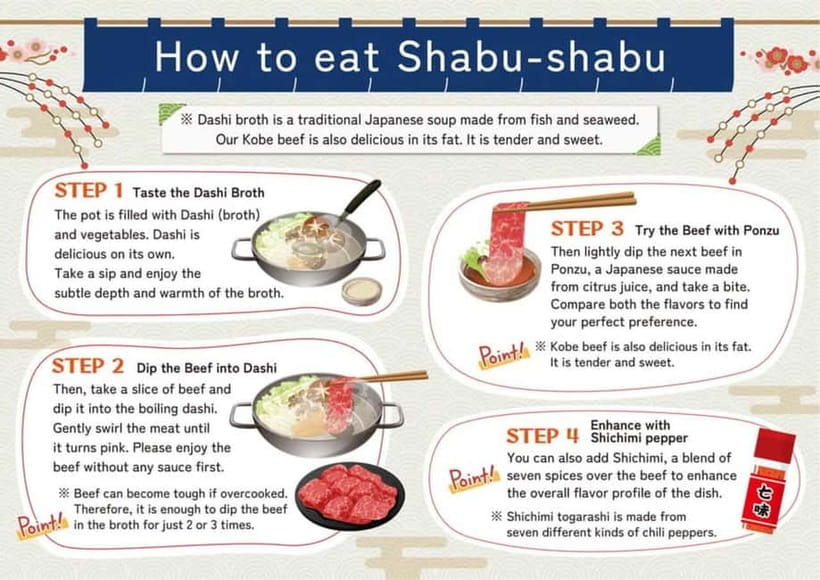
- A useful lunch choice: Choose Houtou noodles, Kobe beef shabu-shabu, Koshu wine beef, or another available meal option.
- Seasonal scenery changes the day: Cherry blossoms, lavender, autumn leaves, and snow each bring a different look.
- Good value for a long outing: Transportation, a live guide, and the Saiko village admission are included for $54 per person.
- Expect a busy schedule: Clear meeting instructions matter, and the bus leaves on time.
Why this Mt. Fuji day trip works
A Mount Fuji outing from Tokyo is easy to underestimate. The distance is not huge on a map, but the roads can be slow, and the best viewpoints are spread around the Fuji Five Lakes area. Going independently can mean juggling trains, buses, local connections, admission fees, and weather plans.
This tour handles the transportation in an air-conditioned vehicle and links several sights in one day. That matters most if you have limited time in Tokyo or want to see more than one postcard view. A live guide provides meeting times and background during the bus rides, while you get free time at the stops instead of being led around every minute.
The cost is $54 per person, with lunch included only if you select that option. For that price, the value is strong if you want convenience and variety. You are paying for a long day rather than a slow, private visit. The tour has operated for more than 10 years, and guides including Koji, Omar, George, Eric, and Jorge have been praised for clear directions, humor, and helpful service.
The bus usually leaves from one of two Tokyo starting points, including the Robert Indiana LOVE sculpture area near the KOKUYO Tokyo Shinagawa office. The end point is Shinjuku Station. Check your exact departure point carefully, since it can vary by booking option.
A few more Mount Fuji half-days worth comparing
- Mt Fuji and Hakone 1-Day Bus Tour Return by Bullet Train
★ 5.0 · 26,383 reviews - Mt Fuji & Hakone Cruise, Drum Show Bullet Train 1 Day from Tokyo
★ 4.0 · 7,413 reviews - Tokyo Mt Fuji 5th St & Hakone Cruise Bus Tour w/Bullet Train
★ 4.4 · 5,024 reviews
Arakurayama Sengen Park and the 398-step climb
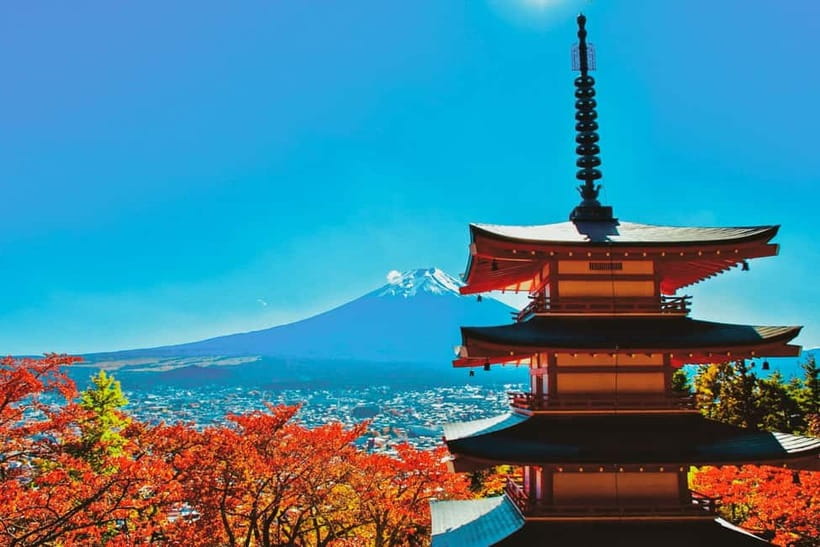
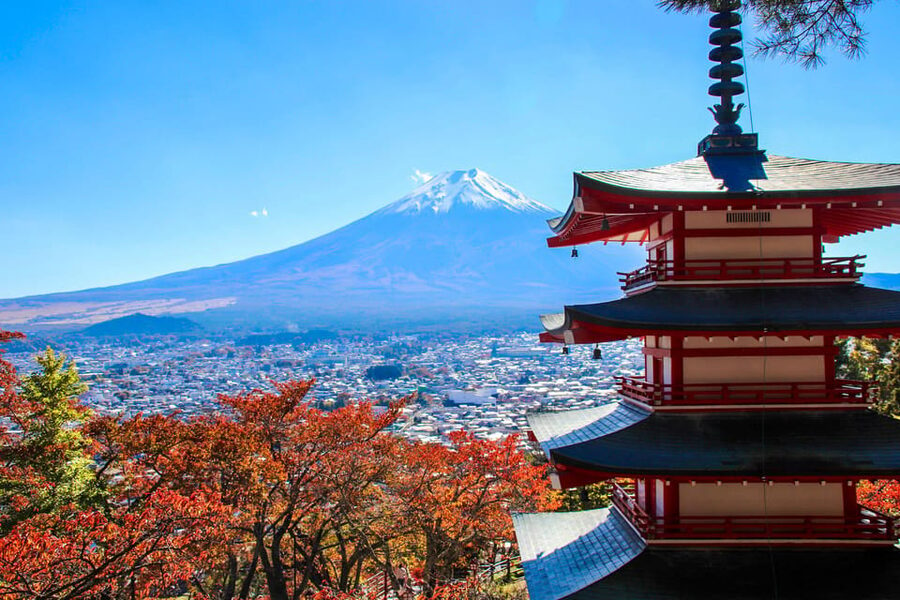
The first major stop is Arakurayama Sengen Park, home to the view that appears on countless Japan postcards: Mt. Fuji, the red Chureito Pagoda, and, in spring, cherry blossoms in one frame.
The observation area requires a climb of 398 stone steps from the park entrance. It is not a technical walk, but it is enough to raise your pulse, especially after a long journey from Tokyo. A slope provides another route, which is useful if stairs are difficult for you, though the park still involves walking and uneven outdoor paths.
At the top, the payoff is a broad view over Fujiyoshida with Mt. Fuji behind the pagoda. Clear weather makes a huge difference. The mountain can be hidden by clouds even when the rest of the sky looks bright, so treat the view as a gift rather than a promise.
Spring is the famous season here. Around 650 cherry trees usually flower from late March into mid-April, and the park holds its annual Cherry Blossom Festival. Autumn brings red and gold leaves around the pagoda. Winter can give you the sharpest snow-capped Fuji view, but temperatures at the lookout may be cold.
You get about 70 minutes in this area, including the park, shrine, walking time, and photo stop. That sounds generous until you factor in the climb, crowds, and time at the top. Wear shoes suited to stairs and keep an eye on the meeting time.
Hikawa Clock Shop and Arakura Fuji Sengen Shrine
The streets near Hikawa Clock Shop offer a different Fuji photo. Here, Mt. Fuji rises beyond a local town street, creating a pleasing contrast between everyday Japan and the mountain in the distance.
This stop is less about a formal viewpoint and more about composition. Look down the street, frame the rooftops, and wait for a clear gap between buildings. The area can be crowded with people taking the same photograph, so your guide’s timing instructions are important.
The nearby Arakura Fuji Sengen Shrine adds a cultural layer to the visit. It is connected to the same religious setting as the park and gives you a chance to pause among traditional architecture before moving on to the pagoda area. You are not simply being taken from one photo platform to another. The route links a shrine, a town street, and a hilltop view.
The stop is worthwhile for photographers, but it is brief. If your priority is quiet shrine time, this schedule may feel short. If you want several angles of Fuji without arranging local transport yourself, it works well.
Chureito Pagoda, the iconic frame
Chureito Pagoda is technically part of the Arakurayama visit, but it deserves its own attention because it is the image most people have in mind when they book a Fuji tour.
The five-story pagoda is a memorial structure above the city, painted in the strong red tones common to Japanese Buddhist buildings. Mt. Fuji sits behind it when conditions cooperate. Cherry blossoms soften the view in spring, while autumn leaves add warm color around the pagoda.
This is the point where many people wish they had more time. You need time to climb, find the best angle, take photographs, and simply look. The tour allows free time, but the full route includes several other stops, so do not expect a long, unhurried photography session.
A useful tactic is to take your first photographs quickly, then move slightly away from the main platform. You may find a less crowded angle and have more time to appreciate the setting. The pagoda is not just a prop for Fuji pictures. The view across the town gives you a sense of how closely the mountain shapes the region.
Same trip, a completely different kind of day:
- From Tokyo: Mount Fuji Full-Day Sightseeing Trip
★ 4.5 · 4,970 reviews - Tokyo: Mt. Fuji Tour, Hakone Ropeway, Owakudani, Lake Ashi
★ 4.7 · 4,002 reviews - Tokyo: Mt. Fuji 5th Station & Hakone Cruise 1-Day Bus Tour
★ 4.2 · 2,381 reviews - Mt Fuji Top 5 Spots Day Tour: Arakurayama Park,Oshino Hakkai
★ 4.7 · 2,066 reviews
Lake Kawaguchi and the Maple Corridor
Lake Kawaguchi is the heart of the day. The tour spends about two hours around the lake, including free time, walking, local food, and visits to nearby sights.
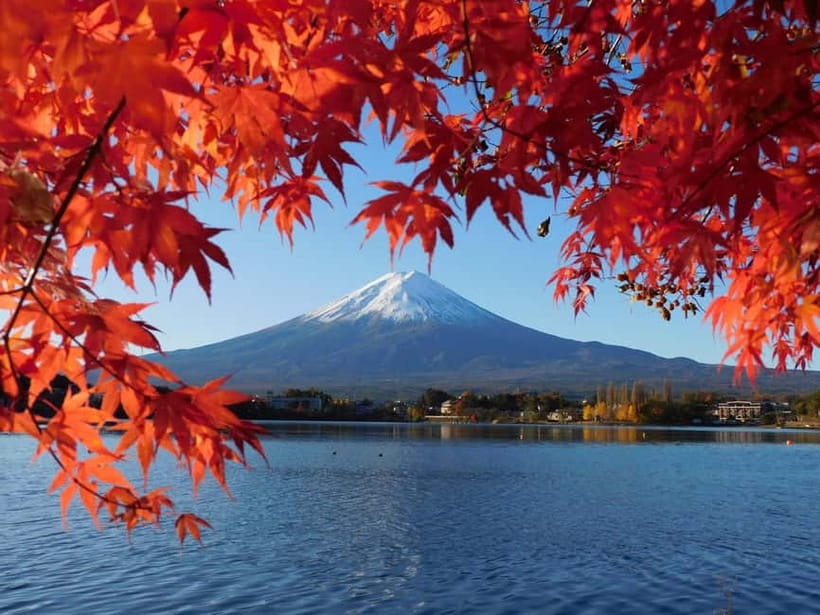
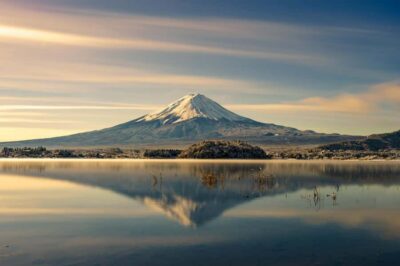
From the lakeside, Mt. Fuji looks wider and more open than it does from the pagoda. On calm days, you may see the mountain reflected in the water. The shore also gives you room to step away from the tight crowds of the hilltop viewpoints.
The nearby Maple Corridor is especially attractive in autumn, when the trees turn red and gold. Spring brings cherry blossoms along sections of the lakeside. In other seasons, the lake remains a good place to slow down, eat, browse, and take photographs.
This is one of the stops where time can feel tight. Two hours sounds useful, but it must cover the lake area, food, the Maple Corridor, and the Craft Park visit. If you want a long meal and a relaxed lakeside walk, you may need to choose one over the other.
Lunch at Kawaguchiko Craft Park
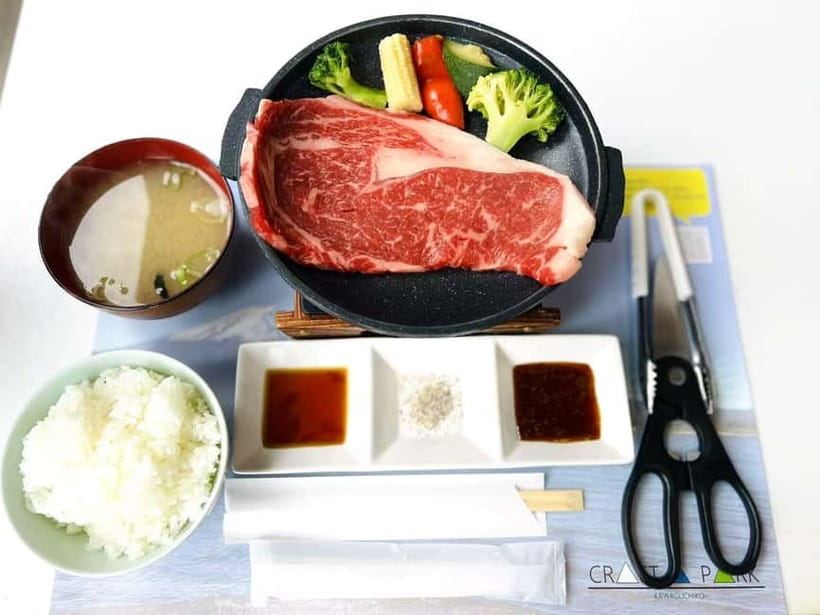
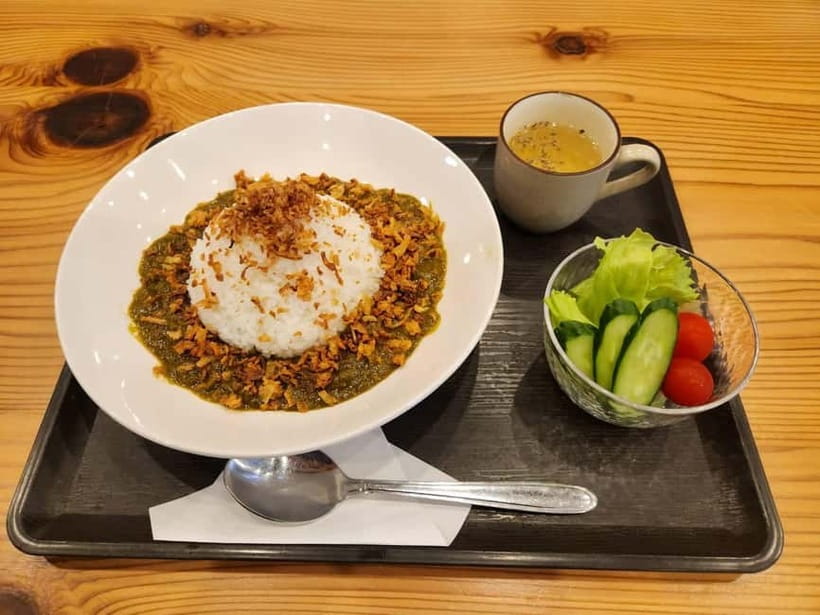
Kawaguchiko Craft Park combines food, shopping, and hands-on craft activities. The supplied schedule lists lunch, shopping, a workshop, and free time here, though no fixed workshop duration is given. Treat the craft element as an available feature rather than the main reason to book the tour.
The dining spaces include open-air seating with views toward Mt. Fuji. Just a short walk away, the lakeside offers another chance to see the mountain reflected in the water.
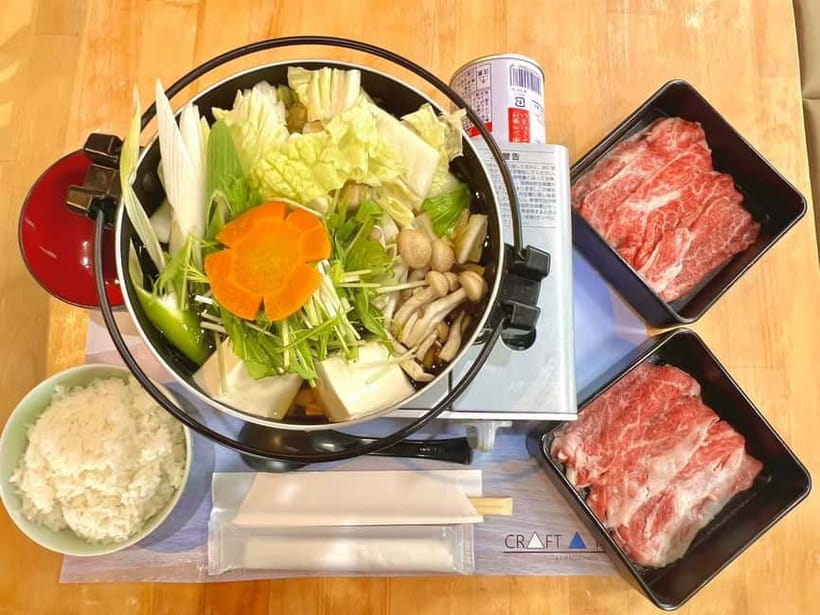
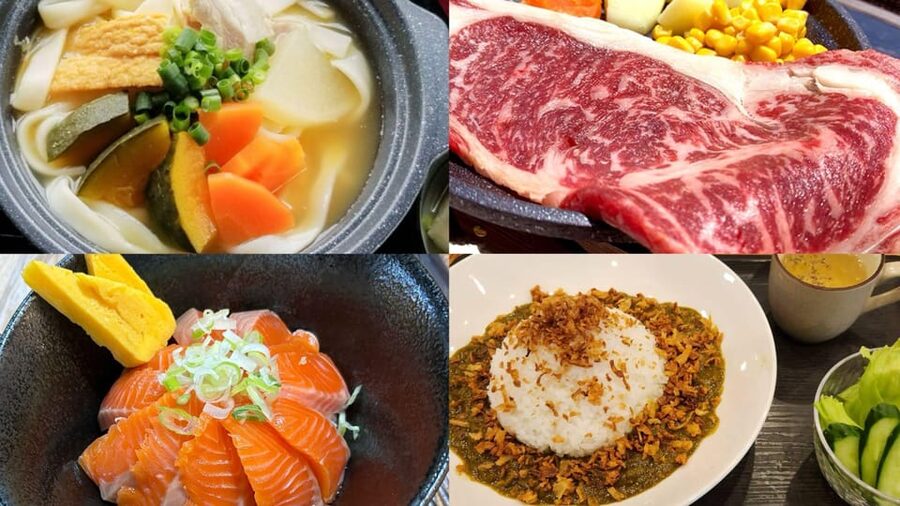
Lunch options give this tour more local flavor than a standard coach stop. You may choose:
- Houtou noodles, a thick noodle dish simmered in miso broth with vegetables and chicken.
- Kobe beef shabu-shabu, made with A5-grade Japanese black Wagyu.
- Koshu wine beef steak, using Yamanashi beef raised with grapes in the area.
Vegetarian and vegan needs may be possible in some cases, but the information provided does not confirm every dietary option. If you have allergies or strict food requirements, ask before booking rather than relying on a last-minute answer. One traveler specifically had trouble getting a response about gluten-free food before departure.
The souvenir area sells local specialties and limited-edition items. This can be a useful place to buy gifts without spending extra time searching in Tokyo. Just remember that shopping reduces your walking and meal time.
Oishi Park and its seasonal Flower Road
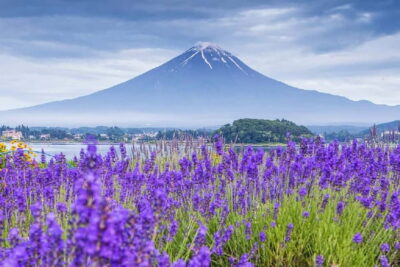
Oishi Park occupies a fine stretch of Lake Kawaguchi shoreline and is one of the day’s easiest scenic stops. The park has broad views toward Mt. Fuji and a 350-meter Flower Road planted with seasonal color.
Spring brings tulips. Summer brings lavender, with the Kawaguchiko Herb Festival held from late June to mid-July. Autumn brings kochia, a rounded broom plant that turns warm shades before winter.
The park stop lasts about 30 minutes. That is enough for photographs and a short walk, but not enough for a long garden visit. If flowers are your main interest, check the season before booking. The view remains appealing outside peak bloom, but the famous lavender scene is a summer feature, not a year-round sight.
Oishi Park is also a good weather checkpoint. If the mountain has been hidden earlier, it may appear from this side of the lake later in the day. Several people on the tour have been lucky enough to see Fuji after clouds or rain had blocked it earlier.
Saiko Iyashi-no-Sato Nenba and old-style Japan
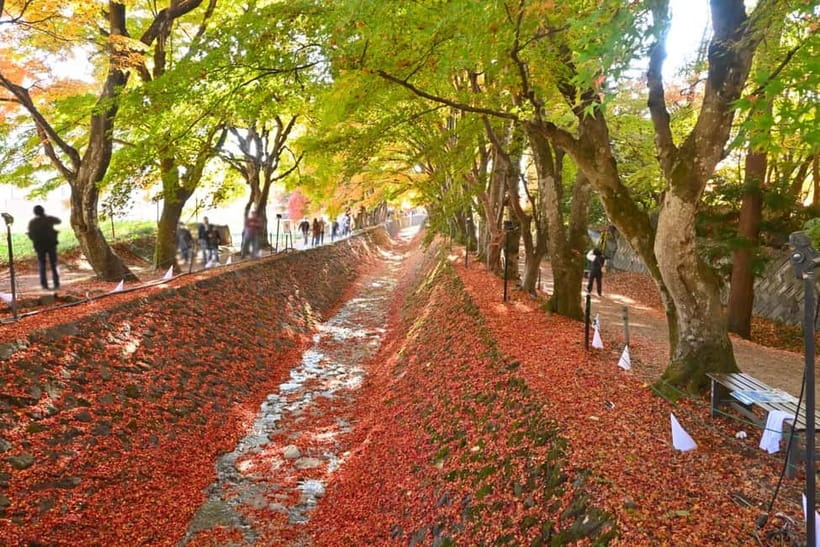
Saiko Iyashi-no-Sato Nenba is the day’s most distinctive cultural stop. This restored village by Lake Saiko has about 20 thatched-roof houses modeled on the style associated with Shirakawa-go.
The buildings now hold craft studios, small shops, and places to eat. The setting feels different from the lakefront parks and crowded photo spots. You can walk between the houses, browse local goods, and take photographs with Mt. Fuji in the background when the weather allows.
A popular activity is dressing in a kimono or ninja outfit for photographs. This is playful rather than formal, and it gives families and first-time visitors a memorable way to connect with the setting. The village also changes with the calendar: cherry blossoms and carp streamers in spring, green summer scenery, autumn leaves, and snow in winter.
Admission to Saiko Iyashi-no-Sato Nenba is included. You get about 50 minutes, which is enough for a clear look at the village but may feel short if you want to try a craft, change outfits, shop, and photograph every house. One practical tip is to decide your priority as soon as you arrive.
Weather, traffic, and the real pace of the day
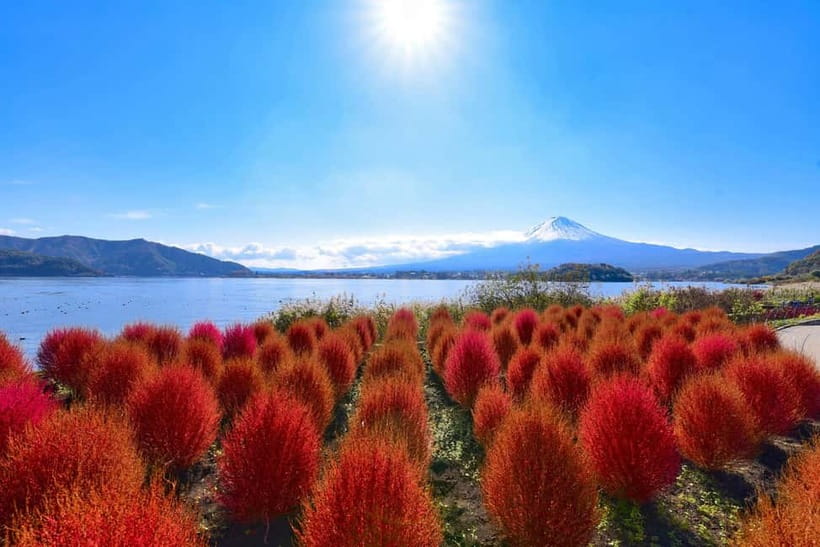
Mt. Fuji is a weather-dependent sight. You can visit several excellent viewpoints and still see only clouds. Rainy days have not ruined the whole outing because the village, lake, shops, shrines, and gardens remain worthwhile, but you should not book this tour expecting a guaranteed snow-capped mountain.
Late winter, early spring, and clear days after rain often offer strong visibility, but no season guarantees the view. Summer can bring flowers and green hills, while autumn adds the Maple Corridor and red-gold foliage. September may show Fuji without the snow cap, so set your expectations by season.
Traffic is the other major variable. The journey back to Tokyo can take longer than planned, particularly on busy days. Guides communicate delays and may adjust the time at stops. That is sensible, but it means some visits can be shortened.
Arrive at least 10 minutes before departure. The bus leaves on time, and being late can affect the whole group. If you need to leave the group midway, tell the guide that day and complete the required departure form.
Guides, language, and bus comfort
The tour offers English and Chinese live guides. Depending on the day, people booked in different languages may share one vehicle, so the commentary setup can vary.
Guide quality matters on a packed day like this. Koji has been praised for clear instructions and an easy sense of humor. Omar is known for keeping the group engaged, while George, Eric, Jorge, and other guides have helped with directions, local stories, and practical problems. These names are not a promise that you will receive one particular guide, but they show the sort of service the company aims to provide.
The air-conditioned bus is a real advantage in summer and after the climb to the pagoda. Seats may be numbered, and vehicle size can change according to the number of people and the day’s conditions. You will spend many hours on the road, so the comfort of the bus and the clarity of the guide both matter.
Who should book this Fuji outing?
I would choose this tour if you have one free day from Tokyo and want variety without planning several transport connections. It suits first-time visitors, photographers who want multiple Fuji angles, families who like a structured day, and solo visitors who prefer a set route with a guide.
It is also a good match if you want more than the famous pagoda. Oishi Park, the lake, the shrine area, and Saiko village give the day substance even when clouds block the mountain.
I would hesitate if you dislike early starts, long bus rides, timed stops, or busy viewpoints. Independent visitors who want a quiet lakeside afternoon may prefer to stay around Kawaguchiko for a night or two. This tour gives you breadth, not a slow pace.
Should you book it?
Book it if you want the best range of Fuji views for a modest price and accept that weather and traffic are out of anyone’s control. The included transportation, guide, and village admission make $54 good value, especially when you add the cultural stops and seasonal gardens.
Bring comfortable shoes, water, sun protection, and patience. Choose lunch in advance if the local food appeals to you, arrive early, and keep your schedule flexible after the return to Tokyo. If Fuji stays hidden, the day can still work, but if the sky clears, the pagoda, lake, parks, and village may give you exactly the Japan picture you came for.
FAQ
How long is the Mt. Fuji tour from Tokyo?
The tour lasts about 10 hours and finishes at Shinjuku Station.
What languages are available?
Live tour guides are available in English and Chinese.
What is included in the price?
Air-conditioned transportation, a tour guide, and admission to Saiko Iyashi-no-Sato Nenba are included. Lunch is included only when you select a lunch option.
Is lunch included automatically?
No. Lunch depends on the option you book. Choices include Houtou noodles, Kobe beef shabu-shabu, and Koshu wine beef steak.
How difficult is the walk to Chureito Pagoda?
The main route includes 398 stone steps from the park entrance to the observation area. A slope is also available as an alternative route.
Can I see Mt. Fuji all year?
The viewpoints operate year-round, but Mt. Fuji may be covered by clouds or rain. Seasonal scenery includes cherry blossoms in spring, lavender in summer, autumn leaves, and snowy winter views.
What happens if traffic delays the bus?
The tour may adjust the time spent at attractions if traffic or another unexpected delay affects the schedule. The bus departs on time, so you should arrive at the meeting point at least 10 minutes early.
Just added around Mount Fuji
- Ramen Cooking Class at Lake Kawaguchiko (Short Course)★ 5.0 · 42 reviews
- Private Fuji Full-day Car Tour with Hotel Pickup -Local Guide★ 5.0 · 12 reviews
- Sushi Cooking Class at Sushi Factory -KIWAMI- Mt.Fuji★ 5.0 · 23 reviews
- Private Local Hiking to enjoy the nature and culture of Mt.Fuji★ 5.0 · 22 reviews
- Cute & Fun E-Car tour following guide around Lake Kawaguchiko★ 5.0 · 54 reviews
- Ramen Cooking Class at Ramen Factory in Mt.Fuji★ 5.0 · 101 reviews
- Fujisan Sushi Making Lesson★ 5.0 · 16 reviews
- Early Morning Kayaking With Views of Mt Fuji at Lake Kawaguchiko★ 5.0 · 69 reviews
Mount Fuji Tours, compared.
Mt Fuji and Hakone 1-Day Bus Tour Return by Bullet Train
Our verdict →
Mt Fuji Top 5 Spots Day Tour: Arakurayama Park,Oshino Hakkai
Our verdict →
Mt. Fuji, Kamakura, Big Buddha, & Lake Ashi Day Trip
Our verdict →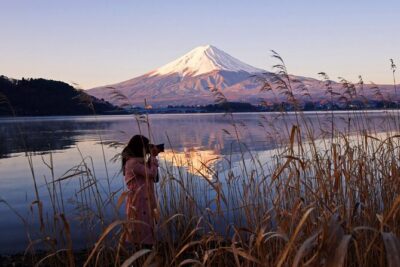
Mt. Fuji 5th Station, Kawaguchiko Tour w/ Cable Car
Our verdict →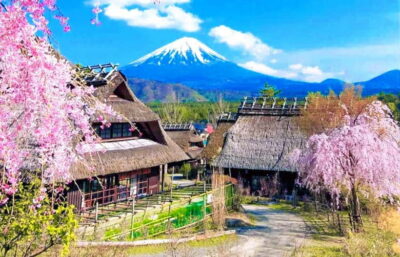
Mt. Fuji Heritage Tour: Traditional Villages, Lakes & Shrine
Our verdict →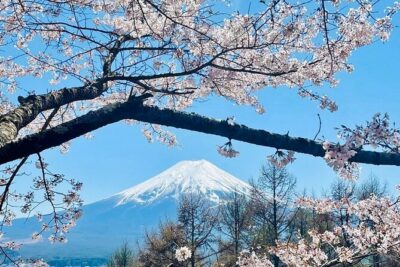
Browse the lists this tour appears in