
Reviewed · HIDDEN GEMS TOURS
Tokyo: Mt. Fuji Hidden Gems and Aokigahara Forest Tour
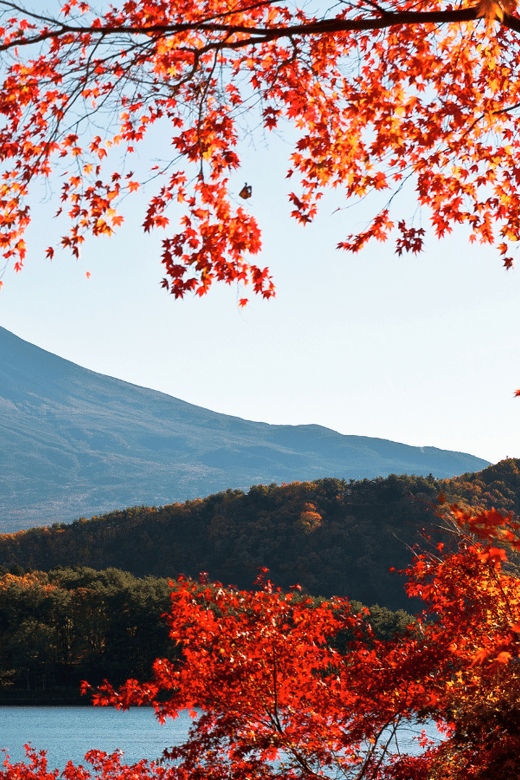
The most unusual part of this Mt. Fuji outing is its focus on the volcanic world around the mountain, not just the famous view. You move from flower-framed Lake Kawaguchi to lava caves, a forest growing over old volcanic rock, and quiet shores where Fuji may appear across the water.
I like the private car, since a group of up to five can stop for photos, adjust the pace, and avoid the rigid rhythm of a large bus. I also like the mix of places: Oishi Park gives you the classic Fuji scene, while the caves and Aokigahara show the mountain’s stranger side. The main consideration is the long road day from Tokyo. Traffic, weather, and cave closures can reduce the time you actually spend at each stop.
Key points before you book
- Private transport for up to five people: The $577 group price makes the most sense when shared by several people, especially if you value hotel pickup and a flexible schedule.
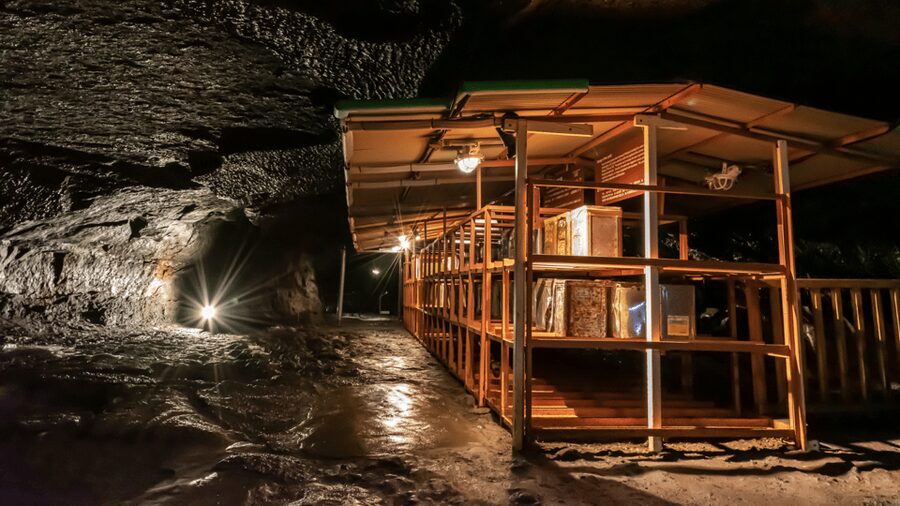
- A volcanic itinerary: Narusawa Ice Cave and Fugaku Wind Cave were formed by Mt. Fuji’s eruptions and offer a close look at the area’s geology.
- A quieter side of Fuji: Lake Saiko, Lake Motosuko, and Aokigahara provide a calmer alternative to the busiest Fuji viewpoints.
- Cave conditions matter: The ice cave may close for maintenance or safety, and its ice pillars are visible only from about February through June.
- Expect walking and uneven ground: Comfortable shoes are essential. Some cave sections may require crouching or crawling.
- A driver rather than a full guide: English is provided, and drivers can offer advice, but the experience may be more transport-focused than a fully guided cultural tour.
What this $577 private day really gives you
The price is $577 per group of up to five, not per person. Filled to capacity, that works out to about $115 per person before entrance fees, food, and drinks. For two people, the cost is much steeper, so the value depends on how much you want private transport and control over the day.
Your vehicle is air-conditioned, and hotel pickup and drop-off are included within Tokyo’s 23 wards. That covers areas such as Shinjuku, Shibuya, Chiyoda, Chuo, Minato, Taito, and Setagaya. Pickup outside those wards can add ¥5,000 to ¥20,000, depending on the location.
The advertised duration is 10 hours for Tokyo pickup and drop-off. That sounds generous, but Mt. Fuji is a long way from central Tokyo, and road conditions can eat into the schedule. A day that includes six stops, meals, traffic, and the return drive may feel closer to eight useful sightseeing hours in practice. If you need to return for a train or evening booking, tell the driver at the start.
Your driver is English-speaking and can answer questions, suggest timing changes, and help with practical stops. Drivers on different departures have included Saki, Amane, Soma, Zeeshan, and Nisal. The quality of the day depends partly on how much information your driver provides, so set your expectations clearly: ask if you want background at each stop, or say if you prefer a quiet ride and more time for photos.
More Hidden Gems Tours in Mount Fuji:
- Private guided hidden gems tour by local English speaking driver
★ 5.0 · 142 reviews - Kyoto Geisha Walking Tour: Gion District & Hidden Gems
★ 4.7 · 3,273 reviews - Private Kyoto Tour with a Local, Highlights & Hidden Gems, Personalised
★ 5.0 · 1,543 reviews
Oishi Park and the classic Lake Kawaguchi view
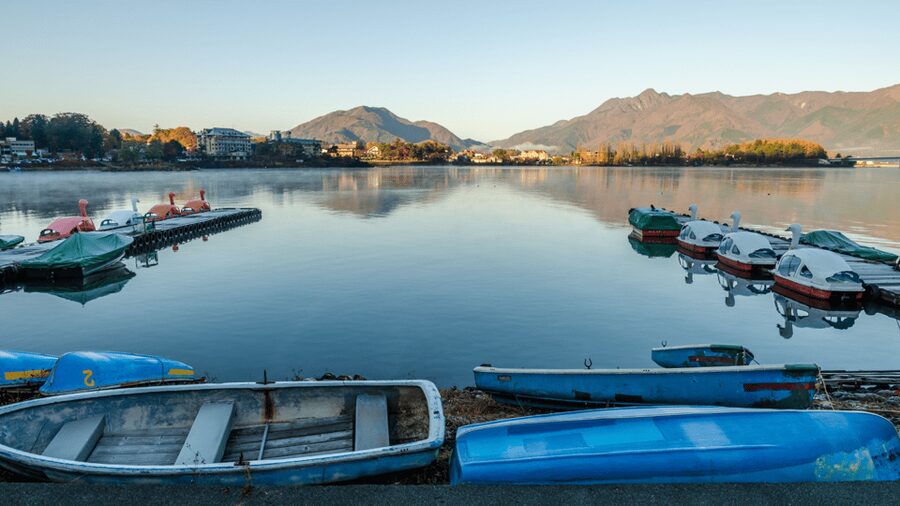
Oishi Park is the easiest opening scene because it gives you the image most people hope to see: Mt. Fuji rising beyond Lake Kawaguchi, with seasonal flowers in the foreground. The flower displays change through the year, so the color and overall view depend on your date and the weather.
Plan to spend about an hour here. You can walk, take photos, and get your first clear look at the mountain if the sky cooperates. The park is also a useful reality check. Fuji often hides behind clouds, even on otherwise pleasant days, so do not judge the whole tour by the first view.
I like starting here because it combines scenery with very little physical effort. You get the classic photograph before moving into places that require more walking. Bring a camera, but keep your expectations sensible. The mountain view is weather-dependent, and no driver can make Fuji appear.
Saiko Nenba-hama, a slower hour beside Lake Saiko
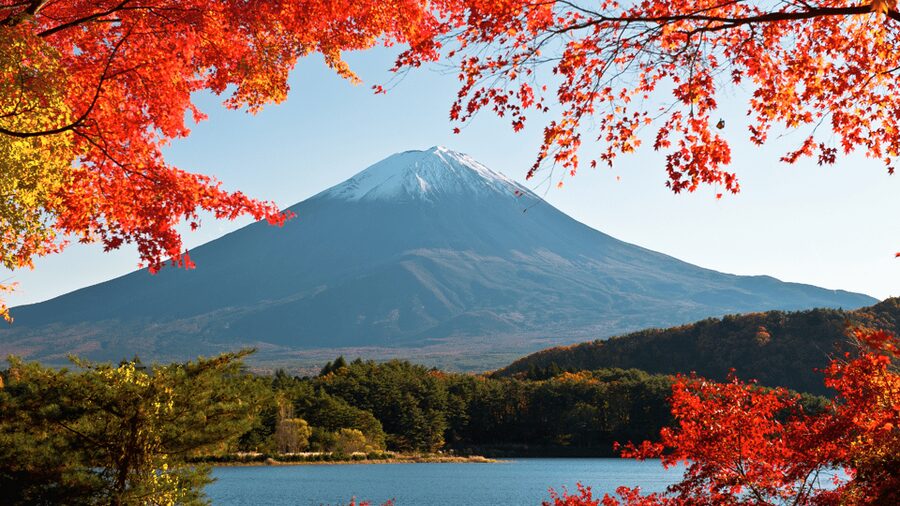
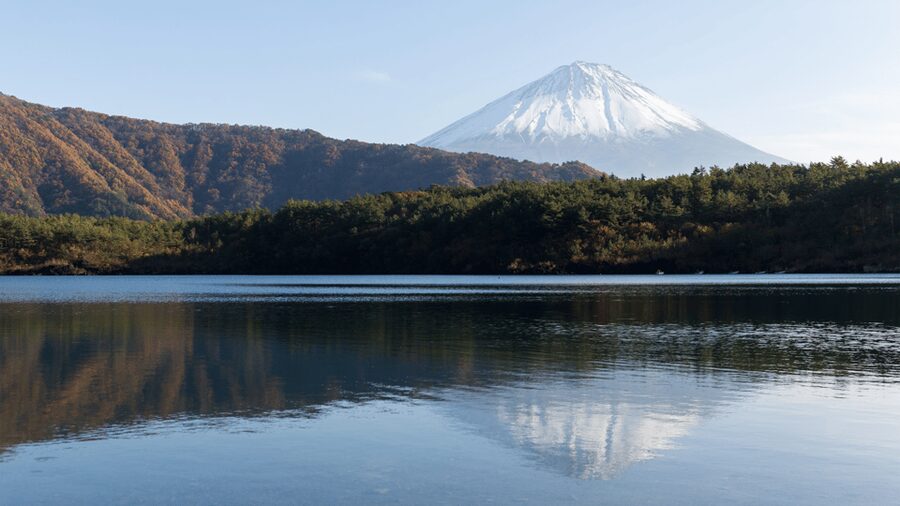
The stop at Saiko Nenba-hama shifts the mood. Instead of a polished viewpoint built around a famous photograph, you get a quieter lakeside setting beside Lake Saiko. The plan allows roughly an hour for walking, photos, and a peaceful break.
This is a good place for lunch, though food is not included. Bring snacks and water, or ask the driver for advice about where to eat. One useful detail from the day’s setup is that food and nonalcoholic drinks are allowed in the vehicle, but alcohol is not. Keep the car clean, since an unusually dirty vehicle can bring a ¥7,000 cleaning fee.
Lake Saiko is valuable because it gives you time to slow down. The caves and forest are the more unusual stops, but a quiet hour by the water helps keep the day from becoming a string of quick photo stops. If you want a long restaurant meal, tell the driver early, since that will affect the rest of the schedule.
Tatego-Hama Beach and Lake Motosuko
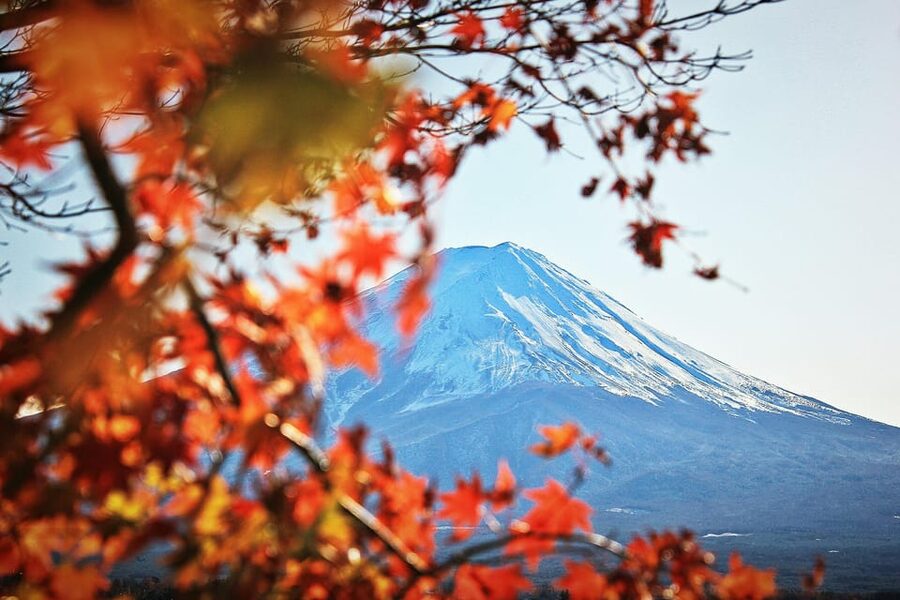
Tatego-Hama Beach is described as a quiet shore on Lake Motosuko, with clear water and a view toward Mt. Fuji. The appeal is not a large resort beach or a list of activities. It is the chance to stand beside a lake that feels removed from Tokyo’s noise.
Allow about an hour for a walk and photos. The shoreline setting is especially attractive when the water is calm and Fuji is visible. As always in the Fuji area, clouds can block the mountain, but the lake still gives you a pleasant outdoor stop.
This is one of the places where comfortable footwear helps. You are not simply stepping from a car to a marked photo platform all day. The tour works best if you enjoy short walks, uneven surfaces, and natural places without a long list of facilities.
A few more Mount Fuji half-days worth comparing
- Mt Fuji and Hakone 1-Day Bus Tour Return by Bullet Train
★ 5.0 · 26,383 reviews - Mt Fuji & Hakone Cruise, Drum Show Bullet Train 1 Day from Tokyo
★ 4.0 · 7,413 reviews - Tokyo Mt Fuji 5th St & Hakone Cruise Bus Tour w/Bullet Train
★ 4.4 · 5,024 reviews - From Tokyo: Mount Fuji Full-Day Sightseeing Trip
★ 4.5 · 4,970 reviews
Narusawa Ice Cave, a volcanic tube with real limitations
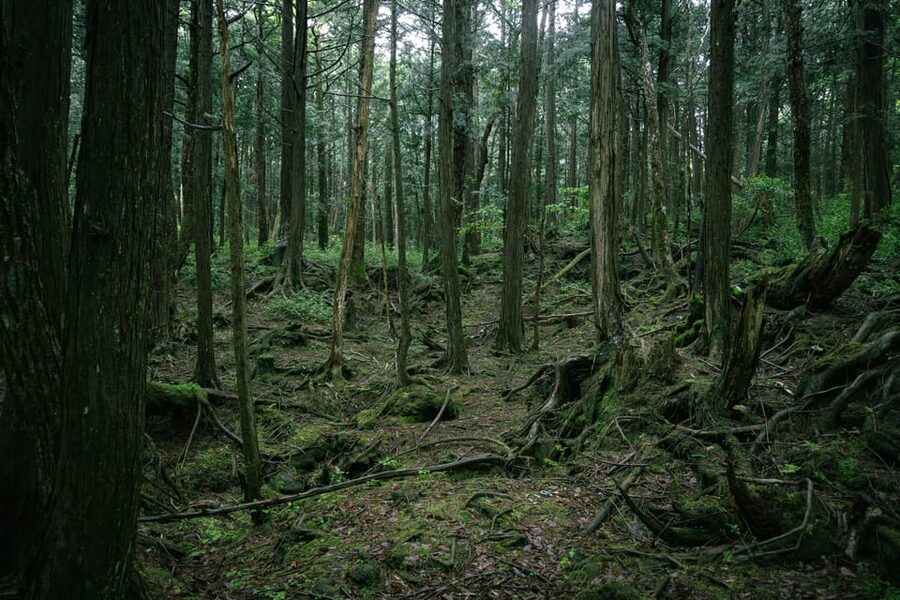
Narusawa Ice Cave is one of the most memorable stops because it shows what Mt. Fuji’s eruptions left behind. Lava once moved across the area, creating a tube-like cavity. Cold air remains trapped inside, allowing ice to form even when the surface is warmer.
The cave is not a broad, easy tunnel. You may need to bend low, use care on uneven ground, and move through confined spaces. The experience is not suitable for people with claustrophobia, and it is not suitable for wheelchair users. Wear shoes with a firm grip and bring warm clothing, even if Tokyo feels hot.
There are two important cautions. The cave can close for a period of time, including closures that may not be obvious to someone planning months ahead. The ice pillars are generally visible from February through June, so a summer or autumn visit should not be booked with the expectation of a frozen spectacle.
If the cave is closed, ask about the replacement plan. The supplied details do not promise compensation or an automatic substitute, and entrance fees are not included in the tour price. This is one reason I would confirm current opening conditions before departure, especially if the cave is the main reason you booked.
Fugaku Wind Cave and Mt. Fuji’s working past
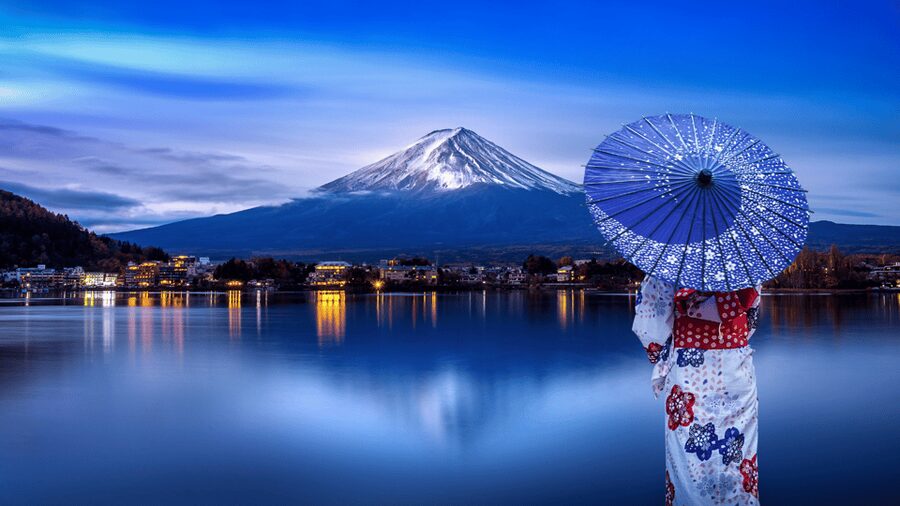
Fugaku Wind Cave offers another look at the mountain’s volcanic structure. Its naturally cool, stable interior was once used to store silkworm eggs. That small fact gives the cave more meaning than a simple walk underground: it connects geology with the practical work of local communities.
The cave visit is usually paired with walking in the surrounding forest. The route between the wind cave and ice cave can be a pleasant part of the day, though it adds more time on foot. Signage may be limited in English, so ask your driver to explain what you are seeing if that matters to you.
Like Narusawa Ice Cave, Fugaku Wind Cave can involve low passages and awkward footing. Taller visitors may find one or two sections uncomfortable. This is not a hard mountain hike, but it is not a completely effortless sightseeing stop either.
Aokigahara Forest beyond its grim reputation
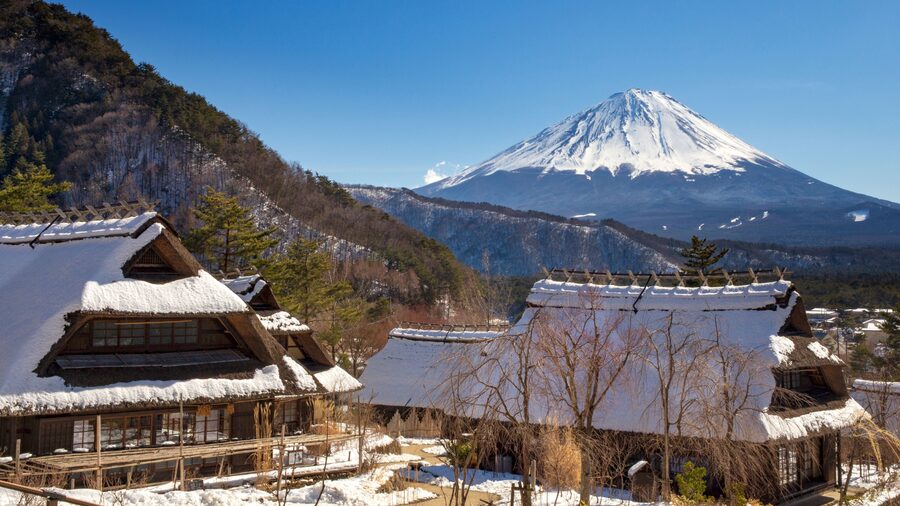
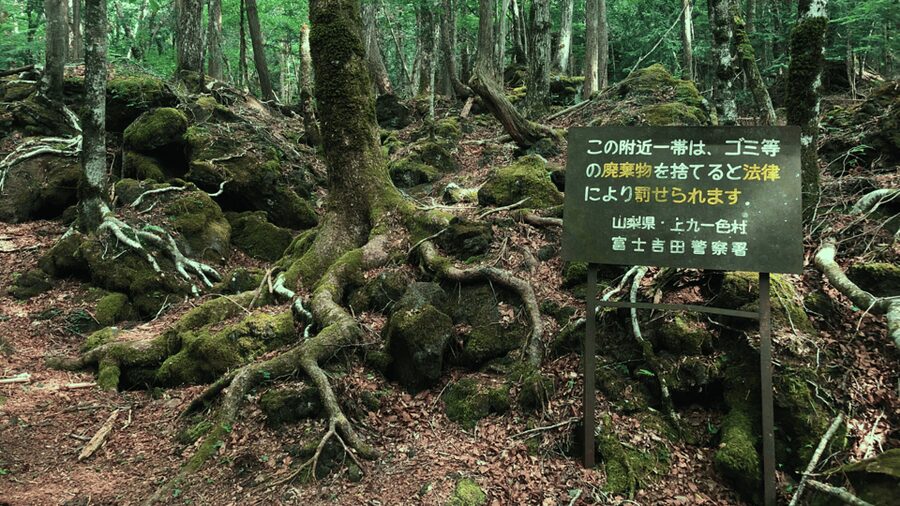
Aokigahara is often called the Suicide Forest because of its association with suicide. That reputation is serious, and it should be treated with respect rather than used as a spooky attraction. The forest is also a natural area shaped by lava, moss, shade, and dense growth.
The planned visit lasts about 90 minutes, making it the longest stop. You can walk through quiet trails, look at the unusual plant life, and experience a part of the Fuji region that feels far removed from the city. The silence is the point. You will not get the same wide view here as at Oishi Park, but you may gain a stronger sense of the mountain’s volcanic ground.
I appreciate that the tour presents Aokigahara as more than a nickname. Still, the subject may feel uncomfortable, especially for children or anyone who prefers a lighthearted sightseeing day. Keep your behavior respectful, remain on appropriate paths, and listen to the driver’s guidance.
This stop also brings the day’s different themes together. The forest grows over ground shaped by eruptions, and the nearby caves reveal what happened beneath the surface. You are not simply collecting viewpoints. You are seeing how Mt. Fuji has shaped water, rock, vegetation, and human life.
How the English-speaking driver affects the experience
This is a private transport experience with sightseeing help, not necessarily a formal tour led by a specialist guide. That distinction matters. Your driver can offer travel advice, answer questions, and help manage the order of the day, but the depth of explanation may vary.
Some drivers have been praised for being kind, flexible, and careful behind the wheel. Saki has been noted for explaining the stops and answering questions, while Amane has been described as flexible about adding nearby places. Zeeshan has been praised for a comfortable vehicle and a pleasant day. These examples suggest that a good driver can make the long road journey much easier.
I would use the first few minutes to explain what you want. Say if you care most about caves, photos, walking, or reaching Tokyo by a specific time. You can also ask about bathroom stops, meal timing, and the amount of time available at each site.
The flexible format is a real advantage over a large coach. You can spend less time at a stop that does not suit you and more time beside a lake or in the forest. The tradeoff is that you need to speak up. The itinerary will not automatically become your perfect private tour without your input.
Weather, timing, and what to pack
The tour runs in rain and is canceled only when the operator decides conditions are unsafe. Fuji views can disappear in cloud, but the caves and forest remain possible in many kinds of weather. You should dress for the conditions around the mountain, which may feel cooler than Tokyo.
Bring:
- Comfortable shoes with good grip
- Warm clothing for the caves and changing mountain weather
- Water and snacks
- Cash for entrance fees and other small expenses
- A camera
- A little extra time in your schedule in case traffic slows the return
Entrance fees are not included, and food and drinks are also your responsibility. Overtime costs ¥2,500 per 30 minutes, payable in cash to the driver, so do not build an ambitious extra stop into an already tight day.
The operator contacts you through WhatsApp in the afternoon one day before the trip, usually around 4 to 5 p.m. Japan time. Make sure the booking contact number can receive that message.
Free cancellation is available up to 24 hours before departure, and you can reserve now and pay later. That flexibility helps if the forecast is uncertain, but it does not remove the risk of cloud, traffic, or a temporary cave closure.
Who will get the most from this Fuji day?
I would choose this outing if you want a private, nature-focused day and do not want to follow a large group from one crowded viewpoint to another. It suits couples, families, and small groups of friends who can share the cost and who enjoy short walks, unusual geology, and time outside.
It is also a good fit if you have already seen Tokyo’s main sights and want a different side of the region. The lakes and caves provide variety, while Aokigahara gives the day a more thoughtful tone.
I would hesitate if you want a fully narrated cultural tour, a guaranteed Fuji view, or a relaxed schedule with long meals. I would also think twice if anyone in your group dislikes confined spaces, cannot manage uneven ground, or uses a wheelchair.
Should you book this private Mt. Fuji tour?
Book it if the group price works for your party and you value control more than a lower per-person fare. The combination of Lake Kawaguchi, Lake Saiko, Lake Motosuko, two volcanic caves, and Aokigahara gives you a fuller picture of the Mt. Fuji area than a single viewpoint can provide.
Before booking, confirm the cave status and ask how the day will be adjusted if Narusawa Ice Cave is closed. Plan for a long road day, bring cash, and tell the driver your priorities at pickup. If you want quiet scenery, volcanic oddities, and a private vehicle more than a guaranteed postcard view, this is a strong choice. If you mainly want to see Fuji itself, choose a shorter outing with more time at a single viewpoint.
FAQ
How long does the tour last?
The tour is scheduled for 10 hours when pickup and drop-off are within Tokyo’s 23 wards. Actual sightseeing time can be shorter because of traffic, road distance, meals, and changes caused by weather or conditions.
How many people can join the private tour?
The price covers a private group of up to five people.
Is hotel pickup included?
Yes. Pickup and drop-off are included for locations within Tokyo’s 23 wards. Pickup outside those wards may cost an additional ¥5,000 to ¥20,000, depending on the location.
Are entrance fees included?
No. Attraction tickets are purchased separately at each site.
Is food included?
No. Food and drinks are not included. You may bring food and nonalcoholic drinks into the vehicle, but alcohol is not allowed.
Is the tour suitable for someone with claustrophobia?
No. The Narusawa Ice Cave and Fugaku Wind Cave have confined sections, and the tour is not suitable for people with claustrophobia.
Can wheelchair users join?
No. The tour is not suitable for wheelchair users because of the cave visits and walking conditions.
Can the schedule or drop-off location change?
The driver can adjust the pace and may change the drop-off location within the permitted areas at no extra cost if you explain your request on the day. Pickup or drop-off outside Tokyo’s 23 wards may involve a surcharge.
Just added around Mount Fuji
- Ramen Cooking Class at Lake Kawaguchiko (Short Course)★ 5.0 · 42 reviews
- Private Fuji Full-day Car Tour with Hotel Pickup -Local Guide★ 5.0 · 12 reviews
- Sushi Cooking Class at Sushi Factory -KIWAMI- Mt.Fuji★ 5.0 · 23 reviews
- Private Local Hiking to enjoy the nature and culture of Mt.Fuji★ 5.0 · 22 reviews
- Cute & Fun E-Car tour following guide around Lake Kawaguchiko★ 5.0 · 54 reviews
- Ramen Cooking Class at Ramen Factory in Mt.Fuji★ 5.0 · 101 reviews
- Fujisan Sushi Making Lesson★ 5.0 · 16 reviews
- Early Morning Kayaking With Views of Mt Fuji at Lake Kawaguchiko★ 5.0 · 69 reviews
Hidden Gems Tours, compared.

Kyoto Geisha Walking Tour: Gion District & Hidden Gems
Our verdict →
Small Group, Big Flavors & Hidden Local Secrets Tour
Our verdict →Browse the lists this tour appears in