
Reviewed · MOUNT FUJI TOURS
From Kawaguchiko: Mt. Fuji Private Tour with a Local Guide
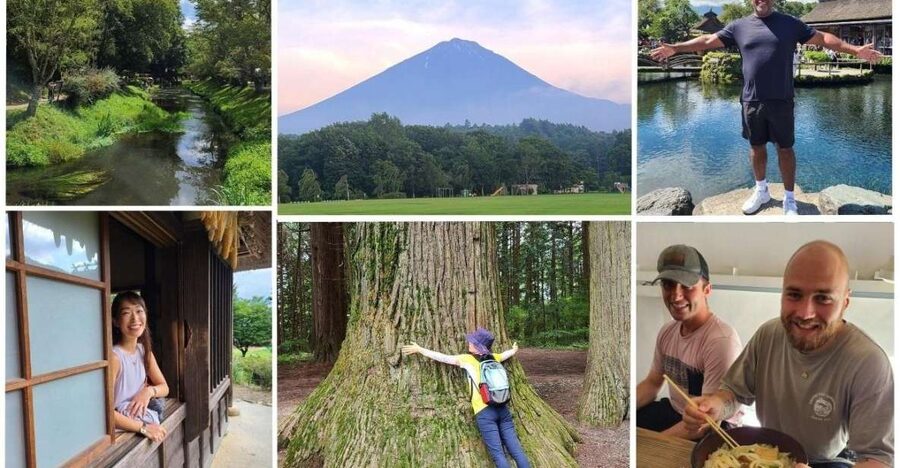
The best thing about this Mt. Fuji tour is its flexibility. Guide Johnny builds the day around your interests, the crowds, and the visibility of Fuji, so you are not stuck following a bus schedule when clouds roll in. You might visit a shrine, a waterfall, an old village, a cave, or a lake viewpoint, then shift plans when the mountain finally appears.
I like the private vehicle and small-group format, especially for families or anyone carrying luggage between hotels. I also like Johnny’s local touch: he can point you toward regional food, recommend restaurants, take photos, and show you quieter places away from Kawaguchiko Station.
The trade-off is that six hours is not enough to visit every stop listed for the wider region. Think of the itinerary as a menu, not a promise to see all 17 places. You also need to plan around the weather, since Fuji may be hidden even when the rest of the day is beautiful.
Key points at a glance
- Johnny shapes the route during the day: He adjusts the plan for weather, Fuji visibility, crowds, and your interests.
- The tour covers far more than one viewpoint: You can combine lakes, shrines, gardens, museums, waterfalls, caves, and traditional villages.
- Pickup is local and convenient: Meet at a hotel or station in Kawaguchiko, Fujiyoshida, or Narusawa.
- Food advice is part of the experience: Lunch and snacks are not included, but Johnny can recommend local restaurants and specialties.
- The tour is private for up to seven people: At $387 per group, the cost becomes more attractive as your group grows.
- Mt. Fuji Fifth Station is not included: This tour focuses on the lakes, towns, shrines, and countryside around the mountain.
Why a private Kawaguchiko tour makes sense
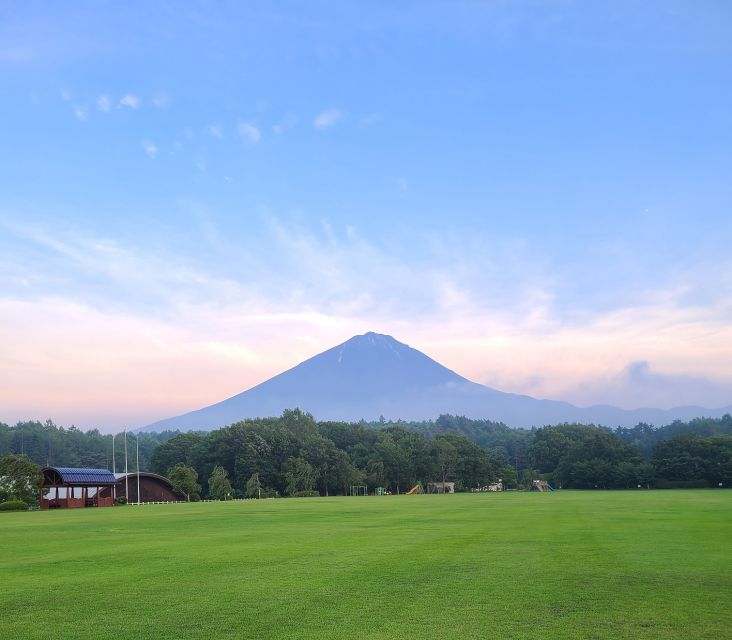
Kawaguchiko is easy to picture as one famous lake viewpoint with Fuji behind it. In practice, the area spreads across several towns and lakes, with shrines, museums, parks, waterfalls, caves, and small rural sites scattered along winding roads. Seeing the best parts in six hours takes planning and a vehicle.
That is where Johnny’s approach helps. Instead of treating the day as a fixed checklist, he can change the order. If clouds cover Fuji in the morning, you might spend time at a shrine or museum first. If the sky clears later, he can put a scenic viewpoint back into the plan.
I especially value this approach in the Mt. Fuji region because visibility is unpredictable. A rigid tour can take you to the right place at the wrong time. A private guide has a better chance of moving you toward the best available view.
The experience is conducted in English, and the group is private. That gives you room to ask questions, linger at a shrine, shorten a walk, or request a stop that suits your family. Past groups have included couples, families with teenagers, photography-minded visitors, and people changing hotels during the day.
A few more Mount Fuji half-days worth comparing
- Mt Fuji and Hakone 1-Day Bus Tour Return by Bullet Train
★ 5.0 · 26,383 reviews - Mt Fuji & Hakone Cruise, Drum Show Bullet Train 1 Day from Tokyo
★ 4.0 · 7,413 reviews - Tokyo Mt Fuji 5th St & Hakone Cruise Bus Tour w/Bullet Train
★ 4.4 · 5,024 reviews
Building your six-hour route
The long stop list should not be read as a fixed schedule. With 17 possible places and only six hours, you will need to choose. A practical day might include several major sights plus one or two local stops, rather than trying to collect every location.
Johnny can begin by asking what matters most to you. You might want classic Fuji photographs, religious sites, gardens, local food, light walks, caves, or quieter places. Families may prefer the caves, parks, and open spaces. Photographers may want to give more time to the lake shore and seasonal scenery.
The route also depends on pickup and drop-off. You can start from a local hotel, Kawaguchiko Station, Mt. Fuji Station, or Fuji-Q Highland Station. Drop-off is available in Fujikawaguchiko, Narusawa, or Fujiyoshida. Pickup from those areas saves you from finding your way to a central meeting point.
One useful detail: Johnny has helped with hotel changes and luggage during the day. That is not advertised as a separate luggage service, so you should confirm your plan in advance, but it shows why direct communication matters on a private tour.
Lake Kawaguchi, Oishi Park, and the classic Fuji views
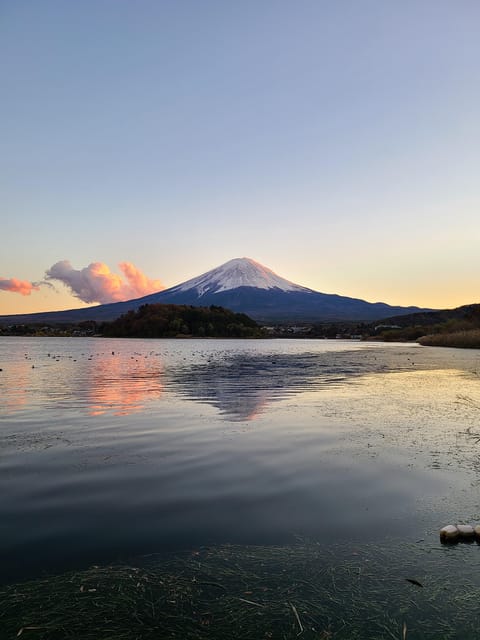
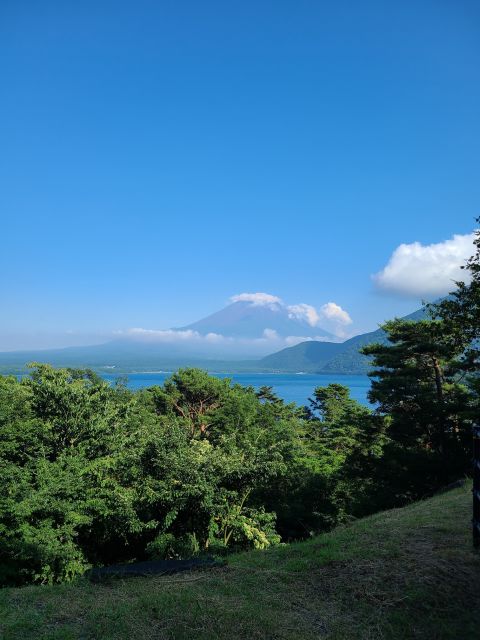
Lake Kawaguchi is the natural center of the day. The route may include a scenic drive along the shore, a short photo stop, or a longer pause if Fuji is visible. The lake gives you several types of views: open water, mountain reflections, shoreline parks, and Fuji framed by trees or gardens.
Oishi Park is one of the best-known photo stops. You get time to walk, take pictures, and browse local products. The view changes with the seasons, which makes this stop more than a quick mountain snapshot. It is also a sensible place to pause if you want a little shopping or a relaxed look across the lake.
Yagizaki Park offers another lakeside setting. It is listed as a short stop, so do not expect a long park visit. Its value is variety: you can see the lake from a different angle instead of spending the whole day at one crowded viewpoint.
The weather matters here. On a clear day, Fuji can dominate the view. On a rainy or cloudy day, the lake and surrounding hills still provide a pleasant setting, but you should not book this tour with a guaranteed mountain photograph in mind. Johnny’s ability to move the route is useful, yet no guide controls the clouds.
Shrines that explain the mountain’s spiritual side
The shrine stops give the day more depth than a series of photo points. Kawaguchi Asama Shrine and Kitaguchi-hongu Fuji Sengen Shrine connect the Mt. Fuji area with worship, pilgrimage, and local traditions.
At Kawaguchi Asama Shrine, you can expect a short visit and walk through a wooded setting. The place is linked to Fuji worship, and Johnny can explain the meaning of the site as you explore. The tall trees and quieter atmosphere offer a welcome change from the lakeside viewpoints.
Kitaguchi-hongu Fuji Sengen Shrine is another important religious site. It has a more formal shrine setting and a strong connection to routes used by people heading toward Mt. Fuji. If you enjoy Japanese architecture, customs, and sacred spaces, this part of the tour may be more rewarding than another quick photograph.
Arakura Fuji Sengen Shrine is the stop associated with the famous Chureito Pagoda view. The approach includes walking, and the area can be busy. You should allow extra energy for this stop, particularly if you want the classic pagoda and Fuji composition. The payoff depends heavily on visibility and crowds.
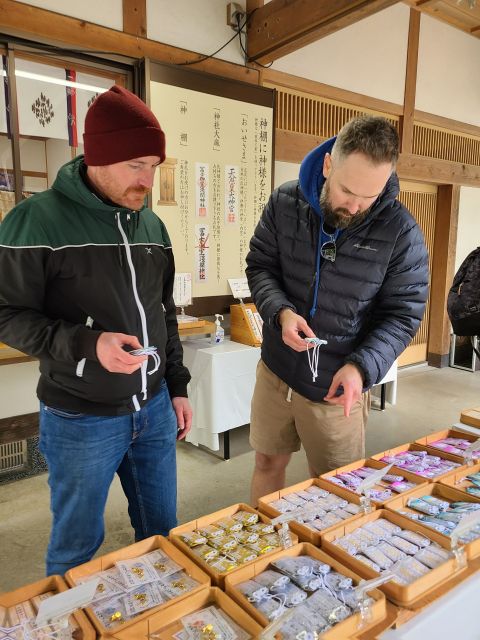
These shrine visits are also a good reason to have a guide. Without context, a shrine can become a quick picture stop. Johnny can explain local beliefs, the Fuji volcano connection, and customs such as giving thanks or seeking a fortune.
More Private-Only Departures in Mount Fuji:
- Private Tour to Mt. Fuji and Hakone (Fully Licenced Operator)
★ 5.0 · 1,910 reviews - Mount Fuji Full-Day Private Tour from Tokyo (Customizable)
★ 4.9 · 1,470 reviews - Mt Fuji Private Tour with English Speaking Driver
★ 5.0 · 861 reviews - Mt. Fuji & Hakone Private Day Tour with English-Speaking Driver
★ 4.5 · 824 reviews
Waterfalls, caves, and places beyond the postcard
The tour can include Haha-no-Shirataki Waterfall, a smaller natural stop reached with a walk. It offers a quieter break from the major sights and gives you a chance to see the area’s forested side. Conditions can be damp, so sensible shoes and a rain layer are useful.
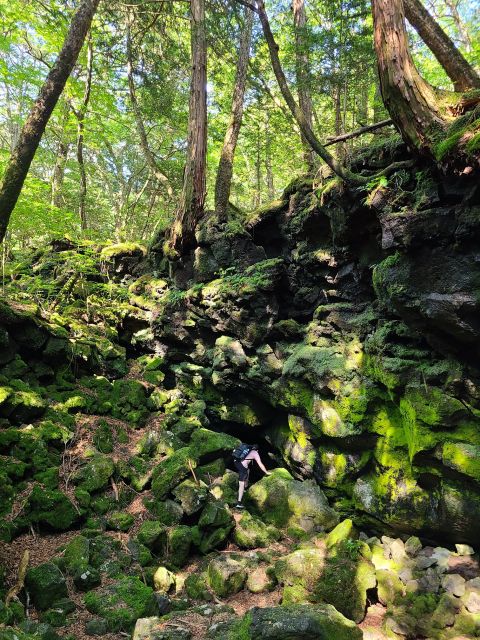
The Dragon Cave adds a more unusual element. It is a short scenic stop, but caves can be a hit with children and anyone who wants more than temples and lake views. Some groups have also visited icy caves in the forest, so ask Johnny which cave options fit the day and current conditions.
Lake Motosu provides a broader countryside setting and a scenic drive. It is farther from the central Kawaguchiko sights, so choosing it means giving up time elsewhere. I would pick it if you want a quieter lake and more open scenery, not if your main goal is to collect every famous site near the station.
Saiko Iyashi-no-Sato Nenba presents a traditional village-style setting near Lake Saiko. You can walk through the site and explore at your own pace. This is a useful choice if you want traditional buildings, craft and cultural atmosphere, and a break from standard observation decks.
These stops show the value of a flexible route. A standard short visit to Kawaguchiko often centers on the lake and a few famous photo spots. A private day can add the natural and rural sides of the area, but only if you choose them instead of trying to cover every major attraction.
Gardens, kimono, and local culture
The Kubota Itchiku Art Museum is a strong choice for anyone interested in Japanese textiles, art, and gardens. Even if you do not spend long inside the museum, the setting adds a carefully designed cultural stop to a day otherwise focused on nature.
The museum is associated with kimono art and has scenic views along the route. One group specifically enjoyed combining the museum with its garden, and that pairing makes sense. You get art, design, and a more polished garden setting rather than another roadside viewpoint.
The Fujisan Museum offers a different way to understand the region. It can provide background on Mt. Fuji and the local area, making it useful on a cloudy day when outdoor views are limited. A museum stop also gives you a chance to slow down and learn instead of constantly moving from one photograph to the next.
If you enjoy Japanese gardens, shrine architecture, or local traditions, tell Johnny early. He can place more cultural stops into the day. If your priority is outdoor scenery and short walks, you may prefer to use that time at the lakes or waterfalls.
Houtou noodles and advice on what to eat
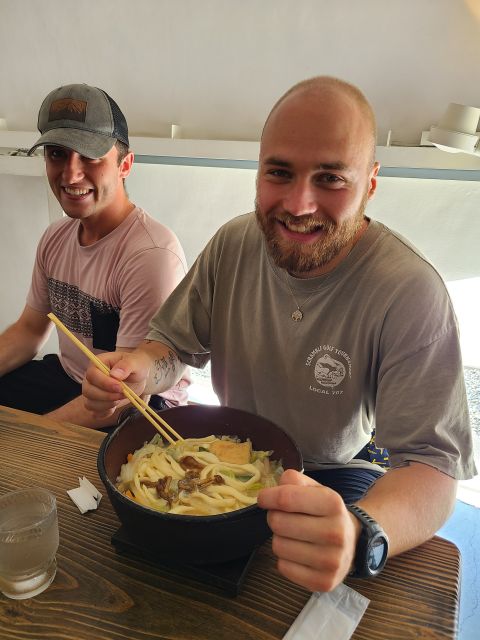
Food and drinks are not included, but the tour includes a break at Houtou Fudou. Houtou is a local noodle specialty served in a hearty miso-based broth, and it is especially welcome in cool weather.
The estimated food cost is about 1,500 to 2,000 yen per person for the day, roughly $10 to $17. That is a useful budget figure, though your final cost depends on what you order and how many times you stop.
Johnny’s food advice is one of the practical benefits of the tour. He has taken groups to local ramen and regional restaurants, recommended dinner places near their accommodation, and even helped with a reservation. You should still tell him about allergies, dietary limits, or foods you want to try before the day begins.
Food stops take time. If you want a full lunch, you will need to accept fewer sightseeing stops. I would choose the local meal over rushing through another shrine. A good bowl of regional noodles can be one of the more lasting memories of a day around Fuji.
The cost and who gets the best value
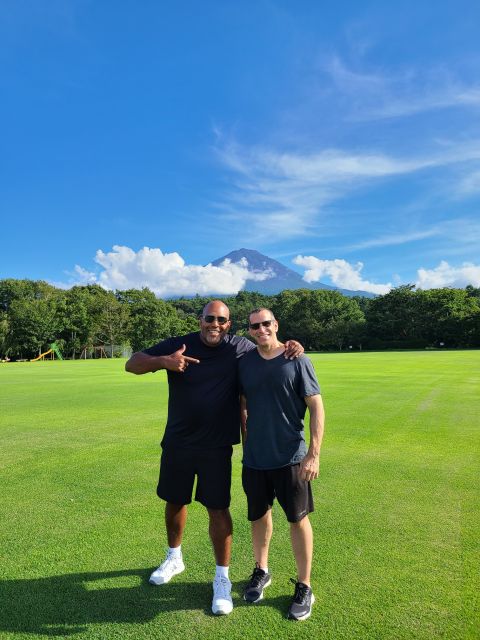
The price is $387 per group of up to seven people, not per person. For one or two people, that is a significant spend. For a family or group of six or seven, it can be fair value because you are paying for a private vehicle, hotel or station pickup, an English-speaking guide, and a route shaped around your needs.
The comparison is not simply private tour versus bus fare. A bus tour may cost less and visit a set group of famous places. This experience gives you control over the day, avoids a large group, and lets you change the plan for weather or fatigue.
The strongest value comes when you use the flexibility. Ask for local food, quiet viewpoints, shrine history, photography help, or family-friendly stops. If you only want transportation to two famous viewpoints, the private price may be harder to justify.
The perfect rating from 35 reviews and the stated 96 percent perfect transport score suggest a very strong satisfaction record. Still, the mountain itself is never guaranteed. You are paying for access to the area and a well-planned day, not a promise that Fuji will be visible.
Practical details before you book
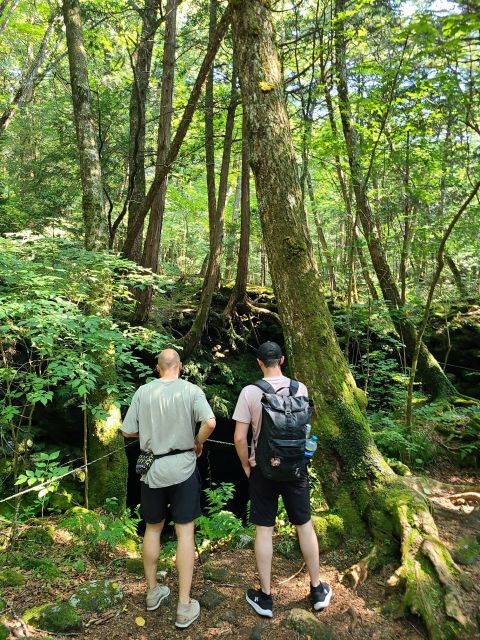
This is a six-hour tour with English-language guiding. Pickup is available from hotels and locations in Fujikawaguchiko, Fujiyoshida, and Narusawa, as well as Kawaguchiko Station, Mt. Fuji Station, and Fuji-Q Highland Station.
The tour does not go to Mt. Fuji Fifth Station. If reaching the mountain’s upper road is your main goal, this is the wrong choice. The focus is the region around Fuji: lakes, shrines, gardens, villages, waterfalls, museums, and scenic roads.
Wear comfortable shoes because several stops involve walking. Bring a rain layer and keep your plans flexible. Reviews describe excellent days in sun, rain, snow, and even typhoon conditions, but the guide’s skill is in adapting the day, not changing the weather.
Free cancellation is available up to 24 hours before the start for a full refund, and you can reserve now and pay later. Confirm your pickup point, preferred stops, food needs, and desired walking level before the tour date.
Should you book Johnny’s Mt. Fuji tour?
Book it if you want a personal day around Kawaguchiko rather than a fixed sightseeing circuit. It suits families, small groups, photographers, first-time visitors, and anyone who wants help finding local restaurants or quieter places.
I would be especially keen to book it for a short stay in the area. Johnny can help you make good use of six hours, even when rain or clouds spoil the obvious Fuji viewpoint. His friendly, flexible style is repeatedly praised, and practical touches such as taking photos, lending a warmer coat, and helping with restaurant plans add real value.
Skip it if you need Mt. Fuji Fifth Station, want the lowest possible price, or prefer a strict itinerary that guarantees specific attractions. For everyone else, this is a strong way to see the Kawaguchiko region with less guesswork and more room for the day to become your own.
FAQ
How long does the private Mt. Fuji tour last?
The tour lasts six hours. Starting times depend on availability when you book.
How much does the tour cost?
The price is $387 per private group of up to seven people. Food and drinks are not included.
Where can I be picked up?
Pickup is available from local hotels and locations within Fujikawaguchiko, Fujiyoshida, and Narusawa. Listed pickup points include Kawaguchiko Station, Mt. Fuji Station, and Fuji-Q Highland Station.
Where can I be dropped off?
Drop-off is available in Fujikawaguchiko, Narusawa, or Fujiyoshida.
Does the tour visit Mt. Fuji Fifth Station?
No. Mt. Fuji Fifth Station is not included in this tour.
Is food included?
No. Food and drinks are not included. If you eat during the tour, the estimated food cost is about 1,500 to 2,000 yen per person.
Can I cancel or pay later?
You can cancel up to 24 hours before the tour for a full refund. The booking option also allows you to reserve now and pay later.
Just added around Mount Fuji
- Ramen Cooking Class at Lake Kawaguchiko (Short Course)★ 5.0 · 42 reviews
- Private Fuji Full-day Car Tour with Hotel Pickup -Local Guide★ 5.0 · 12 reviews
- Sushi Cooking Class at Sushi Factory -KIWAMI- Mt.Fuji★ 5.0 · 23 reviews
- Private Local Hiking to enjoy the nature and culture of Mt.Fuji★ 5.0 · 22 reviews
- Cute & Fun E-Car tour following guide around Lake Kawaguchiko★ 5.0 · 54 reviews
- Early Morning Kayaking With Views of Mt Fuji at Lake Kawaguchiko★ 5.0 · 69 reviews
- Ramen Cooking Class at Ramen Factory in Mt.Fuji★ 5.0 · 101 reviews
- Fujisan Sushi Making Lesson★ 5.0 · 16 reviews
Mount Fuji Tours, compared.
Mt Fuji and Hakone 1-Day Bus Tour Return by Bullet Train
Our verdict →
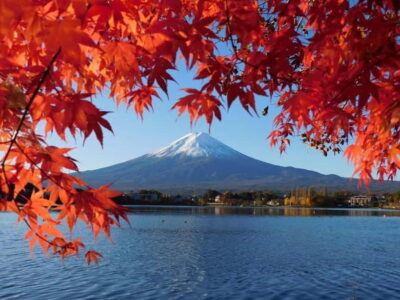
Mt.Fuji,Kawaguchiko Oishi Park,Arakurayama Sengen Park
Our verdict →
Mt. Fuji, Kamakura, Big Buddha, & Lake Ashi Day Trip
Our verdict →
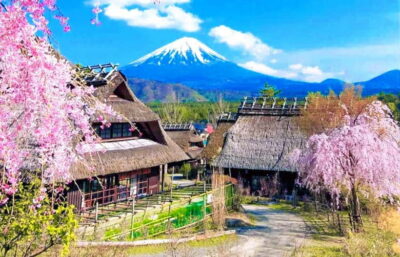
Mt. Fuji Heritage Tour: Traditional Villages, Lakes & Shrine
Our verdict →
Browse the lists this tour appears in