
Reviewed · CABLE CAR TRIPS IN MOUNT FUJI
Tokyo:Sea of Mount Fuji, Hakone Ropeway, Ōwakudani, Enoshima
Mount Fuji is the star here, but the best part is the variety of viewpoints. In one long day, you see it beside Lake Ashi, above a steaming volcanic valley, and across Sagami Bay from Enoshima. If the skies cooperate, that is a fine collection of Fuji views for a $50 day trip.
I like the easy transport and the mix of experiences: a pirate ship cruise and a cable-car ride are far more memorable than simply stopping at a roadside lookout. I also like the guides’ practical care. Aki sends clear meeting details, while guides such as Jimmy, Belle, Pin, and Augustin have been praised for keeping groups together and explaining what matters at each stop.
The trade-off is time. Ten hours sounds generous, but Hakone and Enoshima are spread out, and traffic can be slow. Enoshima receives only a short visit, and much of the day is spent in the vehicle. Fuji is also a weather gamble, so you should book this for the full range of sights, not only for one famous mountain view.
Key points at a glance
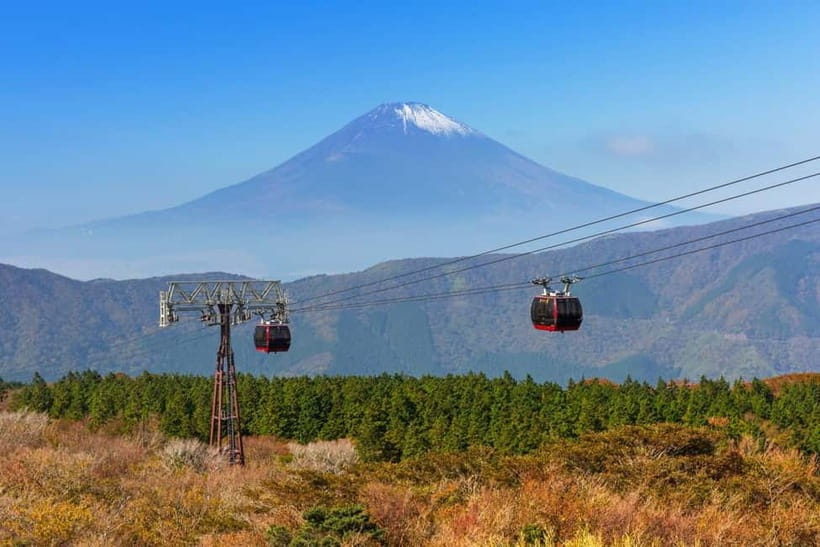
- Three Fuji settings in one day: See Mount Fuji near a volcanic lake, above Owakudani, and from the coast.
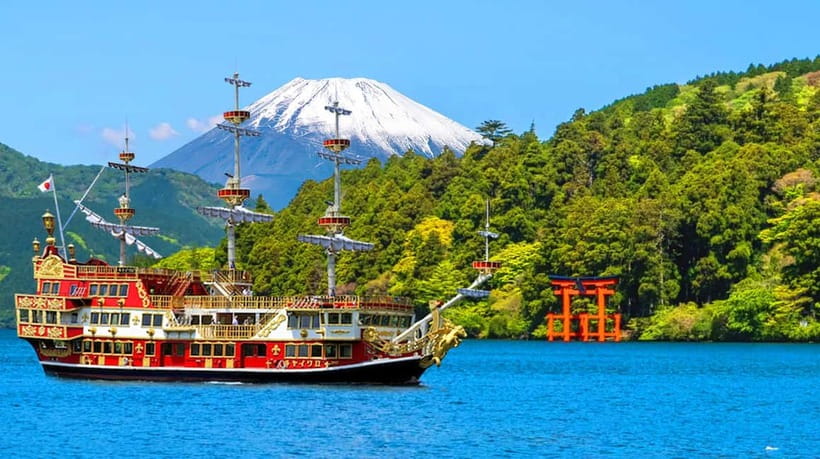
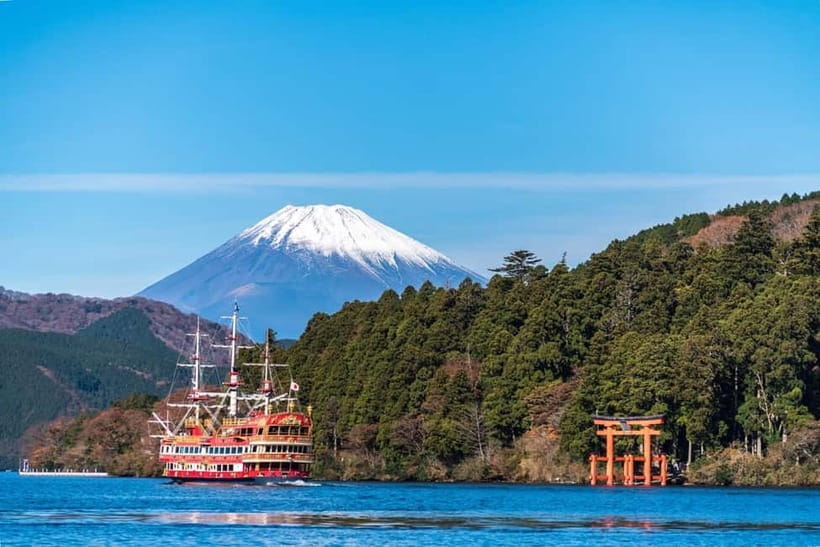
- A pirate ship on Lake Ashi: The 25-minute cruise gives you open-deck views of the water, mountains, and Hakone Shrine’s red torii gate.
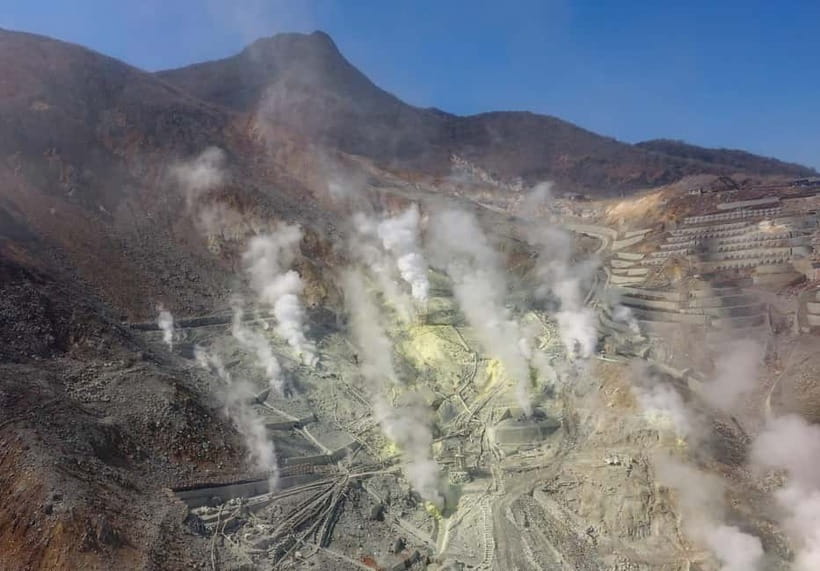
- A working volcanic valley: Owakudani has sulfur fumes, steaming ground, and the famous black eggs said to add seven years to your life.
- Enoshima in a tight visit: Walk through shrines, gates, and Nakamise Dori, with time for local snacks.
- Good value at $50: Transport, guide services, road costs, and listed taxes are included, though cruise and ropeway admission may depend on your booking option.
- A long but well-managed day: The tour suits visitors who want a broad taste of Hakone and Enoshima without arranging several trains and tickets.
Why this day trip works from Tokyo
This is a big day out, not a slow country ramble. You leave Tokyo for the mountains of Hakone, cross Lake Ashi, visit Owakudani, then continue toward the coast and Enoshima before returning to Tokyo.
That wide reach is the main selling point. Hakone gives you volcanic scenery, a mountain lake, and classic Fuji views. Enoshima changes the mood with sea air, shrines, narrow lanes, and Sagami Bay. You get several sides of the Tokyo region without working out separate transport connections.
The schedule also makes sense for a first visit. You are not asked to choose between a lake cruise and a ropeway. Both are built into the day, followed by a quick look at Enoshima’s shrine district. It is an efficient introduction, though not a thorough visit to any one place.
The vehicle has air conditioning, and round-trip transfers from the meeting point are included. This matters because Hakone’s attractions are not close together, and the final trip to Enoshima adds another stretch of road. A clean, comfortable vehicle was a clear plus for people on recent departures, although one report described the van as tight when the tour was full.
More Cable Car Trips in Mount Fuji
- Tokyo: Mt. Fuji Tour, Hakone Ropeway, Owakudani, Lake Ashi
★ 4.7 · 4,002 reviews - Tokyo: Hakone Fuji Day Tour w/ Cruise, Cable Car, Volcano
★ 4.2 · 724 reviews - Tokyo: Mt. Fuji 5th Station, Kawaguchiko Tour w/ Cable Car
★ 4.5 · 570 reviews
Lake Ashi and the classic Hakone view
Lake Ashi was formed by Hakone’s volcanic activity about 3,000 years ago. Today, it is one of Japan’s most recognizable mountain-lake scenes, with wooded slopes around the water and Mount Fuji often visible beyond them.
The first lake stop is a brief photo stop of about 20 minutes. Use it wisely. This is your chance to frame the water, surrounding peaks, and, on a clear day, Fuji. The famous red torii belonging to Hakone Shrine rises from the shallows, creating the picture-postcard view many people have in mind before arriving.
Do not expect a long lakeside walk here. The stop is designed to orient you and get the cameras working before the boat. If Fuji is hidden, the lake and forested mountains still provide a good setting, but you should keep your expectations tied to the forecast. Clouds can cover Fuji even when the weather feels pleasant at ground level.
The 25-minute pirate ship cruise
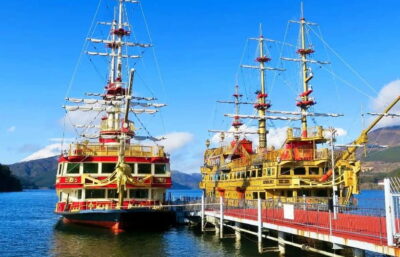
The Hakone sightseeing boat is built to look like a pirate ship, which adds a bit of fun to what could otherwise be a standard lake transfer. The open deck is the place to be for photographs and fresh air, though it can feel cold on clear winter days.
As the boat crosses Lake Ashi, you may see the red torii, the mountain slopes, and Mount Fuji in the distance. The water can mirror the sky on calm days, giving the crossing a polished, almost theatrical quality. The cruise is short, but it breaks up the road travel and gives you a real sense of Hakone’s setting.
The cruise is one of the tour’s strongest moments because you are not simply being driven to a viewpoint. You are moving through the scenery. That difference matters, especially after a busy Tokyo visit.
Check your selected booking option carefully. The cruise admission is not included in every option. The guide can help with ticket purchases, but carrying some Japanese yen is sensible because many local shops may not accept cards.
Over Owakudani by ropeway
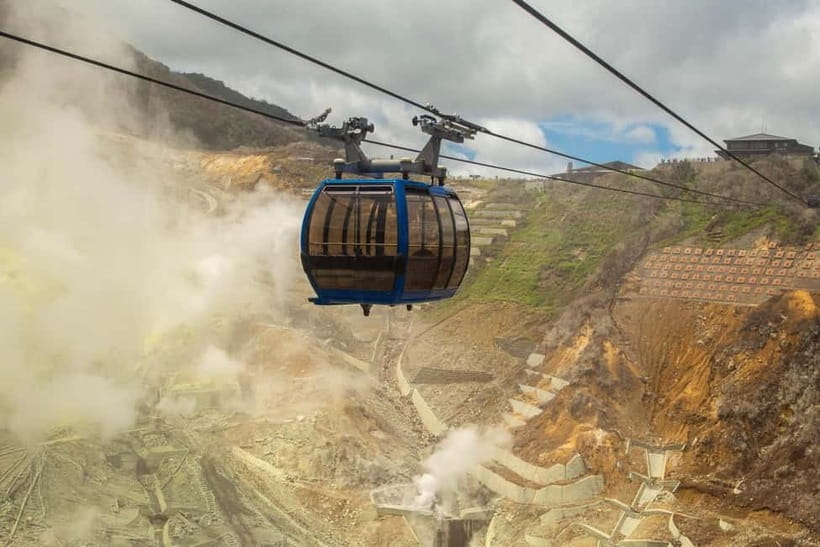
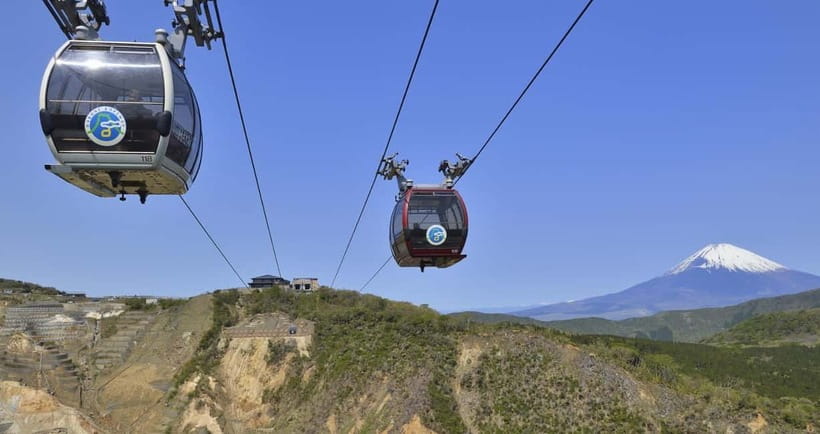
The Hakone Ropeway takes about 25 minutes and gives you a high view over the volcanic area. As the cabin rises, you can look down toward Owakudani, where steam escapes from cracks in the earth and the ground shows ochre and rust-colored tones.
The ropeway connects the mountain scenery with the volcanic activity below. On a clear day, you may also see Mount Fuji and Lake Ashi from above, making this one of the best places for a broad view. The cabin ride is short enough to remain exciting and long enough to feel like a proper attraction rather than a simple transfer.
Again, check the option you book. Ropeway admission may not be included. For anyone uneasy with cable cars, or for those who cannot use the boat or ropeway, the vehicle can serve as an alternative according to the tour information. You should state relevant needs at booking, especially if you are bringing a stroller or large luggage.
Same trip, a completely different kind of day:
- Mt Fuji and Hakone 1-Day Bus Tour Return by Bullet Train
★ 5.0 · 26,383 reviews - Mt Fuji & Hakone Cruise, Drum Show Bullet Train 1 Day from Tokyo
★ 4.0 · 7,413 reviews - Tokyo Mt Fuji 5th St & Hakone Cruise Bus Tour w/Bullet Train
★ 4.4 · 5,024 reviews - From Tokyo: Mount Fuji Full-Day Sightseeing Trip
★ 4.5 · 4,970 reviews
Owakudani’s steam and black eggs
Owakudani is the most unusual stop of the day. It is an active volcanic valley where sulfur fumes rise from the earth. The smell is part of the experience, and the air can have a strong mineral character. You are seeing the evidence of the forces that shaped Hakone rather than just admiring scenery from a distance.
The stop allows about 30 minutes for photographs and sightseeing. That is enough for a look around and a taste of the valley’s signature snack, but it is not a long volcanic walk. Stay aware of the guide’s instructions and meeting time, since the group still has Enoshima ahead.
The black eggs are hard-boiled in sulfur springs, which turns their shells dark. Local lore says eating one adds seven years to your life. No one should treat that as a medical promise, of course, but the eggs are a fun and distinctly Owakudani souvenir. They are also a good way to connect the food with the geology of the place.
One practical point: take snacks for the bus. Meals are not included, and the day is long. You can buy food along the route, but you will have more control over your day if you carry something small.
Enoshima, where the mountain meets the sea
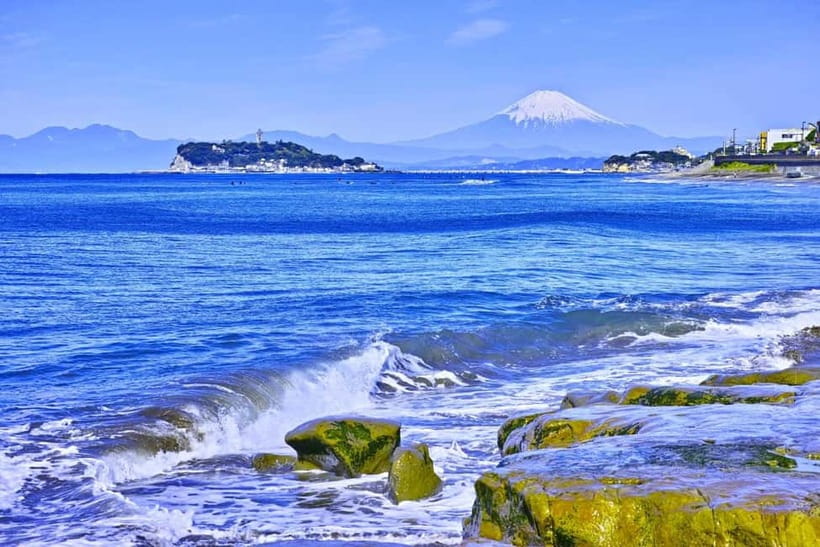
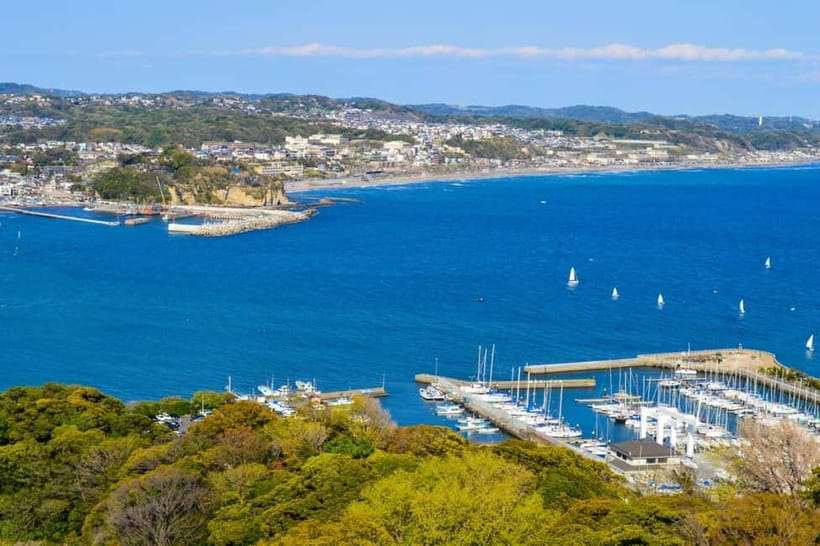
Enoshima changes the scenery completely. After the mountain roads and volcanic steam, you reach an island setting with blue water, greenery, shrine buildings, stone steps, and views across Sagami Bay.
The island portion includes about 30 minutes of free time and sightseeing, followed by visits to Enoshima Shrine’s Hetsunomiya, Benzaiten Nakamise Dori, the Bronze Torii, and Zuishinmon Gate. The named stops give you a useful route through the central shrine area instead of leaving you to guess where to go.
Hetsunomiya is one of the shrine stops, while the Bronze Torii and Zuishinmon Gate mark important points along the approach. Nakamise Dori is the liveliest food stop, with local treats such as anchovy dishes, seaweed rolls, and Shonan milk ice cream. Food is not included, so budget separately for lunch or snacks.
The catch is the short time. Thirty minutes of free time, plus the set sightseeing stops, is enough to sample Enoshima but not enough to explore every lane, viewpoint, or food stall at an easy pace. One useful suggestion from the day’s feedback is to choose food quickly. On a late lunch, popular menu items may be sold out, and changing restaurants can eat into your limited time.
If your main goal is Enoshima, take a separate day. If you want a compact introduction after Hakone, this visit gives you a worthwhile taste.
The Sea of Mount Fuji viewpoint
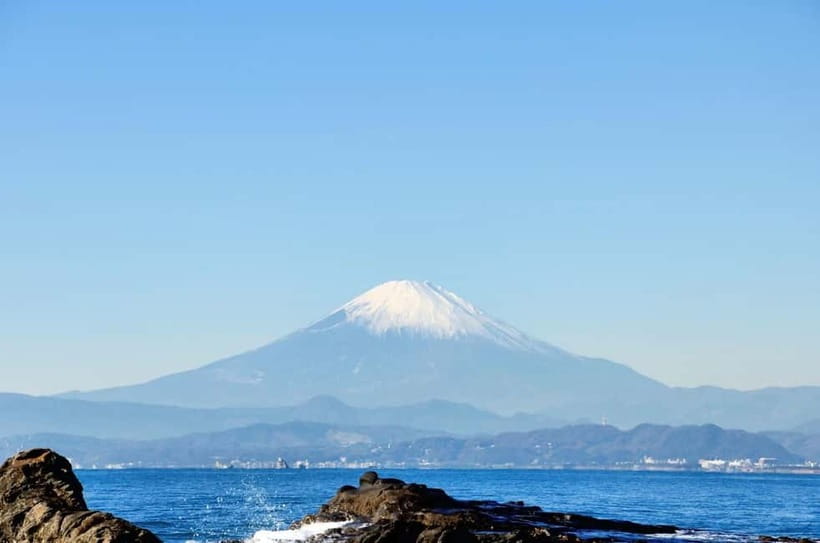
The final coastal stop is around Sagami Bay, with about 20 minutes for photographs and sightseeing. On a clear day, the sight of Mount Fuji beyond the sea creates the experience’s central idea: Fuji viewed from the ocean side rather than from inland Hakone.
This is another place where weather decides the result. Several departures had clear enough skies for excellent Fuji views, while other days produced only clouds, or no mountain at all. You cannot control that, so the tour is best understood as a scenic day with a chance of exceptional Fuji views.
For photography, keep your phone or camera ready at each major stop. The guide may also offer practical suggestions about where to stand and what not to miss. Guides such as Aki, Belle, Jimmy, and Augustin have been singled out for clear messages, useful photo help, and upbeat care of the group.
Guides, timing, and the long road back
The guide can make or break a day with this much movement. The strongest reports describe guides who communicate meeting times clearly, explain Japanese history and customs, and keep the group moving without making the day feel harshly regimented.
Names attached to particularly warm feedback include Aki, Belle, Jimmy, Pin, Augustin, Kishida, Joey, Kyo, Yuki, and Nakajima. That is a large guide team, so your actual guide will depend on the departure. The advertised languages are English and Chinese.
The road time is the main physical cost of the tour. Traffic can be heavy during weekends, public holidays, and peak seasons. One departure returned smoothly, while other reports stressed that it is a lot of driving. Keep evening plans flexible, especially if you have a restaurant reservation or show in Tokyo.
The group must also stay on schedule. That is necessary to fit a lake cruise, ropeway, volcanic valley, shrine district, and coastal stop into one day. It means you may need to pass on a second snack, a longer photo session, or an extra lane in Enoshima.
What $50 gets you
At $50 per person, the price is strong if your alternative is arranging this route independently. You get round-trip transport, an air-conditioned vehicle, an English or Chinese speaking guide, parking, tolls, fuel, environmental charges, and listed taxes.
The value comes from combining several costly or awkward-to-connect sights. Lake Ashi, Owakudani, and Enoshima are not a simple Tokyo rail outing. The tour removes much of the ticket planning and transfers.
Do check the exact option before booking, since the Hakone cruise and ropeway may carry separate admission charges. Meals, drinks, and personal purchases are also extra. Bring cash for small food shops and snacks.
The price does not buy a relaxed pace. You are paying for coverage and convenience, not a private tour with long stops. For a first look at Fuji country, that is a fair exchange.
Who should book this experience
I would choose this tour if you have one free day from Tokyo and want a broad sample of Hakone and Enoshima. It is particularly useful for first-time visitors, families who prefer organized transport, and anyone who does not want to manage several connections in rural areas.
It also suits people who value variety. You get water, mountains, volcanic steam, shrine architecture, coastal views, and regional food in one day.
I would hesitate if you want long walks, detailed shrine visits, or a slow lunch. The tour is also a poor match for anyone who dislikes long vehicle journeys or needs guaranteed Fuji visibility.
The experience is listed as unsuitable for pregnant women, wheelchair users, people with altitude sickness, and people over 70. Anyone aged 70 or above is also asked to sign a travel waiver on arrival, so check the provider’s current conditions before paying.
Should you book it?
Book this if you want the efficient version of Hakone and Enoshima, with a strong chance of seeing Mount Fuji and a sensible $50 price. The pirate ship and ropeway give the day real shape, while Owakudani and Enoshima keep it from becoming just another Fuji photo run.
Do not book it expecting a leisurely exploration of Hakone or a full Enoshima visit. The day is long, the stops are controlled by the clock, and weather can hide the mountain.
My practical choice would be to book for a clear-weather period, carry cash and snacks, wear comfortable shoes, and keep your Tokyo evening open. If you accept those limits, this is a well-priced way to connect three very different Japanese settings in one ambitious day.
FAQ
How long is the tour?
The experience lasts 10 hours, including transport between Tokyo, Hakone, Owakudani, Enoshima, and the return point.
Where does the tour start?
One listed starting point is Tokyo Mode Gakuen, 1f, 1-chōme-5-1 Marunouchi, STAND T. The meeting point may vary by booking option.
What languages does the guide speak?
Live guiding is available in English and Chinese.
Is transport included?
Yes. Round-trip transfers from the designated meeting point are included in an air-conditioned vehicle, along with parking fees, tolls, fuel, environmental fees, and listed taxes.
Are the pirate ship and ropeway included?
Admission to the Hakone Sightseeing Cruise and Hakone Ropeway depends on the option selected when booking. They are not included in every option.
Is food included?
No. Meals, drinks, and personal expenses are not included. Carrying some cash is useful because local shops may not accept credit cards.
Can I see Mount Fuji from the tour?
You may see Mount Fuji from Lake Ashi, the Hakone Ropeway area, and Sagami Bay, but visibility depends on weather and cloud cover.
Is Enoshima included?
Yes. The tour includes Enoshima Island, Enoshima Shrine’s Hetsunomiya, Benzaiten Nakamise Dori, the Bronze Torii, Zuishinmon Gate, and a Sagami Bay sightseeing stop.
Can I bring a stroller or large luggage?
You must indicate at booking if you are bringing a stroller or large luggage.
Can I cancel the booking?
You can cancel up to 24 hours in advance for a full refund. A reserve-now-and-pay-later option is also available.
Just added around Mount Fuji
- Ramen Cooking Class at Lake Kawaguchiko (Short Course)★ 5.0 · 42 reviews
- Private Fuji Full-day Car Tour with Hotel Pickup -Local Guide★ 5.0 · 12 reviews
- Sushi Cooking Class at Sushi Factory -KIWAMI- Mt.Fuji★ 5.0 · 23 reviews
- Private Local Hiking to enjoy the nature and culture of Mt.Fuji★ 5.0 · 22 reviews
- Cute & Fun E-Car tour following guide around Lake Kawaguchiko★ 5.0 · 54 reviews
- Ramen Cooking Class at Ramen Factory in Mt.Fuji★ 5.0 · 101 reviews
- Fujisan Sushi Making Lesson★ 5.0 · 16 reviews
- Early Morning Kayaking With Views of Mt Fuji at Lake Kawaguchiko★ 5.0 · 69 reviews
Cable Car Trips in Mount Fuji, compared.
Mt. Fuji Tour, Hakone Ropeway, Owakudani, Lake Ashi
Our verdict →
Mt. Fuji 5th Station, Kawaguchiko Tour w/ Cable Car
Our verdict →Browse the lists this tour appears in