
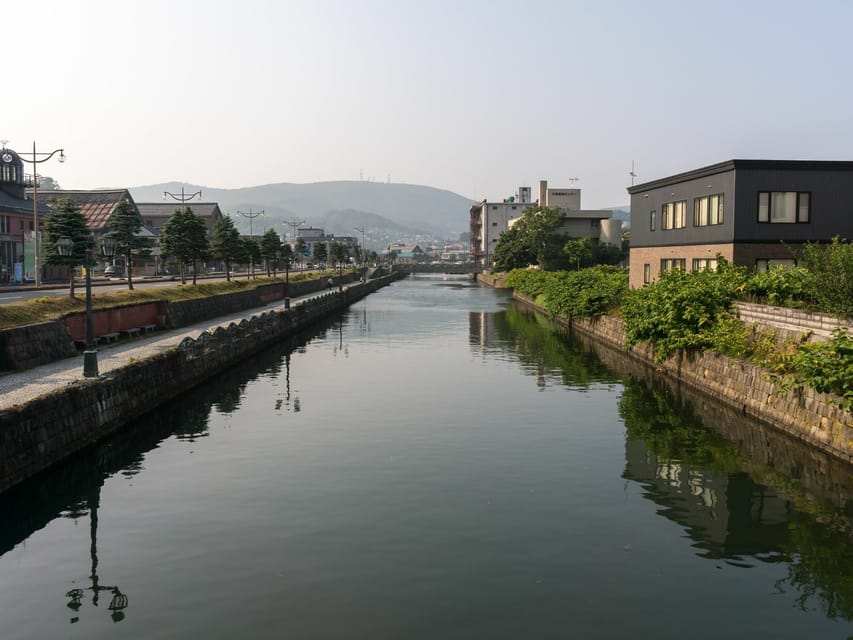
Reviewed · DAY TRIPS IN HOKKAIDO
From Sapporo: Private Day Trip to Otaru
Otaru gives you a very different face of Japan: old warehouses, western-style merchant buildings, glass workshops, and a canal lit by oil lamps. I like the private guide format, since you can spend more time on crafts, food, or local history instead of following a fixed group route. I also like the train ride from Sapporo, a simple and scenic way to reach the port town.
The main catch is the six-hour limit. Travel time counts, and Otaru has enough sights to fill a full day, so you may need to choose between the canal district, a museum, shopping, food, and a farther viewpoint. Tickets for attractions and extra meals are not included, and the exact pickup arrangement should be confirmed before you go.
Key points at a glance
- A private six-hour outing: You travel with one guide and can shape the day around food, crafts, shopping, or history.
- A 30-minute train journey: The railway connects Sapporo and Otaru without the fuss of arranging a private car.
- Historic Sakaimachi-dōri: Browse preserved western-style buildings from Otaru’s late 19th-century port era.
- Hands-on local character: Choose glass shops, the Otaru Music Box Museum, squid ink ice cream, beer, or sake.
- A flexible guide match: Guides including Toru, Karen, Ryuki, Akihiro, and Emilio have led outings with different personal touches.
- Good winter potential: The canal and old streets can look especially atmospheric during snow and the Snow Light Path season.
Why Otaru makes a smart side trip from Sapporo

Sapporo is Hokkaido’s large modern city, but Otaru feels like a smaller port town shaped by trade. Its buildings and streets tell a different story from Japan’s famous temple towns. Here, the focus is on warehouses, merchants, shipping, glass, music boxes, and food.
That contrast is the chief reason I would choose this outing. You are not simply adding another shopping district to your Sapporo schedule. You are seeing how Hokkaido developed as a northern trading center, with western-style architecture adapted to Japanese life.
The city sits roughly 30 minutes northwest of Sapporo by train. The ride matters because it keeps the transfer simple and gives you a chance to watch the view change between the two cities. You avoid spending the day behind the wheel, and your guide can use the travel time to learn what you want from Otaru.
The private format also changes the pace. If you care about handmade glass, you can give that more attention. If you would rather eat, browse the canal warehouses, and see a few historic streets, you can keep the day moving. That flexibility is more useful here than on a tightly scripted sightseeing tour.
More Day Trips in Hokkaido
- From Sapporo: Hokkaido Highlights Day Trip
★ 4.6 · 56 reviews - One Day Highlights Tour of Sapporo
★ 5.0 · 41 reviews - Sapporo: Otaru Asarigawa Ski Resort Day Trip with Gear
★ 4.9 · 27 reviews
Starting at Sapporo Station and riding north
The meeting point is in front of the tourist information center inside JR Sapporo Station. The experience includes return train tickets, so you do not need to sort out the basic rail fare yourself.
The information also says hotel pickup is available from central Sapporo, while the stated meeting point is the station. Treat that as a detail to confirm when booking. If your hotel is outside the central area, you may need to reach the station on your own.
The train ride to Otaru takes about 30 minutes. That is one of the most practical parts of the outing. A private taxi might offer more control, but the train keeps costs and traffic worries down. It also fits the character of the trip: Otaru is being approached as a working port town, not as an isolated attraction reached by tour bus.
Your six hours include travel time and time with the guide. Allowing about an hour for the two train rides leaves roughly five hours in Otaru, though the exact balance depends on the start time and your guide’s plan. That is enough for a focused introduction, not every possible museum and shopping street.
Walking the canal and the old warehouses
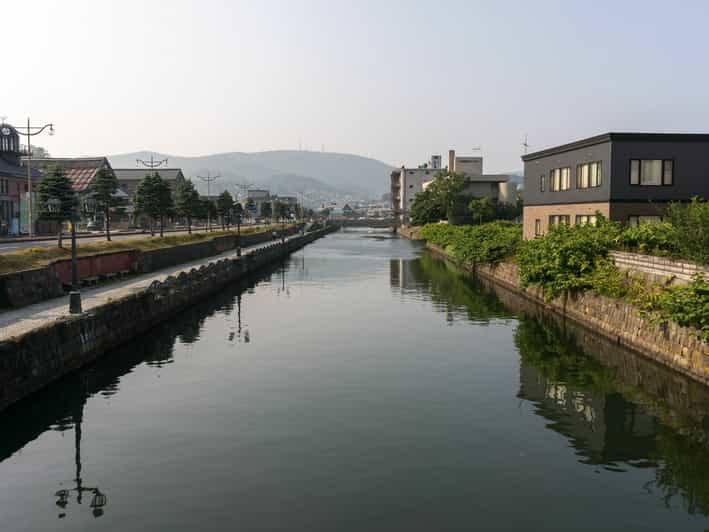
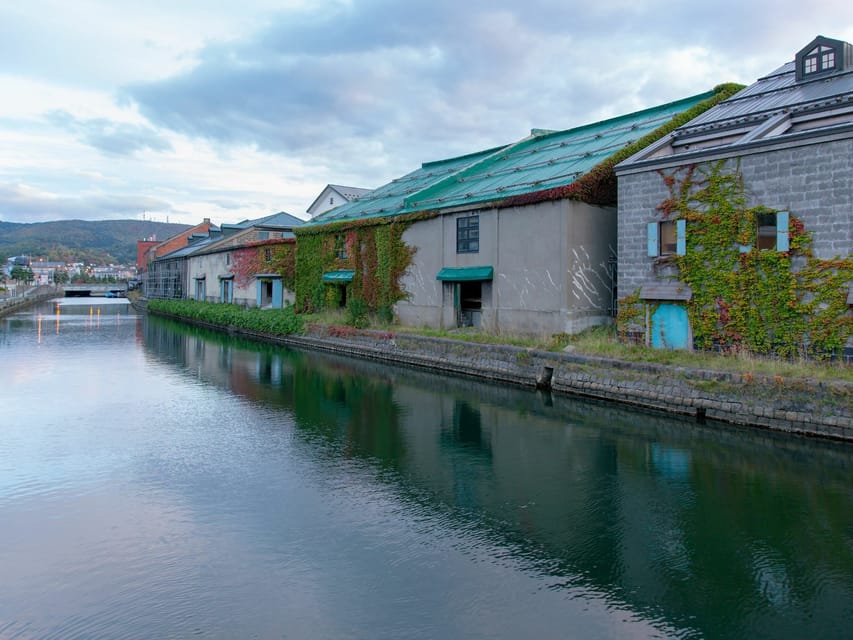
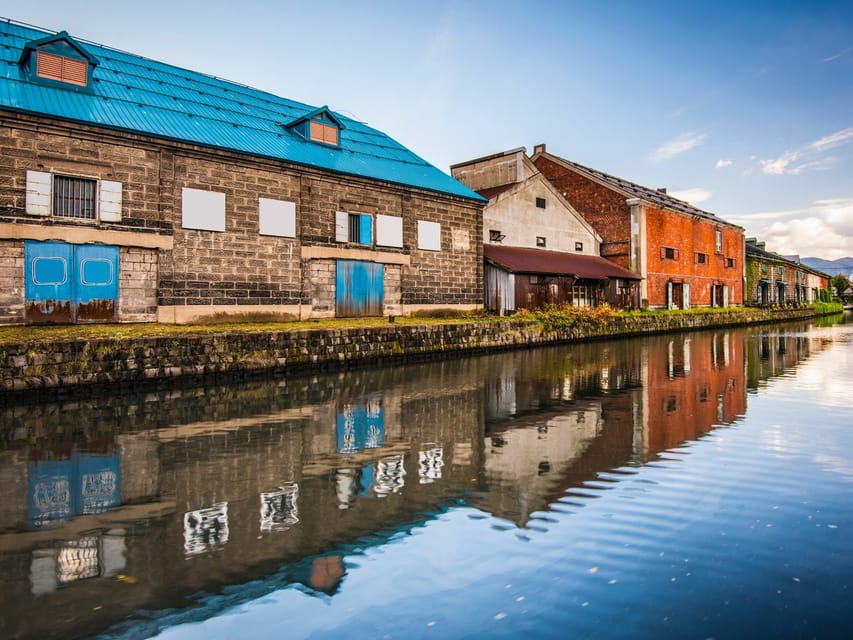
The Otaru Canal is the city’s best-known scene, and it is easy to understand why. The paved and cobbled paths follow the water, with old warehouses converted into shops, cafes, and antique stores. Oil lamps give the canal a warm look in the early evening.
I would not treat the canal as the whole reason to come. Its value is that it gives you a clear sense of Otaru’s past as a port. The warehouses are not just decorative backdrops. They help explain how goods once moved through the city and why this small place became important.
A canal cruise may be available as an optional activity, but it is not included. You will need to pay separately for it, and the schedule can affect how much walking time remains. Ask your guide about the current options if seeing the city from the water matters to you.
The canal area is also where the six-hour limit becomes noticeable. It is pleasant to walk slowly, stop for photographs, and browse a few shops, but every extra stop reduces time elsewhere. I would decide before the trip if you want a relaxed canal walk or a broader list of sights.
Sakaimachi-dōri and Otaru’s merchant streets
Sakaimachi-dōri is the main shopping and sightseeing street. Its preserved western-style buildings reflect Otaru’s late 19th-century role as a port city. You will find glass shops, confectionery stores, cafes, and craft displays along the route.
This is a good place for a private guide to add value. The street can feel like a line of attractive storefronts if you walk it alone without context. A local host can point out the buildings and explain how the shops connect to Otaru’s craft traditions.
Nichigin-dōri, once called the Wall Street of the North, offers another glimpse of the city’s former importance. It is close to Sakaimachi-dōri, so seeing both does not require a major detour. The name hints at Otaru’s financial role during its port-city years, when merchants and banks followed the flow of northern trade.
Expect a mix of history and shopping rather than a formal museum lesson. The streets are best for people who like to learn through buildings, shop displays, and short explanations. If you want long historical lectures or a large collection of exhibits, the schedule may feel light.
Same trip, a completely different kind of day:
- Sapporo Bar Hopping Food Tour
★ 5.0 · 232 reviews - Sapporo Private Tour with a Local – Highlights & Hidden Gems
★ 5.0 · 91 reviews - Sapporo: Hokkaido, Noboribetsu and Lake Toya Day Tour
★ 4.1 · 88 reviews - Sapporo: Sumo Show Experience with Japanese food & Photo
★ 4.9 · 81 reviews
Choosing between glass, music boxes, and food

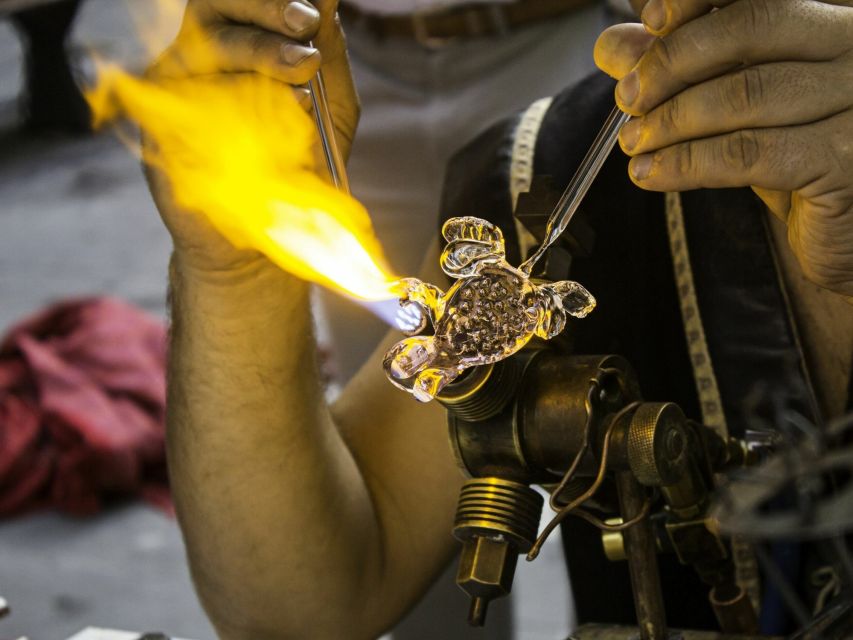
Otaru is strongly linked with glassmaking, and the tour gives you the option to explore that side of the city. Glass shops sell intricate pieces that make attractive souvenirs, though you should remember that fragile purchases are not always easy to pack. The experience does not promise a hands-on glassblowing class, so ask your guide what is available on the day.
The Otaru Music Box Museum offers a different kind of stop. Its collection includes 25,000 music boxes, and you can customize a new one if you want a personal souvenir. That makes it a good choice for families, gift hunters, and anyone who enjoys small mechanical objects.
You probably will not have time to do both attractions in depth, along with a slow canal walk and a long meal. The private setup lets you decide which matters more. I would choose glass for local craft and shopping, or the music boxes for a more clearly defined museum visit.
Food adds another layer. The outing may include a stop for unusual ice cream flavors, including squid ink. You can also eat at the Bavarian-style Otaru Brewery beer hall or sample sake at Tanaka Sake Brewery. The included drink is one glass of sake, beer, or a soft drink selected by your host, but extra food and drinks cost more.
The squid ink ice cream is the sort of small, odd detail that can make the day memorable. It is a novelty rather than a reason to build the entire itinerary around dessert, and you can simply choose another flavor if it does not appeal.
Tanaka Sake Brewery and the included drink
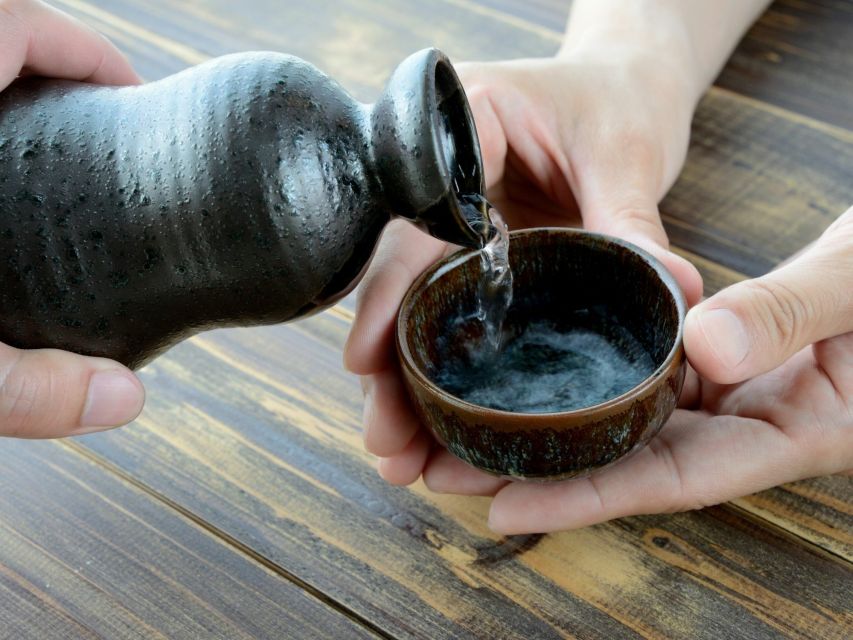
Tanaka Sake Brewery gives you a chance to connect Otaru’s port identity with Hokkaido’s food and drink culture. The experience includes one glass of sake, beer, or a soft drink, carefully selected by the guide. That small inclusion is useful because it lets you try something local without committing to a full tasting.
Do not confuse the included glass with a full brewery tour or meal. The available details promise a visit and one drink, not a private tasting session or production demonstration. Extra drinks and food are separate expenses.
If you do not drink alcohol, the soft drink option keeps this stop accessible. If you do want sake, this is a natural place to ask your guide about what you are sampling and how it fits into the region’s food traditions.
The Otaru Brewery beer hall offers a different mood, with Bavarian-style surroundings and freshly brewed draft beer. You may need to choose between the brewery and the sake stop, depending on the time and your interests. That choice is a benefit of the private format, but it also means you should tell your guide early what you prefer.
What the private guide adds
The guide is matched to your interests rather than assigned as part of a large shared group. English and Japanese are available. Past guide names include Toru, Karen, Ryuki, Akihiro, and Emilio, but you should not assume you will receive one of those specific hosts.
The strongest personal touches come from the guides who adjust the day well. Karen, for example, shaped an outing around handmade glass, local food, and the Snow Light Path season. Ryuki included local artist glass shops and Japanese-made music boxes, and also added the Olympic Museum in Sapporo. That last stop shows how a private day can be adapted, though any extra Sapporo visit would use time from the six-hour schedule.
Toru’s outing focused on an off-the-main-route side of Otaru, while Emilio received praise for guiding during a snowy visit that included a viewpoint and a cable car ride. Those details show that the actual day can differ quite a bit from a basic canal walk. They also show why you should state your priorities clearly before setting out.
Akihiro has been described as friendly and informative, which is the basic standard you should expect from a host-led private outing. The guide’s style matters here because you spend the full six hours together, including the train rides. Some people want constant conversation and local tips. Others want a quieter walk with only the explanations they need.
Is $191 per person good value?

At $191 per person, this is not the cheapest way to reach Otaru. You are paying for a private guide, return rail tickets, central Sapporo hotel pickup when applicable, a six-hour schedule, and a selected drink.
The price makes more sense for two or more people who want a flexible day and would otherwise pay for separate guiding or private transportation. It is also easier to justify if you value local interpretation and do not want to plan the train, route, food stops, and shopping streets yourself.
The value is weaker if you only want to see the canal and take a few photographs. Otaru is easy to visit independently by train, and attraction tickets, extra transport, meals, and drinks are not included. Solo visitors on a tight budget may prefer self-guided sightseeing.
I would see the fee as payment for time saved and choices simplified, not for a long list of included attractions. The private guide is the central product. If you plan to use that flexibility, the price is easier to defend. If you expect a fully ticketed sightseeing package, it may disappoint.
Who should book this Otaru day trip?
I would recommend it to first-time visitors who want a clear introduction to Otaru without spending hours researching the route. It also suits couples, families, and small private groups with different interests, since one person can prioritize crafts while another asks for food or history.
It is especially good for people who enjoy conversation and local recommendations. A guide can suggest public transport or a private taxi within Otaru if needed, though additional transport costs are not included.
The tour is wheelchair accessible, which is useful, but the itinerary includes walking along historic streets and canal paths. Ask about the exact route and any optional stops in advance if mobility is a concern.
Winter can be a fine time to choose this outing. Snow changes the look of the canal and old streets, and the Snow Light Path season can add a special evening atmosphere. Dress for cold weather and allow extra care on potentially slippery paths, though the activity information does not specify winter equipment or route conditions.
Practical planning before you go
Tell your guide what matters most before the day starts. Choose one main priority from glass, music boxes, food, sake, beer, architecture, or the canal, then add secondary interests if time allows.
Keep some money available for meals, extra drinks, museum entry, canal cruises, and other attractions. The included beverage is limited to one glass of sake, beer, or a soft drink.
Confirm the pickup point, especially if you are staying in central Sapporo. The stated meeting point is the tourist information center at JR Sapporo Station, while central hotel pickup is also listed.
The booking allows cancellation up to 24 hours before departure for a full refund, and you can reserve now and pay later. Availability and starting times vary, so check the schedule before building other Sapporo plans around this day.
Should you book it?
Book this tour if you want Otaru shaped around your interests, value a private guide, and prefer a simple train connection from Sapporo. It is a strong choice for a first visit, a special winter outing, or a day when you want personal recommendations rather than a fixed checklist.
Skip it if your main goal is a cheap canal visit or if you want to spend all day inside museums and shops. At six hours, the schedule is focused, and the $191 price is best justified when you make full use of the guide’s flexibility.
FAQ
How long does the Sapporo to Otaru tour last?
The experience lasts six hours, including travel time between Sapporo and Otaru.
How do I get from Sapporo to Otaru?
You travel by train, with return train tickets included. The ride takes about 30 minutes each way.
Where does the tour meet?
The stated meeting point is in front of the tourist information center at JR Sapporo Station. Central Sapporo hotel pickup is also listed, so confirm the exact arrangement when booking.
Is the tour private?
Yes. It is a private group experience with a guide matched to your interests.
Which languages are available?
The tour is available with an English or Japanese-speaking guide.
Are attraction tickets included?
No. Tickets for attractions, canal cruises, museums, and other paid activities are not included.
Is food included?
Additional food and drinks are not included. The experience includes one glass of sake, beer, or a soft drink selected by your host.
Can I choose what to see in Otaru?
Yes. The experience is personalized, so you can discuss interests such as the canal, historic streets, glass shops, the Music Box Museum, food, beer, or sake with your guide.
Is the tour wheelchair accessible?
Yes, the activity is listed as wheelchair accessible. Confirm the exact walking route and optional stops in advance if you need specific access arrangements.
Just added around Hokkaido
- Half Day – Snow View Rafting in Niseko★ 5.0 · 13 reviews
- 3hours Primeval Forest and Stunning Views of Cliff Trekking Tour★ 5.0 · 20 reviews
- Snowshoe Adventures and Onsen Bliss Winter Escape in Furano★ 5.0 · 12 reviews
- 3.5hours Primeval Forest Snowshoe hike and Wildlife Watching Tour★ 5.0 · 14 reviews
- Hakodate 6hr Private Tour with Government-Licensed Guide★ 5.0 · 17 reviews
- SkyExpress Private Transfer: New Chitose Airport – Niseko (8 Pax)★ 5.0 · 15 reviews
- Chitose Airport to Niseko Private Transfer | Licensed Driver★ 5.0 · 19 reviews
- Sapporo Walking Tour★ 4.9 · 17 reviews
Day Trips in Hokkaido, compared.


Browse the lists this tour appears in