
Reviewed · SNOW MONKEY TOURS
From Tokyo: Snow Monkey 1 Day Tour with Beef Sukiyaki Lunch
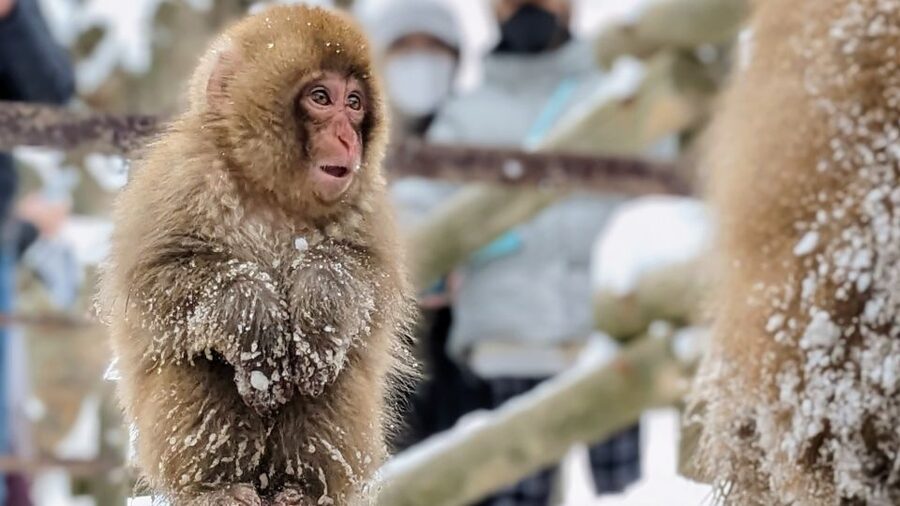
The best part of this day trip is the walk through the snowy Jigokudani valley to see Japanese macaques close up. The monkeys are wild, yet used to people, so you may watch them pass nearby, groom one another, or sit in the hot springs with snowy peaks behind them. I like the beef sukiyaki lunch and the fact that transport, entry, and a guide are bundled into one simple outing. The main catch is the long ride from Tokyo and the slippery walk at the far end.
I also like the careful winter planning. Guides such as Ichiro, Mai, Maki, Ken, and Kubo have helped make the day clear and friendly, while drivers have handled snow, traffic, and long hours on the road. But this is not a quick side trip. You could spend seven to twelve hours away from central Tokyo, with as much as eight hours on the coach in difficult traffic.
Key points to know before you book
- The snow monkey walk takes more than 30 minutes each way: Snow and ice can make the route harder than the phrase moderate walking suggests.
- The monkeys are wild animals: You may see many of them, but they are not guaranteed to enter the hot springs.
- Lunch is beef sukiyaki by default: Pork, vegetarian, and vegan meals are available if requested when you book.
- The coach ride is the price of admission: You avoid arranging trains and local transport, but the journey can take up to three and a half hours each way.
- Winter is the strongest season for the classic scene: Snow, macaques, and steaming water make the park especially memorable from January through early March.
- Kamakura snow huts add a seasonal bonus: Departures from Jan 23 to Mar 1, 2026 include the illuminated snow village.
Why the snow monkeys are worth the long ride
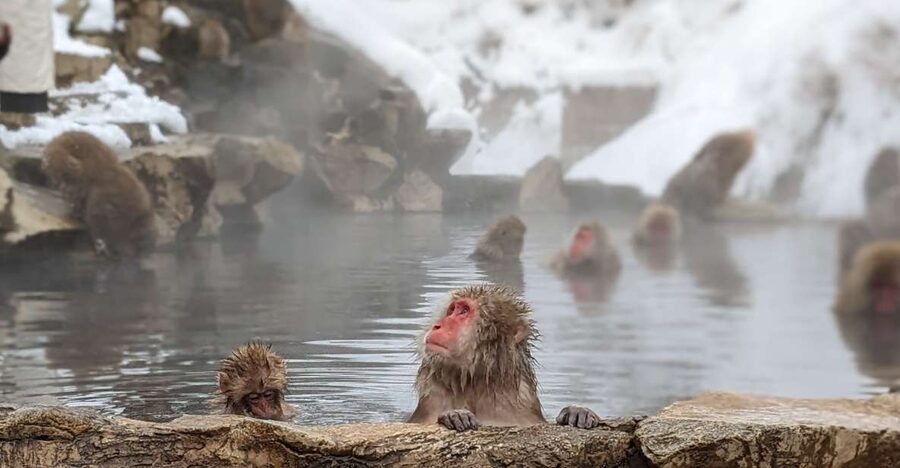
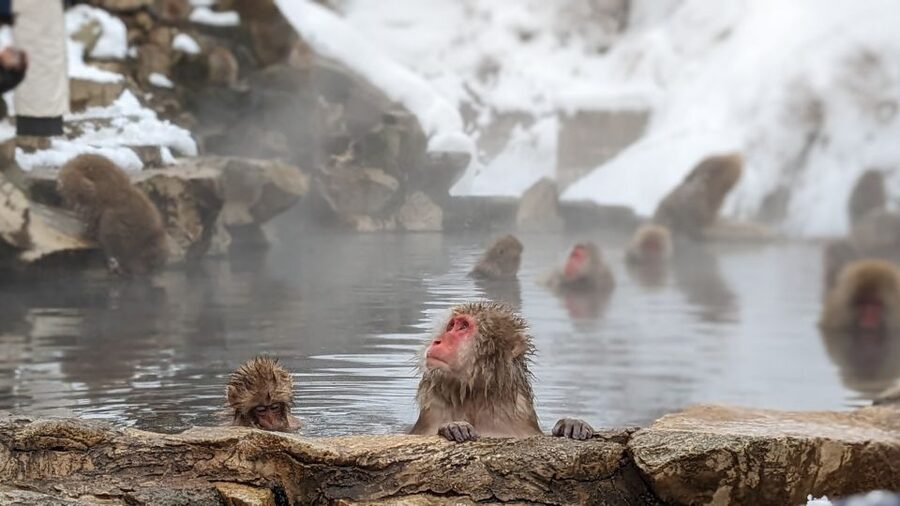
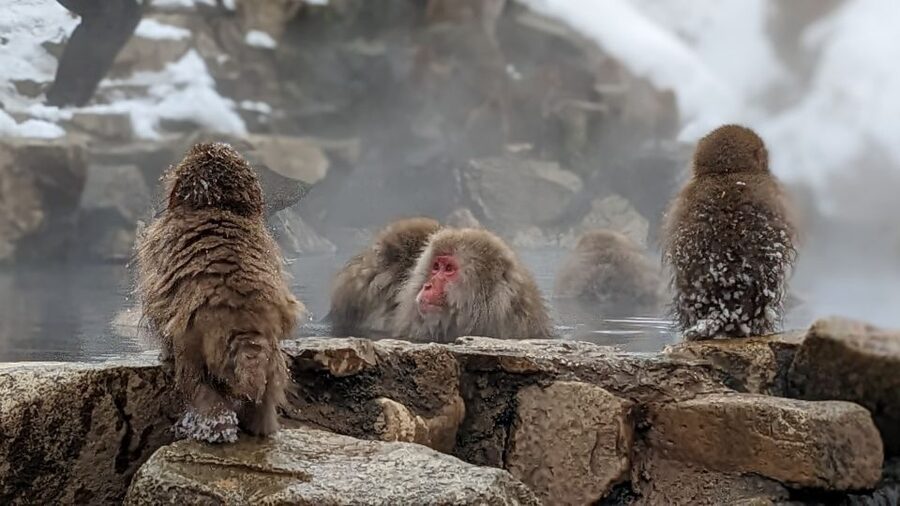
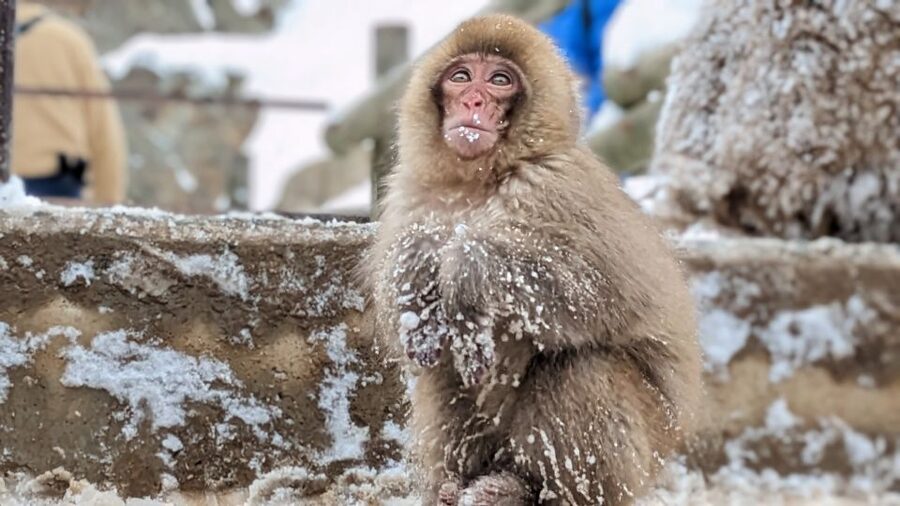
Jigokudani Monkey Park is famous for a simple, striking sight: Japanese macaques gathering around thermal water in a cold mountain valley. The setting does much of the work. Snow clings to the trees, steam rises from the springs, and the monkeys go about their business with little concern for the people watching from nearby.
You should keep your expectations realistic. The monkeys do not spend most of their time in the water, and the tour cannot control where they go. Even in winter, they may be walking along the paths, feeding, grooming, or sitting outside the pool. Sightings in the springs are never promised.
That uncertainty is part of the appeal, but it matters when you are spending a full day on the road. A snowy forest walk and close views of wild macaques can feel like a once-in-a-lifetime experience. A gray day with fewer monkeys in the pool will feel less dramatic, though the park is still worth seeing for its mountain setting and animal behavior.
You must not touch, feed, or stare directly at the monkeys. They can be territorial, and the park rules protect both the animals and the people around them. Keep your hands to yourself, give the macaques room, and use your camera without turning the visit into a noisy wildlife show.
More Day Trips in Nagano
- 1-Day Snow Monkeys, Zenko-ji Temple & Sake in Nagano
★ 5.0 · 1,020 reviews - Nagano: Snow Monkeys, Zenkoji Temple & Sake Day Trip
★ 4.9 · 833 reviews - Nagano Snow Monkey 1 Day Tour with Beef Sukiyaki Lunch from Tokyo
★ 4.5 · 123 reviews
The 3.5-hour coach journey from Shinjuku
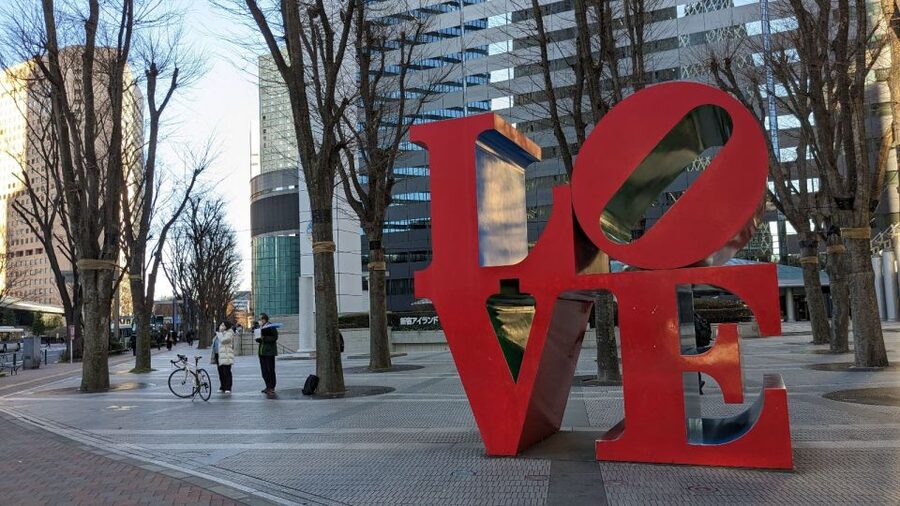
The meeting point is by the Nishi Shinjuku LOVE sculpture outside the Shinjuku i-Land building. This is a central location, but allow extra time to find the exact spot. One person nearly missed the coach after taking the wrong road through the unfamiliar area, and several others had similar trouble.
The bus then heads north toward Nagano Prefecture. The stated journey can take up to three and a half hours, with two or three stops at service areas. Traffic on the return to Tokyo can make the day longer. Some departures have taken roughly twelve hours from start to finish, while other days have been shorter.
I see the coach as both the tour’s main convenience and its biggest weakness. You do not need to compare train routes, arrange a local bus, or find the mountain park on your own. The guide handles the timing, and the bus returns you to central Tokyo. On the other hand, you spend a large part of the day seated, and some coaches have been described as small with seats that do not recline.
Bring something to read, a tablet, or headphones if you like quiet time. Guides may offer commentary along the way, and some have filled delays with jokes, songs, or local information. Still, the amount of narration can vary. Do not book this trip if you strongly dislike long road journeys.
The coach finishes at Tokyo Mode Gakuen rather than at your hotel. There is no hotel pickup, no custom pickup in central Tokyo, and no drop-off in Nagano Prefecture. These details are easy to overlook when you are planning a tight Japan itinerary.
Beef sukiyaki at Shinshu Fruitsland
After the first long stretch on the road, you stop at Shinshu Fruitsland for about an hour and eat lunch. The standard meal is beef sukiyaki, a Japanese hot-pot dish in which thin beef is cooked with vegetables and sauce. It gives you a proper warm meal before the cold walk to the park.
The lunch has been well received overall, though you should think of it as a practical tour meal rather than a destination restaurant experience. Drinks are not included, so bring money for anything extra. If beef does not suit you, request pork, vegetarian, or vegan food when making the reservation. Fish and chicken are not offered as alternatives.
This meal stop is useful for more than food. After several hours on the bus, you get a chance to stretch, use facilities, and reset before the main visit. The stop is around 30 minutes from Jigokudani Monkey Park, so you are not facing another long ride after lunch.
Tell the operator about your dietary choice at booking time, not when you arrive at the table. The available options are clearly defined: pork, vegetarian with egg and dairy, or fully plant-based vegan food.
The icy forest path to Jigokudani Monkey Park
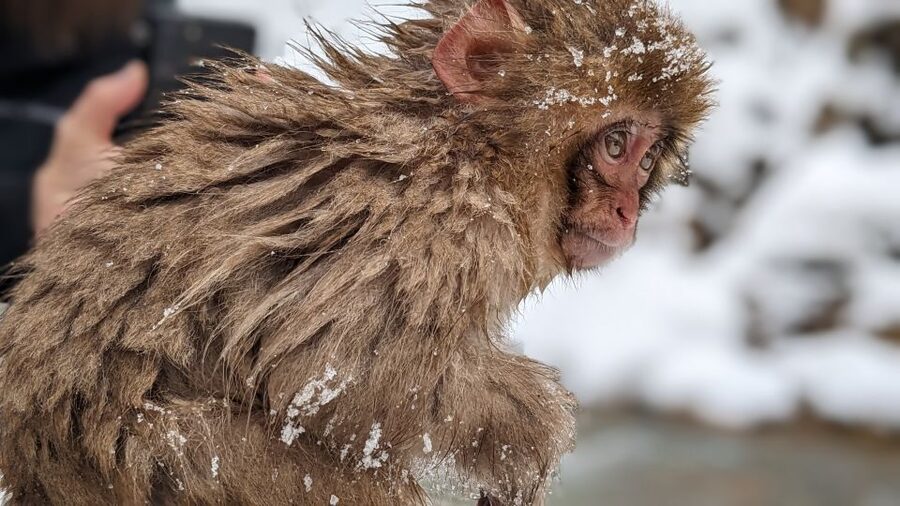
The bus cannot leave you beside the monkeys. From the parking area, you walk for more than 30 minutes to reach Jigokudani Yaen-koen, followed by the return walk. The route passes through a forest and can be wet, muddy, snowy, or very icy.
This is the part of the day that needs the most honest preparation. The official wording calls for a moderate amount of walking, but some people find it more demanding, especially when hard snow forms on the path. The walk is not a casual stroll in city shoes.
Wear waterproof trousers if you have them, warm layers, and high shoes with a strong grip. Snow boots are the safest choice. Anti-slip shoes are essential, and crampons may be available to buy on the bus, though they are not included. A walking cane can help, but wheelchair users cannot take this tour, and it is not suitable for pregnant women.
The effort pays off when the forest opens toward the park. The walk itself is part of the experience, with snow and mountain views giving the visit a sense of place. If you are not nimble on ice, tell the guide early. One guide stayed with a guest who used a cane and helped her reach the monkeys. That kind of support depends on the day and group, but it shows why staying close to your guide matters.
More Snow Monkey Tours in Nagano:
- From Tokyo: Private Tour Snow Monkey Park & Zenko-ji Temple
★ 4.7 · 184 reviews - Hokkaido Seasonal: Lake Toya & Noboribetsu Jigokudani Valley
★ 4.7 · 173 reviews - Tokyo: Snow Monkey & Nagano Customiseable Private Day Tour
★ 4.8 · 138 reviews - 1-Day Snow Monkeys & Snow Fun in Shiga Kogen Tour
★ 5.0 · 94 reviews
Two hours with the macaques
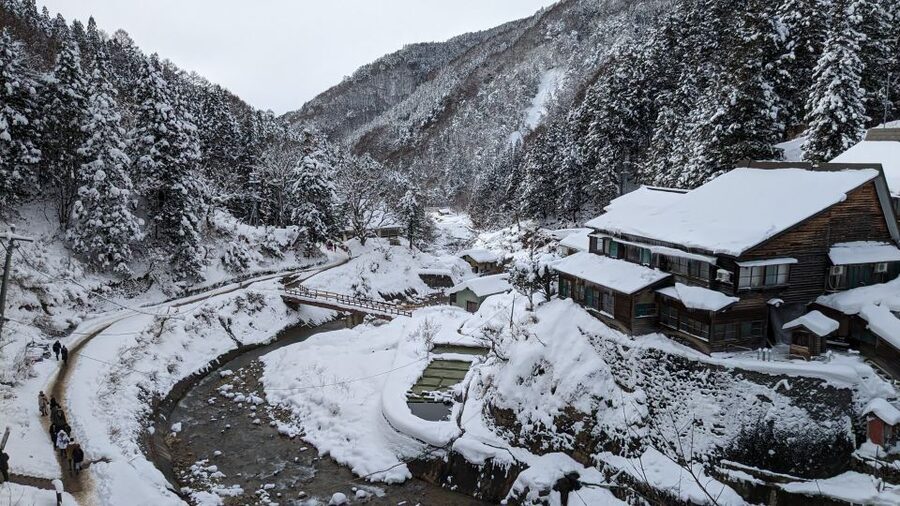
The scheduled visit at Jigokudani Monkey Park lasts about two hours. That gives you time to watch the animals, take photos, and enjoy the surroundings without rushing through the first sighting.
The macaques may be everywhere around the spring area. You could see adults, young monkeys, and babies moving past visitors or relaxing near the water. Their behavior is more interesting than a posed animal encounter because they are not performing for you. They groom, squabble, wander, and soak according to their own routine.
Winter conditions can make the scene especially memorable. Snow falling around the hot springs creates the picture most people hope to see. January and February offer the best chance of that classic snowy setting, although weather is never guaranteed. From mid-March, warm weather may mean fewer monkeys enter the springs. Even late March can bring a better chance if snow returns.
The time at the park is also the tour’s most limited resource. Several people wished for longer there, especially after the lengthy ride. The two-hour schedule is enough to see the area at a reasonable pace, but it may feel short if you want to wait for the perfect photograph.
Listen carefully when the guide explains the return time. The coach cannot wait indefinitely, and latecomers receive no refund. The policy is strict because one delayed person can affect the entire group’s return to Tokyo.
Kamakura snow huts from January 23 to March 1, 2026
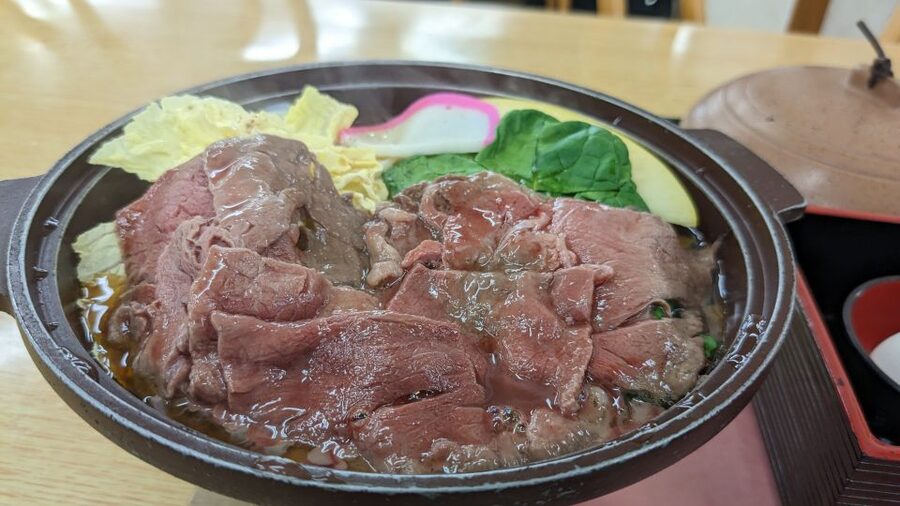
Winter departures between Jan 23 and Mar 1, 2026 include Kamakura no sato, a village of snow huts. These small domes are lit after dark and create a very different mood from the monkey park.
The huts add value to a winter departure because they give you another reason to visit Nagano beyond the macaques. The illuminated snow structures can feel almost storybook-like, especially after a day of forest, steam, and snow. The stop is included during the specified date range, with entry covered.
Do not assume this visit applies to every departure. If your date falls outside Jan 23 to Mar 1, 2026, the snow huts are not part of the stated program. The exact schedule can also change with road conditions, so treat the timing as a plan rather than a guarantee.
Guides, group size, and how the day runs
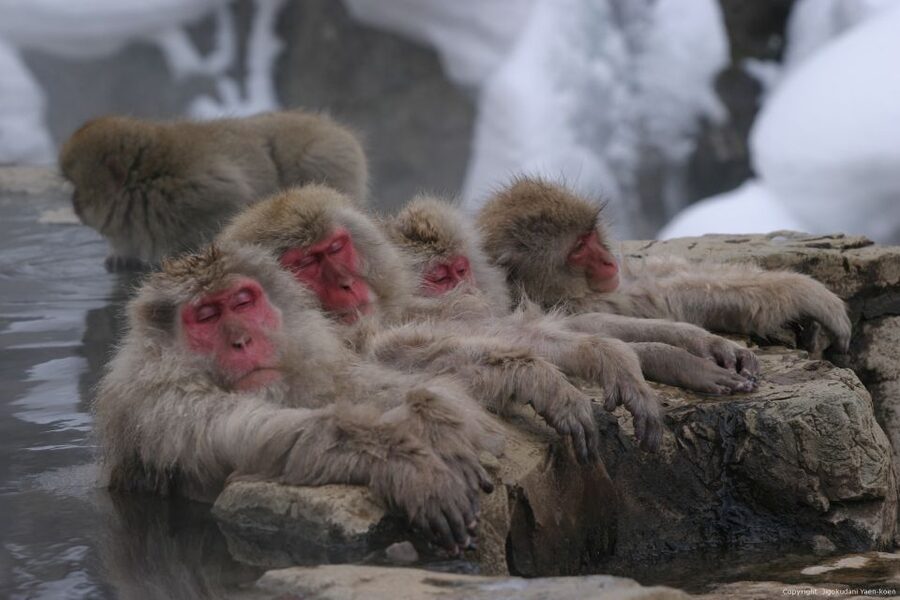
The tour is guided in English, with English and Japanese listed among the available languages. Group size can change, and the operator may use a medium or small coach depending on attendance.
The strongest part of the organization is the steady handling of a complicated winter day. Guides have been described as funny, attentive, and helpful with practical questions about Japan. Some have offered sightseeing suggestions beyond the tour, and one even helped a departing guest with Shinkansen tickets afterward.
Names you may encounter include Ichiro, Shin, Mai, Maki, Ken, Kubo, Thomas, George, Mami, and Mary San, though your assigned guide will depend on the departure. Their style can differ. Most of the feedback points to warm, careful service, but one guide handled late arrivals in a way a guest found uncomfortable. That is a reminder that group tours require patience on both sides.
The driver matters too. Snowy roads, traffic jams, and a late return into Tokyo put pressure on the schedule. The drivers have generally been praised for safe handling, but you should wear your seatbelt as Japanese law requires and accept that road conditions can change the plan.
Is $151 a fair price?
At $151 per person, this is not the cheapest way to leave Tokyo for the mountains. Yet the price includes coach transport, an English-speaking guide, lunch, and the Jigokudani Monkey Park entrance fee. During the listed winter period, it also includes entry to the Kamakura snow huts.
The value depends on how you measure your time. If you want the simplest route to the monkeys and do not want to manage several train and bus connections, the package is fairly priced. You also get a guide to keep the day moving, service-area breaks, a hot meal, and a ride back to central Tokyo.
If you prefer independent travel, the long coach ride may feel costly in hours as well as money. You have limited control over departure timing, the amount of time at the park, and the return arrival. The tour works best when you value convenience more than flexibility.
Free cancellation is available up to 24 hours before departure, and you can reserve now and pay later. Late arrival is the serious risk: there is no refund if you miss the coach or return late to it.
Who should book this full-day trip?
I would choose this tour if seeing the snow monkeys is high on your Japan wish list and you have only one free day from Tokyo. It is especially suited to winter visitors who want snow, hot springs, and the chance to add illuminated snow huts between Jan 23 and Mar 1, 2026.
You should be comfortable with a long ride, a fixed schedule, and an icy walk of at least 30 minutes each way. Families and solo participants can join, with bookings accepted from one person, but young children or anyone unsteady on slippery ground may find the route tiring.
This is not a good fit if you need wheelchair access, are pregnant, dislike coach travel, or want a relaxed day with little walking. It is also not ideal if your dream depends entirely on seeing a monkey in the pool. Nature sets the schedule here.
FAQ
How long does the tour take?
The advertised duration is one day. The coach ride can take up to three and a half hours each way, and some departures have lasted around twelve hours in total because of traffic and road conditions.
Where do I meet the tour?
Meet the guide beside the Nishi Shinjuku LOVE sculpture outside the Shinjuku i-Land building. The tour finishes at Tokyo Mode Gakuen.
Is hotel pickup included?
No. Pickup and drop-off are provided at the stated meeting point in central Tokyo. Hotel pickup and custom central Tokyo pickups are not included.
What food is served at lunch?
Beef sukiyaki is the standard lunch. You can request pork, vegetarian food with egg and dairy, or a fully vegan meal when you reserve. Fish and chicken are not available alternatives.
Are drinks included?
No. Drinks are not included in the tour price.
Are the monkeys guaranteed to be in the hot springs?
No. The monkeys are wild animals, and sightings in the springs are not guaranteed. From mid-March, warmer weather can make them less likely to enter the water.
What should I wear?
Wear warm clothing and comfortable shoes with a strong grip. Snow boots or other non-slip footwear are recommended, and waterproof trousers can help on the snowy or muddy forest path.
Is the Kamakura snow hut visit included all year?
No. The snow hut visit is included for departures from Jan 23 to Mar 1, 2026. It is not listed as part of departures outside that period.
Should you book it?
Book this trip if you want a well-organized route from Tokyo to Jigokudani and are willing to trade a long day on the bus for a genuine chance to see macaques in a snowy mountain setting. The sukiyaki, helpful guides, included entry, and winter huts make the $151 price reasonable for a first visit.
Skip it if your knees dislike ice, your schedule cannot absorb a late return, or you want long, quiet time at the park. Pack proper footwear, arrive early at the LOVE sculpture, and treat the monkeys as wild animals rather than a guaranteed photo prop. With those expectations, this can be one of the most memorable day trips you make from Tokyo.
More Winter Tours in Nagano
- Nagano Tokyo: Snow Monkey Private Day Tour Hotel Pick & Drop
★ 4.7 · 84 reviews - Private Nagano 1-Day Tour:Snow Monkeys,Zenko-ji,Obuse,Sake,Onsen
★ 5.0 · 71 reviews - Nagano/Tokyo: Snow Monkey and Zenkoji Temple Private Tour
★ 4.8 · 54 reviews - From Tokyo: Snow Monkey Private Customize Day Tour
★ 5.0 · 54 reviews
Just added around Nagano
- Wild Bird Sanctuary Forest Guided Tour in Nagano★ 5.0 · 17 reviews
- Tokyo: Nagano Snow Monkeys and Zenkoji Tour with Temples★ 4.9 · 19 reviews
- Nagano/Tokyo: Snow Monkey and Zenkoji Temple Private Tour★ 4.8 · 54 reviews
- Nagano: 1-Day Snow Monkey & Cherry Blossom Tour in Spring★ 4.8 · 51 reviews
- Nagano: Tateyama-Kurobe Guided Walking Tour★ 5.0 · 16 reviews
- Nagano/Tokyo: Snow Monkey Private Day Tour At Lowest Rate★ 4.7 · 44 reviews
- Nagano: Snow Monkeys & Togakushi Shrine Two-Spot in-One Day★ 4.9 · 35 reviews
- Nagano Sake Tasting Walking Tour★ 5.0 · 17 reviews
Snow Monkey Tours, compared.

1-Day Snow Monkeys, Zenko-ji Temple & Sake in Nagano
Our verdict →
Hokkaido Seasonal: Lake Toya & Noboribetsu Jigokudani Valley
Our verdict →
Browse the lists this tour appears in