
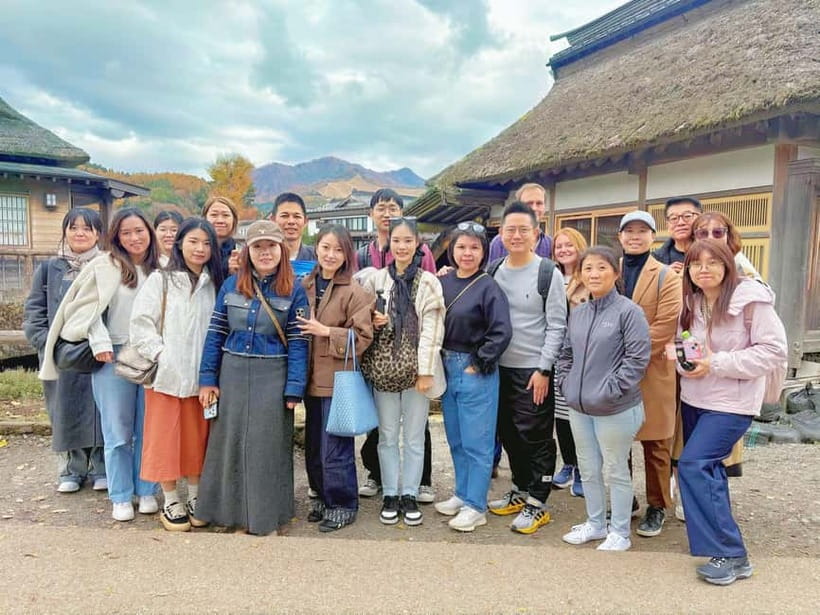
Reviewed · DAY TRIPS IN MOUNT FUJI
From Tokyo: Mt Fuji, Arakurayama and Kawaguchi Lake Day Trip
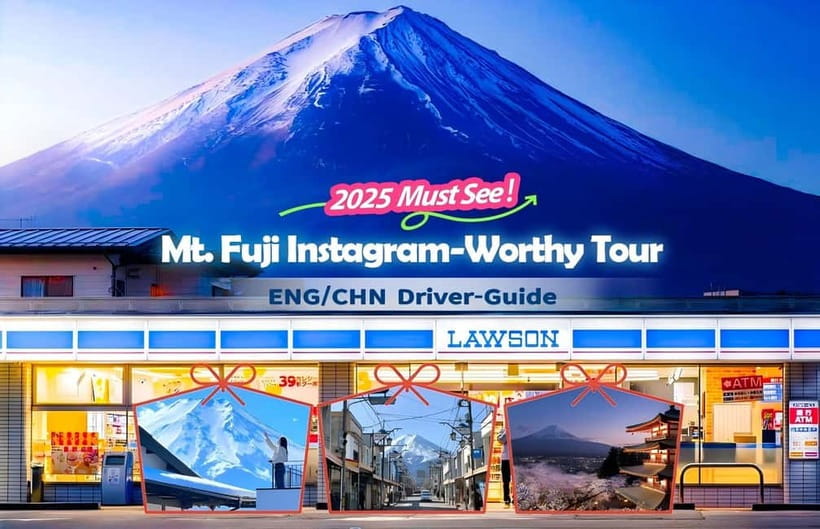
Few day trips from Tokyo pack in this many classic Mt Fuji views for $55. You climb to Chureito Pagoda, stroll through Oshino Hakkai, frame Fuji along a narrow Fujiyoshida street, and finish beside Lake Kawaguchi. It is a photo-heavy day, but not a hollow checklist. Each stop shows the mountain from a different angle.
I like the excellent variety of viewpoints and the fact that transport is handled for you. I also like the guides, especially Hikari, who is often praised for his humor, clear meeting instructions, cultural stories, and knack for finding good photo spots. The main drawback is time: with several famous places and long drives, some stops can feel brisk, and Fuji may hide behind clouds.
Key points to know
- 397 steps to Chureito Pagoda: The climb rewards you with Japan’s classic pagoda-and-Fuji view, but it requires steady legs and comfortable shoes.
- Oshino Hakkai adds local flavor: Try spring water, tofu with pickled miso, and kusamochi while exploring eight snowmelt-fed springs.
- Season changes the final stop: Oishi Park is used most of the year, while the Maple Corridor replaces it around October 30 to November 20.
- Hikari is a frequent guide: He is known for keeping groups organized, sharing useful facts, and helping with photos.
- The bus saves a complicated day: Round-trip transport from Tokyo connects spread-out Fuji sights that are awkward to combine independently.
- Plan for traffic: The advertised return can shift, especially during holidays and peak foliage periods, so avoid a fixed evening reservation.
Why this $55 Fuji day trip works
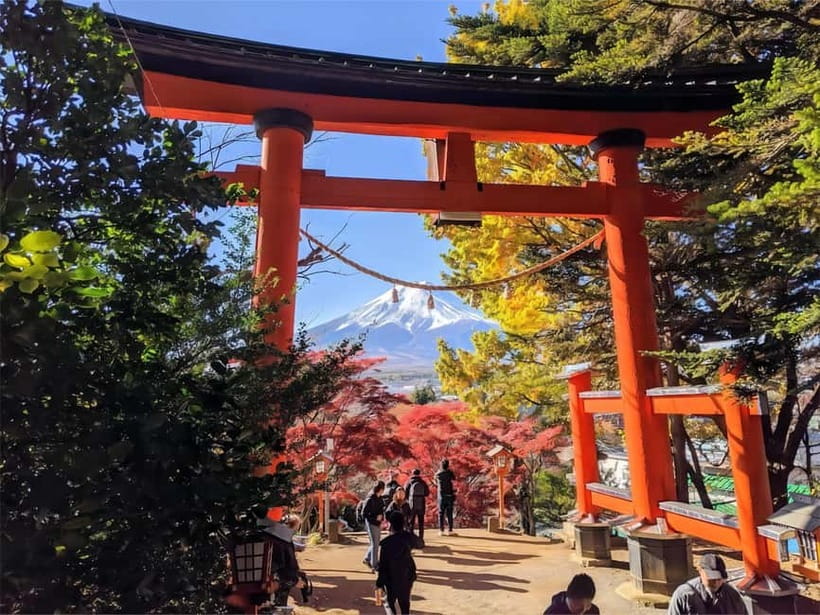
The basic problem with seeing Mt Fuji from Tokyo is distance. The best views are spread around the Fuji Five Lakes area, while the most recognizable pagoda view sits in Fujiyoshida. Add Oshino Hakkai and Lake Kawaguchi, and you have a full day of transfers, local buses, walking, and timetable watching.
This tour solves that problem with a round-trip air-conditioned bus and a guide. The ride from Tokyo takes about 105 minutes each way, depending on traffic. At $55 per person, that is a strong deal if you want the major photo stops without arranging a rental car or piecing together several train and bus connections.
The tradeoff is control. You follow a group schedule, and the route may be adjusted by 15 to 45 minutes to avoid congestion. That can work in your favor, as guides sometimes change the order of stops to keep the day moving. It also means you should not expect a slow, private visit at every location.
The tour is offered in English, Chinese, and Japanese. Hikari is the name most often associated with the experience, although other guides, including Nick, Echo, Louis, and Carter Sasaki, have also led departures. If having an English guide matters, request one at least 72 hours ahead, especially during busy seasons.
More Day Trips in Mount Fuji
- Mt Fuji and Hakone 1-Day Bus Tour Return by Bullet Train
★ 5.0 · 26,383 reviews - Mt Fuji & Hakone Cruise, Drum Show Bullet Train 1 Day from Tokyo
★ 4.0 · 7,413 reviews - Tokyo: Mt. Fuji 5th Station & Hakone Cruise 1-Day Bus Tour
★ 4.2 · 2,381 reviews
Meeting the bus at Tokyo Station
The meeting point is Tokyo Station’s Marunouchi North Exit, near the taxi stand. This is a sensible place to start because it is central and easy to reach by public transport, but Tokyo Station is large. Give yourself enough time to find the correct exit rather than arriving at the last minute.
The provider sends the guide’s phone number, meeting details, and vehicle license plate the evening before, usually around 7:00 or 8:00 PM. Read that message carefully. You need to arrive on time, stay with the group, and avoid bringing large bags because luggage space is limited.
Food and drinks are not allowed in the vehicle, so keep snacks for the stops rather than the ride. Bring weather-appropriate clothing, comfortable shoes, and a phone or camera with plenty of battery. The mountain area can feel quite different from Tokyo, and the day includes walking, stairs, and outdoor waiting.
Arakurayama Sengen Park and the 397-step climb
The first major stop is Arakurayama Sengen Park, home to the famous Chureito Pagoda view. The standard route gives you about an hour at the park and around 45 minutes near the pagoda, though the exact timing can shift with crowds and traffic.
The hard part is simple: 397 steps. The staircase is not a technical hike, but it can be tiring, particularly for older visitors or anyone carrying a child. Take your time and use the breaks sensibly. The tour is described as family-friendly, but it is not suitable for people over 75, and the climb deserves honest consideration before booking.
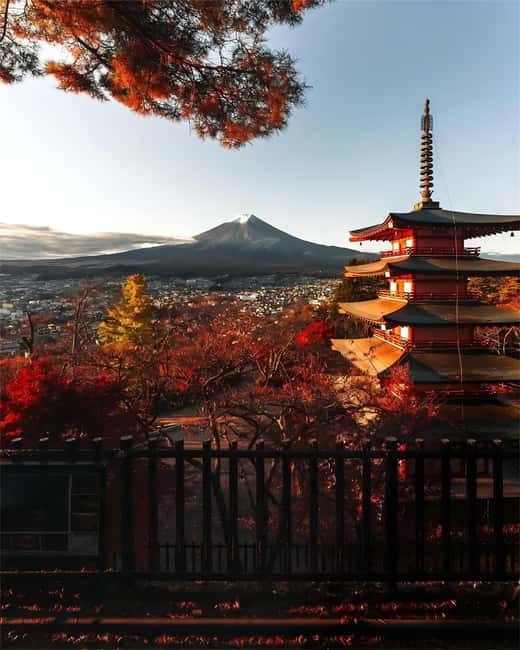
At the top, the five-story pagoda sits in front of Mt Fuji, with Fujiyoshida spread below. This is the view used in countless Japan photographs, and it earns its fame. In spring, cherry blossoms add color. Summer brings green hills, autumn brings red and gold leaves, and winter can give you snow around the pagoda and a sharply defined mountain.
Crowds are the main nuisance here. The best viewing area can be packed, especially during cherry blossom and autumn color periods. Guides such as Hikari help by giving clear instructions and pointing out photo positions, but no guide can remove the crowd. You may need patience and a little flexibility with your camera angle.
Fujiyoshida’s Hikawa Clock Shop street
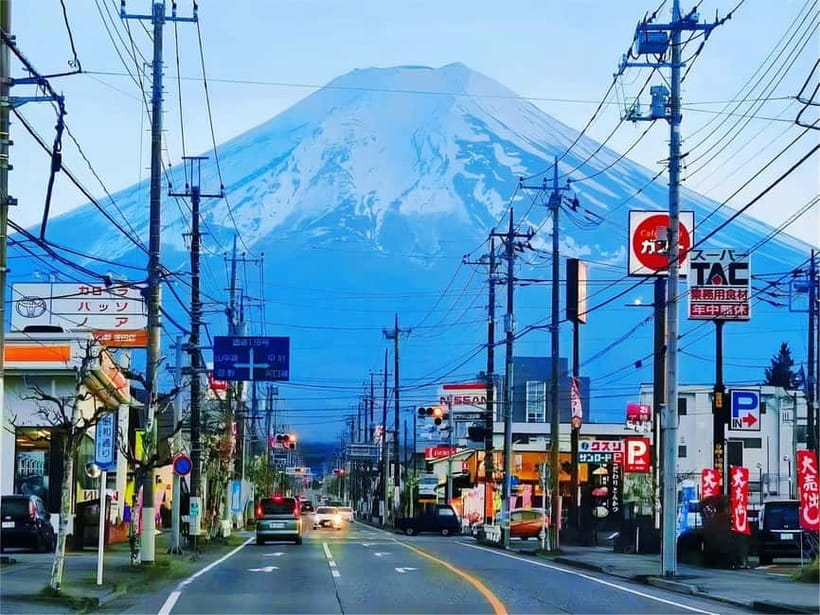
After the pagoda, the group visits the Hikawa Clock Shop area for about 20 minutes. The appeal is not a long museum visit or a major historic site. It is the street itself, where the road lines up with Mt Fuji and creates a tidy, almost theatrical mountain view.
This is a quick photo stop, so use your time well. Listen for the guide’s instructions about where to stand and when to return. The street is also a reminder that Fuji views do not need a grand observation deck. Sometimes the best picture comes from an ordinary town road with the mountain placed exactly at the end.
Twenty minutes is enough for photographs, but not enough for a relaxed neighborhood wander. Think of this as a visual pause between larger stops.
Same trip, a completely different kind of day:
- Tokyo Mt Fuji 5th St & Hakone Cruise Bus Tour w/Bullet Train
★ 4.4 · 5,024 reviews - From Tokyo: Mount Fuji Full-Day Sightseeing Trip
★ 4.5 · 4,970 reviews - Tokyo: Mt. Fuji Tour, Hakone Ropeway, Owakudani, Lake Ashi
★ 4.7 · 4,002 reviews - Tokyo:Mt.Fuji,Kawaguchiko Oishi Park,Arakurayama Sengen Park
★ 4.4 · 2,682 reviews
Oshino Hakkai, spring water, and local snacks
Oshino Hakkai is the most rewarding stop if you want more than photos. You have roughly 80 minutes to walk among eight springs formed by snowmelt from Mt Fuji. The water is clear, the setting is quiet, and the village offers a closer look at local food and small shops.
You can taste the spring water and look for Fuji’s reflection in the pools. The water and mountain connection give this stop a sense of place that the roadside photo stops do not always provide.
Use part of the visit for food. Local specialties include tofu with pickled miso and kusamochi, a green rice cake filled with sweet red bean paste. These are small tastes rather than a full included meal, so bring money for lunch or snacks. Some stalls may not accept cards, making cash a useful precaution.
You may also find souvenirs and a small museum-like attraction in the village. The tour does not include meals, and you are welcome to bring your own lunch, though food and drinks cannot be consumed in the vehicle. The 80-minute stay gives you time to eat and walk, but a large meal plus extensive shopping could make the schedule feel tight.
Oshino Hakkai can be crowded, too. Still, it is a good counterweight to the pagoda. If Mt Fuji disappears behind clouds, the springs, village paths, food, and shops still give you something concrete to enjoy.
LAWSON Lake Kawaguchi and the famous convenience-store photo
The LAWSON Lake Kawaguchi stop lasts about 20 minutes. This is a very modern kind of sightseeing: a convenience-store sign, a roadside view, and Mt Fuji rising behind it. The contrast is the point.
You can buy ice cream or a hot snack, take the familiar photograph, and stretch your legs. The stop is short and can be crowded, so do not plan on a leisurely convenience-store break. Keep track of your departure time, since missing the bus can leave you responsible for a taxi to the next meeting point.
This stop is especially useful for anyone who wants a recognizable social-media photograph without spending a long time at a single viewpoint. It is less meaningful as a cultural visit, so I would treat it as a quick bit of fun rather than a major highlight.
Lake Kawaguchi, Oishi Park, and the seasonal Maple Corridor
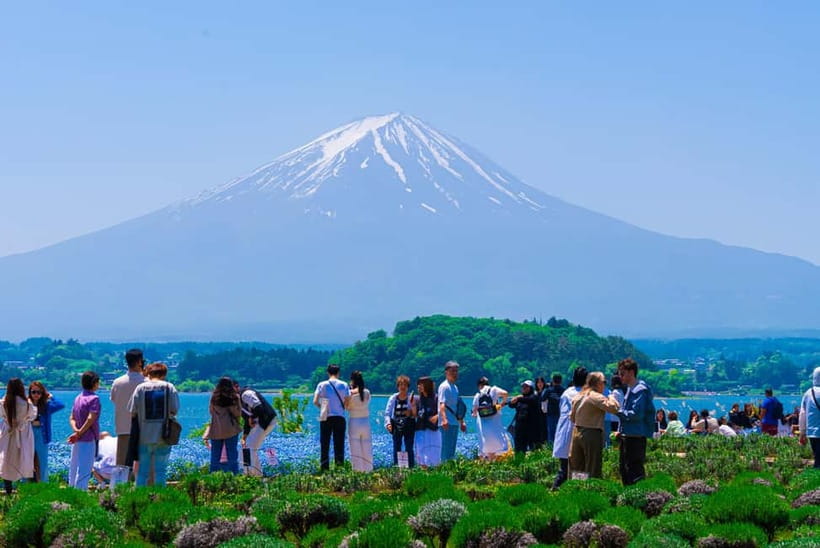
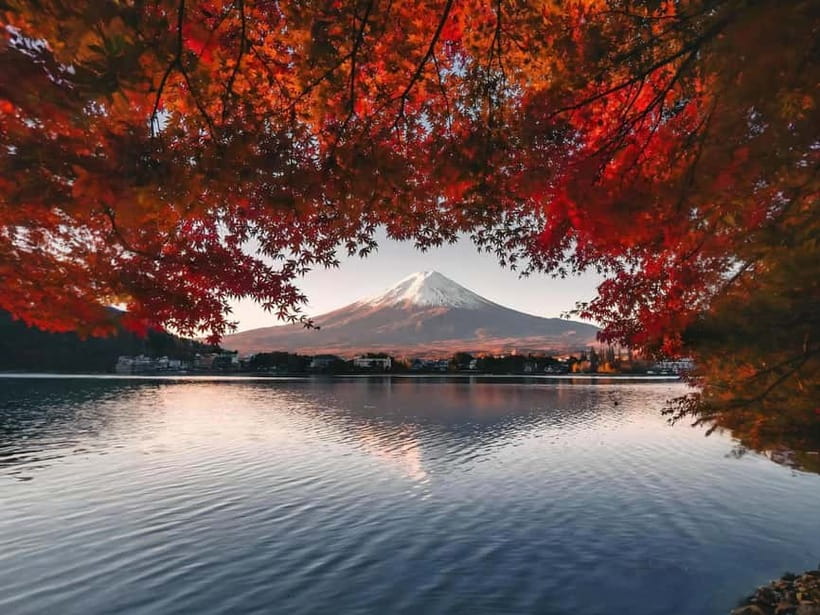
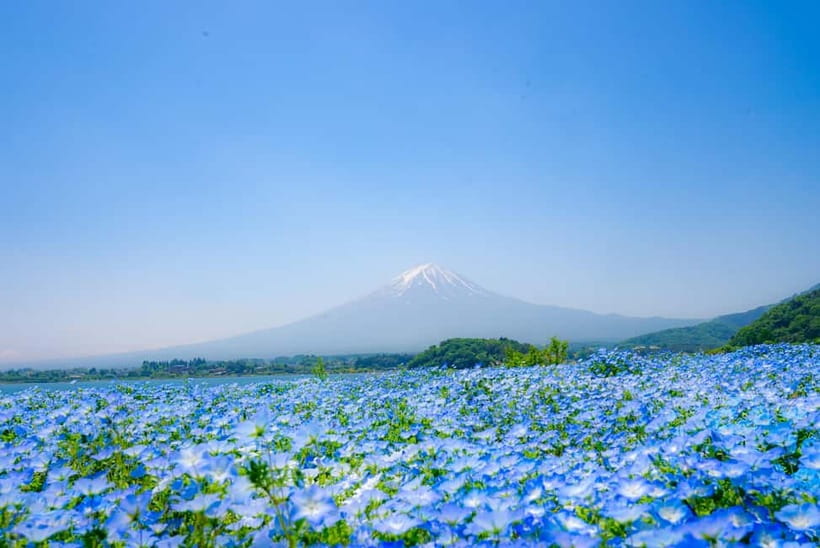
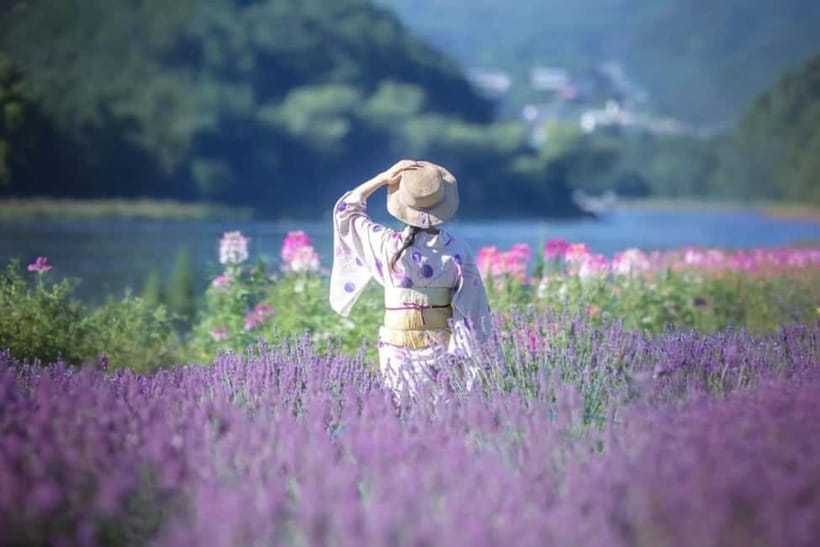
The final major area is Lake Kawaguchi, where you have about 50 minutes. Most of the year, the tour finishes at Oishi Park, known for flowers such as lavender, begonia, cosmos, and Japanese blood grass. The park gives you open views across the lake toward Mt Fuji and a calmer finish after the day’s busier stops.
From roughly October 30 through November 20, the route changes to the Maple Corridor. This is a smart seasonal swap, since the tree-lined passage is at its best during autumn color. The exact timing of fall leaves can vary, so the dates are a guide rather than a guarantee, but the seasonal plan gives you a better chance of seeing the area at its most attractive.
The 50-minute stop is enough for a walk and photographs. It is not a full lakeside exploration. If you want to sit quietly by the water for hours, a dedicated Lake Kawaguchi visit would suit you better. If you want one strong final viewpoint before returning to Tokyo, this works well.
Fuji visibility is never guaranteed. On clear days, the mountain can dominate every stop. On cloudy days, the tour still has gardens, springs, food, village streets, and lake views, but the central image may be missing. Book this trip for the full group of places, not only for one perfect mountain photograph.
What the guides add to a busy route
The guide can make or break a day with this many stops. Hikari receives especially strong praise for keeping people informed, explaining Japanese culture and Mt Fuji, adding humor, and giving clear departure times. He is also often singled out for helping people find good places to take pictures.
That practical side matters. You need to know when to leave the pagoda, where to meet after exploring Oshino Hakkai, and how long you have at LAWSON. Hikari has used group communication, including WhatsApp, to make those details easier to follow on some departures.
The tour is not a lecture from start to finish. The best accounts describe a guide who shares useful facts during the drive, then gives people time to explore independently. That balance suits you if you want context but do not want someone talking constantly at every stop.
Guide quality can vary because the named guide is not guaranteed. English, Chinese, and Japanese are available, but request your preferred language early. A small group or private option may offer a more personal pace, while the standard group tour gives you the lowest price.
Timing, traffic, and the real return time
The full experience lasts about 10 hours. The stated plan is to finish the sightseeing portion around 4:30 PM and return to Tokyo around 6:00 to 6:30 PM. Another timing note aims for Tokyo Station around 5:00 to 5:30 PM, but traffic can push the return as late as 8:00 PM during busy periods.
Take the later possibility seriously. Tokyo and the Fuji area can suffer heavy traffic during holidays, national holidays, cherry blossom season, and autumn foliage season. Do not book a nonrefundable evening dinner, theater ticket, airport transfer, or long-distance train immediately after the expected return.
The schedule can feel rushed at the pagoda and crowded photo sites. On a clear, quieter day, the group may reach stops earlier than expected and gain extra breathing room. The route order can also change to reduce delays. That flexibility is useful, but it cannot overcome a major traffic jam.
Who should book this Fuji excursion?
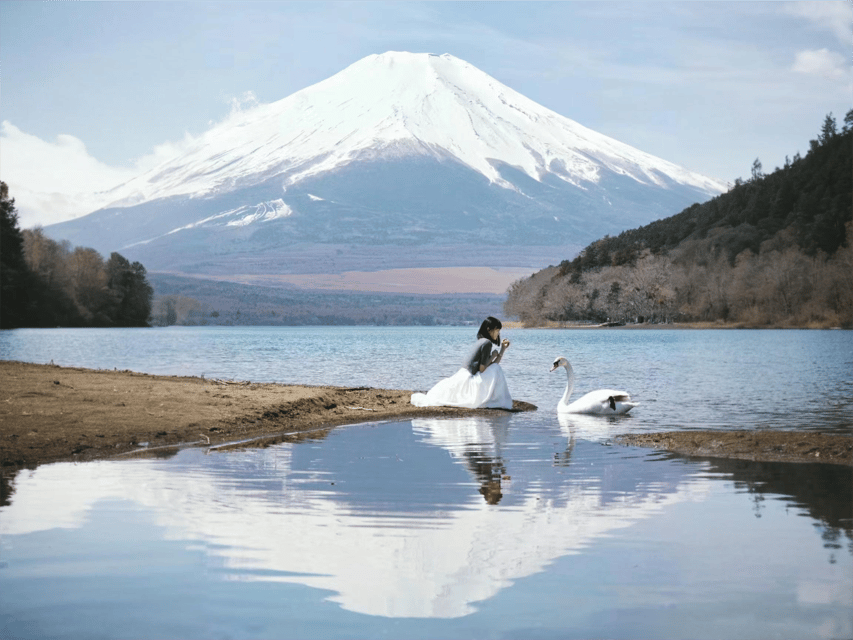
I would choose this tour if you are visiting Tokyo for the first time, want the classic Mt Fuji locations, and value simple transport over a slow pace. It is also a good fit for solo visitors who want an organized day and an easy way to meet others.
Families can use it, especially with older children who can manage the stairs and stay on schedule. Parents should remember that the pagoda climb is the main physical challenge, and the day has several transitions. Children aged two or younger can join free without occupying a seat, but you should notify the provider in advance.
The tour is less suitable if you dislike group timetables, need lots of rest stops, or want to hike around the mountain. It is also a poor choice for anyone who cannot handle uncertain return times. A private car option gives families and groups more control, but extra costs are discussed after consultation, so the $55 headline price applies to the basic shared experience, not every private arrangement.
Free cancellation is available up to 24 hours before departure, and reserve-now-pay-later booking may help if your Tokyo plans are still changing. Late arrival or a no-show brings no refund or alternate date, so treat the meeting time as firm.
Should you book it?
Book it if you want maximum Fuji coverage for a modest price and accept a full day on the road. The mix of Chureito Pagoda, Oshino Hakkai, Fujiyoshida, LAWSON, and Lake Kawaguchi gives you more variety than a single observation-point visit.
Skip it if your priority is a quiet, unhurried day or a guaranteed clear view of Mt Fuji. No tour can control the weather, and the most famous stops can be crowded. For most first-time Tokyo visitors, though, the transport, strong route, seasonal choices, and capable guides make this a sensible way to meet Japan’s most famous mountain.
FAQ
Is this tour suitable for families with children or elderly travelers?
Yes, it is family-friendly, but the 397 steps to Chureito Pagoda can be difficult. Comfortable shoes and regular breaks are important. The activity is not suitable for people over 75.
What happens if Mt Fuji is hidden by clouds?
The mountain may not be visible because of weather. The tour still visits Oshino Hakkai, Lake Kawaguchi, Arakurayama Sengen Park, and other scenic locations that can be enjoyed without a clear Fuji view.
Are meals included?
No. You can buy food at Oshino Hakkai, including tofu with pickled miso and kusamochi, or bring your own lunch. Food and drinks are not allowed in the vehicle.
When will the bus return to Tokyo?
The planned return is generally around 5:00 to 6:30 PM, depending on the schedule. Heavy traffic during peak periods can delay the return as late as 8:00 PM, so avoid making fixed evening plans.
Which languages are available?
Guides are available in English, Chinese, and Japanese. If you need an English guide, request one at least 72 hours before the tour, especially during peak season.
What does the tour visit during autumn foliage season?
From approximately October 30 to November 20, the tour visits the Kawaguchiko Maple Corridor instead of Oishi Park. During the rest of the year, Oishi Park is the usual final stop.
Just added around Mount Fuji
- Ramen Cooking Class at Lake Kawaguchiko (Short Course)★ 5.0 · 42 reviews
- Private Fuji Full-day Car Tour with Hotel Pickup -Local Guide★ 5.0 · 12 reviews
- Sushi Cooking Class at Sushi Factory -KIWAMI- Mt.Fuji★ 5.0 · 23 reviews
- Private Local Hiking to enjoy the nature and culture of Mt.Fuji★ 5.0 · 22 reviews
- Cute & Fun E-Car tour following guide around Lake Kawaguchiko★ 5.0 · 54 reviews
- Ramen Cooking Class at Ramen Factory in Mt.Fuji★ 5.0 · 101 reviews
- Fujisan Sushi Making Lesson★ 5.0 · 16 reviews
- Early Morning Kayaking With Views of Mt Fuji at Lake Kawaguchiko★ 5.0 · 69 reviews
Day Trips in Mount Fuji, compared.
Mt Fuji and Hakone 1-Day Bus Tour Return by Bullet Train
Our verdict →
Mt. Fuji, Kamakura, Big Buddha, & Lake Ashi Day Trip
Our verdict →
Mt. Fuji Day Trip from Tokyo with English Speaking Driver Guide
Our verdict →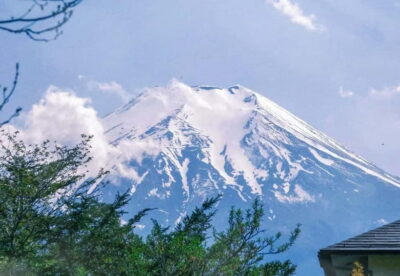
Browse the lists this tour appears in