
Reviewed · FUKUOKA TOURS
Fukuoka Full-Day Private Tour with Government Licensed Guide
Fukuoka is easiest to understand when you connect its old shrines, Buddhist temples, food stalls, seaside districts, and nearby Dazaifu in one day. This private tour gives you a guide’s full attention while you choose three or four places, rather than following a fixed route.
I like the flexible planning and the local transport help. Guides such as Peko, Yoko, Erica, Chizuko, and Sasuke have shaped days around cultural interests, port schedules, food, or the famous reclining Buddha at Nanzoin. The main catch is that transport, lunch, entry tickets, and a private vehicle cost extra, and six hours is not enough for every stop on the long menu.
Key points to know before booking
- Choose three or four stops: The long list is a menu, not a promise that you will see everything.
- Build around your interests: Pick temples and shrines, markets and food, museums, parks, beaches, or nearby sights.
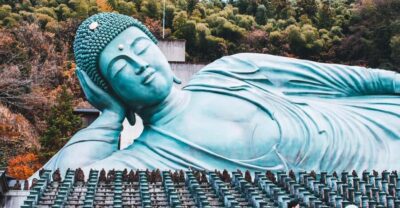
- Nanzoin can be the day’s highlight: Its huge reclining Buddha is especially memorable, but the temple may involve steps and extra travel.
- Your guide helps with trains and taxis: Transportation is not included, yet guides can make local connections much easier.
- The tour meets on foot: Pickup is offered within a designated Fukuoka area, but this is not a chauffeured excursion.
- Six hours moves quickly: This works best for a focused introduction, not a slow, thorough visit to every district.
A private Fukuoka day built around your priorities
The best feature here is not the number of possible sights. It is the chance to decide what kind of Fukuoka day you want.
You can ask for old temples and Shinto shrines. You can focus on food, markets, and daily life. You can head toward Dazaifu and the Kyushu National Museum, visit Nanzoin’s reclining Buddha, or stay in central Fukuoka with parks, shopping, and the waterfront.
That choice matters because the sights are spread across different parts of the city and surrounding area. A day centered on Dazaifu is a different outing from one built around Yanagibashi Market, Kushida Shrine, and Canal City Hakata. Your guide can help match your wishes to the available time.
The experience lasts about six hours and is private for your group. You are not folded into a large bus tour, and you can ask questions as you go. The guide can also explain small points of Japanese custom and local life that are easy to miss when you move from sight to sight alone.
The advertised price is $155.22 per person, with group discounts available. That is a fair price if you are a small group that values planning help and personal attention, especially during a short port visit. It is less attractive if you already know the city well and are happy using trains and visiting a few free sights on your own.
More Full-Day Tours in Fukuoka:
- From Tokyo: Mount Fuji Full-Day Sightseeing Trip
★ 4.5 · 4,970 reviews - Mount Fuji Full-Day Private Tour from Tokyo (Customizable)
★ 4.9 · 1,470 reviews - Hiroshima / Miyajima Full-day Private Tour with Government Licensed Guide
★ 5.0 · 1,298 reviews
How to choose the right three or four stops
Do not arrive expecting to cover the entire list. The menu includes 20 possible places, but the tour includes a custom plan of three or four sites. Some stops are listed as 15-minute visits, which is enough for an introduction or photographs, not a full exploration.
Before the day, decide what you care about most:
- Culture: Kushida Shrine, Tochoji Temple, Shofukuji, Dazaifu, Hakozaki-gu, or Nanzoin
- Museums and local history: Kyushu National Museum or Hakata Machiya Hometown Museum
- Food and shopping: Yanagibashi Rengo Market, yatai food stands, or Canal City Hakata
- Parks and views: Ohori Park, Momochi Seaside Park, Fukuoka Tower, Atago Shrine, or Fukuoka Castle
- A side trip: Nokonoshima Island or Nanzoin Temple
Tell the guide if you prefer a relaxed pace, more walking, fewer religious sites, local food, or a particular view. That early conversation can make the difference between a pleasant day and a rushed one.
Fukuoka Castle and Ohori Park: ruins with room to breathe
Fukuoka Castle Remains offers a useful introduction to the city’s samurai-era past. You will see stone walls, gates, and the moat rather than a restored castle building. From Fukusaki Hill, the city view gives the stop a clear sense of place.
The castle area works well for visitors who want open space and photographs. It is also a good choice if you prefer a short outdoor stop instead of another indoor attraction. The tradeoff is that the ruins are fragmentary, so you should not expect a grand reconstructed fortress.
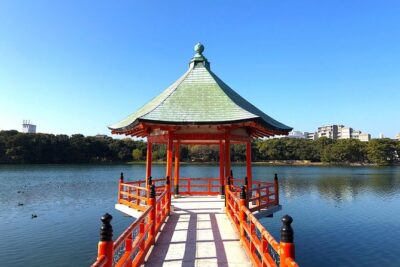
Nearby Ohori Park is one of the most pleasant urban stops. A large pond sits at its center, with a walking path of just over two kilometers around the water. A 15-minute visit lets you see the setting, but a proper walk requires more time. If you want a slower morning, ask for Ohori Park to receive more than a quick stop.
Kushida Shrine, Tochoji, and Shofukuji: central Fukuoka’s old core
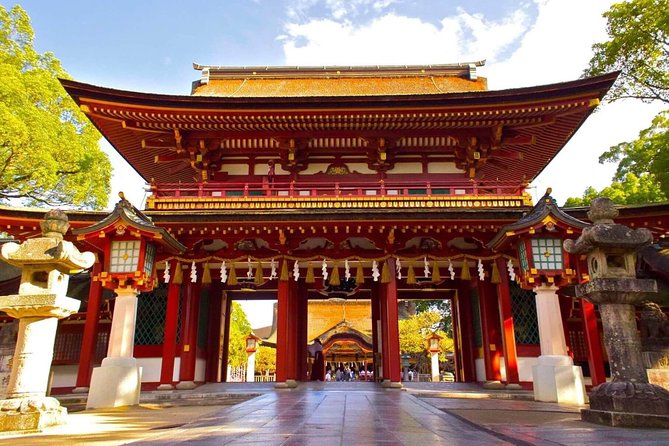
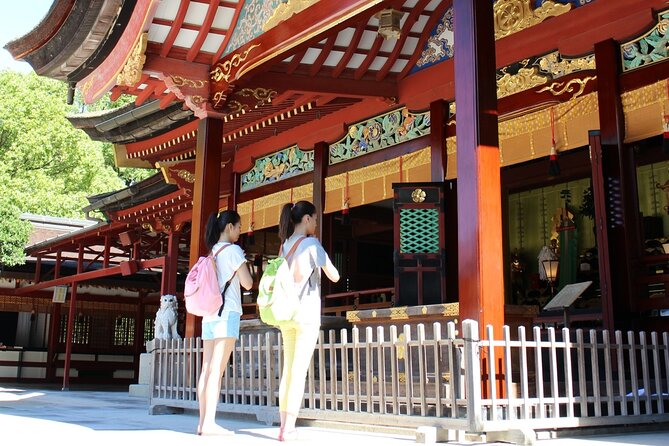
Kushida Shrine is one of Fukuoka’s most important Shinto sites and dates to AD 757. Look for its detailed carvings, including Chinese zodiac figures, and its ginkgo tree. The shrine also connects to local festival traditions, making it more than a quiet place of worship.
Tochoji Temple is a major Shingon Buddhist temple connected with Kobo-Daishi, also known as Kukai. Its large wooden Buddha is a major reason to visit. The experience may also include a dark or unsettling passage often described as a journey from hell to heaven, so ask your guide what is open and how much time you have.
Shofukuji has a special place in Japanese Zen history. It was founded in 1195 by Eisai, who introduced the Rinzai school of Zen Buddhism from China. The temple grounds offer a calmer counterpoint to the busier central streets.
These three sites make a strong culture-focused route. You get Shinto tradition, Buddhist art, and Zen history without leaving central Fukuoka. The limitation is time. Fifteen minutes at each gives you an orientation, but not a long period for quiet reflection or detailed viewing.
A few more Fukuoka half-days worth comparing
- Private Fukuoka Tour with a Local, Highlights & Hidden Gems 100% Personalised
★ 5.0 · 143 reviews - Fukuoka Your Way: 100% Customisable Private Tour with Local Guide
★ 5.0 · 83 reviews - November Sumo Tournament tour in Fukuoka (Tickets Included)
★ 4.5 · 76 reviews - Fukuoka: Nakasu Food Stall Private Guided Tour with Tastings
★ 4.8 · 48 reviews
Dazaifu and the Kyushu National Museum
Dazaifu is outside the central city and deserves careful planning. The area was once a regional government center, and the Dazaifu Government Remains show where official buildings once stood. Dazaifu also offers a different setting from central Fukuoka, with a strong connection to religion and regional history.
The Kyushu National Museum opened in 2005 and is known for its award-winning building. It was Japan’s first new national museum in more than a century, and its displays place Kyushu in the wider story of contact between Japan and the rest of Asia.
A Dazaifu day often works best with the museum and one nearby shrine or historic site. Trying to combine Dazaifu with too many central Fukuoka stops can make the day feel like a race. Admission to the museum is not included, and the price of transportation is also separate.
If you want context rather than a checklist, tell your guide you would rather spend longer at Dazaifu. One successful plan described a visit to Dazaifu, the Kyushu National Museum, and Kamado-jinja Shrine, followed by ramen back in Fukuoka. That is a useful model for a day that mixes culture, views, and lunch.
Nanzoin Temple and the reclining Buddha
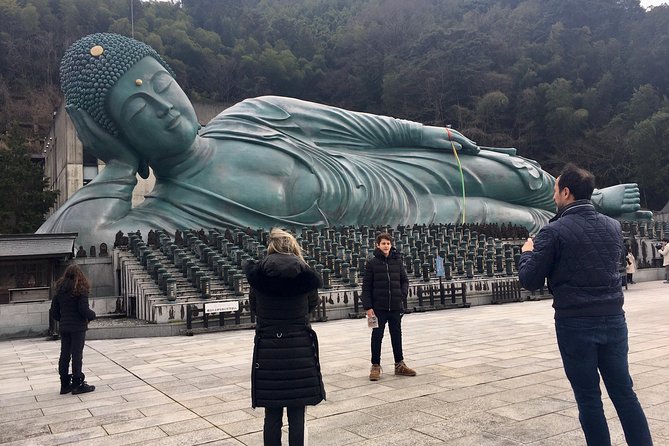
Nanzoin, about 15 kilometers east of Fukuoka, is one of the strongest reasons to book this tour. The temple is known for its enormous reclining Buddha and draws more than a million pilgrims and visitors each year.
The setting is spiritual and memorable, but it is not simply a quick roadside photograph. You may walk uphill or climb steps, and the temple can take more energy than the short stop listed on the schedule suggests. One guide took time to climb the steps with a visitor, which is the kind of practical help that can make this outing more comfortable.
Nanzoin is especially useful for cruise passengers. A guide can watch the clock, help with trains or taxis, and adjust the rest of the day if a ship docks late. Several carefully planned days paired Nanzoin with central temples, the old town, a museum, or lunch near Hakata Station.
Check the Buddha’s current condition before you go. Restoration has affected access at times, and one planned visit could not include the reclining Buddha because of restoration work. Your guide can help you make the best use of the time if part of the site is closed.
Shrines, gardens, and views
Sumiyoshi Shrine is one of Kyushu’s oldest shrines and is dedicated to protective sea deities. Its connection with sailors gives it a natural link to Fukuoka’s coastal identity. It is a sensible choice if you want a quiet shrine with an old maritime connection.
Hakozaki-gu is another major shrine in the area. The original site was destroyed by fire during the Mongol invasion of Fukuoka in 1274 and later rebuilt. It offers a strong historical angle, though admission costs may apply to some listed attractions.
Atago Shrine sits on a hillside and is valued for its broad views over the city and surrounding area. It is a good choice for people who want a less visited shrine and a viewpoint. The hill also means you should be comfortable with some uphill walking.
Rakusuien is a compact Japanese-style garden with a tea house. Matcha and sweets cost 500 yen, and garden admission is 100 yen. The listed visit is only five minutes, so ask for more time if the tea experience matters to you.
Markets, yatai, and the taste of Hakata
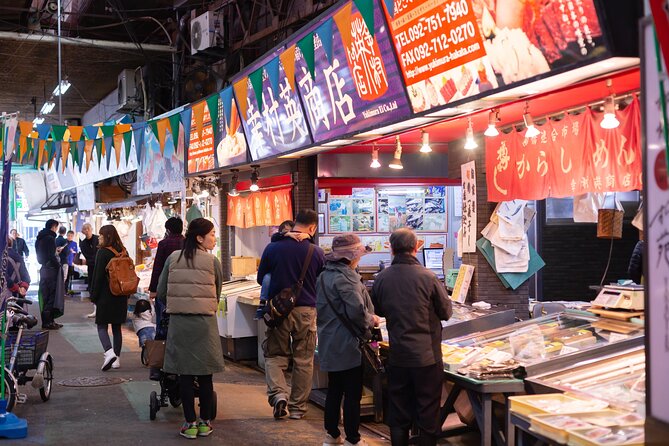
Yanagibashi Rengo Market is known as the kitchen of Hakata. More than 40 greengrocers and fishmongers sell fresh goods, alongside shops offering fruit, tofu, cafés, and bakery items. This is a better choice than a quick shopping-center stop if you want to see local food culture in working form.
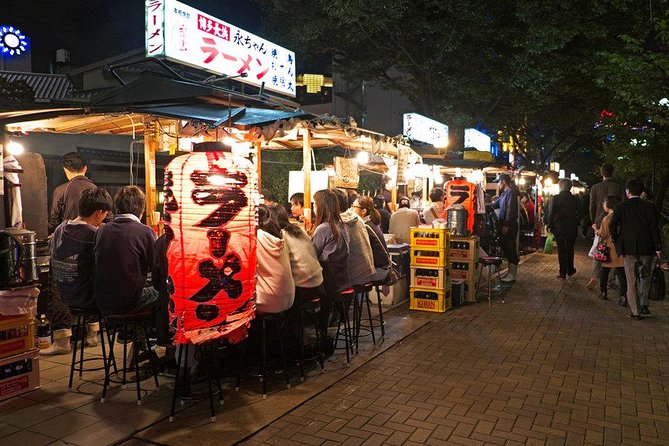
Fukuoka’s yatai are open-air food stands, usually with room for about seven or eight people. They are one of the city’s best-known symbols and offer an atmospheric way to try local dishes. Opening conditions and crowd levels can affect the plan, so your guide can advise you on timing.
Canal City Hakata is a large shopping and entertainment complex with about 250 shops, restaurants, cafés, a theater, and a game center. It is convenient and lively, but it feels modern and commercial rather than traditional. Choose it if you want shopping, food, or air-conditioned indoor time.
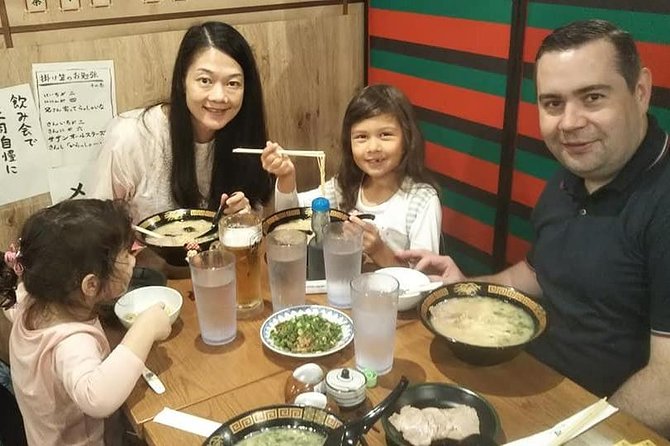
Lunch is not included. That is useful because you can choose what suits your group, but remember to allow time for the meal. Guides have helped arrange dinner reservations and suggested omakase sushi, ramen, and yakitori. If food is central to your day, say so before the tour rather than trying to squeeze it in at the end.
Waterfront Fukuoka, Nokonoshima, and the tower
Momochi Seaside Park shows modern Fukuoka along reclaimed land beside Hakata Bay. It was developed around the 1989 Asia Pacific Expo and gives you a different view of the city from its shrines and old streets.
Fukuoka Tower rises about 234 meters and offers broad views over the city. Admission is not included, and a 15-minute stop may only allow a quick visit, so it is worth confirming the timing before making it a priority.
Uminonakamichi Seaside Park covers a broad peninsula across the bay from central Fukuoka. It is family-friendly and spacious, but its distance means it can consume a large part of a six-hour tour. I would choose it only if you specifically want a park and have little interest in the central temples.
Nokonoshima Island requires a ferry ride. The crossing adds a pleasant change of pace, but the island is not a quick add-on to several central stops. Treat it as the main purpose of the day, not a bonus between the castle and the market.
What the transport arrangement really means
This is a walking tour with a guide, not a private-car tour. Pickup is on foot within a designated area of Fukuoka, and the tour price does not cover train fares, buses, taxis, ferry rides, or other transportation.
That sounds limiting, but it can work well in Fukuoka. Guides have helped visitors use local trains, transit cards, taxis, and station connections. One guide recommended a transit card for faster, simpler travel, while another used taxis and trains to fit Nanzoin, central Fukuoka, lunch, gardens, temples, and a museum into one day.
Still, you should budget for transport separately. Ask for a rough route and likely fares before the tour, especially if you are considering Dazaifu, Nanzoin, Nokonoshima, or Uminonakamichi. The guide’s entry fees are covered only for sights listed under the tour’s expected stops. Your own admission fees are generally not included.
Weather and delays can change the plan. Rain, a late ship docking, or a delayed train has caused some planned stops to be dropped. A good guide can adjust the day, but no six-hour tour can recover every lost minute.
Who will get the most from this tour
I would recommend this experience to first-time visitors who want help making sense of Fukuoka quickly. It is particularly useful for cruise passengers, families, older visitors who want help with routes, and anyone who prefers conversation to a recorded audio guide.
It also suits people with a clear interest. Ask for a temple day, a food day, a museum day, or a mix of old and modern Fukuoka. Guides such as Yoko and Chizuko have been praised for shaping plans around specific interests, while Peko, Erica, and Sasuke have handled cultural visits and short port schedules with care.
You may prefer to explore independently if you want long meals, extended shopping, or a full afternoon in one park. The six-hour structure and three or four-stop limit are best for a focused introduction.
Free cancellation is available up to 24 hours before the start time. Most people can participate, service animals are allowed, and the tour is near public transportation, but you should discuss walking ability and steps when planning Nanzoin, Atago Shrine, or other uphill sites.
Should you book the Fukuoka private tour?
Book it if you value a flexible plan, an English-speaking licensed guide, and help connecting sights that are hard to combine on your own. The strongest version of the tour centers on three or four meaningful stops, such as Nanzoin with Tochoji and Kushida Shrine, or Dazaifu with the Kyushu National Museum and a carefully chosen Fukuoka food stop.
Do not book it expecting a private vehicle or a complete tour of the city. Add transport, meals, and admission fees to your budget, and tell the guide your top priorities before the day begins. With realistic expectations, the tour offers a smart way to get your bearings and see a side of Fukuoka that would be easy to miss alone.
FAQ
How long does the Fukuoka private tour last?
The tour lasts approximately six hours.
How many sights can I choose?
The tour includes a customizable itinerary of three or four sites from the available list.
Is this a private tour?
Yes. Only your own group participates.
Is transportation included?
No. Transportation fees are not included, and the tour does not provide a private vehicle. The tour meets the guide on foot within the designated Fukuoka area.
Does the price include lunch and admission tickets?
No. Lunch, personal expenses, and entrance fees are not included. The guide’s entry fees are covered only for sights listed under the expected stops.
Can the tour include Nanzoin Temple?
Yes. Nanzoin Temple is one of the possible stops, and the visit includes the chance to see its famous reclining Buddha. Extra admission and transportation costs are not included.
Is the tour suitable for cruise passengers?
Yes. The tour can be planned around a short port visit, though late docking, weather, and transport delays may require changes to the schedule.
What is the cancellation policy?
You can cancel up to 24 hours before the experience start time for a full refund. Cancellations or changes made less than 24 hours before the start time are not accepted for a refund.
Just added around Fukuoka
- Fukuoka Sumo Tournament November 2025 with a Sumo Expert Guide★ 5.0 · 21 reviews
- Dazaifu and Yanagawa Canal Cruise Private Guide Day Tour by Train★ 5.0 · 13 reviews
- Fukuoka Group/Private Tour by Local Professionals!★ 5.0 · 15 reviews
- Hakata Old Town Walking Tour Tracing the True History of Fukuoka★ 5.0 · 17 reviews
- Colors of Japan, Fukuoka Nokonoshima Island Park & Wagyu BBQ★ 5.0 · 15 reviews
- Bike Tour in Fukuoka City【Bike is Life】Fukuoka ” Hakata ” Ride★ 4.5 · 18 reviews
- Fukuoka Private Tour: Heart and Tradition of Hakata★ 5.0 · 19 reviews
- Fukuoka’s Sacred Path: Temples, History & Culture★ 5.0 · 17 reviews
Fukuoka Tours, compared.
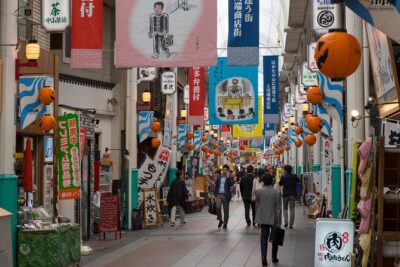
Private Fukuoka Tour with a Local, Highlights & Hidden Gems 100% Personalised
Our verdict →November Sumo Tournament tour in Fukuoka (Tickets Included)
Our verdict →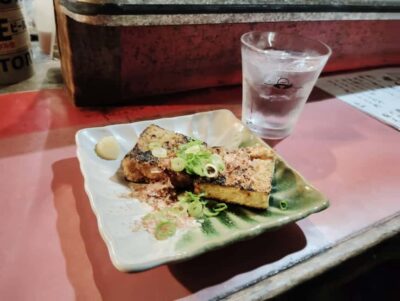
Nakasu Food Stall Private Guided Tour with Tastings
Our verdict →
In Fukuoka! Guide to an izakaya only 100% locals know/Bar Hopping
Our verdict →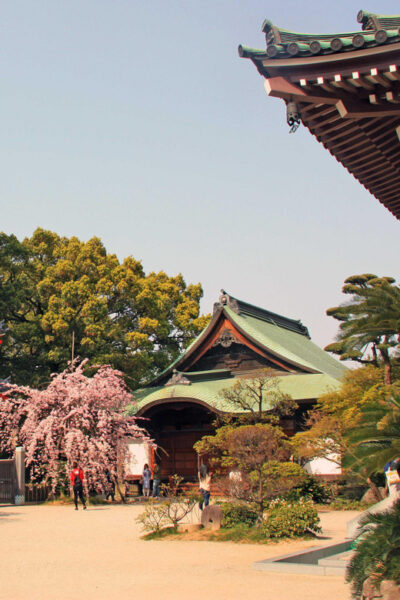
Fukuoka Private Tour: Heart and Tradition of Hakata
Our verdict →Browse the lists this tour appears in