
Reviewed · CANYONING & RAFTING
Shizuoka: Advanced Canyoning Activity near Mt. Fuji
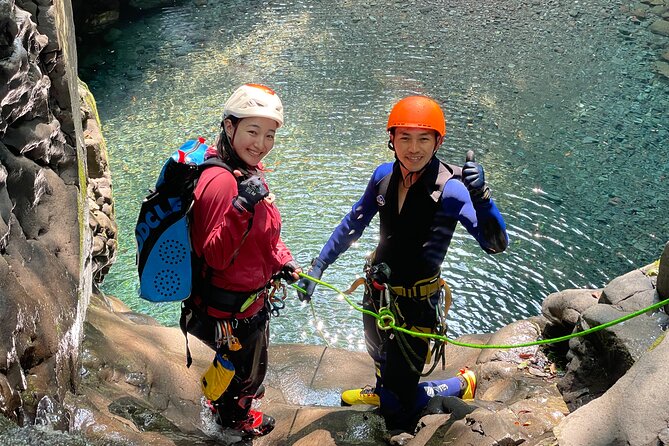
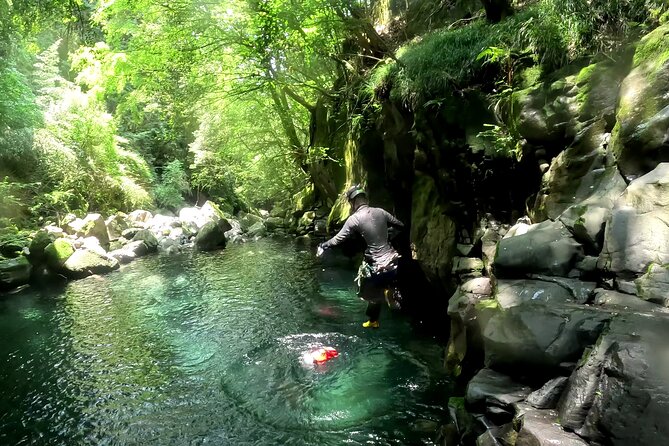
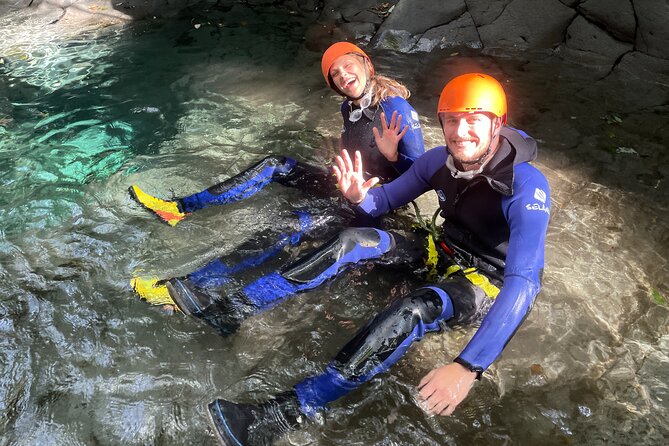
The most exciting part of this Mt. Fuji outing is the chance to move through a natural lava gorge under your own power. You’ll slide down water chutes, swim in cold pools, rappel with a rope, and choose from jumps ranging from 1 to 9 meters. I like the small maximum of six people, and I like that guides Yuki and Misa built the company around safe, personal outdoor trips. The main catch is simple: this is physical, and some jumps or rope sections can feel scary if you are new to canyoning.
I also like the practical setup. Rental gear includes the wetsuit, socks, helmet, harness, and canyoning shoes, and the trip begins and ends at Gakunan Fujioka Station. Still, you need good weather, a towel, a swimsuit or spare underwear, and enough comfort with water, climbing, and heights to enjoy the outing rather than merely endure it.
Key points to know before booking
- Jumps from 1 to 9 meters: The range gives you smaller choices and more serious thrills, but you need to be ready for height and cold water.
- A true small-group outing: The maximum is six people, allowing the guides to keep an eye on each person.
- Yuki and Misa lead the trip: Yuki brings canyoning, climbing, skiing, and competitive swimming experience, while Misa adds a warm, friendly approach.
- Three hours in a lava gorge: Expect a focused half-day of slides, rappelling, swimming, and jumps, not a long sightseeing tour.
- Best from spring through fall: Tours close from December through March, and poor weather can lead to a new date or refund.
- Easy meeting point: You meet at Gakunan Fujioka Station in Fuji, Shizuoka, then return there after the activity.
What the three-hour canyoning route feels like
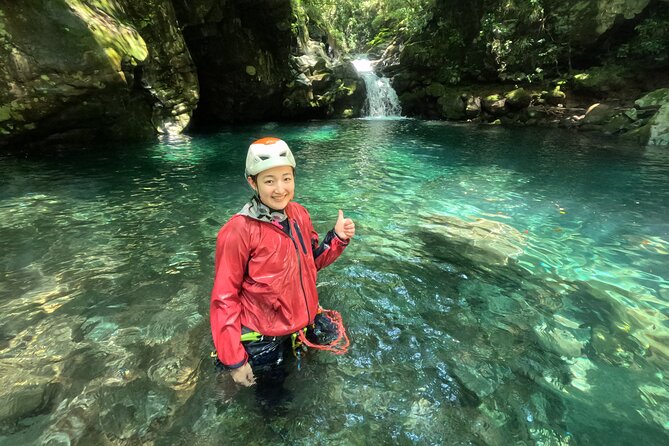
This is not a gentle walk beside a stream. It is a hands-on route through a gorge formed by volcanic terrain near Mt. Fuji, with water doing much of the work. You will walk in the gorge, then use natural chutes, pools, rocks, and rope sections to move forward.
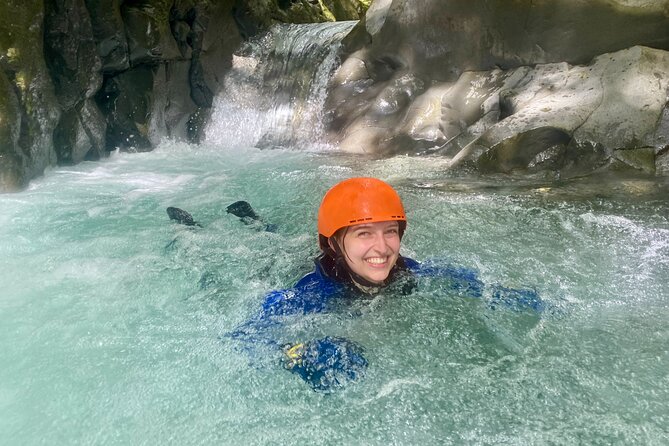
The exact order of the activities can vary with conditions, but you should expect four main skills: jumping, sliding, rappelling, and swimming. The jumps range from about 1 meter to 9 meters. That spread matters. A lower jump can help you get comfortable, while a higher one gives experienced participants a serious rush.
You should not assume that every jump is compulsory. The supplied details describe some jumping, which suggests the guide will direct you through suitable sections. Still, the outing is labeled advanced and recommended for second timers, so you should arrive ready for more than a beginner splash around.
The water sections are done in a wetsuit with canyoning shoes, helmet, and harness. That equipment protects you from the cold and rough surfaces, but it does not make the route easy. You will still be walking, climbing, bracing yourself, and entering water repeatedly.
A three-hour duration is a good fit for a travel day. It is long enough to give you a real canyoning session, yet short enough to leave time for other Mt. Fuji area plans. The tradeoff is that this is a concentrated adventure. You will not get a leisurely nature walk with long stops for scenery.
More Canyoning & Rafting in Mount Fuji:
- Okinawa Iriomote Mangrove SUP or Canoe and Splash Canyoning Tour
★ 5.0 · 98 reviews - Okinawa Iriomote Half Day Splash Canyoning
★ 5.0 · 37 reviews - Half Day – Snow View Rafting in Niseko
★ 5.0 · 13 reviews
The lava gorge and the scenery around Mt. Fuji
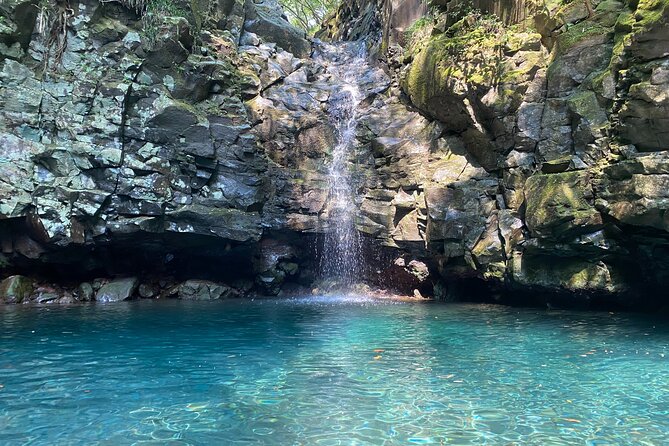
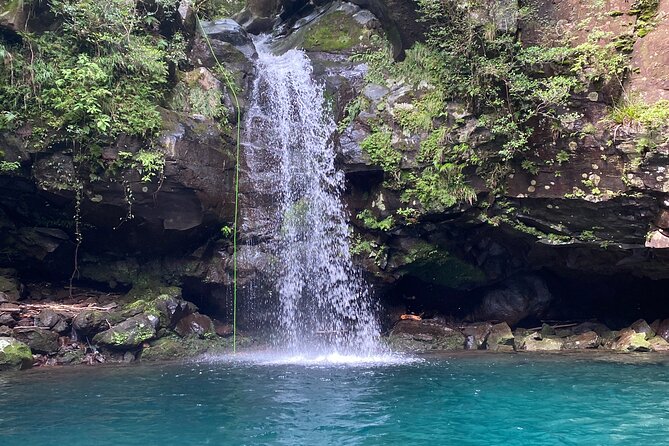
The setting is one of the strongest reasons to choose this activity. Instead of viewing Mt. Fuji from a lookout, you get into the volcanic environment around it. The gorge turns the area’s geology into something you can feel under your shoes and through the rushing water.
You may find that the scenery changes your sense of scale. A famous mountain can dominate a standard sightseeing day, but here your attention narrows to rock walls, pools, water routes, and the next safe step. That makes the outing feel more active and immediate than a normal photo stop.
Rain does not always ruin the day. One account describes a fun outing on a rainy day and feeling safe despite the harder moments. Even so, this activity depends on good weather, and the operator may cancel if conditions are poor. That is sensible for a canyon trip, where water levels and slippery rock can change safety conditions quickly.
The best season is summer through September, when cold water is more manageable in a wetsuit and the outdoor setting is at its most inviting. Tours are closed from December through March. If your Japan trip falls in winter, this is not a seasonal option, so you will need another activity.
Yuki and Misa bring a personal touch
Fujiyama Canyoning Japan was founded in 2024 by Yuki and Misa after they worked as canyoning guides near Tokyo. Their story helps explain the shape of the outing: small groups, direct guiding, and a strong interest in sharing local nature rather than running a large commercial operation.
Yuki, from Kochi Prefecture, has experience in canyoning, rock climbing, skiing, and competitive swimming. That swimming background is especially relevant here. Water confidence matters in canyoning, and a guide who understands movement in water can help you stay calm when a pool or chute feels unfamiliar.
Misa, from Kanagawa, brings experience with snowboarding and mountaineering, along with a friendly, social manner. She also enjoys cooking and eating, which will not affect your rappel technique, but it does add a human side to the company’s outdoor focus.
I like the balance between Yuki’s calm outdoor background and Misa’s warm energy. You are not simply handed equipment and sent into the gorge. With a maximum of six people and licensed guides leading the activity, you should receive more attention than you would in a large group.
That does not remove the need for personal responsibility. Listen carefully, ask questions, and say clearly if a height, jump, or water section worries you. A small group helps, but it cannot turn a physically demanding activity into an easy one.
The gear you receive, and what to bring
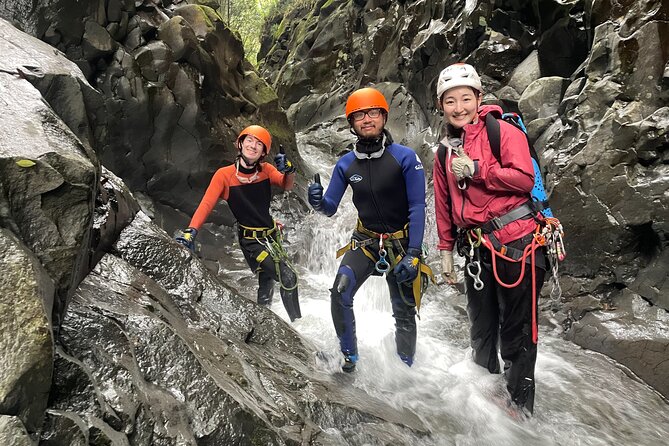
The price includes rental wetsuits, socks, helmets, harnesses, and canyoning shoes. That is important value because specialized canyoning gear can be awkward to pack and costly to rent separately. You can arrive in Japan without carrying a helmet or technical footwear just for this one outing.
A towel is not included. You should also bring a swimsuit, or spare underwear if you can manage with that. The wetsuit goes over your base layer, and you will need dry clothing afterward.
Do not treat the gear list as a complete packing guide for a normal sightseeing stop. You should think about the transition before and after the water portion. A towel and dry clothes make the return to the station far more comfortable.
Original charcoal or olive T-shirts are available for ¥3,500 in sizes S through XXL. These must be pre-ordered with your preferred size and quantity. The shirt is optional, but it could be a nice practical souvenir for someone who wants a reminder of the day without buying another generic Mt. Fuji item.
A few more Mount Fuji half-days worth comparing
- Mt Fuji and Hakone 1-Day Bus Tour Return by Bullet Train
★ 5.0 · 26,383 reviews - Mt Fuji & Hakone Cruise, Drum Show Bullet Train 1 Day from Tokyo
★ 4.0 · 7,413 reviews - Tokyo Mt Fuji 5th St & Hakone Cruise Bus Tour w/Bullet Train
★ 4.4 · 5,024 reviews - From Tokyo: Mount Fuji Full-Day Sightseeing Trip
★ 4.5 · 4,970 reviews
How difficult is this advanced activity?
The physical demand is the key booking question. The activity includes walking in a gorge, swimming in pools, sliding on water chutes, jumping, and rappelling. You do not need to be a specialist, since most people can participate, but you should be healthy and comfortable with active outdoor movement.
The experience is not suitable for someone with bad joints, back problems, or serious health issues. That warning deserves attention. Repeated landings, awkward rock positions, cold water, and rope work place real stress on your body.
You may also find parts of the route intimidating. A first-time canyoner can feel nervous before a jump or rappel, even when the height is modest. The 1-meter options are quite different from the 9-meter sections, so the range allows for different comfort levels, but the outing still expects a willingness to try.
I would choose this for a healthy adult who enjoys adventure sports, has canyoned before, or wants a serious first step into the activity. I would not choose it for a relaxed family nature outing, a person recovering from an injury, or anyone who dislikes swimming and heights.
The supplied details describe the tour as a good choice for second timers. That is useful guidance. If you have already tried canyoning and want more height or a longer sequence of technical sections, this may be a better match than a basic introduction.
Is $180.64 good value?
At $180.64 per person, this is not a cheap add-on. The price makes more sense when you look at what is included: about three hours with licensed guides, a six-person maximum, technical rental equipment, and a specialized route near Mt. Fuji.
You are paying for more than access to a river. A guided canyoning trip requires gear, safety planning, route judgment, and close supervision. The small group is especially important. If six people are present, the guides can manage the pace and keep the outing from becoming a crowded queue at every jump.
The price is easier to justify if you value active, unusual experiences and do not already own canyoning equipment. It is harder to justify if your main goal is to see Mt. Fuji from a scenic viewpoint or enjoy a quiet half-day outdoors.
The experience is booked about 28 days ahead on average, so I would not leave it until the last part of your trip. That booking pattern also suggests you should reserve before your schedule fills, especially if you need a particular summer date.
Group discounts are available, which may help if you are traveling with friends or family members who all want to participate. The maximum group size remains six, keeping the outing personal rather than turning the discount into a large organized crowd.
Getting to Gakunan Fujioka Station
The meeting point is Gakunan Fujioka Station in Fuji, Shizuoka. The activity begins and ends there, which makes the transport plan clear. You do not need to arrange a separate return from a remote canyon site.
The station is near public transportation, but the supplied details do not specify the train connection, transfer time, or walking directions. Check your route carefully before the day of the activity and allow enough time to arrive ready for the meeting.
Returning to the same station is useful if you are planning onward sightseeing or a meal nearby. It also means you can leave larger bags at your accommodation rather than trying to carry them into the gorge. Only bring what you need for the water activity and the trip home.
Weather, cancellations, and seasonal planning
You can cancel for a full refund up to 24 hours before the start time. Changes or cancellations made less than 24 hours before the start are not accepted, and the cut-off follows local time in Japan.
Weather is the bigger variable. If poor conditions force cancellation, you will be offered another date or a full refund. That policy protects you from losing the entire cost, but a bad-weather cancellation can still disrupt a tightly planned Mt. Fuji itinerary.
I would schedule this early enough in your stay to leave room for a new date if the weather turns bad. Do not place it on the final morning before a flight or long train journey. December through March is closed, so check the operating season before building it into a winter plan.
Who should book this Mt. Fuji adventure?
This is a strong match for you if you want active scenery rather than passive sightseeing. It suits people who enjoy trying new sports, do not mind getting fully wet, and can handle jumps, rope work, and cold water.
It also works well for friends traveling together. Group discounts may lower the cost, and the six-person limit keeps everyone involved. You can encourage one another through the intimidating moments, though each person should make an honest call about health and comfort.
You should think twice if you have joint or back problems, serious health concerns, or little interest in physical activity. The three-hour length may sound short, but canyoning packs plenty of effort into that time.
The outing is also less suitable if you want guaranteed clear views of Mt. Fuji. The main attraction is the gorge and its volcanic setting, not a formal mountain panorama. You may enjoy the surrounding nature, but this is an adventure first and a viewpoint tour second.
Should you book it?
Book this canyoning trip if you want a memorable change from temples, trains, and city streets, and if you are healthy enough for water, rock, heights, and repeated movement. The small group, included equipment, licensed guides, and return to the station make the setup practical.
I would especially recommend it to second-time canyoners and active beginners who understand that the word advanced is meaningful here. Reserve well ahead for summer, bring a towel and dry clothes, and leave a weather backup in your schedule.
Skip it if you want a gentle nature outing or if your joints, back, or general health make jumps and rappelling questionable. For the right person, though, this offers a lively way to experience the Mt. Fuji area from inside a gorge rather than from behind a camera.
FAQ
How long does the canyoning activity last?
The activity lasts approximately three hours.
Where does the activity start and finish?
It starts and finishes at Gakunan Fujioka Station in Fuji, Shizuoka, Japan.
What activities are included?
The outing includes some jumps from about 1 to 9 meters, rope rappelling, water slides, swimming in pools, and walking through a lava gorge with a licensed guide.
What equipment is provided?
Rental wetsuits, socks, helmets, harnesses, and canyoning shoes are provided.
What should I bring?
Bring a towel and a swimsuit. Spare underwear can be used instead of a swimsuit.
Does the activity operate in winter?
No. Tours are closed from December through March.
What happens if bad weather cancels the tour?
You will be offered a different date or a full refund if poor weather causes the activity to be canceled.
Just added around Mount Fuji
- Ramen Cooking Class at Lake Kawaguchiko (Short Course)★ 5.0 · 42 reviews
- Private Fuji Full-day Car Tour with Hotel Pickup -Local Guide★ 5.0 · 12 reviews
- Private Local Hiking to enjoy the nature and culture of Mt.Fuji★ 5.0 · 22 reviews
- Cute & Fun E-Car tour following guide around Lake Kawaguchiko★ 5.0 · 54 reviews
- Sushi Cooking Class at Sushi Factory -KIWAMI- Mt.Fuji★ 5.0 · 23 reviews
- Ramen Cooking Class at Ramen Factory in Mt.Fuji★ 5.0 · 101 reviews
- Fujisan Sushi Making Lesson★ 5.0 · 16 reviews
- Early Morning Kayaking With Views of Mt Fuji at Lake Kawaguchiko★ 5.0 · 69 reviews
Canyoning & Rafting, compared.
Okinawa Iriomote Mangrove SUP or Canoe and Splash Canyoning Tour
Our verdict →
Browse the lists this tour appears in